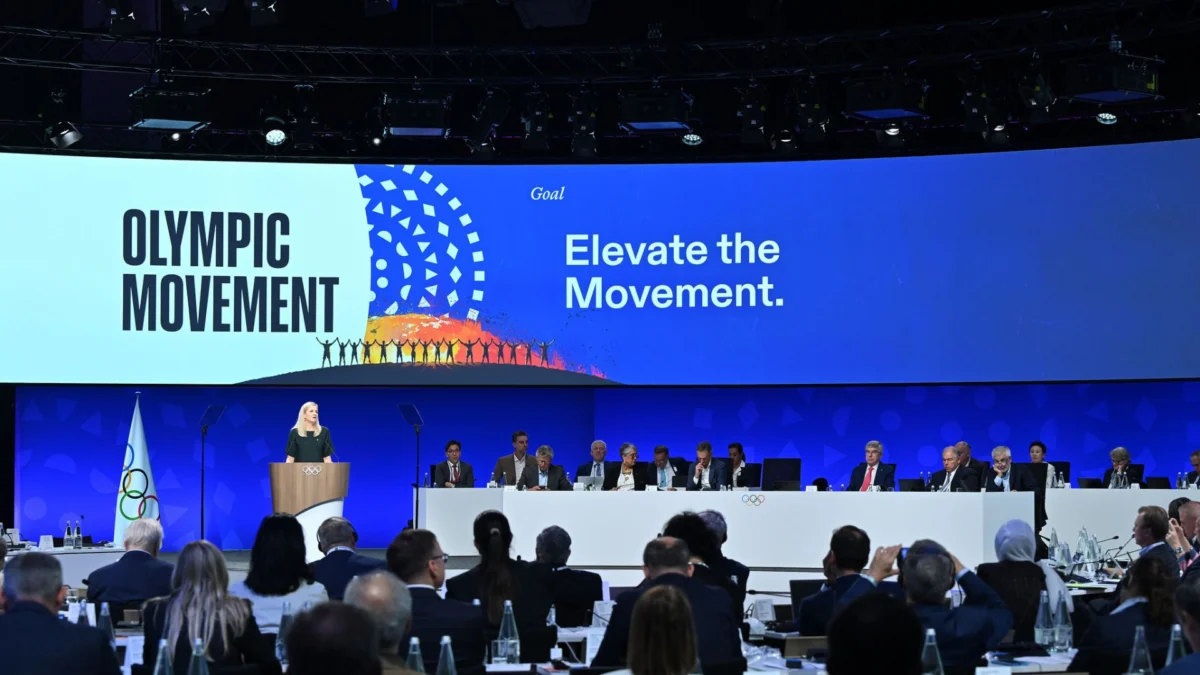
LAUSANNE, SWITZERLAND – The global sporting landscape is undergoing a profound transformation. On June 24, 2026, the International Olympic Committee (IOC) convened its 146th Session in the historic Olympic capital of Lausanne. The two-day extraordinary session, which concluded on June 25, marked a pivotal moment for the Olympic Movement as it unveiled "Fit for the Future" (F4F), a comprehensive strategic roadmap spearheaded by IOC President Kirsty Coventry.
The assembly, held amidst a shifting geopolitical and technological climate, serves as a blueprint for how the Olympic Games will adapt to the demands of the 21st century. While the IOC remains an exclusive body of members, the ripples of the decisions made in Lausanne are expected to touch every national Olympic committee (NOC) and athlete worldwide.
The Core Mandate: Understanding "Fit for the Future"
At its heart, the "Fit for the Future" program is an acknowledgment that the Olympic Games must evolve to remain relevant. President Kirsty Coventry, in her keynote address, emphasized that the movement cannot afford to rest on its laurels.
"The Olympic Games are the greatest show on earth, but greatness is not a permanent state; it is a commitment to continuous improvement," Coventry stated during the opening panel. The F4F initiative is designed to address systemic inefficiencies, enhance the financial support structures for athletes, and modernize the process of selecting Olympic sports to ensure they resonate with younger, digital-native audiences.
The program focuses on four primary pillars:
- Athlete-Centric Support: Streamlining direct financial and logistical assistance.
- Modernized Governance: Enhancing transparency in how decisions are made regarding host cities and sporting programs.
- Sustainability and Legacy: Ensuring that future Games are environmentally and economically viable.
- Program Evolution: Rebalancing the relationship between traditional "foundational" sports and the emerging disciplines that attract modern commercial interest.
Chronology of the 146th IOC Session
The events of June 24 and 25 were structured to ensure a granular review of the proposals before final ratification.
- June 24, Morning Session: President Kirsty Coventry opened the proceedings, outlining the vision for F4F. The morning was dedicated to a high-level review of the internal challenges facing the Olympic movement, including the increasing costs of staging Games and the need for greater gender parity in technical officiating.
- June 24, Afternoon Session: Deliberations focused on the athlete experience. The IOC executive board presented data indicating that while global interest in the Games remains high, the "pathway to the podium" is becoming increasingly expensive for athletes from smaller nations.
- June 25, Morning Session: The assembly held a formal vote on the proposed structural reforms. The motion to adopt the F4F framework passed with overwhelming support from the membership.
- June 25, Afternoon Session: Closing remarks focused on the implementation timeline, with the first wave of F4F policies set to take effect for the lead-up to the 2030 Winter Games in the French Alps.
The View from Finland: A Perspective from the Sidelines
While the International Olympic Committee serves as the governing body, it relies on the cooperation of 206 National Olympic Committees (NOCs) to execute its vision. The Finnish Olympic Committee (Suomen Olympiakomitea) occupies a unique position in this hierarchy. As an NOC, it does not hold a vote in the IOC, nor is it invited to participate directly in the closed-door general sessions. However, its influence is felt through active lobbying and consultative dialogue.
Sari Essayah, Finland’s representative within the IOC, acts as the primary bridge between the global body and the Finnish sporting community.
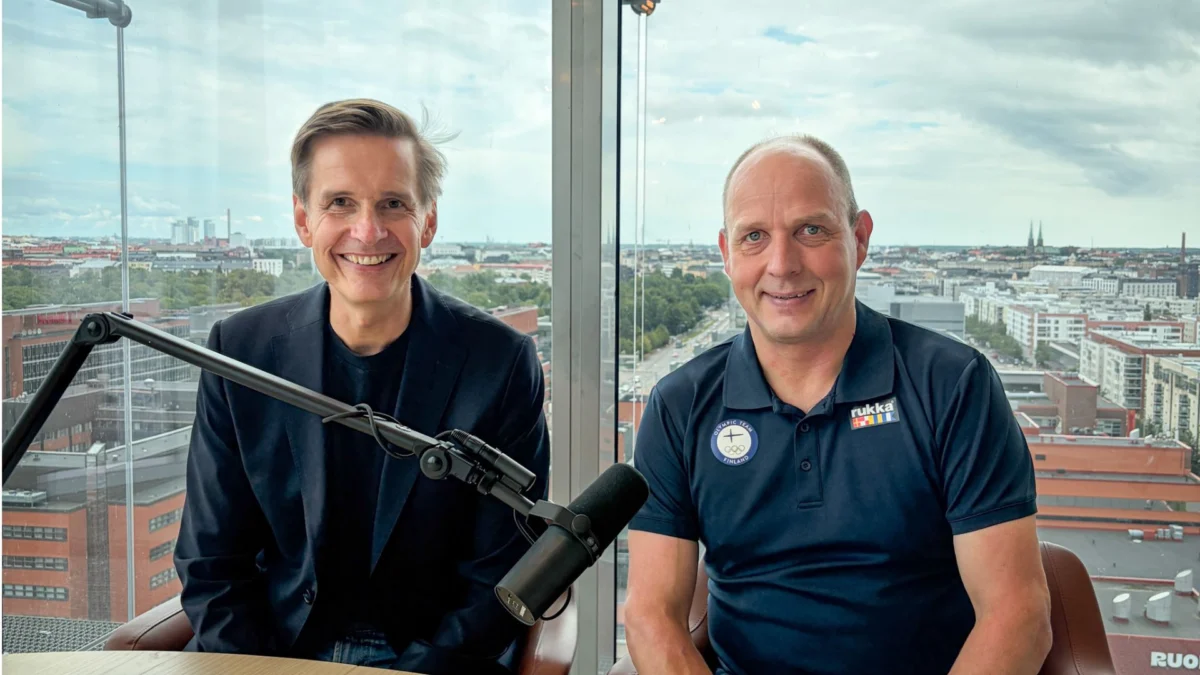
Riku Tapio, CEO of the Finnish Olympic Committee, offered a measured yet optimistic assessment of the proceedings. "The Finnish Olympic Committee has been consistent in our messaging throughout the F4F consultation process," Tapio noted. "We have advocated for a seat at the table, transparency in decision-making, and, most importantly, a guarantee that the voices of smaller nations are not drowned out by the priorities of the larger sporting superpowers."
Tapio emphasized that despite the lack of formal voting power, the relationship between Helsinki and Lausanne remains robust. "We have a strong channel of communication. It is clear that the IOC recognizes that the legitimacy of the Olympic movement depends on the health and participation of its national branches."
Supporting Data: The Impact on Athletes
One of the most significant outcomes of the F4F session is the introduction of a more robust financial safety net for participants. For many years, the burden of funding has fallen heavily on national federations, often leaving athletes in smaller countries at a distinct disadvantage.
The highlight of the new program is a landmark commitment from the IOC’s Solidarity Fund. Every athlete who qualifies for the Olympic Games will now receive a direct, concrete financial package of $10,000 USD.
"This is a game-changer," says Tapio. "It levels the playing field in a way we haven’t seen before. By providing direct support, the IOC is acknowledging that the athlete is the center of the Olympic ecosystem. This financial stability allows our athletes to focus on training rather than survival."
This initiative is part of a broader shift to ensure that Olympic qualification is based on merit, not financial capability. Furthermore, the IOC has pledged to audit the "Solidarity" process to ensure that funds are reaching athletes without being siphoned off by bureaucratic overhead within national organizations.
Implications: The Evolution of the Olympic Program
Perhaps the most contentious area discussed in Lausanne was the future of the Olympic sport program. As the IOC looks toward 2030 and beyond, it faces the difficult task of balancing the history of the movement with the commercial necessity of appealing to younger viewers.
"We are currently in a transition period," Tapio explained. "We haven’t yet received the final word on the specific sports programs for the French Alps 2030 Games. Our stance is clear: there must be a balance. We cannot discard the traditional sports that have built the Olympic legacy, but we must also integrate new disciplines that reflect the way modern society interacts with sport."
The F4F framework proposes a "Dynamic Programming" model. Instead of having a static list of sports that remains unchanged for decades, the IOC will now implement a triennial review process. This allows for the inclusion of "experimental" sports that can be tested in specific regional Games before being considered for full, permanent status.
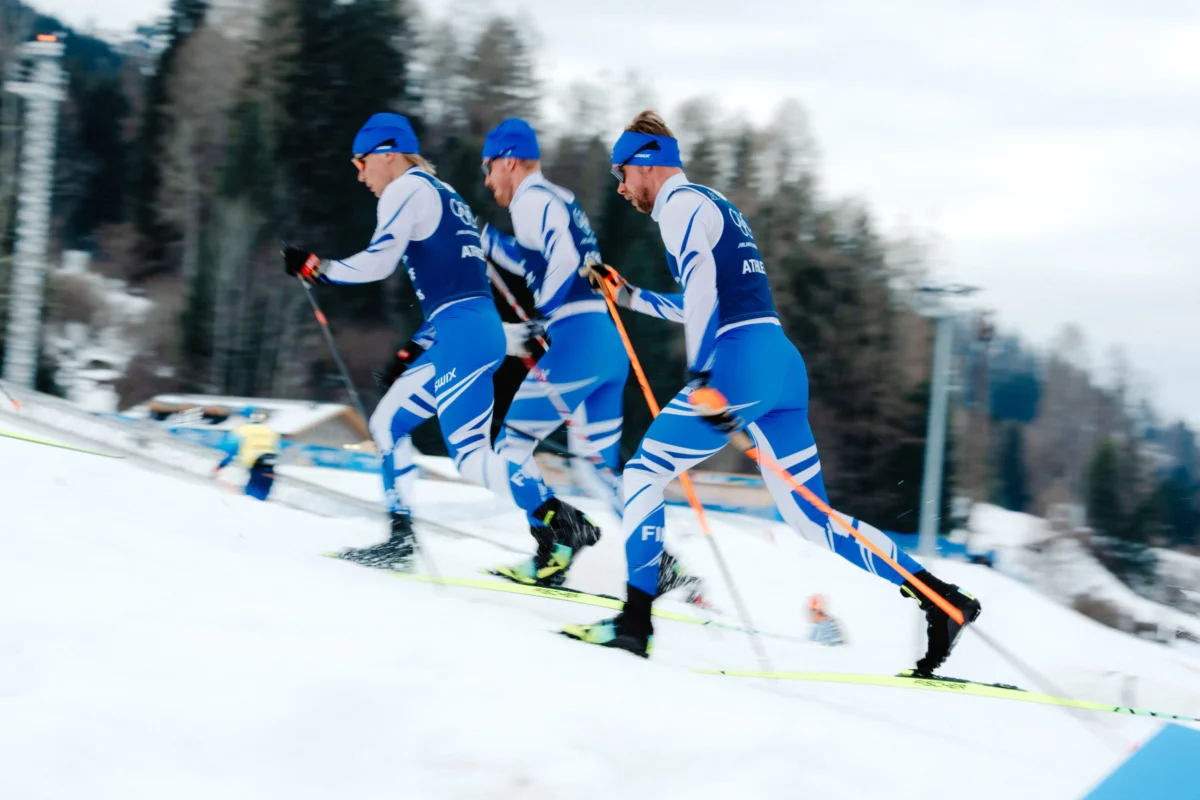
For Finland, a nation with deep roots in winter sports, this is a matter of strategic importance. The fear is that "new" sports, often designed for urban environments, might overshadow the traditional, outdoor-based winter disciplines that define Nordic sporting culture.
Governance and Transparency: The New Standard
A recurring criticism of the IOC in past decades has been the opacity of its internal decision-making. The "Fit for the Future" program addresses this head-on with a commitment to "Open Governance."
Under the new mandates, the minutes of key board meetings will be made accessible to national committees, and the criteria for host city selection will be published in a more detailed, quantifiable format. This is a direct response to the skepticism that has surrounded past bidding processes.
By inviting external auditors to monitor the implementation of F4F, the IOC hopes to restore public trust in the organization. "The openness is a welcome change," says Tapio. "When you involve the national committees in the process—even if we don’t hold the gavel—it fosters a sense of shared responsibility. We are no longer just recipients of IOC decrees; we are partners in the movement’s evolution."
Conclusion: The Road Ahead
As the 146th IOC Session concluded in Lausanne, the sentiment among delegates was one of cautious optimism. The challenges facing the Olympic movement—ranging from climate change affecting snow conditions for Winter Games to the rapid evolution of e-sports—are significant.
However, the "Fit for the Future" program provides a roadmap that is both pragmatic and ambitious. By prioritizing the financial well-being of the athletes and committing to a more transparent governance structure, the IOC is attempting to ensure that the Olympic rings remain a symbol of unity and excellence for generations to come.
For the Finnish Olympic Committee, the work now shifts to the national level. With the new financial support packages for athletes and a clearer understanding of the future sporting program, the focus turns to internal preparation. As Riku Tapio concluded, "We have a clear path forward. Now, the challenge is to turn these words into results on the field of play."
The world will be watching as these reforms are put into practice, starting with the lead-up to the 2030 Winter Games. The era of "Fit for the Future" has officially begun, and with it, a new chapter in the long and storied history of the Olympic Movement.