By Sam Johnston
Lead Guide, Montana River Guides; Instructor and Spill Responder, WRI
The Marañón River, a primary tributary of the Amazon, is not merely a body of water; it is a violent, churning artery carved deep into the Andean landscape. For a kayaker, it represents one of the most committing environments on the planet. Deep within the Inner Gorge, where the canyon walls pinch the river into a claustrophobic ribbon of white foam and the nearest medical clinic is a multi-day journey away, the margin for error effectively vanishes.
This account, adapted from my recent self-supported expedition, serves as a bridge between the high-stakes reality of deep-wilderness exploration and the foundational principles of professional swiftwater rescue. While the setting was the remote Peruvian Andes, the lessons learned are universal—applicable to any professional or recreational paddler on the Clark Fork or beyond.
The Incident: A Near-Catastrophe in the Inner Gorge
The expedition had been a grueling test of endurance. We had spent days navigating unstable terrain, including the portage of Wasson’s Slide, where we picked our way across shifting granite under the relentless, blistering heat of the Peruvian sun.

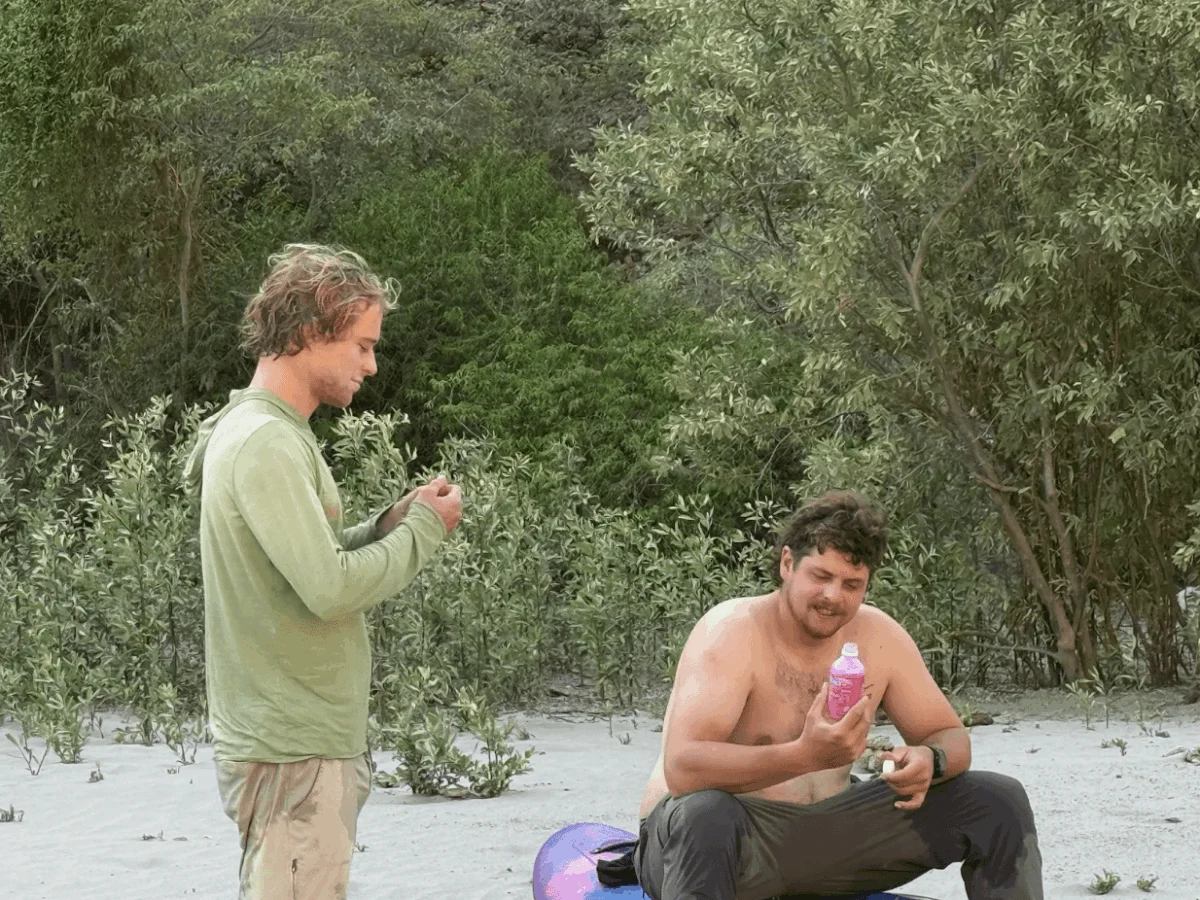
Halfway through lunch on a boulder, the reality of remote-river travel struck with terrifying suddenness. While scouting the next stretch of the gorge, I placed my hand on a rock roughly the size of a washing machine. It shifted. In a split second, I lunged, shouting a warning to my friend, Dayton, who was standing in ankle-deep water below.
A several-hundred-pound boulder broke free, surging downhill like a cannonball. It miraculously wedged between two smaller stones just inches from Dayton. The look he cast back at me—a mix of raw disbelief and hardened realization—is one I will never forget. As a lead guide and instructor, I am trained to be hyper-vigilant. Yet, in a moment of fatigue and complacency, I nearly ended my friend’s life. This is the crux of river safety: the environment exploits the gap between your training and your actual behavior under pressure.
Chronology of the Expedition
The Marañón is a river that demands everything from those who dare to run its length. Our journey was defined by a steady escalation of environmental challenges:
- The Approach: The expedition began with complex logistics and the physical demands of high-altitude navigation. Every piece of gear was self-supported, requiring careful weight distribution and constant energy management.
- The Upper Canyon: Early in the trip, the team encountered the first significant hurdle: a severe gastrointestinal illness. Three of our five members were sidelined, attempting to recover under the shelter of a bridge in an Ancash village.
- Logistical Desperation: The search for supplies turned into a high-stakes improvisation. Navigating a foreign healthcare environment, we secured basic food and questionable medication from locals, illustrating the vulnerability inherent in unsupported expeditions.
- The Inner Gorge: The transition into the most committing section of the river forced a shift in our psychological state. The rapids grew in technical intensity, and the consequences of a swim or a gear failure became absolute.
- The Samosera Rapid: The final test of our technical and mental capacity occurred at Samosera. By this point, the combination of cumulative fatigue and high-stakes decision-making had pushed the team to its limit.
Supporting Data: The Anatomy of Risk
In professional swiftwater rescue, we often analyze incidents through the lens of human factors. The Marañón experience highlighted five critical pillars of safety that govern both expeditionary kayaking and formal rescue operations.

1. Scene Size-Up: The Permanent Requirement
We scouted Wasson’s Slide with professional precision, identifying rapids and portage lines. However, we failed to evaluate the "safe" zone—our lunch spot. This is a common trap in professional rescue: the "scene" is not just the immediate hazard; it is the entire environment. Whether it is a bank, an anchor point, or a downstream eddy, complacency during the "safe" moments is the leading cause of preventable near-misses.
2. Cognitive Degradation Under Pressure
The dehydration, sleep deprivation, and illness experienced in the Upper Canyon significantly impaired our ability to process information. Research into rescue operations confirms that the brain is the first casualty of an incident. This is why we rely on checklists; when your cognitive processing speed drops, you need a pre-established framework to rely on, rather than your own compromised intuition.
3. Containment as a Technical Strategy
Before entering the Inner Gorge, I had a "plan" that was little more than a hope. A professional containment plan requires specific answers to objective questions: Who is watching? Where is the extraction point? What happens if the primary line fails? During a brief flip in a hole, I learned the difference between a wish and a protocol. Real containment is a proactive, mechanical, and human-resource-based arrangement, not a hope for a clean run.
4. The Ego Current
Standing at the lip of the Samosera Rapid, I was forced to confront an uncomfortable truth: was I running this for the right reasons? Ego is a current you cannot paddle against. It distorts risk assessment and often leads to the most catastrophic outcomes. In any rescue operation, the primary hazard is often the internal drive to "perform" rather than the water itself.

5. Respect vs. Conquest
The narrative of "conquering" a river is a fallacy that leads to complacency. The Marañón, a geological force millions of years in the making, does not care about our accomplishments. The goal of any proficient rescuer is not to dominate the water, but to possess the humility to understand its mechanics and move through it with calculated respect.
Official Implications for Swiftwater Rescue
The lessons learned on the Marañón align perfectly with the standards taught by the Whitewater Rescue Institute (WRI) and similar professional bodies. The transition from the river to the classroom is seamless:
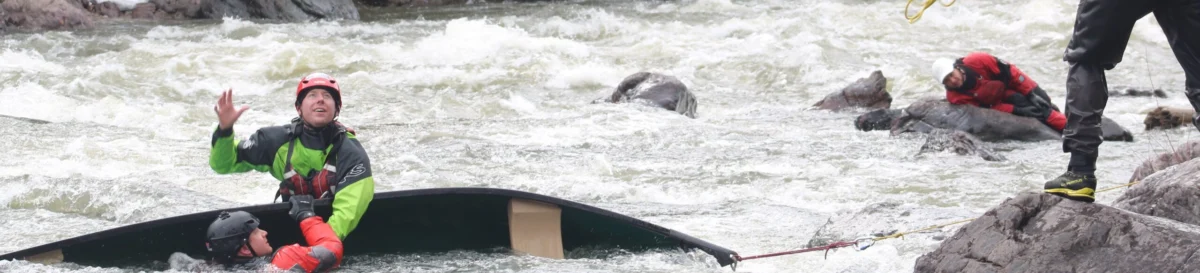
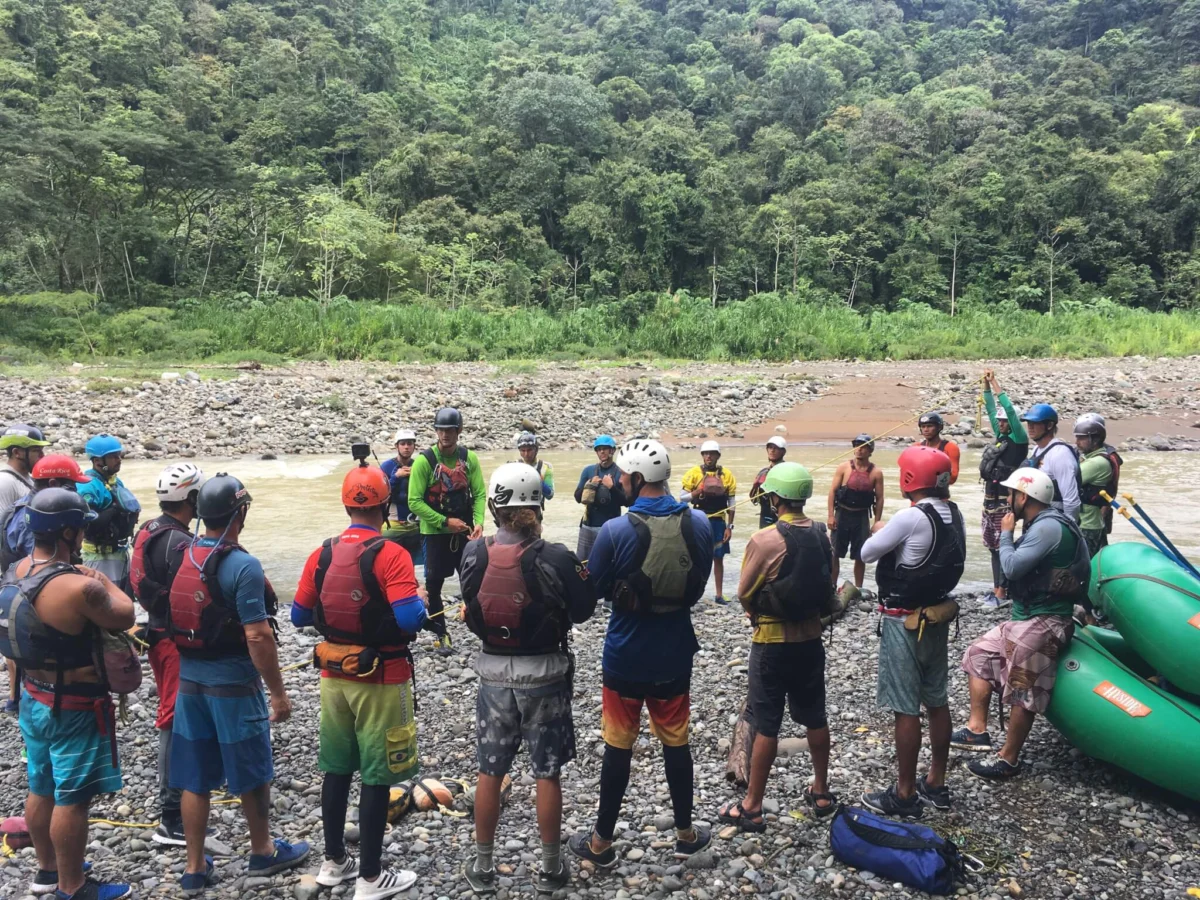
- Standardized Training: The skills taught at the WRI facility on the Clark Fork—rope rescue, boat operations, and technical extraction—are not mere exercises. They are the same protocols required to keep a team alive in the heart of the Andes.
- NFPA Compliance: Whether it is NFPA 1006 or 2500 standards, these protocols exist to mitigate the inevitable decay of human decision-making under stress.
- The Necessity of Refreshers: A course taken a decade ago is a liability, not an asset. Professional rescuers understand that skill-sets are perishable. The most competent professionals are those who return to the water for recurring training, acknowledging that they are always one step away from forgetting the nuances that keep them safe.
Conclusion: The Professional Standard
The Marañón was a crucible that reaffirmed my commitment to rigorous, recurring training. I returned from Peru with a deeper appreciation for the mental framework that defines a professional rescuer.
Whether you are a recreational paddler, an agency responder, or a commercial guide, the environment you operate in remains unforgiving. The stakes change, but the requirements do not: maintain your scene awareness, combat your ego, manage your cognitive load, and never treat your last certification as the final word.

As we move forward into the next season, I urge teams to prioritize their technical readiness. Our courses on the Clark Fork River in Alberton, Montana, are designed to test these very limits in a controlled environment. From swiftwater and flood rescue to specialized fastwater spill response, our goal is to ensure that when the moment of truth arrives—whether it is 8,000 feet deep in a Peruvian canyon or on a local river during a spill response—your response is instinctive, calculated, and professional.
The river is always waiting. Are you ready?
For information on upcoming training schedules and to ensure your team is meeting the latest USCG, HAZWOPER, and NFPA standards, visit the Whitewater Rescue Institute course page.