Executive Summary: A Collaborative Mission
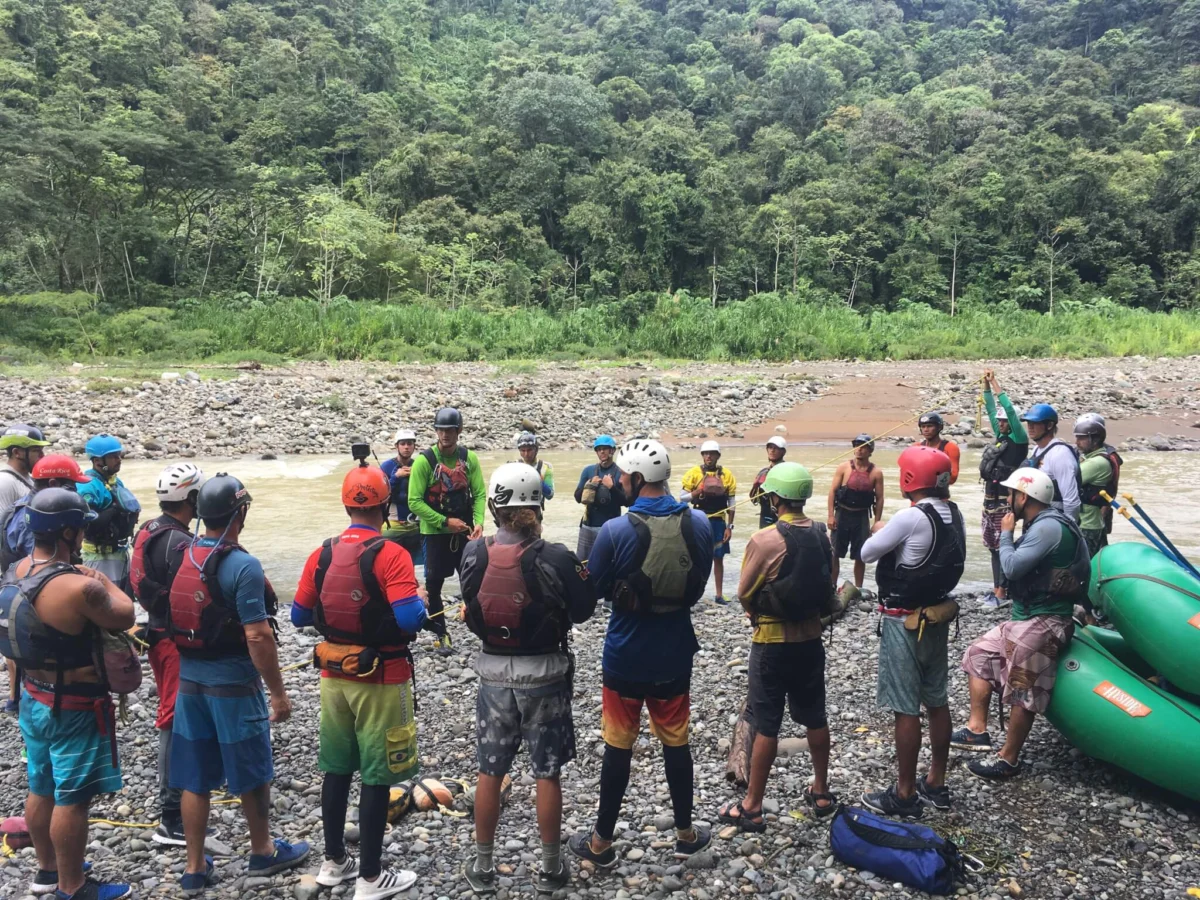
In the rugged, lush corridors of Costa Rica’s river systems, the margin for error is razor-thin. Recently, instructors from the Whitewater Rescue Institute (WRI)—including Paul Heffernan and his team—embarked on a rigorous five-day intensive training mission in Quepos and along the pristine banks of the Rio Savegre. The objective was clear: to standardize and elevate the emergency response capabilities of 50 of the country’s most seasoned whitewater rafting guides.
This collaborative effort brought together international expertise and local professional experience to address the unique logistical and communication hurdles inherent in tropical, remote-river environments. By focusing on the "LAST" protocol (Locate, Access, Stabilize, and Transport), the training aimed to transition from reactive measures to a more proactive, risk-managed culture within the Costa Rican rafting industry.
The Chronology of Training: From Theory to Torrent
Phase I: The Foundation of Risk Management
The training commenced in the coastal town of Quepos, where instructors established the theoretical framework. Before a single raft touched the water, the group engaged in deep discourse regarding the principles of river hydrology, equipment maintenance, and the complexities of organizational rescue.
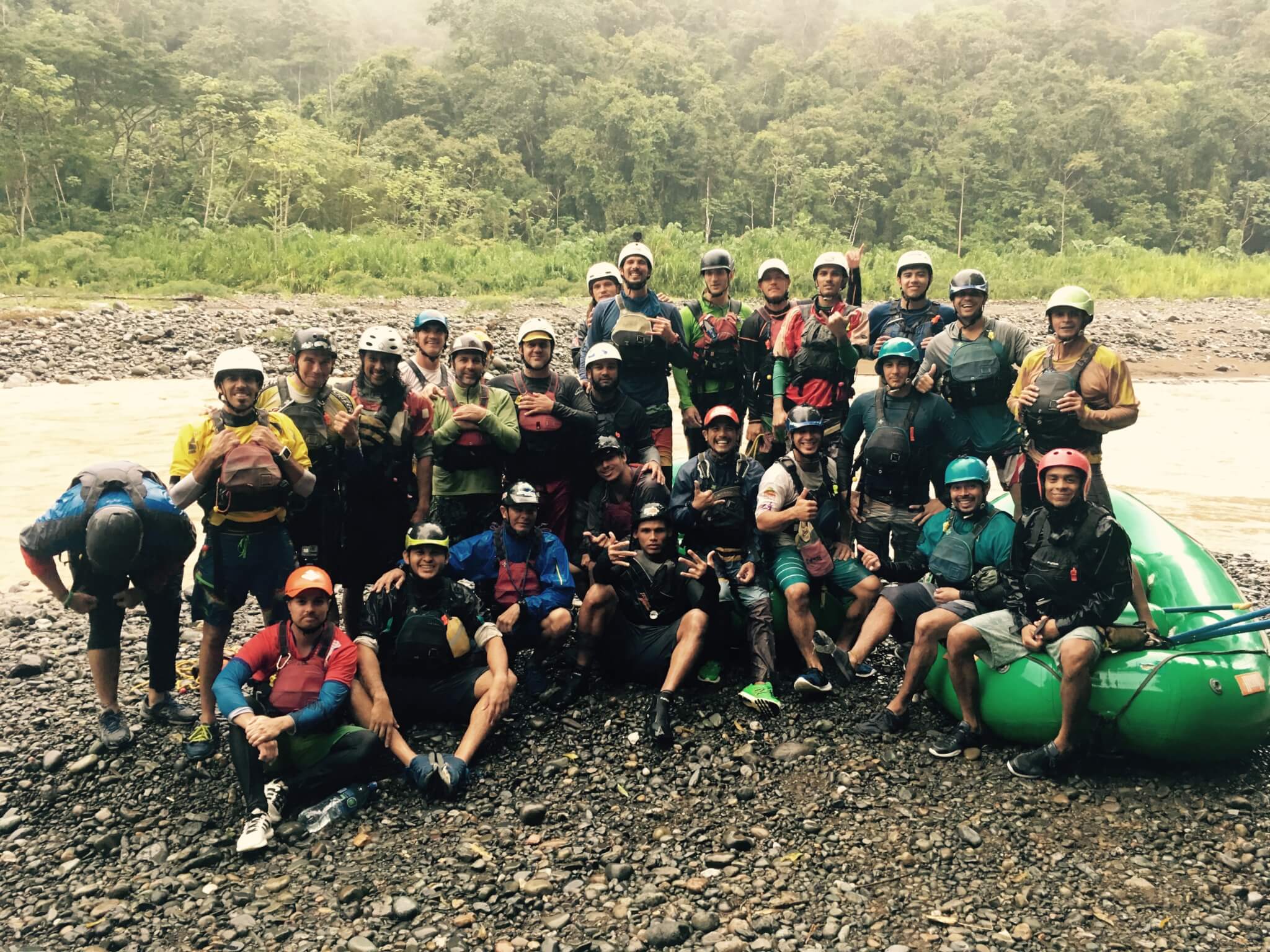
The instructors emphasized that in the whitewater industry, risk is an inherent variable. Consequently, the first day was dedicated to "size-up" techniques. Guides were taught that effective rescue begins long before a swimmer hits the water; it starts with meticulous pre-trip briefings, understanding client demographics, and identifying potential environmental hazards.
Phase II: The Rio Savegre Scenarios
Moving to the Rio Savegre, the training shifted into a practical, hands-on environment. For four days, the guides were immersed in the river’s crystal-clear, warm waters. This was not merely a skills refresher; it was a simulation of high-stakes pressure.
Guides practiced defensive and aggressive swimming, precise throw-bag deployment, and complex shallow-water crossings. The curriculum utilized a progressive learning model, starting with basic self-rescue and culminating in multi-victim, high-intensity scenarios. These exercises required the guides to act as both rescuers and victims, ensuring that every participant understood the physiological and psychological stressors involved in a live extraction.

Phase III: The Incident Command System (ICS)
A pivotal moment in the training was the introduction of the Incident Command System. The instructors underscored that, during an emergency, a lack of clear leadership is the primary catalyst for failure. Guides were tasked with identifying a team leader, establishing clear lines of communication—often using hand and whistle signals due to the absence of cellular reception in deep canyons—and maintaining strict upstream and downstream containment.
Supporting Data: Addressing the Logistical Reality
The training was underscored by a sobering reality: Costa Rica’s remote river geography creates significant challenges for traditional emergency response. Unlike urban centers where EMS support is minutes away, a river rescue in the Savegre basin often requires hours of self-sustained operations.
The "LAST" Protocol
The curriculum focused on the four pillars of modern swiftwater rescue:

- Locate: Establishing the precise position of the victim and the extent of the emergency.
- Access: Choosing the safest, most efficient path to the victim using the "Go-Reach-Throw-Row-Tow" hierarchy.
- Stabilize: Providing necessary medical intervention, often complicated by the wet and unstable environment.
- Transport: The technical extraction of the victim to a point of egress or a medical facility.
Technical Proficiency
Throughout the five days, the curriculum covered:
- Mechanical Advantage: Utilizing Z-drags and complex pulley systems for pin removal.
- Knots and Anchors: Ensuring absolute integrity in rigging under extreme tension.
- Medical Integration: Given that several guides were already certified as Wilderness First Responders (WFR) or EMTs, the training provided a venue for integrating high-level medical care into technical rescue operations.
Professional Perspectives and Industry Impact
The collaboration highlighted a mutual exchange of knowledge. While the WRI instructors provided the tactical methodologies, the Costa Rican guides brought a lifetime of local river experience. These professionals, many of whom work year-round, offered invaluable insights into the specific behavioral patterns of their local waterways.
The Shift Toward Proactive Safety
"Preparing for the worst-case scenario often leads to a more preventative approach," noted the instructors. By training for catastrophic failures—such as multiple-victim boat pins or unconscious river swimmers—the guides developed a heightened sense of situational awareness. This, in turn, reduces the likelihood of needing a rescue in the first place. The training served to transform the guides from reactive responders into professional safety managers who view every trip through the lens of risk assessment.

Strengthening Local Partnerships
The success of this initiative relied heavily on the support of local operators. The coordination provided by the Rafiki Safari Lodge, along with the participation of seasoned teams from Amigos del Rio, Pro Rafting, Unique Tours, and H2O Adventures, demonstrated a unified industry commitment to excellence.
Implications: The Future of Swiftwater Safety
The implications of this training extend far beyond the five-day period spent on the river. By certifying 50 guides to a higher international standard, the Costa Rican rafting industry has significantly bolstered its defensive posture.
Standardizing the Industry
The adoption of a standardized Incident Command System across multiple rafting companies creates a "common language" of rescue. Should a multi-company emergency occur, the guides are now equipped to integrate into a single, cohesive team. This interoperability is a massive leap forward for safety in the region.

The "Pura Vida" Philosophy of Safety
In Costa Rica, the phrase "Pura Vida" (Pure Life) is a cultural touchstone. For these guides, safety is now viewed as an essential component of that philosophy. By ensuring that guests are protected by highly trained, organized, and vigilant professionals, these companies are not just offering a tourist activity—they are providing a world-class, safety-first experience.
Lessons for the Global Community
The success of this program serves as a blueprint for other international rafting destinations. The model—combining international technical standards with local expertise—proves that when professional communities invest in ongoing, scenario-based training, they elevate the standard of the entire adventure tourism sector.
Conclusion: A Culture of Continuous Improvement
As the instructors departed, the legacy of the training remained in the form of a more resilient, highly skilled, and tightly knit community of river professionals. The Rio Savegre now flows with a higher standard of care than before.

For the 50 guides who participated, the training was more than a certification; it was a testament to their dedication to their craft. In an industry where the environment is the boss, these professionals have proven that the best way to respect the river is to be fully prepared for its challenges. The collaboration between the Whitewater Rescue Institute and the Costa Rican guide community stands as a shining example of how knowledge, when shared, serves as the most effective tool in any rescue kit.
Acknowledgements:
Special thanks to the team at Rafiki Safari Lodge—Loki, Randall, Kenneth, and Allan—for their logistical support, and to the dedicated guides of Amigos del Rio, Pro Rafting, Unique Tours, and H2O Adventures for their commitment to professional excellence. Pura Vida!