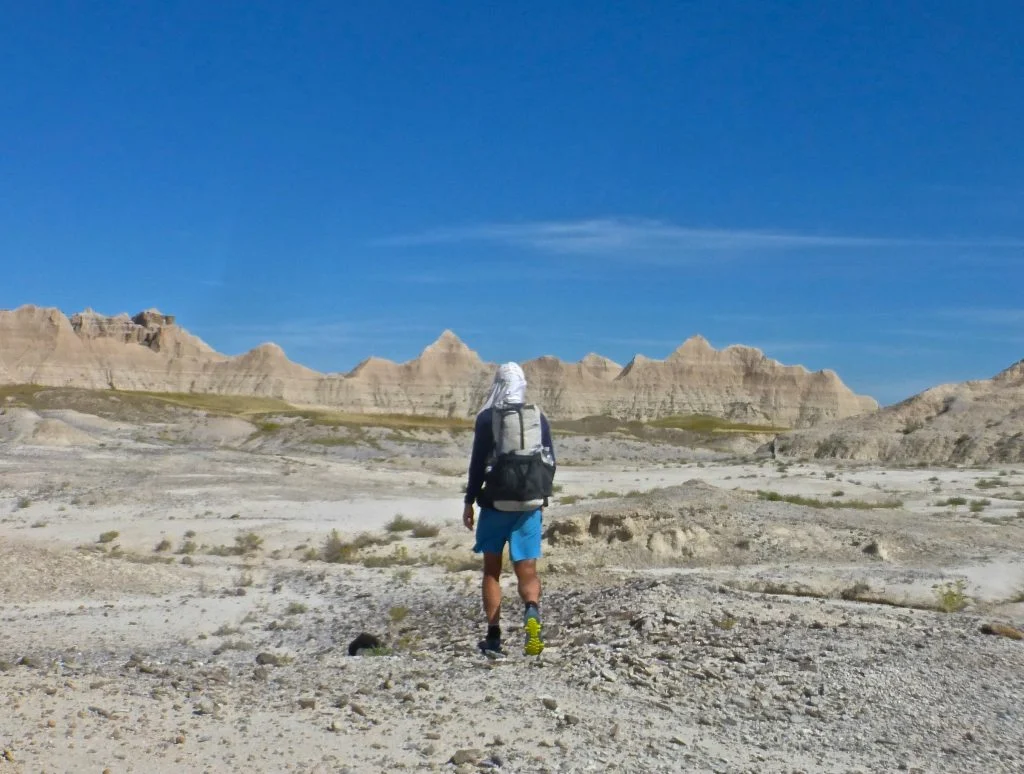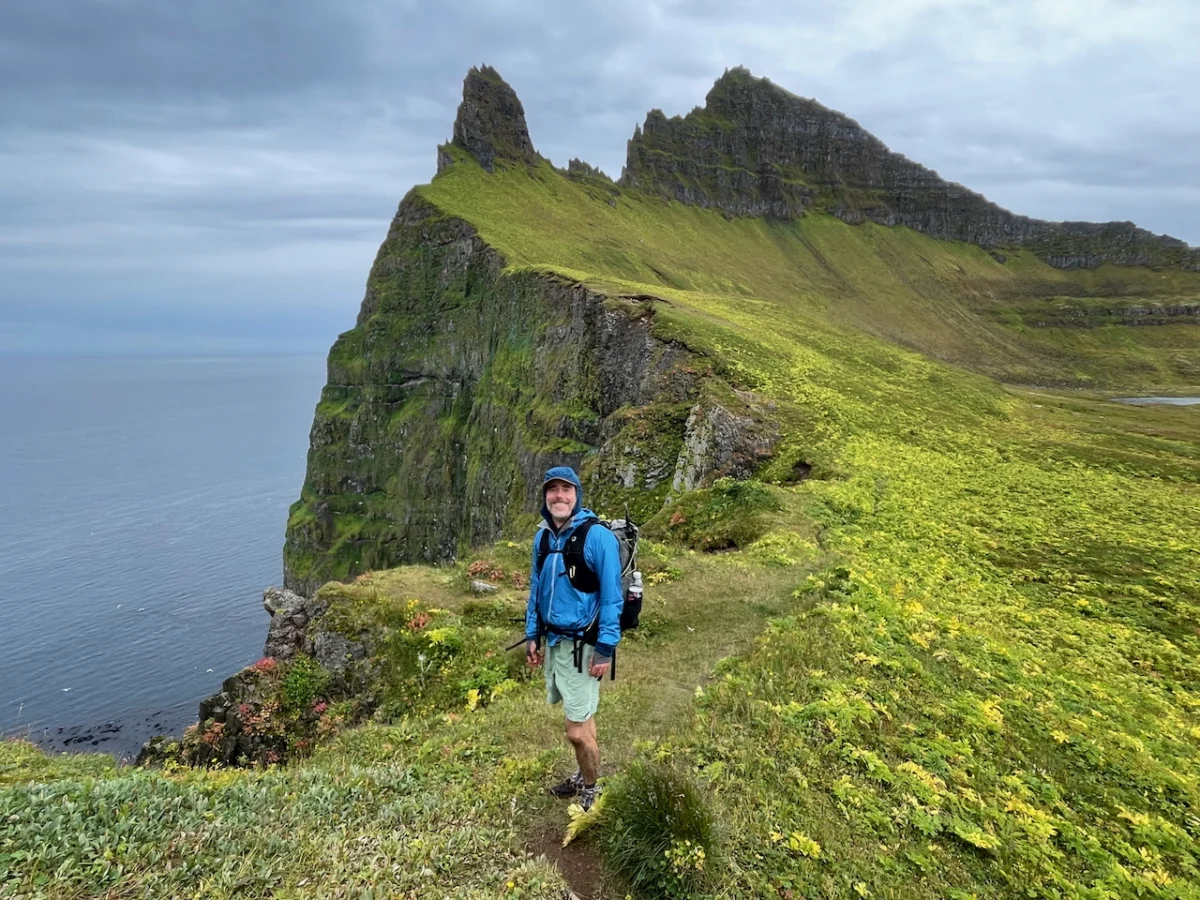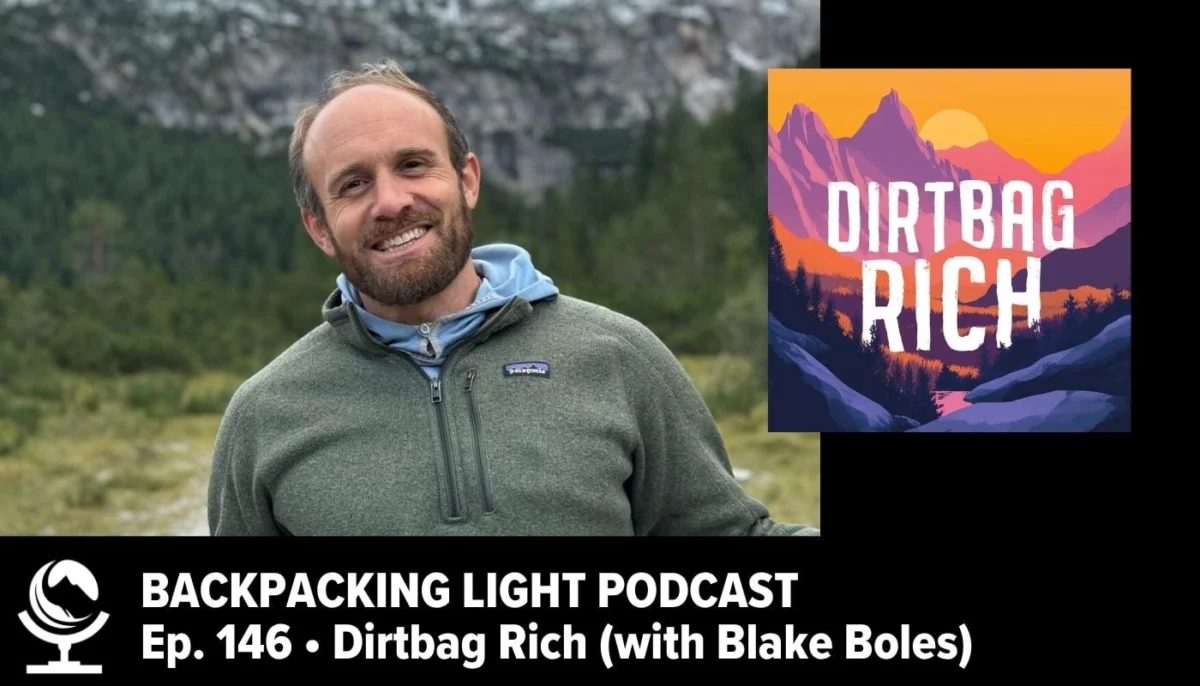
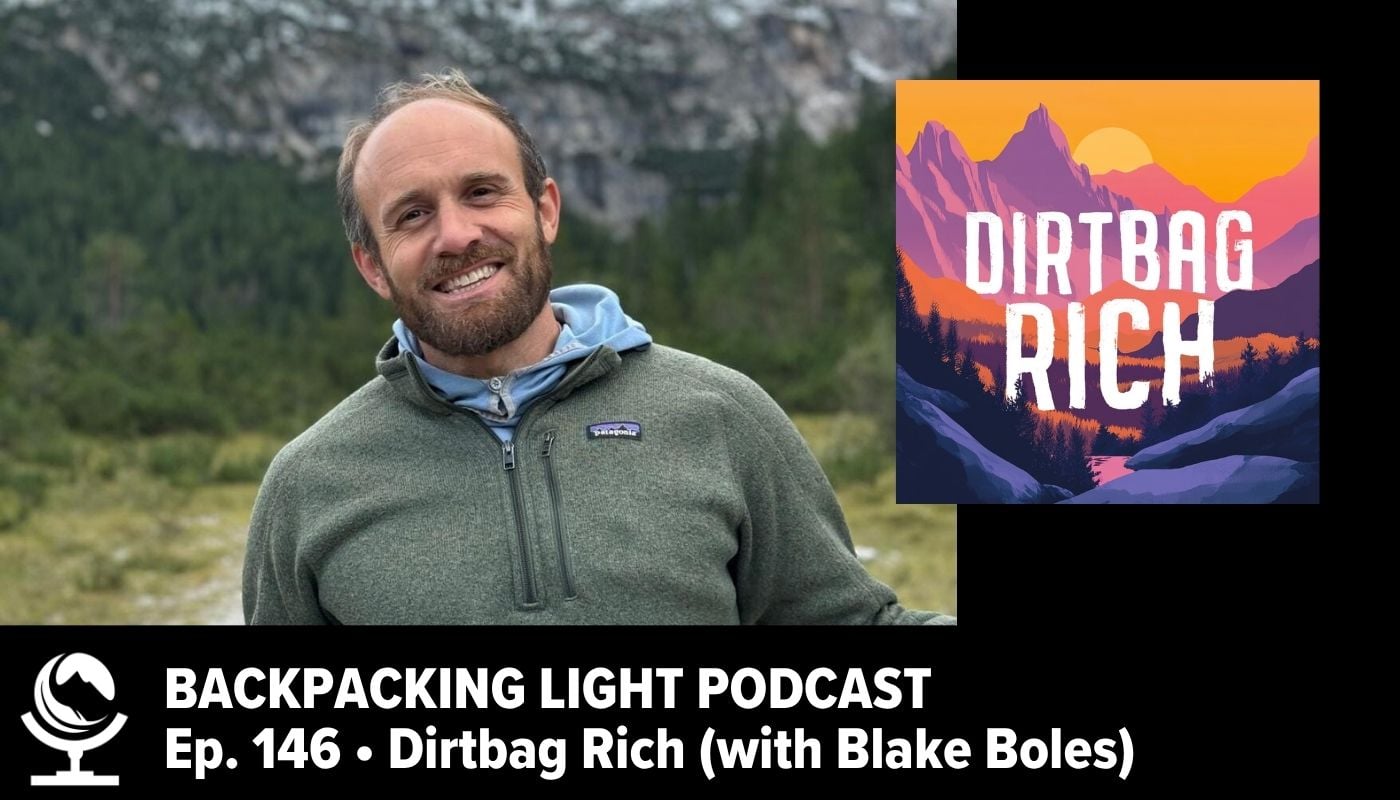
In the latest installment of the Backpacking Light podcast (Episode 146), host Ryan Jordan sits down with author Blake Boles to dissect a lifestyle that has long existed on the periphery of conventional society: the "dirtbag" life. Boles, the author of Dirtbag Rich, presents a compelling, if polarizing, argument for a radical shift in how we perceive prosperity. By prioritizing time, autonomy, and outdoor immersion over traditional career trajectories and material accumulation, Boles suggests that true wealth is not found in a bank account, but in the flexibility to live a life built around adventure.
The ensuing discussion—and the heated debate it sparked among the Backpacking Light community—highlights a fundamental tension in modern society: the clash between the security-oriented "American Dream" and the pursuit of a minimalist, experience-driven existence.
The Philosophy of "Dirtbag Rich"
At its core, the concept of being "Dirtbag Rich" is a rejection of the standard linear path: go to school, climb the corporate ladder, retire at 65, and only then enjoy the fruits of your labor. Boles argues that by stripping away the "rent monster" and minimizing non-essential consumption, individuals can reclaim their most finite resource: time.
For proponents, this lifestyle is an act of liberation. It involves working seasonal, high-intensity jobs to fund months of exploration, often utilizing public lands for housing and prioritizing physical health through constant movement. It is a philosophy that views the sedentary, consumption-heavy nature of modern life as a "plantation" that keeps individuals tethered to cycles of unnecessary work.
Chronology of a Growing Movement
While the term "dirtbag" carries a counter-cultural weight, the lineage of this lifestyle is centuries old. As observed by members of the hiking community, the desire to trade conventional stability for the wild is a tradition that spans from the Mountain Men and Henry David Thoreau to conservationist icons like John Muir and long-distance pioneer Grandma Gatewood.
However, the 2026 discourse marks a distinct evolution. The rise of the internet and the gig economy has transformed what was once a fringe, ascetic pursuit into a documented, repeatable strategy.

- Pre-2000s: The "dirtbag" was largely a social outcast or a transient seasonal worker, often forced to live in relative isolation or extreme poverty.
- 2010s: The advent of remote work and the "Van Life" trend brought the lifestyle into the mainstream, with social media glamorizing the aesthetics of living on the road.
- 2026 (The Current Era): The discussion has shifted toward structural optimization. It is no longer just about "dropping out"; it is about "hacking" the system—using strategic savings, Medicaid planning, and modern amenities like fitness center memberships for hygiene to sustain a life of perpetual travel.
Supporting Data: The Logistics of Minimalist Survival
The practical application of the dirtbag lifestyle requires a rigorous adherence to austerity. Community contributors to the Backpacking Light forums provided a roadmap for those seeking this path:
- Housing Strategy: The primary obstacle to freedom is the "rent monster." Participants recommend avoiding long-term leases, which lock in significant portions of income. Instead, they advocate for room-sharing, living out of vehicles, or utilizing vast stretches of BLM (Bureau of Land Management) and National Forest lands, which permit short-term camping.
- Financial Planning: Rather than ignoring the future, "Dirtbag Rich" proponents often focus on the minimum viable requirements for social safety nets. By working just enough to qualify for 40 quarters of Social Security and maintaining low income levels to remain eligible for Medicaid, practitioners seek to secure a baseline of healthcare and retirement support without participating in full-time, long-term employment.
- The "Minimalist Overhead": Expenses are aggressively pruned. Food is prioritized as the primary budget item, while material possessions are often kept in small, affordable storage units. Access to low-cost gym memberships provides the necessary infrastructure for basic hygiene, allowing for a nomadic lifestyle that remains socially acceptable.
Official and Community Responses: A Divided House
The interview with Boles triggered a significant divide within the community, surfacing deep-seated anxieties about ethics, social responsibility, and the nature of the "social compact."
The Critique of Self-Centeredness
Critics of the lifestyle, such as forum member Dan S., argue that the philosophy is inherently self-absorbed. "It’s all about how you can best live the life you want to live, with little consideration for others," he wrote. The argument posits that human beings are social creatures who rely on a mutual "social compact." When a large segment of the population opts out of contributing to community stability—or worse, places a burden on small, infrastructure-strained mountain towns—it can lead to social decay and tribalism.

The Defense of Autonomy
Conversely, defenders of the lifestyle view the "grind" of the American Dream as a form of societal entrapment. JAshley73, a contributor to the discussion, noted that the flexibility afforded by this lifestyle can actually be a virtue. By not being tethered to a traditional 9-to-5, individuals are often free to respond instantly to family emergencies or the needs of aging parents—a level of availability that the "locked-in" worker lacks.
The "Salesman" Dilemma
A recurring point of contention is whether a lifestyle can be "authentic" if it is packaged and sold as a product. As forum user Terran noted, "A lifestyle dependent on selling it to others is not a lifestyle; it’s a business." This highlights a tension between the original, quiet existence of the dirtbag and the modern, commodified version popularized by books, podcasts, and social media influencers.
Implications: A Sustainable Future or a Social Crisis?
The implications of a society moving toward a "Dirtbag Rich" mindset are profound and multi-faceted.

Economic Implications
If this lifestyle were to gain widespread adoption, the tax base and social security systems, which rely on a continuous stream of labor and consumption, would face significant disruption. However, as proponents point out, the reduced carbon footprint and the move away from consumer-driven excess could offer a necessary correction to the ecological costs of current American lifestyles.
Social and Emotional Health
The debate also touches on the psychological reality of the lifestyle. Some participants emphasize that the "dirtbag" life is not inherently lonely or selfish; it is a search for meaning. As Eli, a BPL member, suggested, the focus should not be on denigrating those who choose a different path, but on expanding the capacity for emotional intimacy and community connection, regardless of one’s occupation.
The Myth of the "New"
Perhaps the most grounding perspective comes from long-time enthusiasts who remind us that this is not a new phenomenon. The cyclical nature of these movements suggests that every generation will produce a cohort of people who look at the "structure" of the current era, find it wanting, and retreat into the wilderness. Whether they are called hermits, mountain men, or dirtbags, they represent a recurring desire for human autonomy.

Conclusion
The Backpacking Light episode featuring Blake Boles is more than just a conversation about hiking or travel; it is a mirror reflecting the broader anxieties of a generation. It forces us to ask: What do we owe our society? And more importantly, what do we owe ourselves?
While the "Dirtbag Rich" lifestyle may not be a sustainable model for the entire population, it serves as a powerful critique of the status quo. It challenges the assumption that wealth is measured by the accumulation of goods, suggesting instead that the ultimate luxury is the ability to walk away from the machine and spend your days, as one forum user put it, "cranking out the miles" in pursuit of a life that is truly, deeply your own. Whether this is an act of enlightened rebellion or self-centered avoidance remains a matter of perspective, but the debate itself confirms that the desire for freedom remains as vital and untamed as the landscapes these individuals seek.