Transitioning from the climate-controlled environment of an indoor climbing gym to the rugged, unpredictable nature of a destination crag is a milestone in any climber’s journey. However, the stakes in the outdoors are fundamentally different. While a gym offers padded floors, top-rope anchors, and controlled hazards, the outdoor environment demands self-reliance, rigorous safety protocols, and a deep respect for the landscape.
To thrive and survive outdoors, safety starts long before you reach the base of a route—it begins the moment you buckle your seatbelt. Whether you are driving an hour to a local crag or embarking on a cross-country expedition, the journey to the wall is the most statistically dangerous part of your trip.
The Foundation: Safety Begins on the Road
It is a common oversight to compartmentalize "climbing safety" as something that only occurs once the harness is on. However, the transition from the gym to the crag involves significant travel. According to the National Highway Traffic Safety Administration (NHTSA), the simple act of wearing a seat belt remains the single most effective way to prevent injury and death in the event of a vehicle collision.
When packing for a climbing trip, ensure that heavy gear—such as crash pads, rack bags, and rope buckets—is properly secured. In the event of a sudden stop, unsecured gear can become a dangerous projectile. By prioritizing road safety, you ensure that you arrive at your destination with the physical and mental clarity required to perform complex safety checks at the cliff.
Chronology of a Safe Crag Day: A Step-by-Step Approach
Successfully navigating an outdoor climbing day requires a structured approach. Breaking your day into distinct phases helps minimize the "rush" that often leads to complacency.
Phase 1: The Approach and Assessment
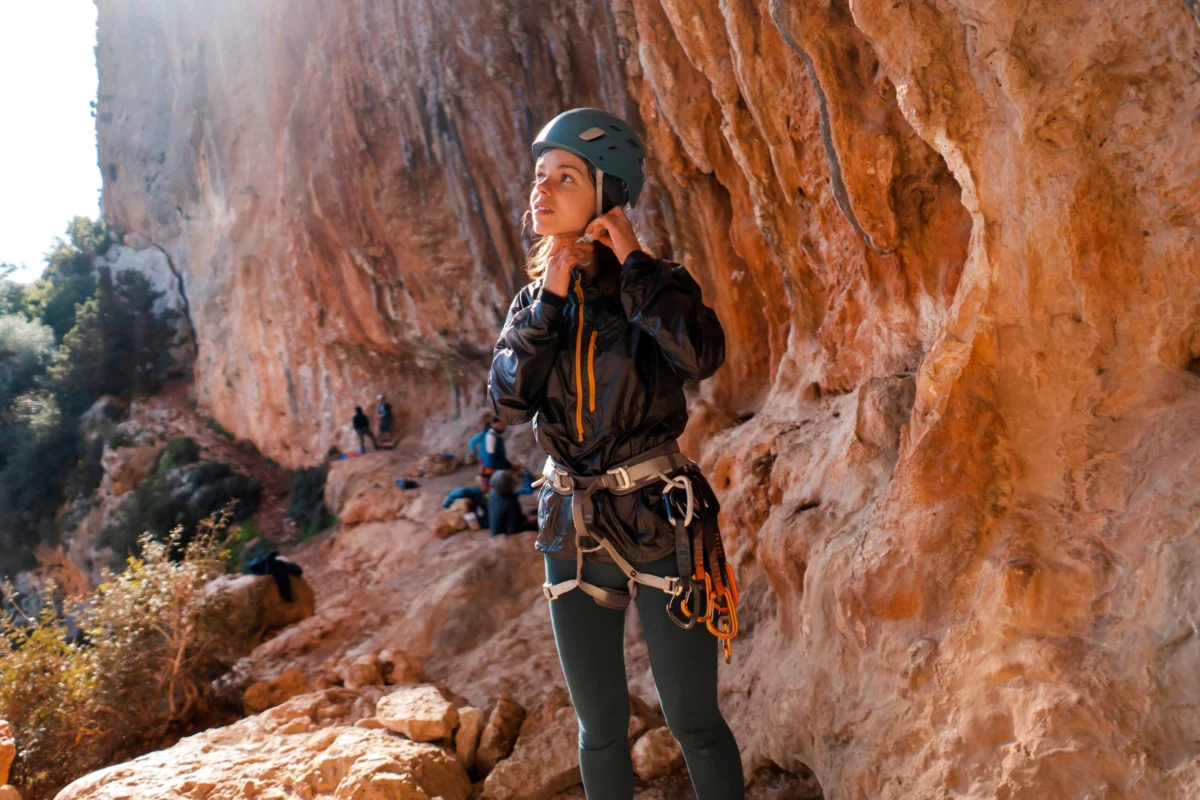
Before you touch the rock, take a moment to assess the environment. Is there loose rock above the base of the climb? Are there other parties nearby who might knock debris down? This is the time to don your helmet. Even if you are just hanging out at the base, an errant pebble or a dropped piece of gear from a climber above can result in a serious injury.
Phase 2: The Pre-Flight Checklist
Outdoor settings are rife with distractions—scenery, conversation, and wildlife. This is when the most common accidents occur.

- The Double-Check: Before a climber leaves the ground, the belayer must visually inspect the climber’s knot and harness, and the climber must verify the belay device setup.
- The Fist Bump: This serves as a ritualistic mental reset, signaling that both parties have completed their checks and are ready to commit.
Phase 3: During the Ascent
Communication is the primary safety net. When wind, distance, or route features obscure your ability to speak, you must have a pre-established system of rope tugs. For example, three sharp tugs on the rope can serve as a universal sign for "lower," preventing confusion at the anchor.
Phase 4: The Crucial Descent
Statistics indicate that a high percentage of "crag-idents" occur during the transition at the anchor. It is vital to master the art of cleaning sport anchors—the process of threading the rope through the permanent rings at the top—without ever untying yourself from the safety of the system. Practice this at the gym, close to the ground, until the muscle memory is flawless.
Supporting Data: Why Best Practices Matter
The shift to outdoor climbing introduces variables that simply don’t exist in the gym. Understanding these risks is the first step toward mitigation.
The Physics of the "Whipper"
In the gym, wall surfaces are consistent. Outdoors, you must account for "ledges" and "features" that can cause a climber to collide with the rock during a fall. As a lead belayer, you must stand close to the wall—not just to keep the rope out of the dirt, but to prevent the climber from swinging into terrain. When spotting, remember the "spoons, not forks" rule: keep your fingers together and your palms cupped to effectively absorb the impact of a falling climber without risking finger injury.
The "Knot Your Ends" Protocol
One of the most avoidable tragedies in climbing is the "rope-end accident," where a climber is lowered off the end of a rope that is too short for the route. By tying a distinct barrel knot in the end of your rope, you provide a physical stopper that prevents the rope from zipping through the belay device. It is a simple, five-second task that provides a critical margin of safety.
Official Perspectives and Ethics: The Code of Conduct
Climbing is a communal activity, and the crag is a shared resource. Being a "good steward" is as much about your impact on the community as it is about your safety.
Managing the Crag Environment
- Leash the Pup: While many climbers enjoy bringing their dogs, an unleashed dog can easily trip a belayer or wander into a "fall zone." Always secure your pet at a distance from the base.
- Acoustic Etiquette: The natural amphitheater of a canyon can amplify sound. What sounds like a fun playlist to you may be a significant distraction to a climber focused on a high-consequence move. Always ask nearby parties if they mind music before turning it on.
- Sharing the Wall: Popular crags can get crowded. If a group is waiting, offer to let them "work in" on your rope or shorten your session to ensure everyone gets a turn.
The Ethics of Exploration
"Respect the local ethic" is a mantra repeated by experienced climbers worldwide. This refers to the specific rules of a climbing area: some crags prohibit certain types of chalk, some forbid specific bolting styles, and others have seasonal closures to protect nesting birds or indigenous sites. Before traveling to a new area, consult a guidebook or local climbing organization (LCO).

Implications: Building a Sustainable Climbing Future
The future of outdoor climbing depends on the current generation of beginners. Every time a climber leaves a mess, ignores local closure signs, or fails to prioritize safety, they jeopardize the access for everyone else.
Leave No Trace
In fragile ecosystems, particularly in alpine or desert environments, human waste is a major issue. Because these environments often lack the moisture and microbial activity required for rapid decomposition, you must "pack it out." Using a "Wag Bag" (waste alleviation and gelling bag) is the gold standard for maintaining the integrity of these beautiful, yet sensitive, landscapes.
The "Safety Detail" Mindset
Ultimately, transitioning to outdoor climbing is an invitation to accept responsibility. It is a transition from being a consumer of a service (the gym) to being an active participant in a high-risk, high-reward pursuit.
As you move forward in your climbing career, remember that the most successful climbers are not necessarily those who send the hardest routes, but those who maintain their equipment, respect the land, and return home safely to climb another day. Whether it’s double-checking your knots, wearing your helmet, or ensuring your seat belt is clicked before you leave the trailhead, the small details are what allow you to continue the pursuit for a lifetime.
For more in-depth training on climbing safety and environmental ethics, explore "The Safety Detail," our comprehensive film series and activity guide designed to help you survive and thrive in the great outdoors.
This article is brought to you in partnership with the National Highway Traffic Safety Administration (NHTSA). Remember: Click It or Ticket—every trip, every time.