By Editorial Staff
As the calendar turned to 2026, a quiet but profound challenge began to circulate among the adventure community: the "Year of Doing Hard Things." Spearheaded by Stephen Casimiro, founder and editor of Adventure Journal, the initiative serves as a litmus test for modern life—an attempt to reconcile the desire for physical and mental growth with the rigid constraints of professional and personal responsibilities.
In a world increasingly dominated by digital convenience and sedentary comfort, the movement asks a simple, piercing question: What does it mean to choose difficulty intentionally?
The Genesis of the "Hard Things" Philosophy
The concept originated from a personal audit of priorities. Late last year, Casimiro began drafting an ambitious roadmap for the coming 12 months. His initial vision was aggressive: a major "hard thing" to be completed every single month. The list was extensive, encompassing high-altitude mountaineering, long-distance wilderness treks, and rigorous physical endurance tests.
However, as the planning phase collided with the reality of a modern, professional existence, the limitations of the "full-time adventurer" archetype became clear. Casimiro noted that while he maintains friendships with professional athletes who dedicate their lives to extreme pursuits, his own existence—like that of most readers—is tethered to family, work, and community obligations.
"My adventures—and my hard things—have to fit within the context of my relationships and prior commitments, the same as yours," Casimiro wrote in his New Year editorial. This realization did not lead to a abandonment of the project, but rather a necessary recalibration.
A Chronology of Intentionality
The transformation of the project from a series of disparate, extreme feats to a singular, cohesive goal represents a shift from "performance" to "practice."
- Q4 2025: Conceptualization. The initial brainstorming phase, characterized by an exhaustive list of potential physical and intellectual challenges.
- January 2026: The Reality Check. A critical assessment of time-management, financial constraints, and interpersonal obligations.
- January 2026: The Pivot. The rejection of the "one-off" extreme challenge in favor of a sustained, year-long commitment.
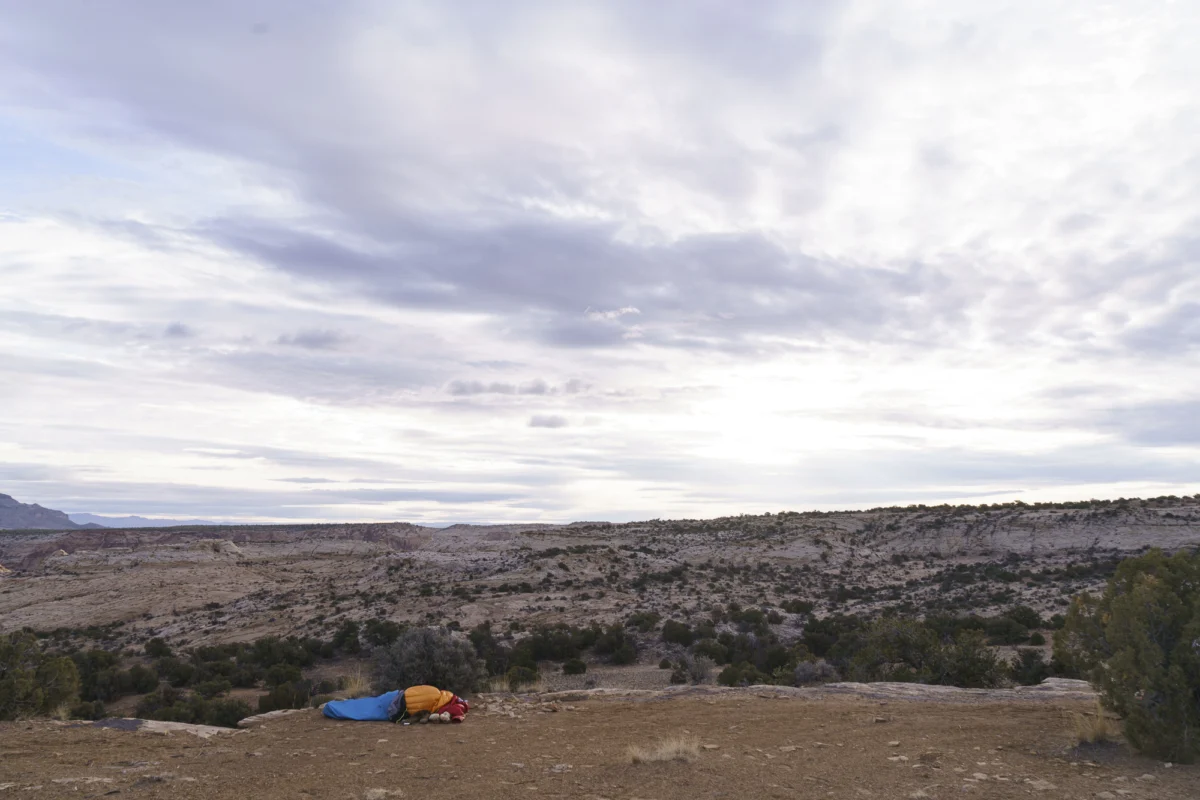
- The 2026 Horizon: The execution phase, centered on the goal of spending 100 nights sleeping under the stars.
This chronology highlights a common trap in personal goal-setting: the "all or nothing" fallacy. By moving away from the pressure of monthly milestones, the initiative gained a sustainable rhythm.
Supporting Data: The Value of Micro-Adventures and Consistency
The decision to commit to 100 nights outdoors is not merely a hobby; it is a calculated effort to foster deep connection with the natural world. While skeptics—including Casimiro’s own wife—might argue that sleeping outside is "fun" rather than "hard," the data suggests that consistency is a far greater predictor of psychological growth than intensity.
The Psychology of "Inertia"
Psychologists have long identified "the activation energy" of a task as the primary barrier to completion. For many, the hardest part of a physical challenge is not the sweat or the strain of the climb, but the inertia of the couch.
By committing to 100 nights, Casimiro is effectively combatting the "friction" of daily life. The goal requires:
- Preparation: Organizing gear, monitoring weather, and planning locations.
- Execution: Committing to the commute, even on workdays or during poor weather.
- Reflection: Sustained time in nature leads to higher levels of cognitive restoration and reduced cortisol levels, according to environmental psychology studies.
Defining "Hard"
For the average professional, "hard" is no longer defined by the height of the mountain, but by the difficulty of integration. The challenge lies in maintaining a commitment to personal growth while balancing the demands of a professional career and family life.
Perspectives and Official Commentary
"The hardest thing, I believe, is not whether you push on when you feel like quitting. It’s overcoming inertia and starting in the first place," says Casimiro.
This perspective resonates across the broader adventure community. The ethos of the Adventure Journal has always been rooted in the "analog" experience—the tactile, the real, and the raw. By encouraging readers to define their own version of "hard," the editorial team is shifting the goalposts away from social media optics and toward personal transformation.
There is an implicit critique here of the "influencer" culture, which often presents adventure as a curated, high-stakes spectacle. In contrast, the "100 Nights" approach is accessible, iterative, and deeply grounded. It allows for a spectrum of engagement: for some, it might mean backyard camping; for others, it might mean alpine bivy-sacks. The common denominator is the removal of the roof.
The Implications: Why It Matters
The implications of this initiative reach far beyond individual fitness. As we navigate a decade marked by rapid technological change, the act of "doing hard things" serves as a form of resistance.
1. Reclaiming Time and Presence
When you commit to sleeping outside 100 nights a year, you are inherently reclaiming your time from the digital sphere. The logistical requirements of such a goal force a prioritization of the physical world over the virtual.
2. The Democratization of Adventure
By scaling back from extreme, elite-level goals to manageable, consistent habits, the movement becomes democratized. It proves that adventure is not a product of wealth or status, but a product of intent. You do not need to be a professional climber to live a life of exploration; you only need to be willing to sleep on the ground for a third of the year.
3. Strengthening Resilience
Resilience is a muscle that must be trained. By choosing a goal that is intentionally difficult but achievable, participants build the capacity to handle life’s unforeseen challenges. The weather will be bad on some of those 100 nights. You will be tired on others. Working through those moments builds a baseline of grit that translates into professional and personal life.
Conclusion: How to Start Your Own "Hard Thing"
As we move through 2026, the invitation from the Adventure Journal remains open. The goal is not to copy the "100 nights" model, but to adopt the mindset that birthed it. To embark on your own path, consider the following framework:
- Audit Your Commitments: Be honest about your time. What can you actually accomplish without burning out?
- Identify Your "True" Goal: Is it physical growth? Is it solitude? Is it mastery of a skill?
- Eliminate the Inertia: Define a recurring, actionable task that you can repeat throughout the year.
- Commit Publicly: Sharing your goals—as Casimiro has done—creates a layer of accountability that makes it harder to quit when the initial excitement fades.
We only get one go-round in these bodies. Whether your "hard thing" involves climbing, writing, learning, or simply spending more time in the quiet dark of the wilderness, the time to begin is now. The inertia of the status quo is the only thing standing between you and the version of yourself you hope to become.
Stephen Casimiro is the Founder and Editor of Adventure Journal. His ongoing chronicle of his 2026 goal serves as a reminder that the most significant adventures are often the ones we make for ourselves, within the humble limits of our daily lives.