For over two decades, the name "Skullcandy" has evoked a specific image: neon-colored earbuds dangling from the ears of snowboarders on chairlifts, budget-friendly hardware found in the clearance bins of big-box retailers, and a sound profile that prioritized chest-rattling bass over sonic clarity. While the brand successfully cultivated a loyal following within the action sports community, it has long struggled to shake a reputation for lackluster audio performance.
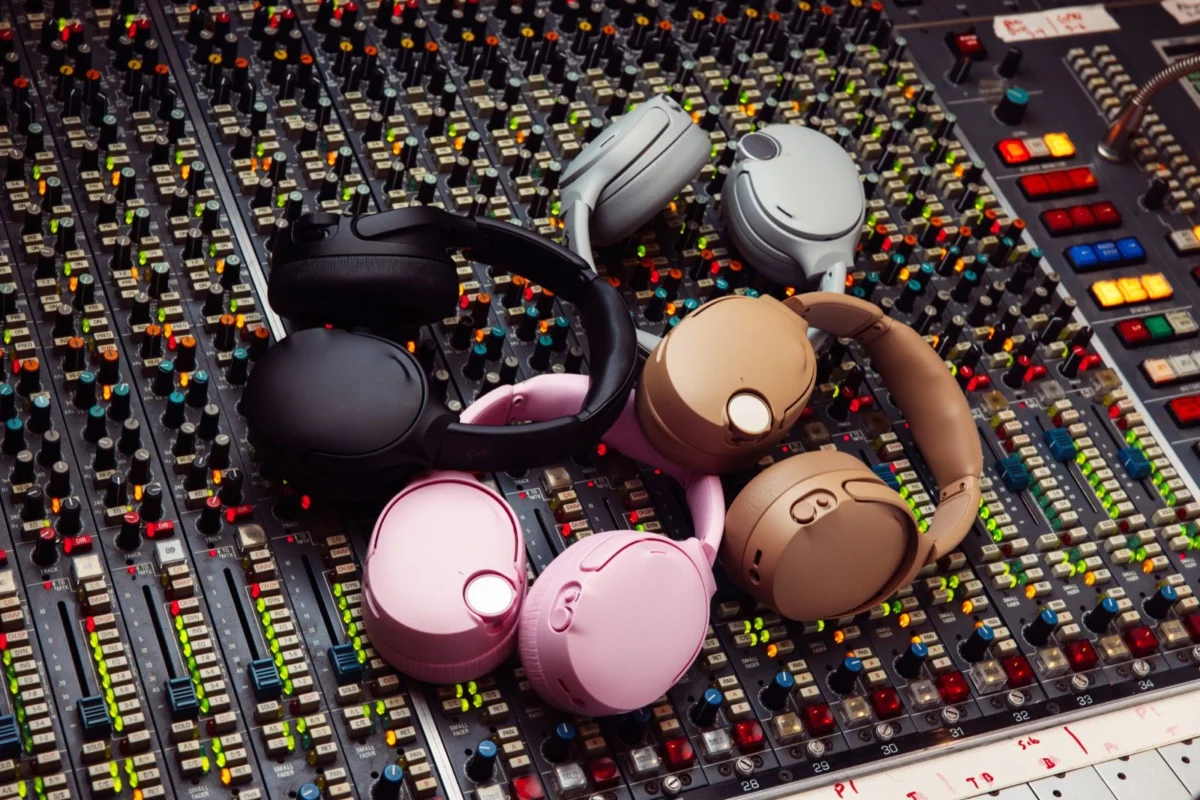
However, the tide is turning. In a strategic maneuver that bridges the gap between lifestyle branding and high-fidelity engineering, Skullcandy is executing an aggressive "brand-reinvention" mission. The latest manifestation of this pivot is the launch of the Crusher 1080 ANC, a flagship set of wireless headphones that seeks to marry the brand’s signature, bone-shaking bass with the sophisticated acoustic expertise of audio titan Bose.
The Evolution of the Crusher: A Decade of Rumble
To understand the significance of the Crusher 1080 ANC, one must look at the lineage of the "Crusher" series. For more than ten years, these headphones have occupied a unique, albeit polarizing, niche in the market. They are defined by a physical thumb wheel on the ear cup, which allows users to modulate the intensity of internal vibration drivers.
In previous iterations, cranking the wheel to the maximum setting delivered a visceral, subwoofer-like experience that made listeners feel as though they were standing in the front row of a stadium concert. The trade-off, however, was historically significant: the extreme low-end vibrations often overwhelmed the mid-range and high-end frequencies, resulting in a muddy, unbalanced sound profile that alienated serious music listeners.
The Crusher 1080 ANC, unveiled during a high-profile event in New York City this Wednesday, represents the company’s most ambitious attempt to solve this "bass vs. clarity" paradox. By integrating Bose’s proprietary audio technologies, Skullcandy is aiming to prove that you can have your bass and hear your music clearly, too.

A Strategic Alliance: The "Sound by Bose" Initiative
The partnership between Skullcandy and Bose, which began in 2025, is the cornerstone of this transformation. The collaboration was first tested with the release of the Skullcandy Method 360 ANC—a $130 pair of wireless earbuds that garnered surprising praise for their balanced sound and effective noise cancellation.
According to Brian Garofalow, CEO of Skullcandy, the engineering challenge of the Crusher 1080 ANC was immense. "We’ve been really, really great at community building and nurturing and helping push cultures forward—not the greatest at the engineering part of innovation with products," Garofalow admitted to WIRED. "So, we’ve really been honing our chops in the last few years."
To solve the acoustic muddying of the past, the team worked closely with Bose engineers to decouple the Crusher’s proprietary bass-boosting drivers from the primary acoustic tuning profile. In theory, this allows the low-end frequencies to vibrate independently, leaving the mids and highs sharp and articulate even when the bass dial is set to its highest intensity.
Furthermore, the "Sound by Bose" program brings three critical upgrades to the new Crusher 1080 ANC:
- Advanced Active Noise Cancellation (ANC): A system designed to remain effective even while the bass drivers are operating at maximum capacity.
- Spatial Audio Integration: A Bose-developed profile that provides a wider, more immersive soundstage.
- Six-Microphone Array: Leveraging Bose’s industry-leading microphone technology to provide superior voice isolation for phone calls.
Market Positioning and Price Ethics
In a market saturated with high-end options from Sony, Apple, and Bose—and even niche newcomers like Daisy—Skullcandy is holding firm to its identity as an accessible, youth-oriented brand. The Crusher 1080 ANC will retail for $280. While this is a "premium" price for the brand, it sits comfortably below the $350 to $500 threshold often demanded by top-tier flagships.
.jpg)
This pricing strategy is intentional. Skullcandy wants to provide professional-grade features—such as Bluetooth 5.3 with multipoint pairing, 60 hours of battery life (50 with ANC engaged), and rapid-charging capabilities (10 minutes for 4 hours of playback)—without abandoning the "from snowboarders, for snowboarders" ethos that has defined them since their 2003 founding in Park City, Utah.
Chronology of the Turnaround
The road to this moment has been paved with several years of internal restructuring:
- 2003: Skullcandy is founded, quickly becoming the go-to brand for the action sports community.
- 2011: Early critiques, such as those published in WIRED, highlight the company’s struggle to balance "cool factor" with acoustic quality.
- 2020s: With the rise of "true wireless" earbuds like the Apple AirPods, Skullcandy loses market share as consumers prioritize connectivity and call quality.
- 2025: The Bose partnership is finalized. The Method 360 ANC launches, capturing a reported 20% of the $75–$100 earbud market.
- 2026: The Crusher 1080 ANC debuts, signaling the company’s intent to compete in the premium, feature-heavy ANC market.
The Future of Audio: Is More Tech Always Better?
The headphone industry is currently in a state of rapid experimentation. Major players are testing AI-driven features, such as Apple’s rumored integrated cameras for Siri, and even brain-scanning sensors designed to monitor user focus. When asked if Skullcandy would join this race toward "radical gizmos," Garofalow remained coy but optimistic. "When we’re talking about future-facing technology, I’m not going to share any of that, but I will say yes to all," he stated. "You’ll see some very cool stuff coming out from us."
Implications for the Industry
The success of the Crusher 1080 ANC will serve as a bellwether for the brand’s future. If the integration of Bose’s engineering can successfully elevate the "Crusher" experience without stripping away the brand’s unique, bass-heavy identity, Skullcandy may successfully transition from a "lifestyle" brand to a legitimate player in the audiophile space.
However, the company faces an uphill battle. Audiophile loyalty is notoriously difficult to win, and once a brand is branded as "lackluster," it often takes years of consistent, high-performing releases to shed that label. The Crusher 1080 ANC is undoubtedly the most convincing argument the company has made to date, but whether it is enough to convert the skeptics remains to be seen.
.jpg)
For the consumer, the implications are clear: the divide between "fun" headphones and "good" headphones is narrowing. As technology becomes more commoditized and collaborations between niche brands and industry giants become more common, the average listener is poised to benefit from better sound, more features, and more competitive pricing. Skullcandy’s attempt to reclaim its reputation is not just a company milestone; it is a reflection of a broader industry trend where the marriage of culture and precision engineering is no longer optional, but essential for survival.
As the Crusher 1080 ANC hits shelves, it does so with the weight of a decade’s worth of criticism on its shoulders. If it succeeds, it will mark the end of the "lackluster" era. If it fails, it may be the final proof that for some brands, the culture is the product—and the sound is merely secondary. But for now, Skullcandy is betting everything on the idea that they have finally found the perfect balance between the vibration of the chairlift and the clarity of the concert hall.