Introduction: The Unsung Heroes of the Early Summer Meadow
As the solstice sun reaches its zenith, the Finnish and Baltic landscapes undergo a subtle, yet profound transformation. Amidst the lush greens of mid-June, two botanical protagonists—the columbine (Aquilegia) and the common daisy (Bellis perennis)—take center stage. These flowers, often overlooked in favor of more exotic horticultural varieties, represent a bridge between traditional garden aesthetics and the wild, untamed beauty of natural meadows.
In a recent dispatch from the field, naturalist Samuli Haapasalo highlights these species as symbols of botanical endurance. Their presence in the landscape is not merely ornamental; it is a testament to the resilience of heritage plants that have graced our gardens and fields for centuries, weathering the passage of time and the shifting trends of landscape architecture.
Main Facts: Etymology and Botanical Characteristics
The Eagle’s Claw: Understanding the Columbine
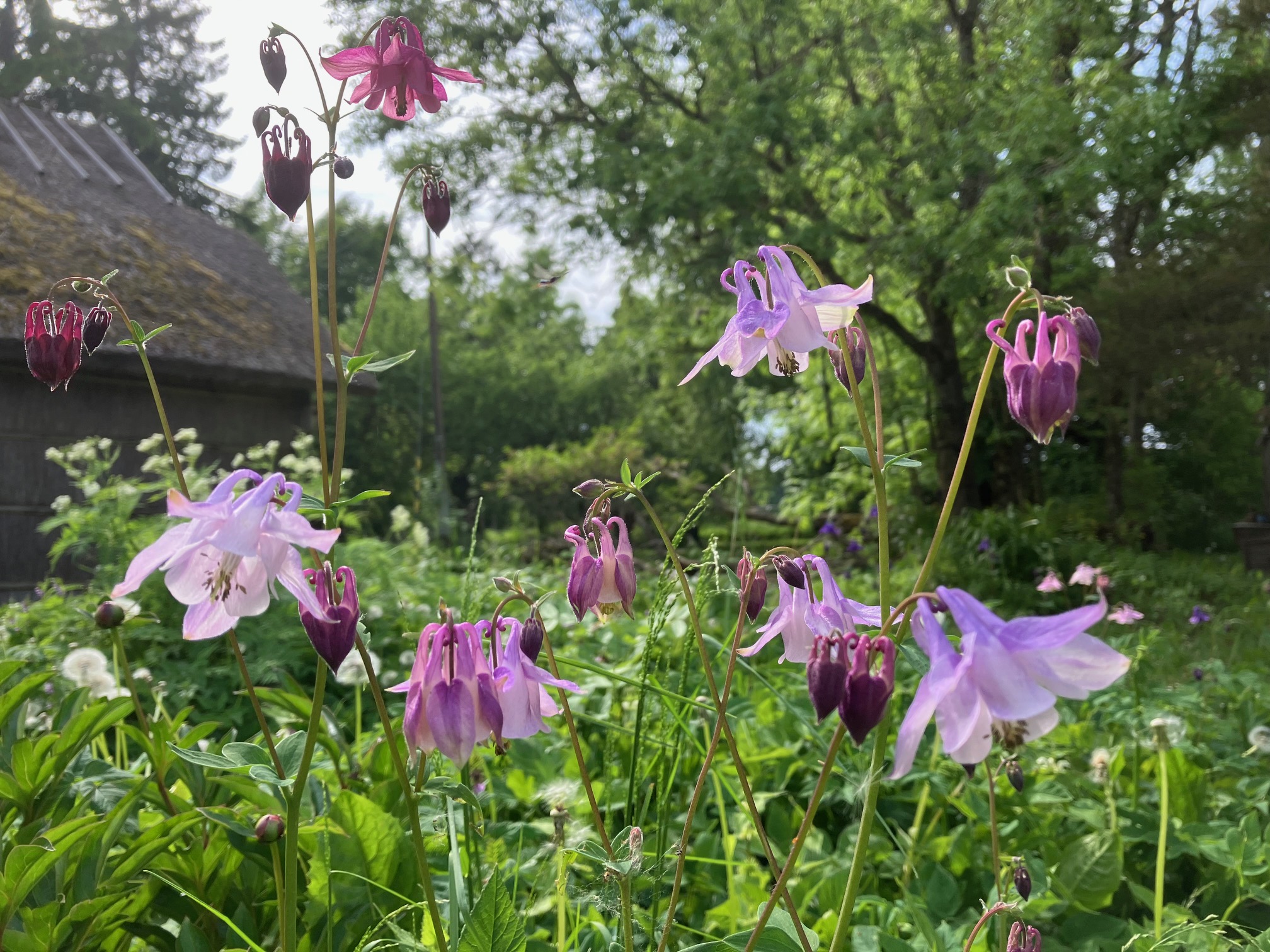
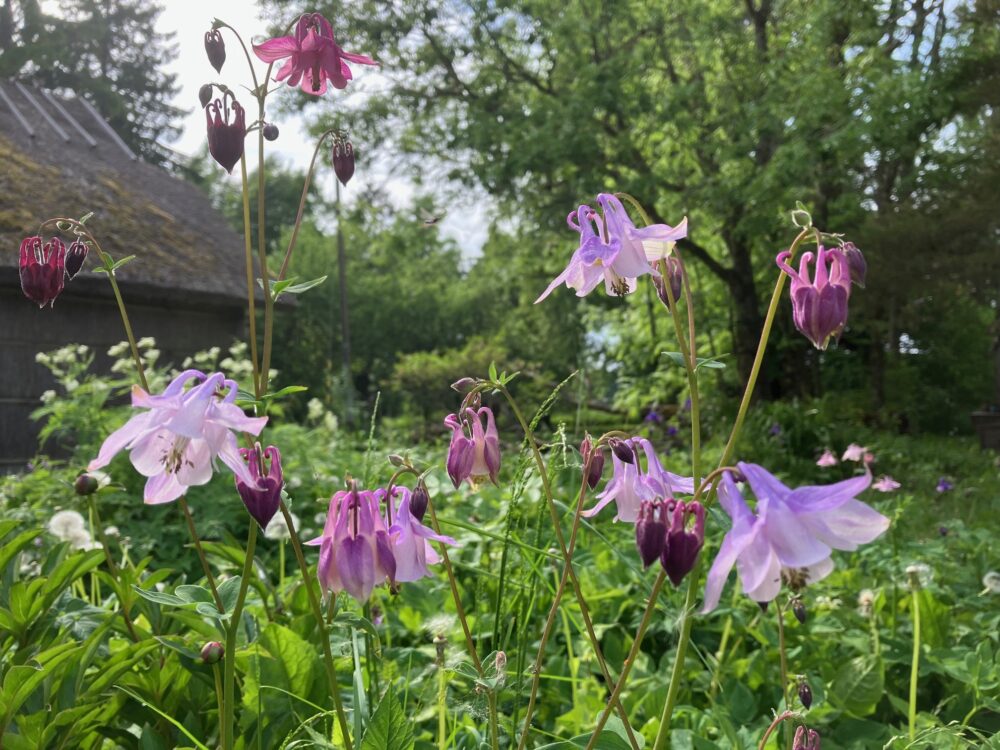
The common columbine (Aquilegia) derives its name from the Latin Aquila, meaning "eagle." This naming convention is far from arbitrary. Upon close inspection, the flower’s unique spur structure bears a striking resemblance to the sharp, curved talons of an eagle.
Botanically, the Aquilegia is a perennial that thrives in varying conditions, though it prefers well-drained, slightly drier soils. Its structural complexity makes it a masterpiece of evolutionary engineering, designed specifically to attract pollinators like bumblebees and hummingbirds, which have the tongue length necessary to reach the nectar hidden deep within the curved spurs.
The Thousands of Beauties: The Daisy
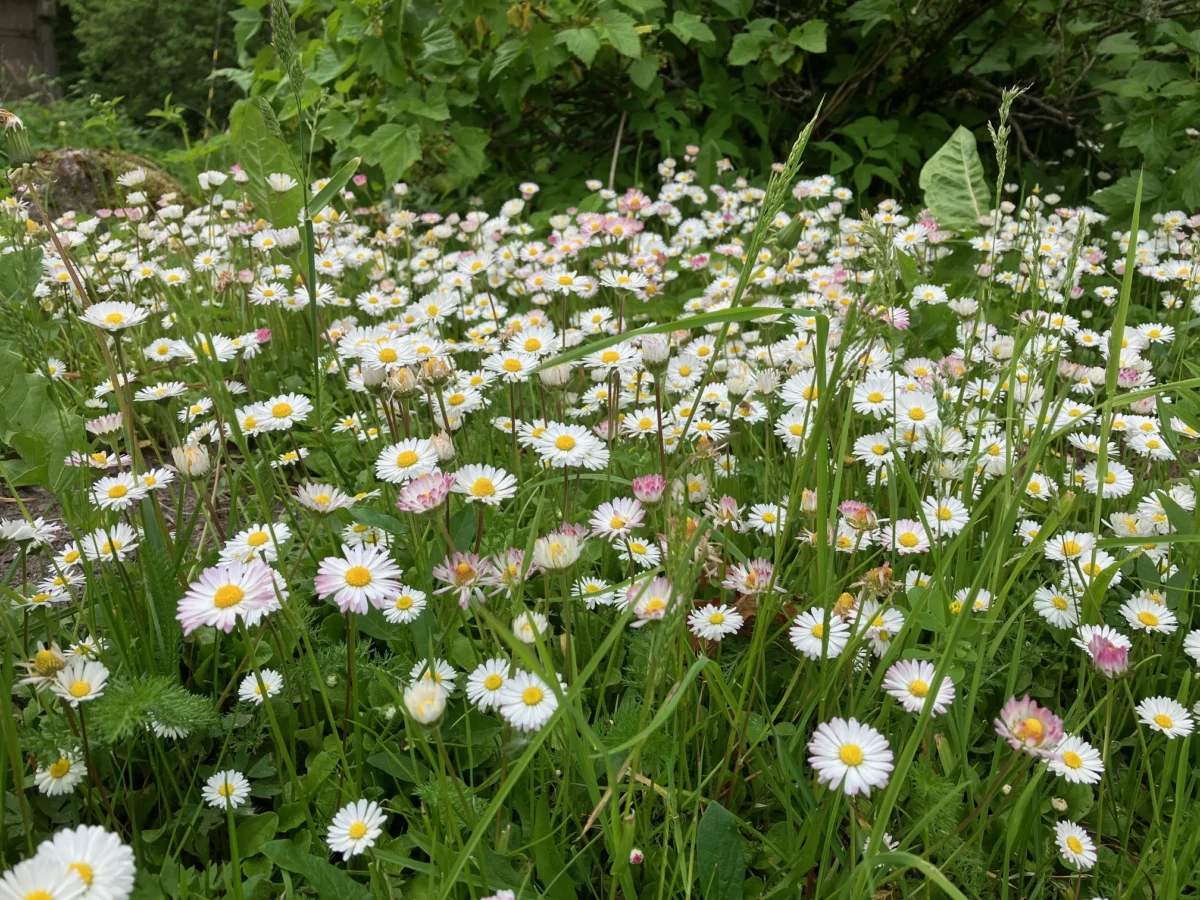
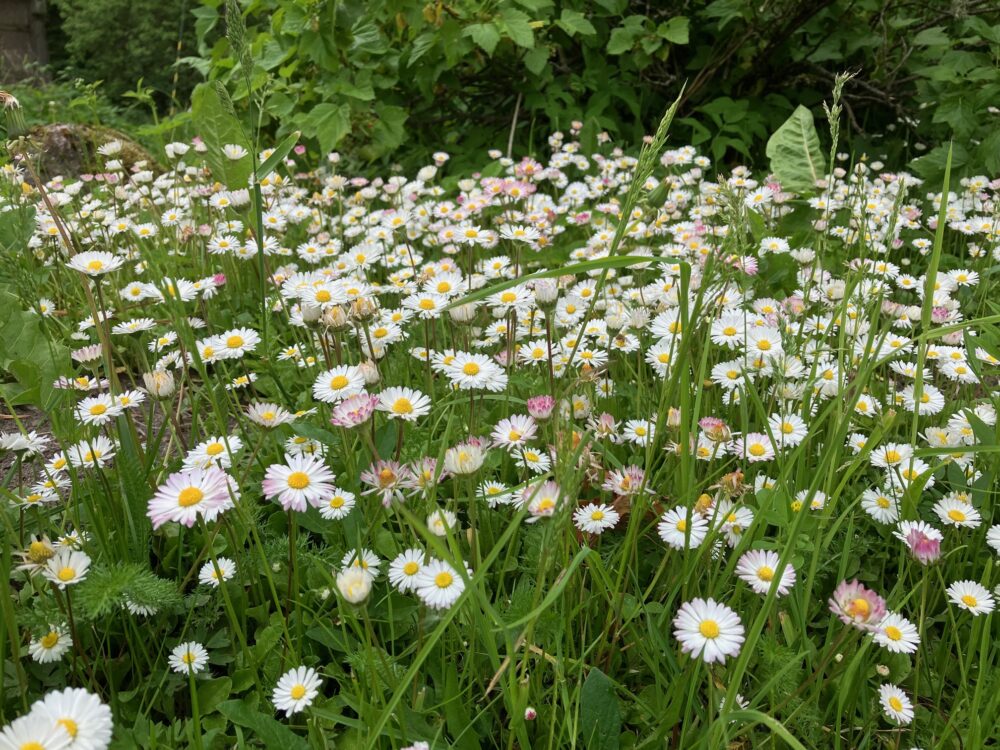
In contrast, the common daisy (Bellis perennis)—often referred to by the local name tuhatkauno or "thousand beauties"—lives up to its moniker. A single meadow can host thousands of these resilient flowers. The genus name Bellis hints at its simple, understated elegance. Unlike the columbine, the daisy is a prolific bloomer, often gracing the landscape from early spring well into the autumn months, providing a consistent food source for pollinators and a visual anchor for the observer.
Chronology: A Seasonal Rhythm
The blooming cycle of these two species provides a rhythmic heartbeat to the early summer season.
- Early June: The peak bloom begins. The columbine emerges in perennial beds, while the daisies blanket the meadows.
- Mid-June: The overlap phase. Both species reach their maximum visual density. This is the optimal time for naturalists and gardeners to observe the symbiotic relationship between these plants and local insect populations.
- Late June: While the columbine’s bloom begins to wane, the daisy continues its persistent display, serving as a constant in the garden until the first frosts.
- Post-Summer: The legacy of these plants continues through seed dispersal. The columbine, in particular, is noted for its ability to persist in abandoned homesteads for decades, a botanical ghost of a bygone era.
Supporting Data: Habitat and Environmental Preferences
Soil and Sunlight Requirements
For those looking to cultivate these species, understanding their environmental preferences is paramount:
| Plant | Soil Preference | Light Exposure | Longevity |
|---|---|---|---|
| Columbine | Dry to medium, well-drained | Full sun to partial shade | High (Perennial) |
| Daisy | Moist, fertile meadows | Full sun | High (Perennial) |
The Role of Meadow Management
The key to maintaining a vibrant display of these flowers lies in the management of the "natural meadow." By timing the mowing of one’s property, one can encourage a staggered bloom. Rather than treating the lawn as a monoculture, allowing sections of the yard to grow wild permits the daisy and columbine to cycle through their reproductive phases naturally. This practice, often seen in the rural landscape of Estonia, serves as a model for sustainable gardening.
Official Perspectives: Lessons from the Baltic
In Estonia, the intersection of human habitation and natural biodiversity is particularly striking. Estonian gardens, while meticulously maintained, often incorporate "wild corners" that allow native species to thrive. This approach challenges the modern, sterile aesthetic of the manicured lawn.
Experts suggest that the success of these plants in Baltic landscapes is due to a cultural emphasis on "naturalized beauty." By observing the Estonian approach, where biodiversity is treated as a component of property value rather than a nuisance, we can learn to integrate these heritage species back into our own garden designs. The columbine, specifically, acts as an indicator of a landscape that has been allowed to breathe and evolve over decades.
Implications: Biodiversity and Toxicological Considerations
Promoting Biodiversity
The primary implication of fostering these species is the immediate benefit to local pollinator populations. As native bees and butterflies face increasing pressure from habitat loss, the presence of long-blooming perennials like the daisy provides a "refueling station" that is vital for survival.
Toxicological Caution
While Aquilegia is a delight to the eye, it carries a warning: its seeds are toxic. Gardeners, especially those with small children or pets, should handle these plants with awareness. This does not preclude their use, but it does necessitate informed placement within the garden—perhaps in deeper borders or behind lower-growing, non-toxic plants.
The "Ghost" of the Homestead
One of the most evocative aspects of the columbine is its historical endurance. Haapasalo notes that he has photographed columbines in abandoned homesteads where the original residents left in the 1960s. These flowers continue to bloom in the absence of human care, reclaiming the space and serving as living historical markers. This "botanical memory" underscores the importance of heritage planting; these are not merely seasonal decorations, but long-term occupants of the land.
Future Outlook: Integrating Heritage into Modern Landscapes
The trend toward "rewilding" gardens is not just a passing fad—it is an ecological necessity. As we move further into the 21st century, the ability to cultivate plants that are both aesthetically pleasing and ecologically significant will become a hallmark of responsible stewardship.
- Seed Propagation: The columbine is exceptionally easy to propagate from seed. By collecting seeds from local, established plants, gardeners can help maintain the genetic diversity of the local flora.
- Strategic Mowing: As mentioned, shifting the schedule of garden maintenance to allow for the lifecycle of the daisy can turn a barren lawn into a thriving meadow.
- Educational Outreach: By labeling or identifying these plants for visitors, homeowners can help shift public perception from seeing these as "weeds" to recognizing them as vital components of a healthy ecosystem.
Conclusion: A Call to Action
The beauty of the columbine and the daisy lies in their simplicity and their ability to anchor us to the rhythm of the seasons. Whether in a curated perennial bed or a wild, untamed corner of a meadow, these plants offer a profound sense of continuity.
As we look toward the future of our gardens, perhaps the greatest lesson we can learn from our neighbors in Estonia and from the resilient, self-seeding nature of the Aquilegia is this: nature thrives when we give it the space to do so. By fostering these heritage species, we do not just decorate our yards; we contribute to the vital, ongoing story of the natural world.
The next time you walk through your garden, look closely at the meadow flowers. You may find that the "thousand beauties" are doing far more than just looking pretty—they are anchoring the landscape, supporting the pollinators, and reminding us of the enduring power of the wild.