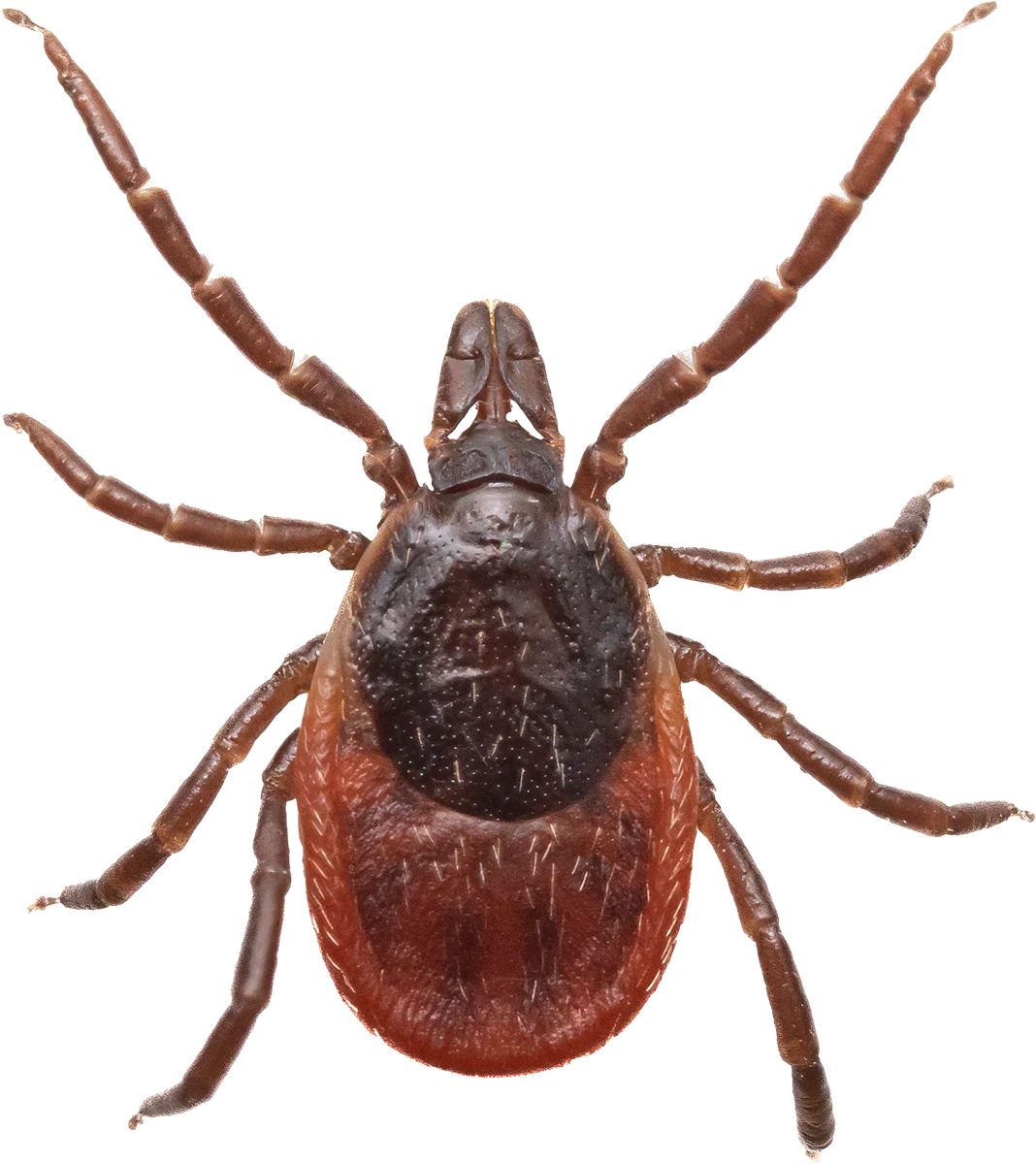
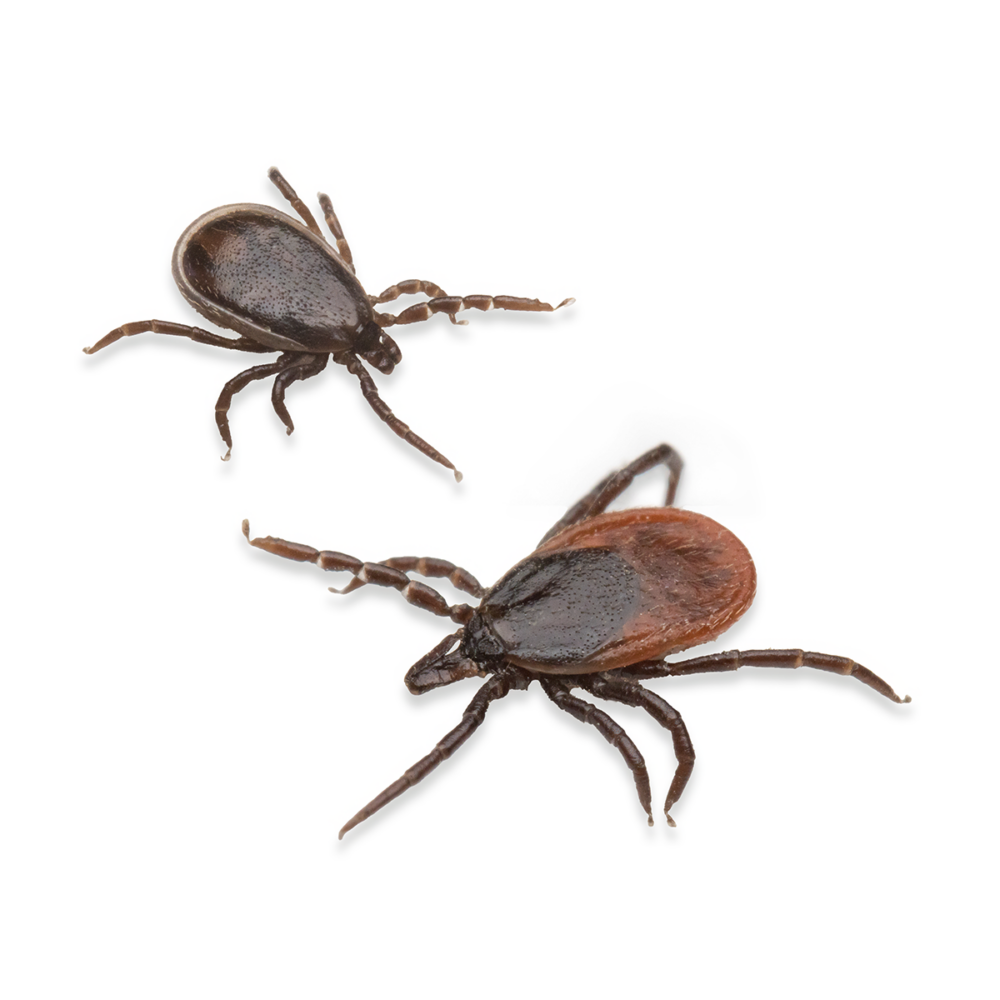
The common tick (Ixodes ricinus) is a creature that rarely leaves anyone indifferent. In public discourse, the narrative surrounding these arachnids is almost exclusively defined by the risks they pose to human and animal health. We are bombarded with warnings, headlines about "the most dangerous animal in Finland," and stories of illness. Rarely do we encounter a neutral, let alone positive, word about these complex organisms. This is a profound intellectual loss, for when we strip away the human-centric lens of "pest" and "vector," the life of the tick reveals itself to be a fascinating, highly evolved biological story.
The question "What is the use of a tick?" is frequently asked, reflecting a human desire to categorize all life by its utility to us. However, nature does not operate on a ledger of human benefit. A species’ existence is not validated by its service to humanity, but by its place within the intricate web of ecosystems—including the roles it plays for the predators that consume it.
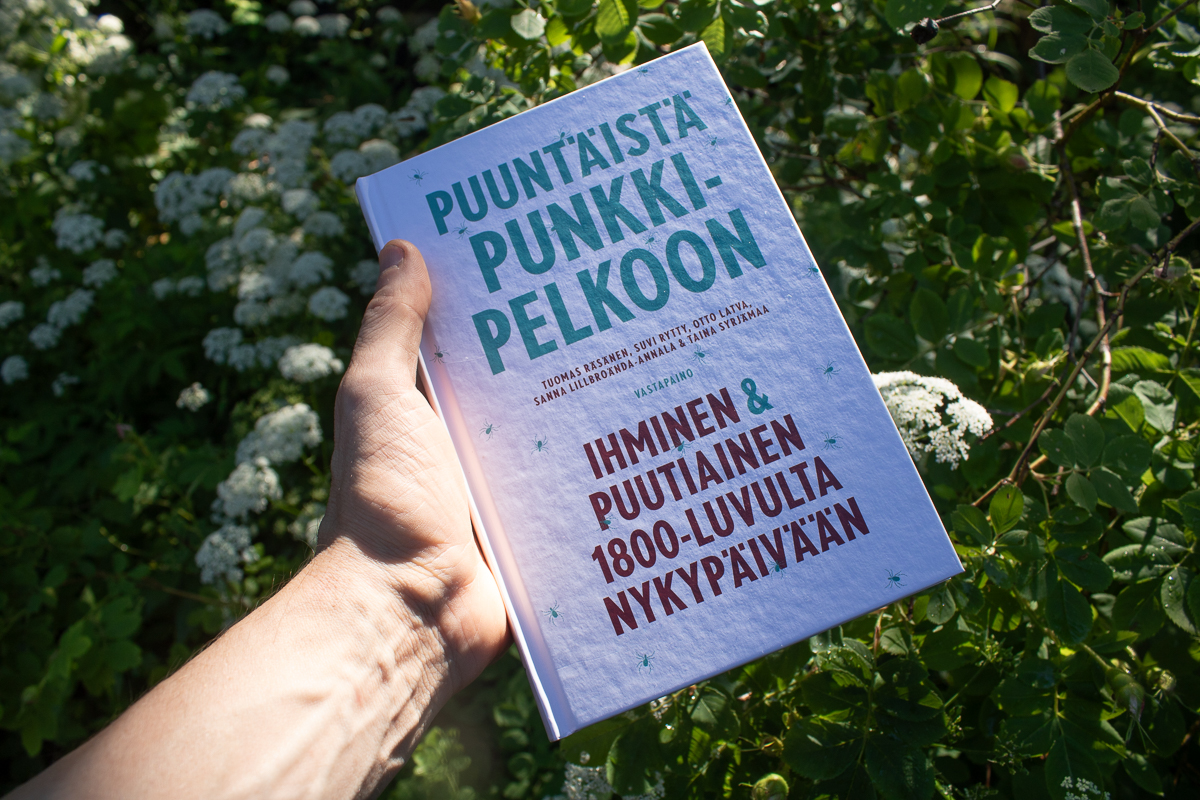
A recent book, Puuntäristä punkkipelkoon (From Tick-Shaking to Tick-Fear), offers a refreshing, scholarly, and humanistic look at this relationship. By examining the history of human interaction with ticks from the 1800s to the present day, the authors challenge the modern culture of hysteria and invite us to consider the tick as a subject of scientific and cultural study rather than merely a threat to be eradicated.
The Historical Chronology: From Folklore to Fear
The history of the human-tick relationship is not a linear progression of discovery. It is a shifting landscape of understanding, shaped by the prevailing medical knowledge—or lack thereof—of the time.
The Era of Ignorance (1800s–Early 1900s)
In the 19th century, ticks were considered a nuisance, primarily to livestock. The "red water" disease (babesiosis) decimated cattle, causing significant economic anxiety for farmers. However, the connection between the tick and human disease was not yet established. People often pulled ticks from their skin with little of the modern, paralyzing fear we see today. They were part of the rural landscape, as ubiquitous and annoying as a mosquito or a biting fly.
The Shift in Consciousness
As medical science progressed, the discovery that ticks act as vectors for pathogens like Borrelia and tick-borne encephalitis (TBE) fundamentally changed our relationship with them. This was a "double-edged sword" of knowledge. While understanding the mechanism of disease transmission was a monumental triumph for public health, it also ushered in the modern era of "tick panic." As the 20th century turned into the 21st, the media began to emphasize the risks, often using alarmist language that transformed a biological encounter into a terrifying ordeal.
The Modern Paradox
Today, we face a paradox. While our knowledge of how to avoid ticks and how to treat the diseases they carry is at an all-time high, our anxiety levels have arguably never been greater. The book argues that this is partly due to the way news media frames these creatures. By focusing on the danger, the media has essentially "othered" the tick, distancing it from the natural world and framing it as an invading force.
Supporting Data: Understanding the Biology
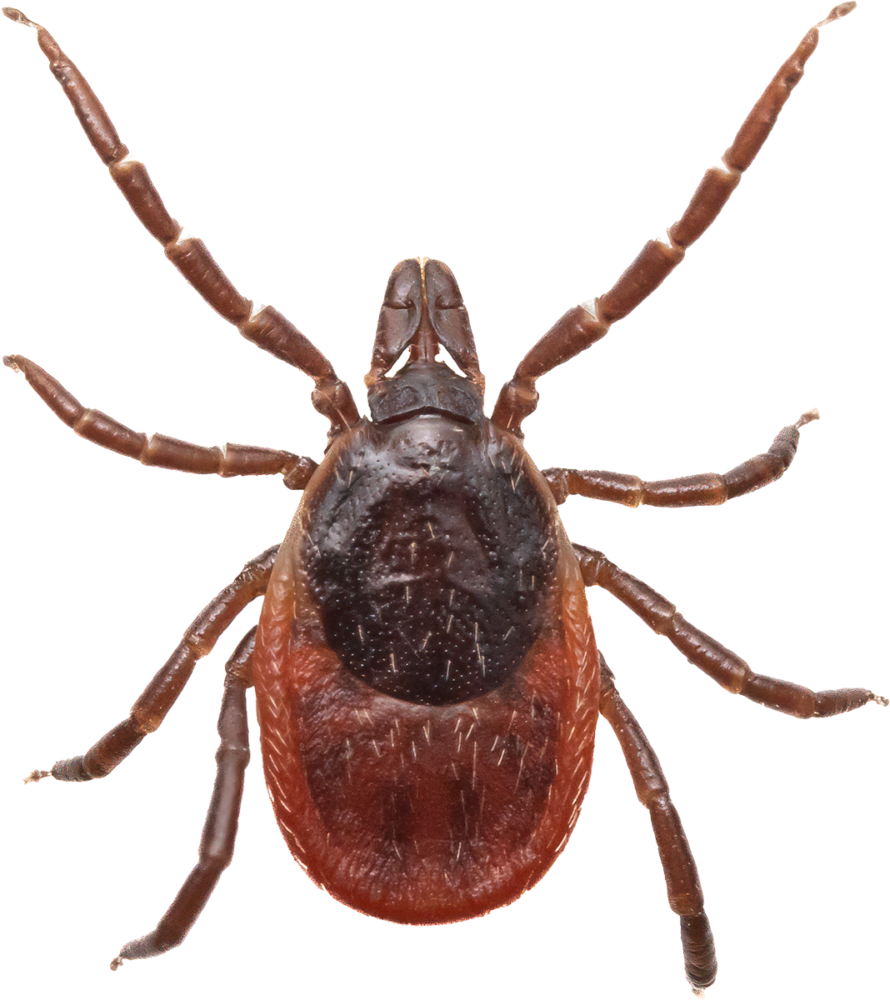
To move past fear, one must understand the subject. A common misconception corrected by recent research is the idea that ticks are "dropping from the trees." This myth persists despite biological evidence to the contrary. Ticks do not climb trees; they wait in the low undergrowth, sensing the vibrations and heat of a passing host.

Furthermore, it is essential to distinguish between the thousands of mite species in Finland and the specific ticks that concern us. Of the roughly 1,500 species of mites found in the region, only two are true ticks that commonly interact with humans.
The Life Cycle and Anatomy
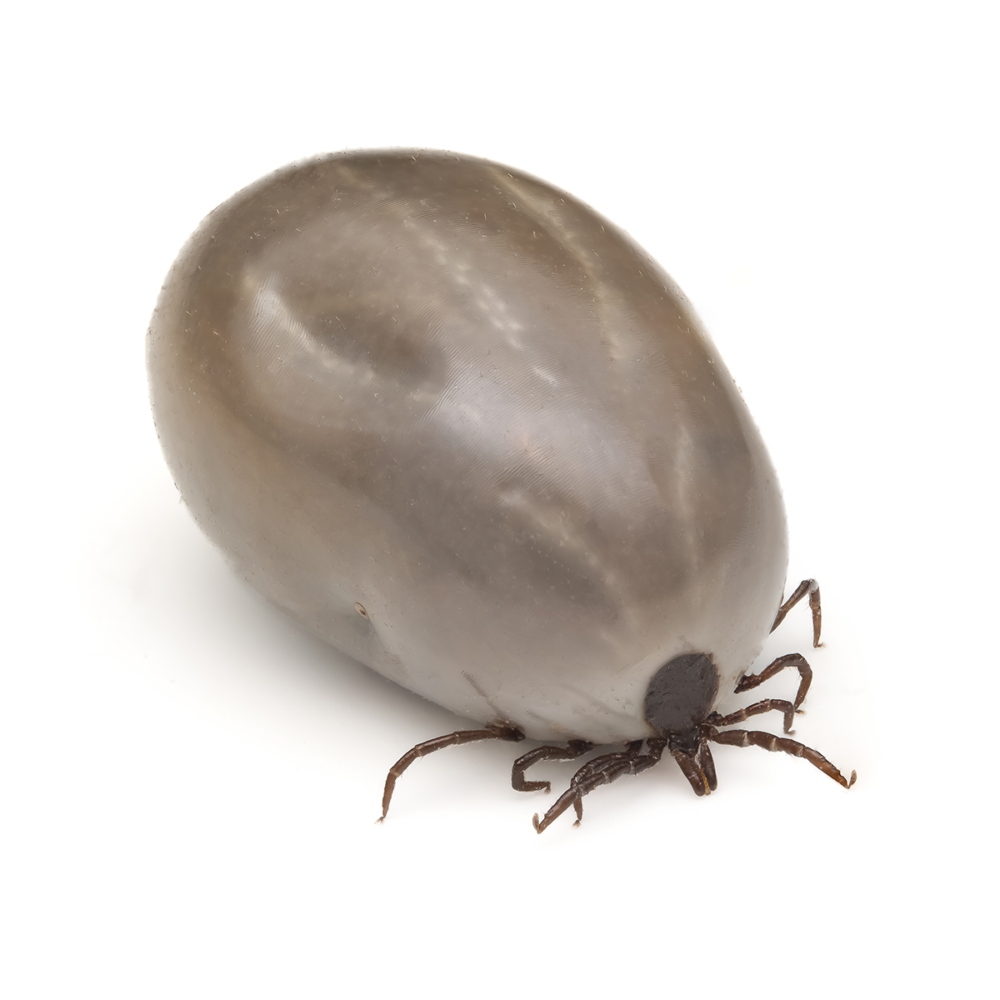
The life cycle of the tick is a marvel of endurance. A fully engorged female tick can increase her mass by up to a hundredfold, resembling a glistening, pearl-like jewel after a successful blood meal. This transformation is not just a biological feat; it is a testament to the tick’s evolutionary success as a parasite. Understanding these physical realities—how they grow, how they feed, and how they navigate their environment—strips away the "monstrous" aura and replaces it with biological wonder.
Official Responses and Medical Advancements
The scientific community’s response to ticks has focused on two fronts: prevention and treatment.
Vaccines and Prophylaxis
The development of vaccines for TBE stands as one of the most successful interventions in public health history. By providing a clear, evidence-based method of protection, science has effectively neutralized one of the most significant threats posed by ticks in endemic areas.
However, the pursuit of a Borrelia (Lyme disease) vaccine has been a longer, more arduous journey. Since the 1990s, news cycles have repeatedly touted the arrival of such a vaccine, often creating a cycle of false hope followed by disillusionment. This history of "almost there" reporting contributes to the public’s perception of ticks as an unsolvable, looming menace.
Environmental and Chemical Control
Over the decades, various strategies have been employed to manage tick populations, ranging from chemical pesticides to ecological landscape management. The book provides a sobering look at these efforts, noting that many were ineffective or even counter-productive. This serves as a cautionary tale: when we act out of fear rather than deep ecological understanding, we often create new problems.
Implications: Changing Our Relationship with Nature
The most significant implication of the book’s research is the need for an "attitude purge." The current tick panic is not entirely rooted in the objective danger, but in the cultural narrative surrounding it.
The Media’s Role in Shaping Perception
Media outlets—both commercial and public—have frequently used inflammatory language to describe natural phenomena. By using negative adjectives for simple biological behaviors, they have created a "kiila" (a wedge) between the public and the natural world. This alienation prevents people from enjoying the outdoors and fosters a climate of fear that is disproportionate to the actual statistical risk.
The "Bird" Comparison
A powerful comparison made in the book is between ticks and birds. Both can carry diseases (such as avian influenza), yet our cultural response to them is vastly different. We celebrate birds as part of the natural heritage, while we demonize ticks. If we could see ticks not as malicious agents, but as carriers of disease that are themselves just one part of a vast, neutral biological system, our fear might give way to a more mature, observational interest.
A Call for Intellectual Curiosity
The book suggests that knowledge is the antidote to fear. When we move beyond the headlines and look at the tick through a historical, biological, and humanistic lens, it becomes less of an "alien" and more of a neighbor.
For those who struggle with "tick-phobia," the book serves as a diagnostic tool for their own psyche. It asks the reader: Why are you afraid? Is it the creature, or is it the story you have been told about the creature?
Conclusion
Puuntäristä punkkipelkoon is an essential read for anyone interested in the intersection of nature, history, and human behavior. It does not deny the reality of tick-borne illnesses; rather, it contextualizes them. It reminds us that our relationship with the environment is a two-way street. If we allow panic to dictate our interactions with the natural world, we lose a significant portion of our connection to the landscape.
In the future, one can hope for a more balanced media discourse—one that respects the risks while maintaining the dignity of all species. Whether you are a biologist, a hiker, or simply someone who has ever pulled a tick from your skin, this book offers a pathway to a more informed, less fearful existence. As we continue to navigate the complexities of our changing environment, perhaps it is time to stop shaking at the sight of a tick and start observing it with the curiosity it deserves.
For those who wish to delve deeper into the microscopic world, following specialists and entomologists on social media platforms can provide ongoing, accurate, and fascinating insights into the lives of the smallest inhabitants of our forests. We must choose to let science, not fear, guide our understanding of the world around us.