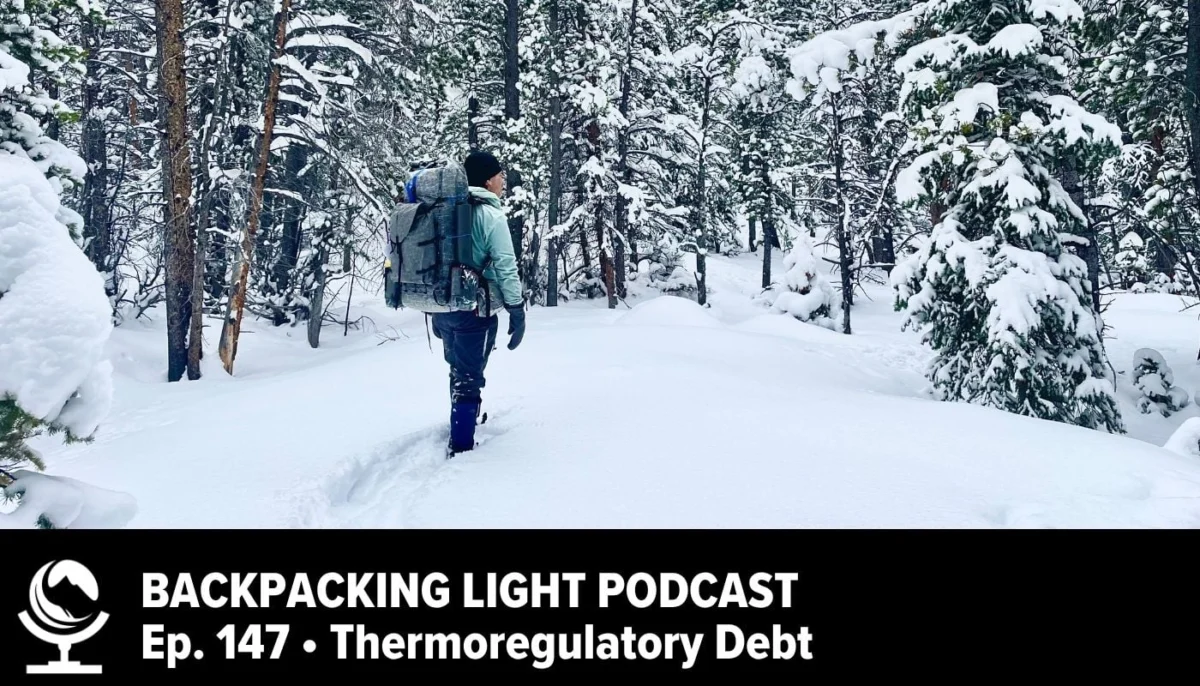
In the unforgiving landscape of the backcountry, cold-weather safety is often framed as a battle of gear: Is your down jacket lofty enough? Is your shell truly waterproof? However, a recent episode of the Backpacking Light Podcast (Episode 147) challenges this equipment-centric paradigm. Hosted by Ryan Jordan, the episode introduces a sophisticated mental model titled "Thermoregulatory Debt," which posits that the primary driver of hypothermic risk isn’t just gear—it is the timing of one’s physiological decisions.
The episode argues that backcountry comfort and safety are governed by a system of "debt" similar to personal finance. Small, seemingly inconsequential delays in venting moisture or adjusting layers compound over time, leading to a catastrophic physiological deficit that is difficult, if not impossible, to repay once the hiker stops moving.
The Core Concept: The Financial Analogy of Thermal Management
The brilliance of the "Thermoregulatory Debt" framework lies in its simplicity. Much like high-interest credit card debt, thermal mismanagement rarely feels critical in the moment. When a hiker feels a slight increase in core temperature during a steep ascent, the temptation is to "push through" rather than stop to vent. This is the thermal equivalent of a small, manageable charge.
However, when that heat turns to sweat, and that sweat saturates a base layer, the "interest" begins to accrue. By the time a hiker reaches a mountain pass or arrives at camp and stops moving, the "debt"—the accumulated moisture and depleted energy—becomes due. At this point, the hiker is no longer just managing temperature; they are fighting to recover from a systemic imbalance that has already compromised their physical and cognitive capabilities.
The Three Phases of Thermal Bankruptcy
The podcast outlines the progression of this phenomenon into three distinct phases:
- The Decision Phase: The point at which the hiker fails to intervene. This includes neglecting to open pit zips, ignoring the need to remove a layer before the onset of sweat, or failing to consume calories before energy levels plummet.
- The Physiological Imbalance: The transition from a state of homeostasis to a state of thermal distress. Here, the body begins trapping moisture or losing heat at a rate faster than it can be offset by metabolic output.
- Delayed Impairment: The "bankruptcy" phase. This occurs when the hiker stops, and the body’s internal furnace can no longer compensate for the damp clothing or the drop in ambient temperature. This is where shivering, acute discomfort, and, in severe cases, the inability to perform basic fine-motor tasks occur.
Chronology of Impairment: The Three Types of Debt
To understand how hikers end up in a compromised state, the Backpacking Light team breaks the concept down into three interlocking categories. These categories do not act in isolation; rather, they cascade, turning a mild discomfort into a survival situation.
1. Moisture Debt: The Silent Accumulator
Moisture is the primary enemy of thermal efficiency. Whether it is sweat, trapped condensation, or external precipitation, moisture conducts heat away from the body 25 times faster than air. When a hiker fails to vent, moisture migrates into the insulating layers of their clothing system. Once those fibers are saturated, their "clo" (thermal resistance) value plummets. This is the most dangerous form of debt because it is often invisible until the damage to the insulation is already done.
2. Heat Debt: The Energy Deficit
Heat debt occurs when the total environmental heat loss—driven by conduction, convection, radiation, and evaporation—outpaces the metabolic heat produced by the hiker. As the body becomes colder, blood flow is prioritized for the core and head, often at the expense of the extremities. This is why, as one listener noted, ignoring cold fingers can lead to permanent sensitivity. When the body enters a state of "frost nip," it is a signal that the core is already struggling to maintain its equilibrium.
3. Performance Debt: The Cognitive Collapse
Perhaps the most overlooked, yet critical, aspect of the model is Performance Debt. As thermal and moisture debts mount, the body sacrifices fine motor skills. This is not merely a loss of dexterity; it is a degradation of cognitive function. When a hiker can no longer operate a zipper, light a stove, or secure a tent, their ability to rectify the situation is neutralized. In this state, the decision-making process slows, leading to further errors—the hallmark of hypothermic onset.
Supporting Data and Practical Interventions
The podcast emphasizes that survival in the backcountry is a game of proactive management. Rather than reacting to the cold, hikers must anticipate the shifts in their metabolic state.
Strategic Adjustments
- Vent Early and Often: The golden rule of layering is to be slightly chilly before you start moving. By the time you feel warm, you are likely already accumulating moisture debt.
- The Pre-emptive Layering Rule: If you know you are about to stop for a lunch break or reach a windy summit, add your insulation before you stop moving. This preserves the heat you have generated while you are still active.
- Fueling the Furnace: Metabolic heat is a product of caloric consumption. Hypoglycemia (low blood sugar) significantly limits the body’s ability to shiver or produce heat. Regular, consistent caloric intake is a vital component of thermoregulation.
The Role of Material Science
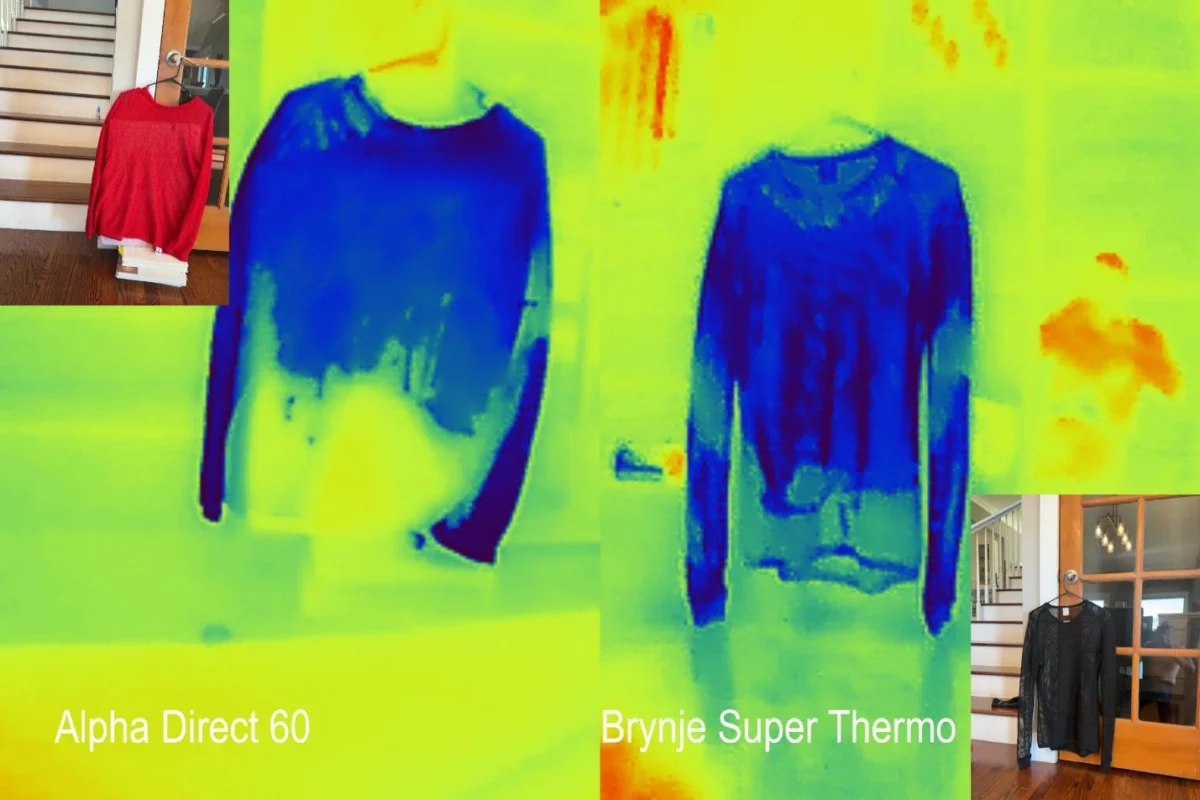
The episode highlights the importance of fabric structure in managing moisture debt. Modern advancements, such as the fishnet-style base layers (often associated with brands like Brynje), utilize a mesh structure to keep the fabric away from the skin. This allows for a "micro-climate" of air that accelerates moisture transport, preventing the base layer from becoming a wet, conductive sponge against the skin.
Implications for Backcountry Safety
The "Thermoregulatory Debt" model has significant implications for how we train, pack, and hike. For years, the industry has focused on the "kit"—the lightweight jacket, the waterproof shell, the high-denier fabric. While gear is undoubtedly important, this episode suggests that the "operator" is the weakest link in the system.
The Human Element
As one listener observed, there is a dangerous tendency to push through physical discomfort. When fingers turn white and lose sensation, many hikers view it as a mere inconvenience. However, clinical experience suggests that repetitive exposure to such cold-induced stress can cause long-term nerve and tissue damage. The transition from "toughing it out" to "recognizing a systemic failure" is the hallmark of an experienced hiker.
Shifting the Paradigm
The implications for safety courses and wilderness first aid are clear: we must teach hikers to monitor their physiological state with the same rigor they apply to navigation. If a hiker realizes they are in "debt," they must be empowered to take immediate action—stopping to change layers, consuming food, or even turning back if the environmental conditions exceed their capacity to stay dry and warm.
Official Responses and Industry Context
While the Backpacking Light podcast is a niche resource, its influence within the ultralight and long-distance hiking community is substantial. Industry experts often point to this kind of "field-model" thinking as the next step in outdoor education. By moving away from rigid, one-size-fits-all gear advice and toward flexible, principle-based decision-making, the community is moving toward a more resilient culture.
The episode also serves as a critique of modern marketing. When gear manufacturers sell "breathable" shells or "super-insulating" mid-layers, they often omit the fact that these garments will fail if the user’s personal management is poor. The "debt" model forces the user to take responsibility for their own metabolic output.
Conclusion: A New Way to Hike
The "Thermoregulatory Debt" framework is more than just a catchy title; it is a comprehensive, scalable system for understanding human performance in the wild. By viewing every layer adjustment, every calorie consumed, and every decision to vent as a financial transaction, hikers can better quantify the risks they take.
In the end, the safest piece of gear in your pack is not a jacket—it is your awareness of the debt you are accruing. As the winter season approaches, the lesson remains clear: manage your heat, respect your limits, and pay your debts before they come due. By doing so, you move from being a passenger to the environment to a master of your own physiological safety.