In the tight-knit subculture of long-distance hiking, certain mantras have achieved a status bordering on the sacred. Phrases like “hike your own hike,” “the trail provides,” “you pack your fears,” and “don’t quit on a bad day” serve as the bedrock of trail philosophy. They are the shorthand of the wilderness, repeated by thousands of thru-hikers annually as they navigate the Pacific Crest Trail, the Appalachian Trail, or the remote backcountry of the Olympic Peninsula.
However, beneath the veneer of this established trail-side wisdom lies a clandestine collection of sentiments that rarely—if ever—find their way into the public discourse. These are the thoughts that pass through a hiker’s mind during the "mental grind" of a long trek, yet remain unuttered. From the absurdity of gear obsession to the grim reality of trail hygiene, these hidden truths offer a raw, unfiltered look at the reality of life on the move.
The Anatomy of the Thru-Hiker’s Internal Monologue
To understand the modern hiker, one must look beyond the curated Instagram photos and the motivational blog posts. The experience of walking 300 to 3,000 miles is defined not by the triumphant summits, but by the repetitive, often grueling, minutiae of daily survival.

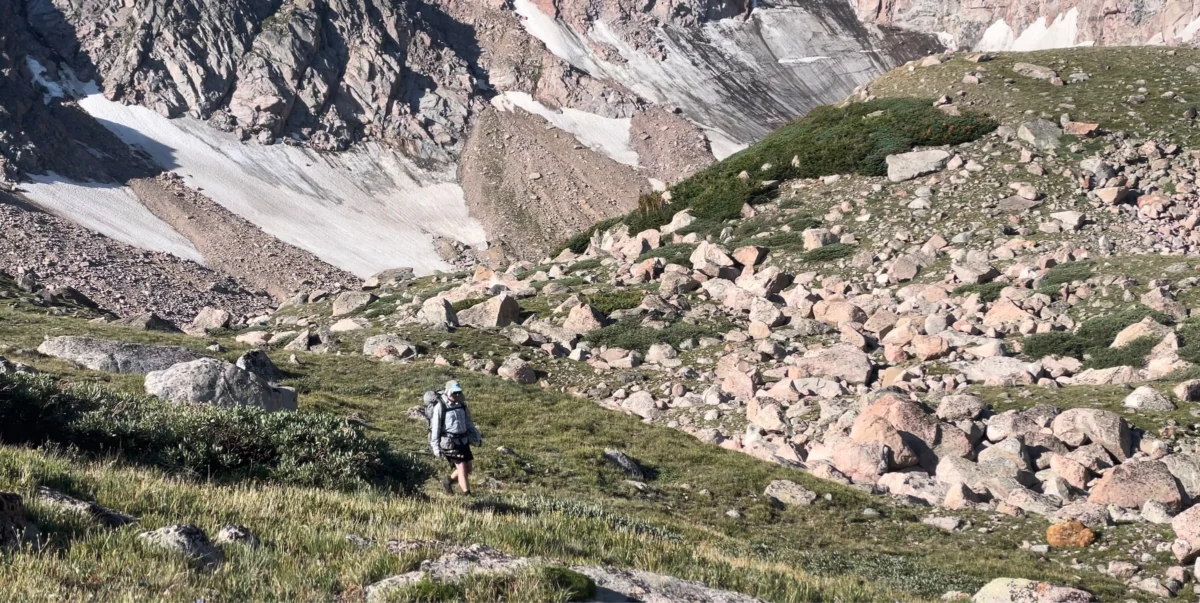
During a recent 300-mile excursion through the lush, demanding terrain of Washington’s Olympic Peninsula, the necessity of these "unspoken" truths became increasingly apparent. Long-distance hiking is an exercise in stripping away the unnecessary, yet it is also a masterclass in human cognitive dissonance. We convince ourselves that suffering is a choice, that weight is the ultimate enemy, and that the discomfort of today is a prerequisite for the glory of tomorrow.
The Gear Paradox
Consider the gear. The thru-hiking community is famously obsessed with weight—down to the gram. Yet, as the list of unspoken phrases reveals, this obsession often leads to paradoxical outcomes:
- The Weight-Savings Regret: Many hikers will agonize over the weight of a camp chair for months, eventually discarding it to save a few ounces, only to spend the next three months lamenting the lack of a comfortable place to sit.
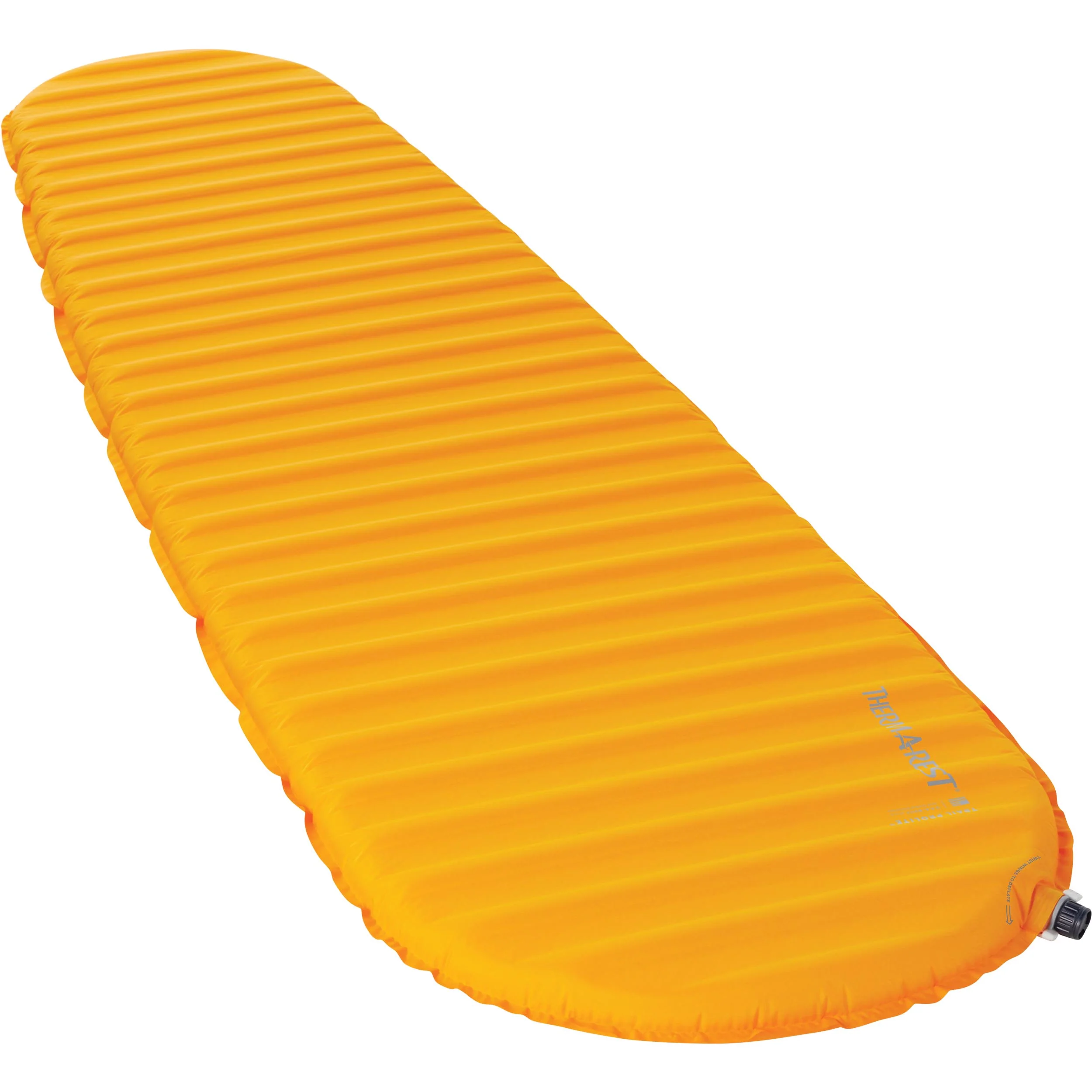
- The Inflatable Mat Folly: While the ultralight community often pushes for wider, more luxurious inflatable sleeping mats, there is a secret sect of hikers who privately wish for the simplicity of a narrower, less finicky setup, despite the public pressure to prioritize comfort above all else.
- The Brand Loyalty Myth: While online forums might erupt in debate over the durability of specific footwear like Altra trail runners or Brooks Cascadias, the reality is that the decision is often driven by fashion and colorways rather than pure mechanical engineering, a truth few will admit in the face of gear-head scrutiny.
A Chronology of Discomfort: The Daily Grind
The lifecycle of a thru-hike is not a steady progression of happiness; it is a cycle of intense highs and crushing lows.

- The Initiation Phase: New hikers arrive on the trail with pristine gear and high expectations, often over-packing "fears"—extra chocolate, excessive emergency supplies, and heavy luxuries. It is here that the realization hits: “I wish I didn’t bring so much chocolate.”
- The Adjustment Period: As the miles accumulate, the body begins to break down. The romance of the trail fades as the realities of "wet toe socks," "mushy" digestion, and the monotonous cycle of Clif Bars take hold. It is in this phase that the hiker realizes that not every moment is a life-affirming epiphany.
- The "Town" Transition: Reaching a trail town is supposed to be the ultimate reward. However, the reality of towns like Rawlins, Wyoming—or the pressure to perform at an "All You Can Eat" (AYCE) buffet—often falls short of the idealized version of hiker culture.
- The Home Stretch: By the time a hiker nears their terminus, the desire for the outdoors often turns into a bizarre, paradoxical longing for the creature comforts they once disdained. The thought, "I’d rather be in the office," is a common, whispered heresy that signals the approaching end of the journey.
Supporting Data: The Logistics of the Trail
The logistical challenges of the trail are often glossed over in romanticized narratives. For instance, the "zero day"—a day spent not hiking—is marketed as a time for recovery and indulgence. Yet, many hikers find these days to be stagnant, expensive, and mentally taxing.
Furthermore, the "social contract" of the trail is a fragile thing. When a hiker arrives at a remote shelter during a storm, the unspoken rule is to make room for everyone. Yet, the internal, unspoken truth remains: "Sorry, there’s no space." It is a moment of raw human selfishness that clashes with the communal spirit of the trail, illustrating the friction between survival instincts and social etiquette.
The Hygiene Reality
Perhaps the most "unspoken" of all topics is physical health. While hikers share tips on blister care and water filtration, the state of their digestive health is treated as a state secret. The claim that one’s movements have been "rock solid" for a month is a common face-saving maneuver, designed to maintain a persona of rugged competence in the face of inevitable dietary distress.

Official Responses and Industry Shifts
The hiking industry, for its part, continues to cater to these unspoken desires. Manufacturers are increasingly producing "special edition" colors for trail runners, acknowledging that the consumer is driven by aesthetic appeal as much as performance. The rise of "cold soaking" (rehydrating beans or oats in cold water to save the weight of a stove) has become a badge of honor, despite the fact that many hikers would trade their entire inventory for a single hot, home-cooked meal.
When asked about these trends, industry insiders suggest that the gear we choose is a reflection of the hiker we want to be, rather than the hiker we are. The heavy leather boots and 80-liter packs of the 1999 Pyrenean Haute Route era have been replaced by high-tech fabrics and minimalist designs, yet the underlying human struggle—the desire for comfort, the fear of missing out, and the need for validation—remains unchanged.
Implications for the Future of Hiking
What do these unspoken truths tell us about the future of the sport? As long-distance trails become more crowded, the "trail culture" is likely to undergo further shifts.

- The Erosion of Romanticism: As more people document their journeys via social media, the pressure to maintain a "perfect" hiking experience will increase. The divide between the public narrative of the "blissful hiker" and the private reality of the "miserable hiker" will widen.
- The Professionalization of Thru-Hiking: With more gear sponsorships and professional "influencers," the pressure to endorse specific products, regardless of personal preference, will grow. The "unspoken truths" may eventually become a vital counter-culture movement, a way for hikers to reclaim the authenticity of their experience.
- The Stewardship Challenge: As we move toward more sustainable practices, the "no trespassing" culture and the etiquette of the backcountry—such as carrying out human waste—will require more than just rules; they will require a fundamental shift in how we talk about our needs and responsibilities on the trail.
Conclusion: The Trail Provides (The Truth)
Ultimately, the beauty of the trail lies not in its perfection, but in its ability to strip us down to our most honest selves. Whether it is the frustration of putting on cold, wet socks or the secret relief of realizing you are finished with a long trek, these unspoken phrases are the true language of the wilderness.
The next time you see a hiker on the trail, remember that they are likely harboring a list of secrets just like these. They are battling the weight of their pack, the monotony of their diet, and the absurdity of their own gear choices. And that, in its own way, is the most authentic part of the hiking life. It is messy, it is uncomfortable, and it is entirely, wonderfully human.