Comfort in the backcountry is rarely a matter of luck; it is a calculated output of physics, materials science, and physiological adaptation. While many hikers treat their sleeping pad as an afterthought—something to be inflated until it “feels right”—the reality is that optimizing your sleep system requires a precise approach to inflation pressure, baffle geometry, and system integration.
This report, based on an analysis of over 300 sleeping pads from more than 20 leading manufacturers, provides a framework for selecting and tuning the most critical piece of your sleep system. Whether you are navigating the jagged terrain of the Rockies or sleeping in the humid confines of a bivy sack, your choice of pad dictates your recovery, thermal efficiency, and, ultimately, your performance on the trail.
A Chronology of Comfort: From Blue Foam to Air-Sprung Cells
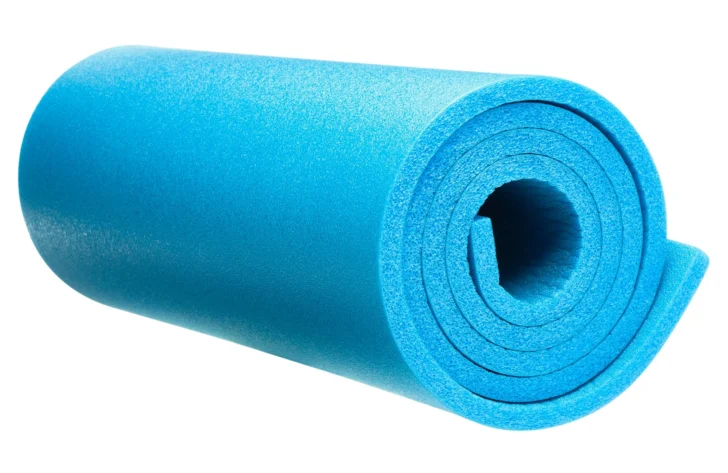
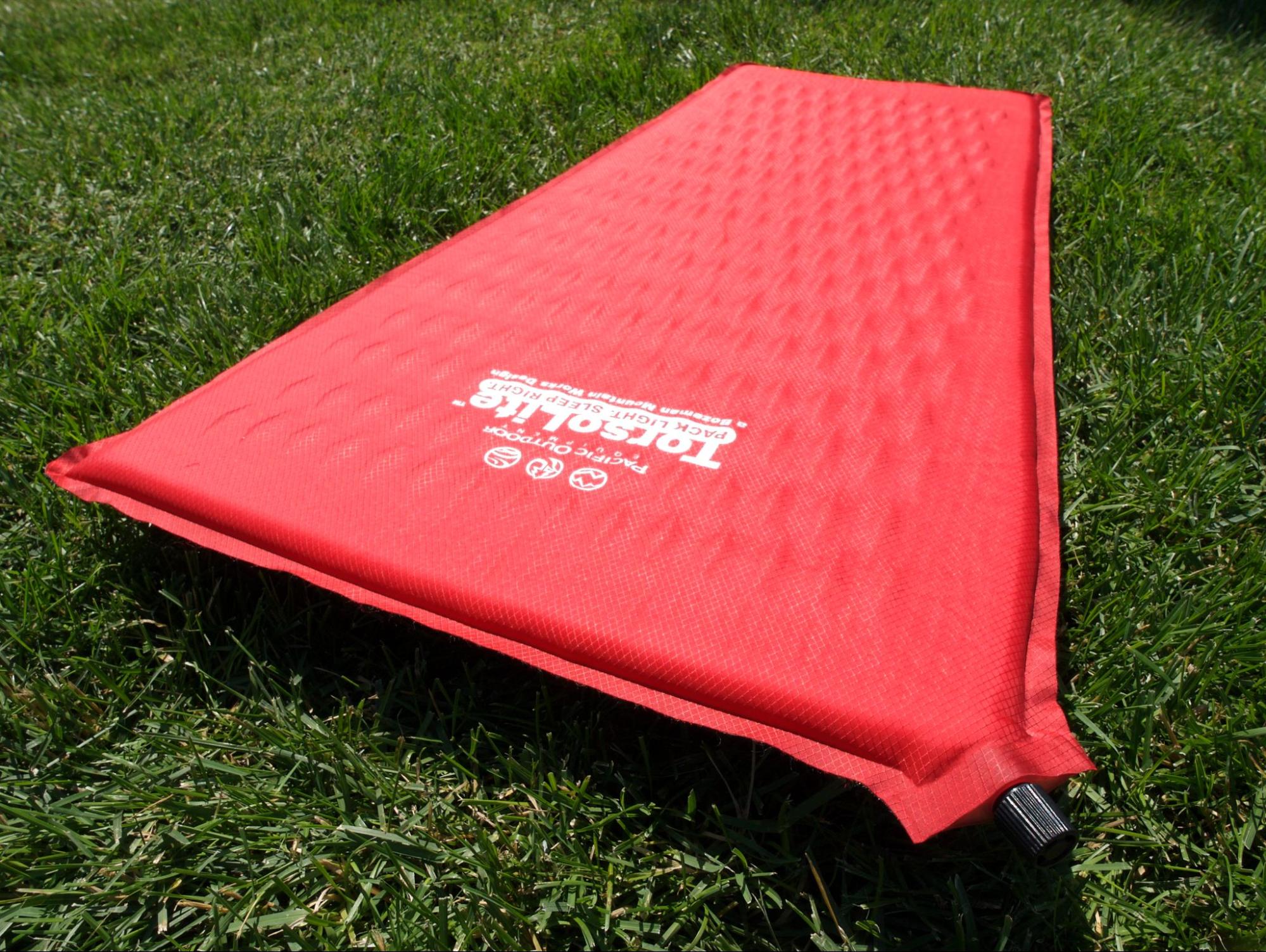
The evolution of the sleeping pad is a 45-year journey from simplicity to high-tech engineering. For decades, the gold standard was the closed-cell foam (CCF) mat—a $6, half-pound slab of cross-linked polyolefin. These pads were indestructible, offering a reliable, if Spartan, barrier against the cold ground. Today, while we have refined these foams—utilizing cross-linked polyethylene (XLPE) for better water resistance and durability—the core philosophy remains: reliability at the cost of comfort.
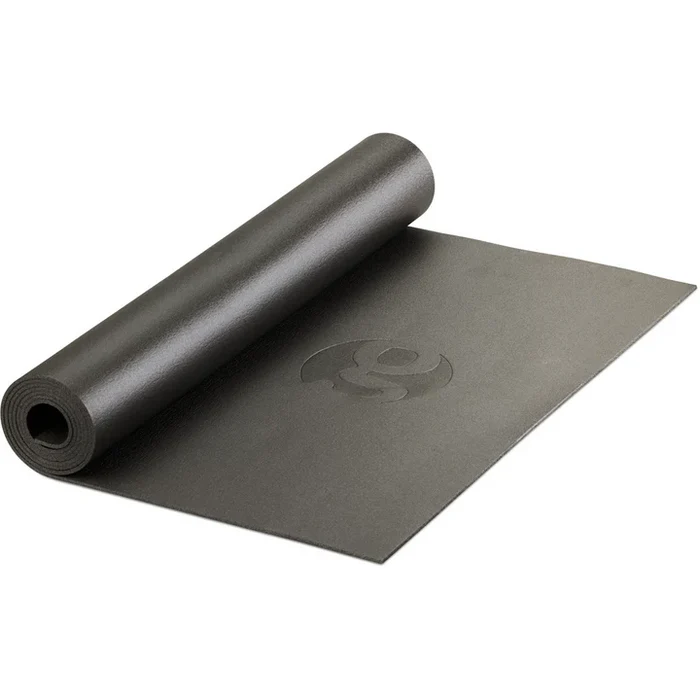
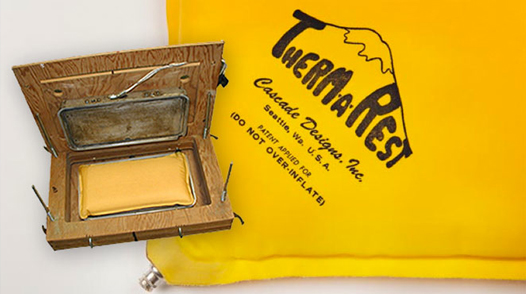
The mid-1970s saw the birth of the “self-inflating” open-cell foam pad, which combined the comfort of trapped air with the thermal insulation of foam. However, these were heavy and prone to valve and seam failures. It wasn’t until 2009 that the landscape shifted permanently with the introduction of the Therm-a-Rest NeoAir. By ditching the foam fill for internal baffles and reflective heat-trapping technology, manufacturers achieved a quantum leap in the warmth-to-weight ratio.
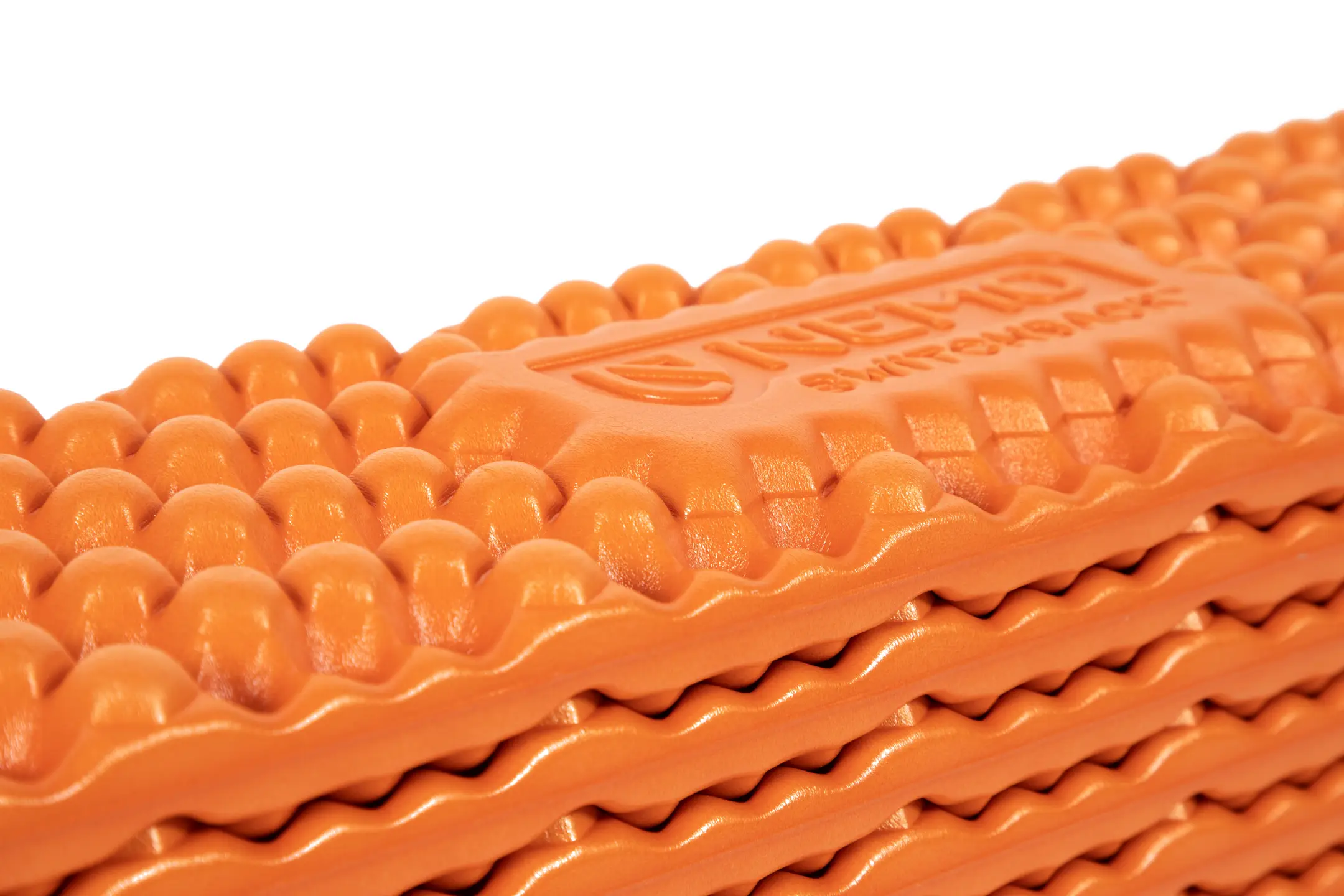
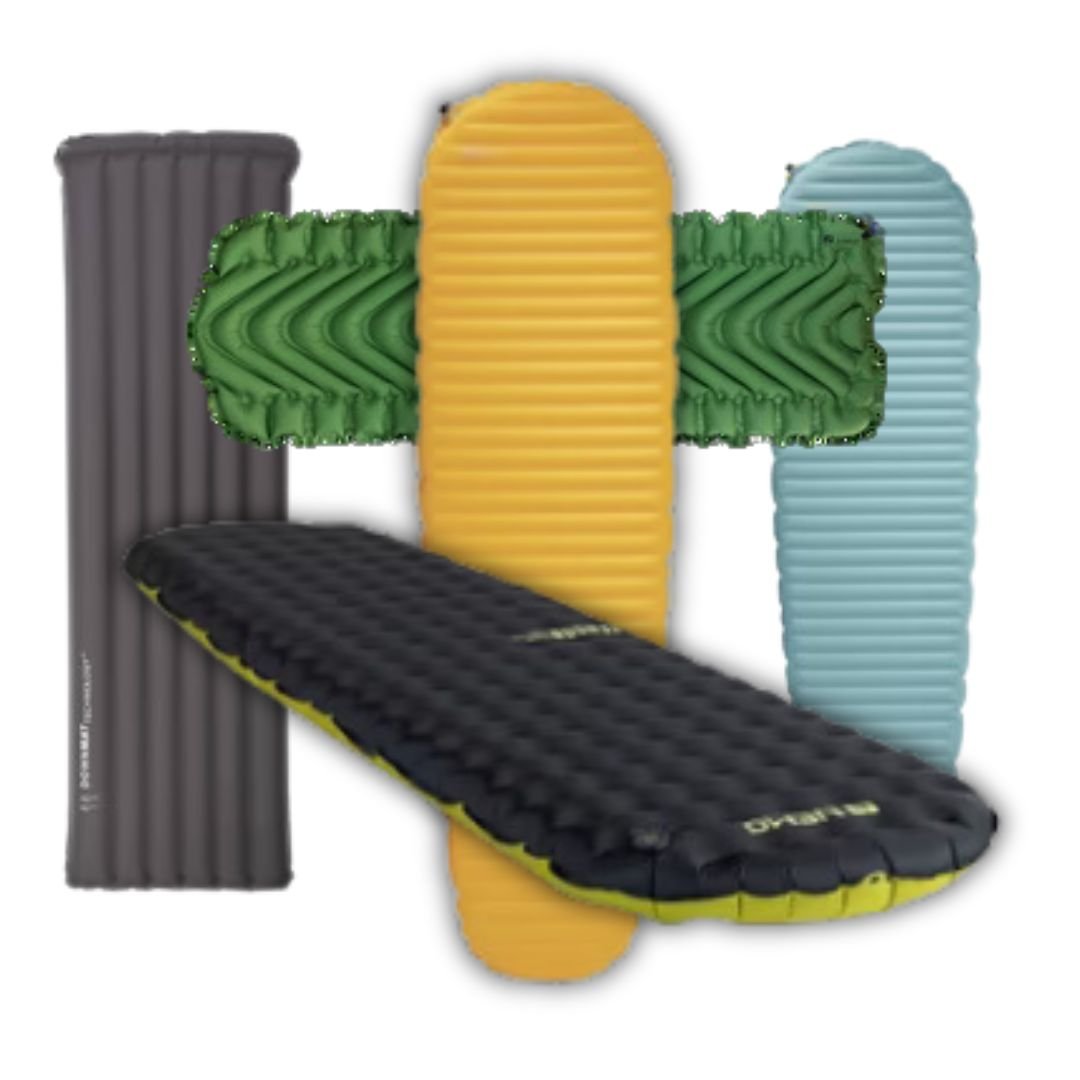
Today, the market is dominated by non-self-inflating, high-loft inflatable mattresses. Manufacturers like NEMO, Therm-a-Rest, Sea to Summit, and Zenbivy have turned sleeping pad design into a complex engineering discipline, focusing on baffle architecture to solve the perennial issues of stability, "wobble," and heat loss.

Performance Data: Identifying the Market Leaders
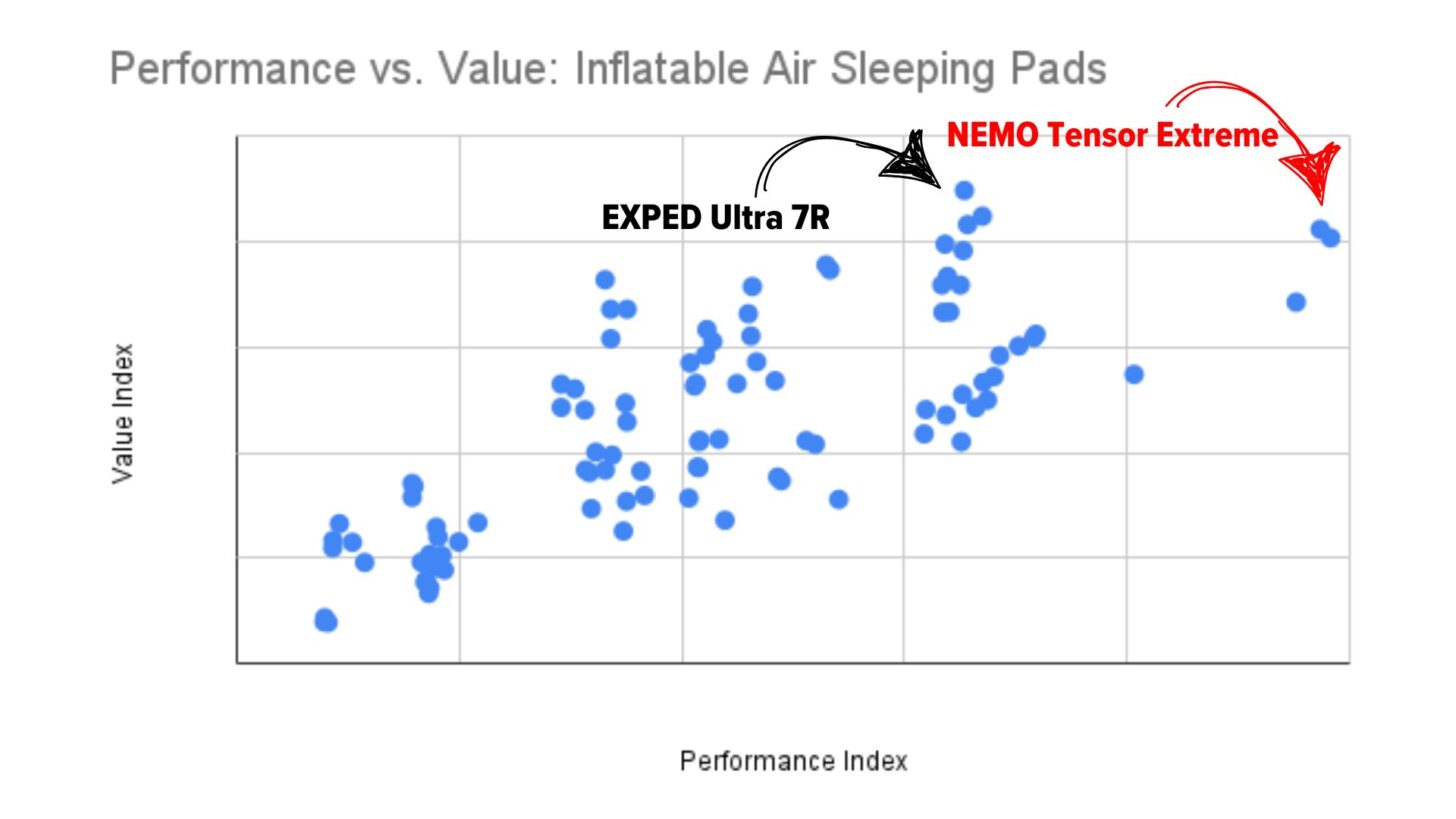
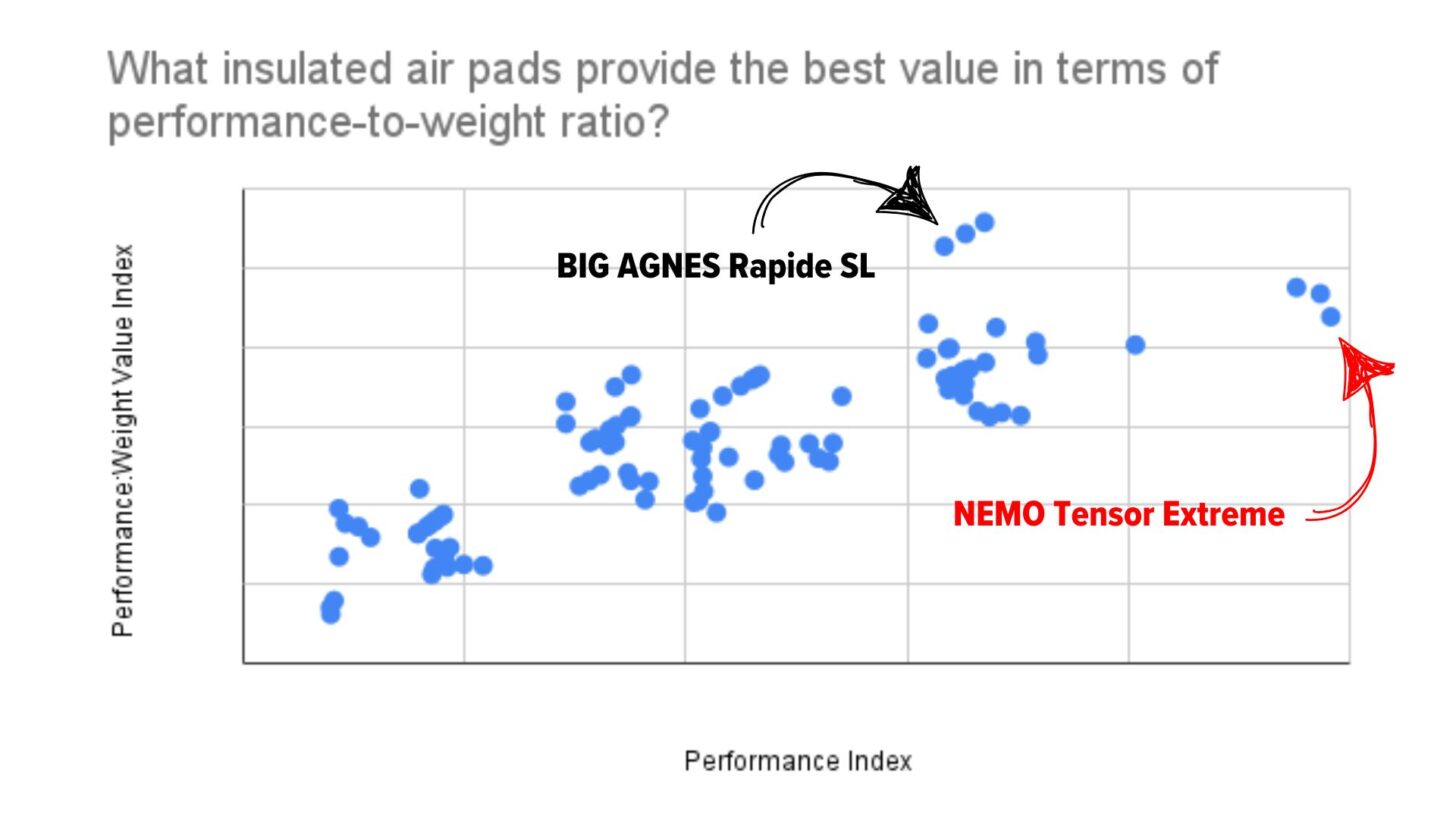
When evaluating the current state of the market, we utilize two primary metrics: the Performance Index (comfort and warmth per ounce) and the Value Index (comfort and warmth per dollar).
High R-Value Sleeping Pad Comparison (Regular-Wide)
| Model | Weight | R-Value | R/Weight (oz) |
|---|---|---|---|
| NEMO Tensor Extreme | 22 oz | 8.5 | 0.39 |
| Therm-a-Rest NeoAir XTherm NXT | 20 oz | 7.3 | 0.37 |
| Rab Ultrasphere 5 | 16 oz | 5.5 | 0.34 |
| NEMO Tensor All-Season | 19 oz | 5.4 | 0.28 |
| Therm-a-Rest NeoAir XLite NXT | 16 oz | 4.5 | 0.28 |
| Zenbivy Flex Air | 24 oz | 4.8 | 0.20 |
Our field testing confirms that the NEMO Tensor Extreme currently offers the highest performance-per-ounce on the market. However, for those seeking the most efficient path to a high warmth-to-weight ratio, the Big Agnes Rapide SL has emerged as the clear winner in our Value Index. It provides a robust, stable platform that doesn’t sacrifice performance for a lower price point.

Stability: The Role of Baffle Architecture
Stability defines how well a pad resists shifting or "bottoming out" under pressure. There are four primary architectures currently in use:

- Horizontal Baffles: Running side-to-side, these create a cradle effect. They are excellent for back sleepers but can feel slightly less supportive at the edges.
- Vertical Baffles: Running head-to-toe, these align with the body’s longitudinal axis. They provide consistent structure but can sometimes allow for lateral movement (rolling off).
- Air-Sprung Cells: A matrix of dot-welded chambers that mimic a pocket-sprung mattress. They offer the most "natural" feel but can be prone to pressure points if not fully inflated.
- 3D Welds: The state-of-the-art approach. By modifying horizontal baffles with internal welds, manufacturers can control chamber depth, providing superior support at the shoulders and hips.
Official Recommendations: Selecting Your System
For the Four-Season Specialist
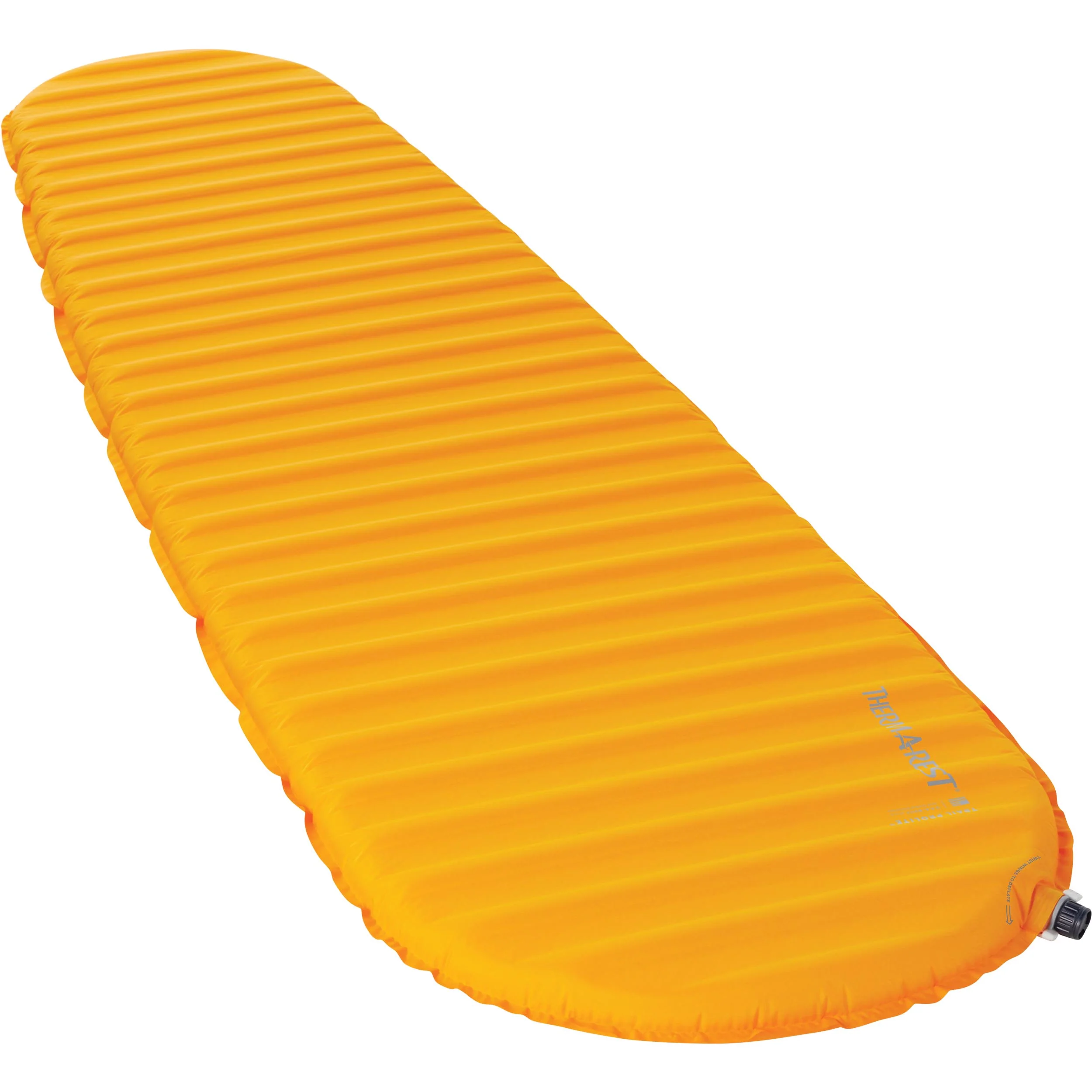
If your goal is maximum warmth-to-weight, the Therm-a-Rest NeoAir XTherm NXT remains the gold standard. Its ability to provide extreme insulation at a mere 20 ounces is a technical marvel. The primary caveat remains the "crinkle" noise inherent to its reflective layers, which can be disruptive to tent-mates.
For the Comfort-Focused Hiker
The NEMO Tensor series (Elite, All-Season, and Extreme) leads in comfort. These pads are noticeably quieter than the competition and offer a level of stability that makes them ideal for side sleepers. If you struggle with the "wobble" of air pads, the 3D-welded construction of the Tensor is your best solution.
For the Tactile User
The Zenbivy Flex Air is a unique entry featuring a stretch-fabric surface. While it adds a few ounces, the material is soft against bare skin and significantly reduces the "inflatable raft" sensation. It is the most refined experience for those who prioritize a luxury feel.
Implications: The Field Comfort Protocol
To truly optimize your sleep, stop inflating your pad to maximum capacity. Over-inflation creates a trampoline effect that leads to pressure points and instability. Instead, use this two-minute protocol:
- Baseline Inflation: Inflate the pad until it reaches about 80% of its total volume.
- The Deflection Test: Lie on the pad in your primary sleeping position. You should feel the pad support your weight, but there should be a slight "give" at the hips and shoulders. If you can feel the ground beneath you, add small, incremental breaths.
- Temperature Compensation: Remember that air pressure drops as temperatures fall. If you are sleeping in freezing conditions, plan to add a few extra pumps of air once the pad has cooled to the ambient temperature.
- System Integration: If you are a side sleeper, consider a two-pad system. Placing a thin closed-cell foam pad (like a Gossamer Gear Thinlight) underneath your inflatable pad adds both warmth and a crucial layer of puncture protection.
Managing the Bivy Interface
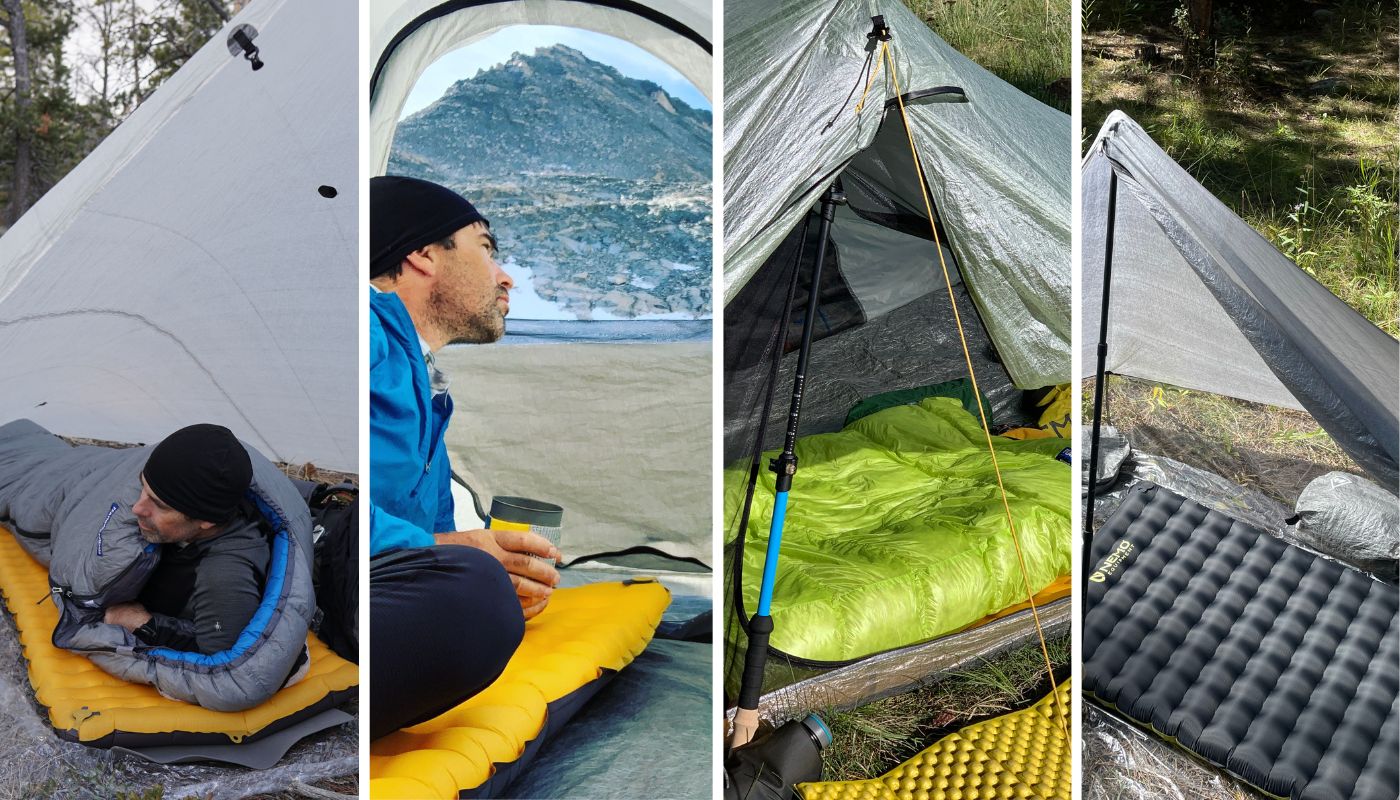
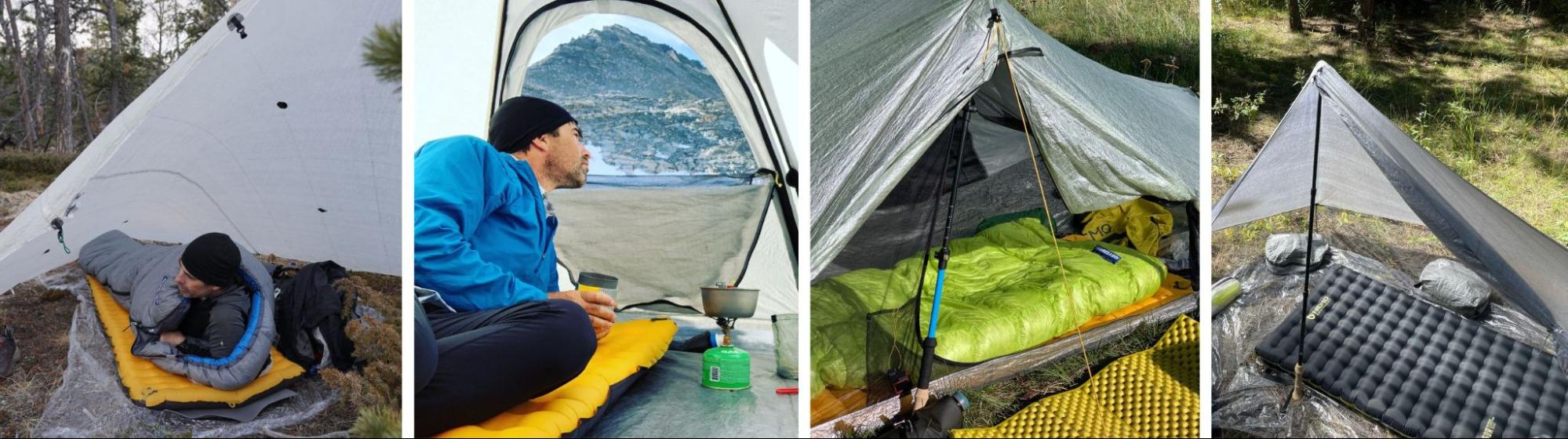
For those using bivy sacks, narrow-width pads are often preferable. They allow the bivy fabric to drape naturally, preventing the "tight drum" effect that leads to condensation buildup. If you are using a wider pad, ensure your bivy is oversized to prevent the pad from pushing the waterproof membrane into your sleeping bag, which can cause moisture transfer.
The Power of Reliable Inflation
The market for pumps has matured, moving away from bulky, unreliable battery-operated fans. We recommend the Flextail Zero Pump for its weight-to-power ratio, or the Exped Schnozzel if you prefer a manual, multi-use dry-bag approach. Pair these with a high-density power bank like the Nitecore NB10000 Gen 3 to ensure you never have to manually inflate your pad after a 20-mile day.

Conclusion
Modern sleeping pads have moved beyond simple air-filled bags into sophisticated, engineered systems. By matching the baffle architecture to your sleeping position, choosing the correct width for your shelter, and strictly controlling your inflation pressure, you can achieve a level of rest in the backcountry that was once impossible. The gear is there—the only remaining variable is your willingness to treat sleep with the same technical rigor as you do your nutrition or navigation.