As Finland gathers for its premier public debate forum, SuomiAreena, the focus has shifted sharply toward the foundational elements of national resilience: culture, physical activity, and community cohesion. In an era marked by increasing social polarization and concerns over public health, industry leaders, politicians, and researchers are convening to ask a critical question: Can the synergy between arts and athletics provide the blueprint for a more robust, connected, and productive Finnish society?
From the stages of Pori to the national policy discourse, the message is clear—the "Finnish model" of well-being is undergoing a necessary evolution.
Main Facts: The Intersection of Movement and Meaning
The programming at this year’s SuomiAreena highlights a growing consensus that the silos between "culture" and "sports" are artificial. Both sectors are being re-evaluated not merely as leisure pursuits, but as essential public infrastructure for mental health, social trust, and economic vitality.
Key themes emerging from the event include:
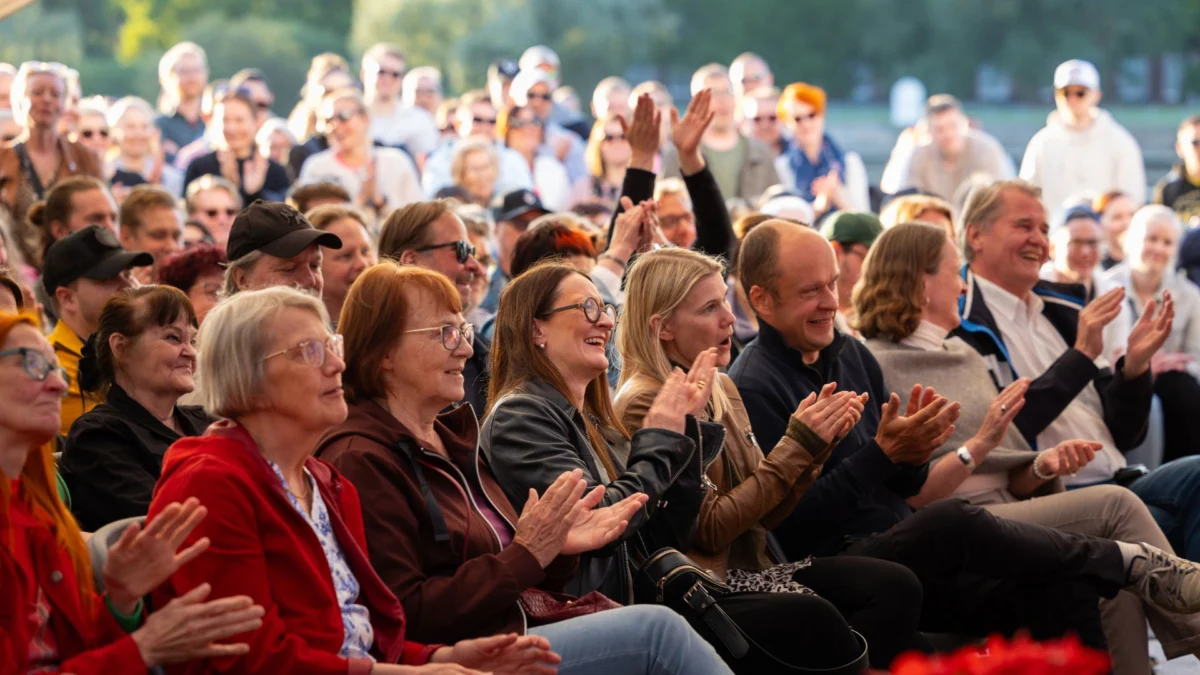
- Social Cohesion: Sports clubs and cultural institutions are identified as primary drivers of trust between citizens and the broader state.
- The Productivity Link: There is a concerted effort to bridge the gap between sedentary office life and active lifestyles, with organizations like the Finnish Institute of Occupational Health (TTL) leading the charge.
- The Economic Imperative: Beyond health, there is an urgent debate on how Finland can leverage major events—from sports championships to tech-cultural phenomena like Slush—to build national brand equity and attract international investment.
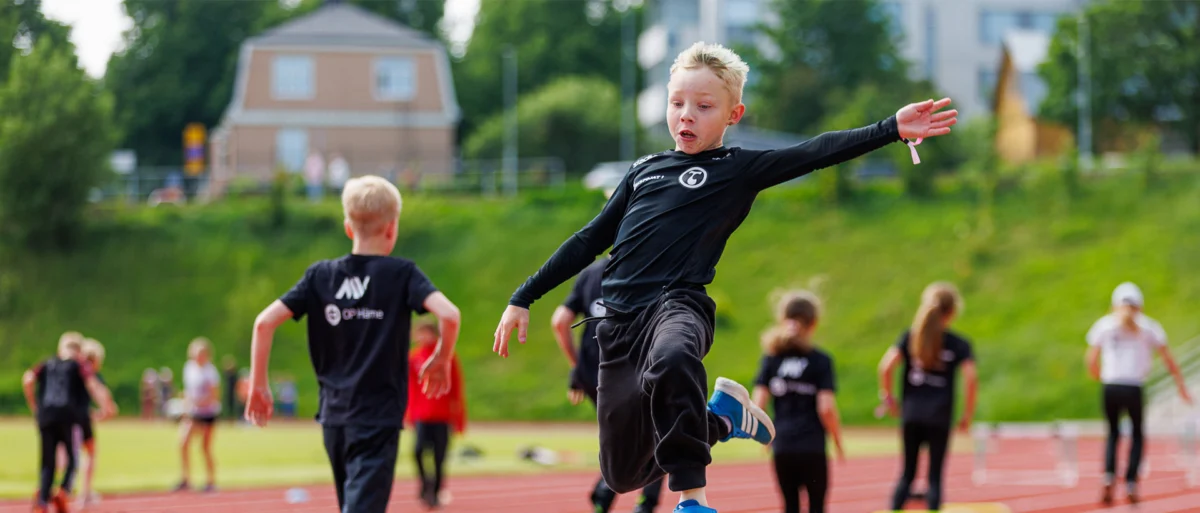
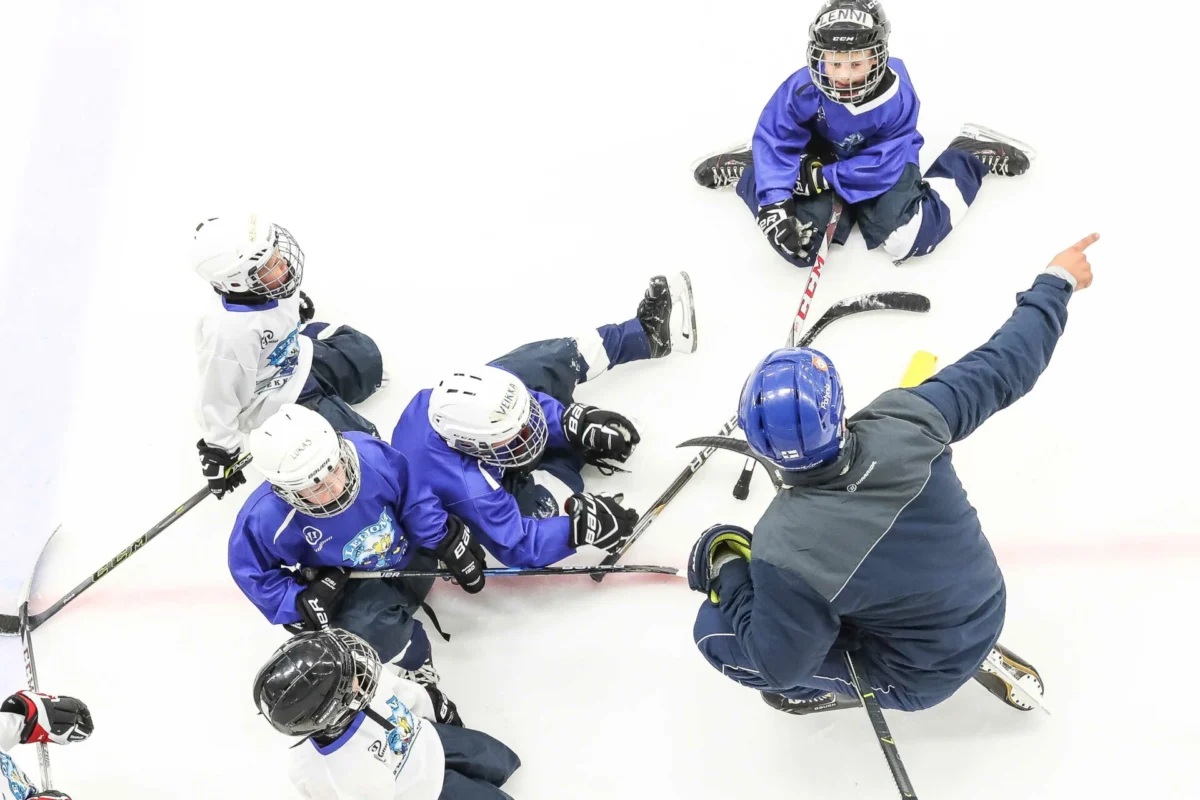
- The Youth Crisis: A recurring alarm is being sounded regarding the sedentary nature of modern childhood, with experts calling for a radical re-imagining of how we facilitate play, movement, and risk-taking for the next generation.
Chronology of the Debate: A Day of Discourse
The SuomiAreena schedule provides a roadmap of the national mood, moving from the philosophical to the highly pragmatic.
Morning: Setting the Economic Agenda
The day begins at the Raatihuoneenpuisto stage with a provocative session organized by Neoen Renewables Finland, titled "Goals and Targets – What can companies achieve together with the culture and sports sector?" This session challenges the traditional model of corporate sponsorship, asking how private enterprises can move beyond passive funding to become active architects of societal well-being.
Simultaneously, at the Satakunta stage, the Finnish Olympic Committee hosts the "Sports Report Card," a symbolic event where societal influencers with athletic backgrounds discuss how the grit, teamwork, and pressure-management skills learned on the field translate directly into leadership success in boardrooms and government offices.
Midday: The Structural Challenges
By noon, the focus shifts to the most vulnerable demographic. Reima hosts a session at the City Hall courtyard titled "Freeing the Children," focusing on the decline of active play. The panel challenges the societal trend of "over-protecting" children, asking whether we have built environments that stifle natural physical exploration.
At 14:00, the conversation moves to the Finnish Cultural Foundation’s stage. Here, a high-profile panel featuring MP Timo Furuholm, leisure manager Eeva Saarinen, director Katariina Havukainen, and researcher Matti Heino will dissect the "participation gap." They will address the uncomfortable reality that while sports and culture are good for society, access to them remains unequal, often concentrated among specific socioeconomic groups.
Afternoon: The Future of Infrastructure
As the day progresses, the discussion turns to concrete policy. At 16:00, the Finnish Institute of Occupational Health addresses the "Gym Bag" dilemma: Does physical activity actually boost workplace productivity, or is it a burden on the working day? The session will feature findings from the "Työikäiset liikkeelle" (Working-age people in motion) project, showcasing how 100 teams across Finland have successfully integrated movement into their daily routines.
Simultaneously, the Paviljonki hosts one of the most anticipated debates of the week: "Should Finland bid for the Olympics?" Featuring a mix of government officials and industry leaders like Noora Saksa (Slush) and Lumia Ankkuri (Messukeskus), the panel will weigh the immense costs of hosting mega-events against the potential for national branding and the economic ripple effects experienced after past successes like the Basketball European Championships.
Supporting Data: The Case for a More Active Society
The urgency behind these discussions is backed by worrying trends. Recent data suggests a widening polarization in the Finnish population: a "hard-core" group of high-performance athletes versus a growing segment of the population that is increasingly sedentary and socially isolated.
- The Productivity Gap: Studies suggest that active employees exhibit higher levels of cognitive function and resilience to burnout. The "Työikäiset liikkeelle" initiative serves as a pilot program to prove that state-sponsored physical activity is a cost-effective alternative to the rising healthcare costs associated with sedentary lifestyle diseases.
- The "Mega-Event" ROI: Proponents of hosting international events argue that while the upfront cost is significant, the intangible benefits—such as increased tourism, infrastructure upgrades, and improved national morale—are often undervalued in traditional accounting.
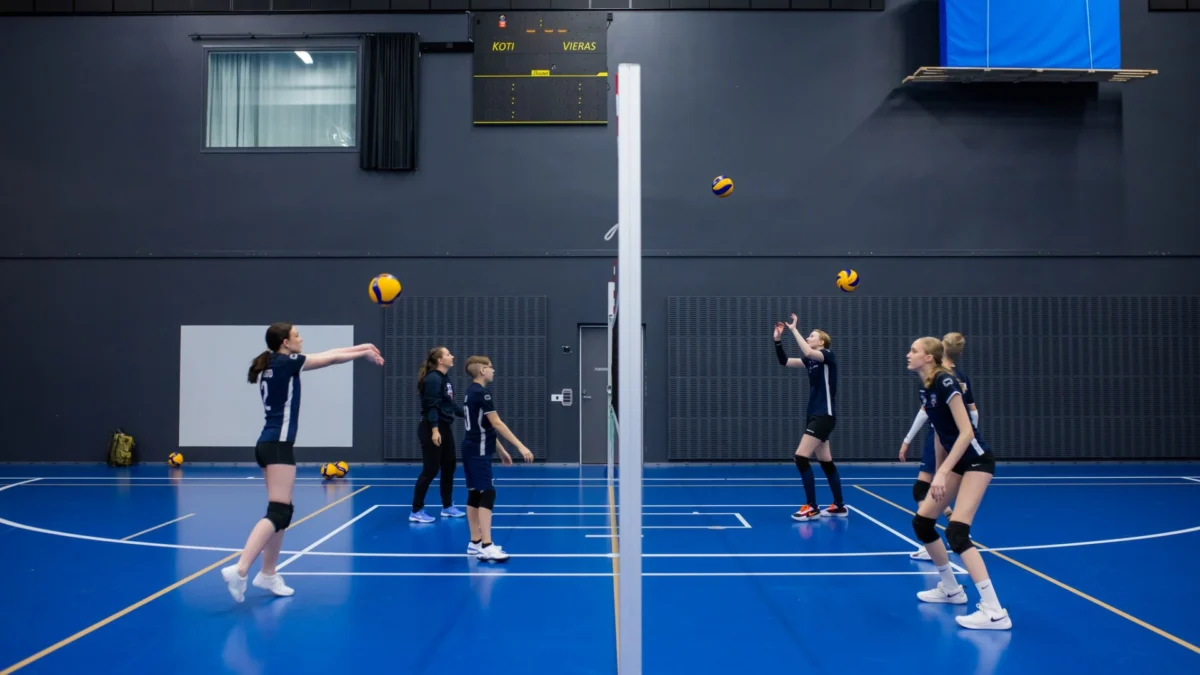
- Social Capital: Researchers note that local sports clubs are among the last remaining "third spaces" where Finns from diverse backgrounds interact, effectively acting as an antidote to the loneliness and social fragmentation currently gripping many Western nations.
Official Responses and Stakeholder Positions
The dialogue at SuomiAreena reflects a shift in how political figures view the "sports and culture" portfolio. It is no longer a peripheral concern handled by a junior department; it is now framed as a core component of national security and economic stability.
The Finnish Olympic Committee and The Finnish Workers’ Sports Federation (TUL) are pushing for a more robust integration of sports policy into the next government program. Their position is clear: without a national commitment to funding local clubs and maintaining aging facilities, the grassroots infrastructure that produces both healthy citizens and world-class athletes will crumble.
Porin kaupunki (The City of Pori), through its upcoming session on public construction, highlights the municipal struggle. Many cities face a "maintenance cliff," where sports halls and cultural centers built in the late 20th century are simultaneously reaching the end of their lifecycle. The official stance is that these buildings must be transformed from passive maintenance drains into "strategic hubs" that anchor city centers and foster community engagement.
Implications: Building a Resilient Finland
The implications of the discussions at SuomiAreena are profound. If Finland is to maintain its status as one of the world’s most functional societies, it must address the "hidden" crises of inactivity and social polarization.
1. The Need for Structural Reform
The consensus is that individual willpower is not enough. The state must create environments—both in the office and the urban landscape—that make "the healthy choice the easy choice." This includes the re-design of urban spaces to prioritize active movement over car-centric layouts, as well as the re-evaluation of how school days are structured to prioritize physical activity alongside cognitive learning.
2. A New Definition of Success
The "Olympics" debate is a microcosm of a larger identity crisis. Is Finland a nation that competes on the global stage, or is it a nation that focuses inward on the well-being of its local communities? The emerging answer is that it must be both. By hosting international events, Finland signals its confidence and openness, while the investment in local facilities ensures that the domestic population remains healthy and capable of sustaining that growth.
3. The Role of the Private Sector
Perhaps the most significant shift is the expectation placed on the business community. As state budgets tighten, the "social contract" is being rewritten. Companies are increasingly expected to view the health of their employees and the vitality of their local communities as a direct line item in their corporate social responsibility and profitability reports.
Conclusion
As the curtains close on the various stages of SuomiAreena, the overarching message remains one of cautious optimism. The challenges—sedentary lifestyles, decaying infrastructure, and social polarization—are real and growing. However, the depth of the expertise gathered in Pori suggests that the solutions are within reach.
Whether through the "gym bag" in the office, the revitalization of municipal sports halls, or the bold ambition of hosting world-class events, Finland is searching for a path forward that values movement as a fundamental right and culture as the glue that binds a nation together. The "light at the end of the tunnel," as the organizers of the Valoa yössä (Light in the Night) event noted, is visible—but reaching it will require a sustained, cross-sector effort that treats culture and physical activity not as afterthoughts, but as the primary pillars of the Finnish future.