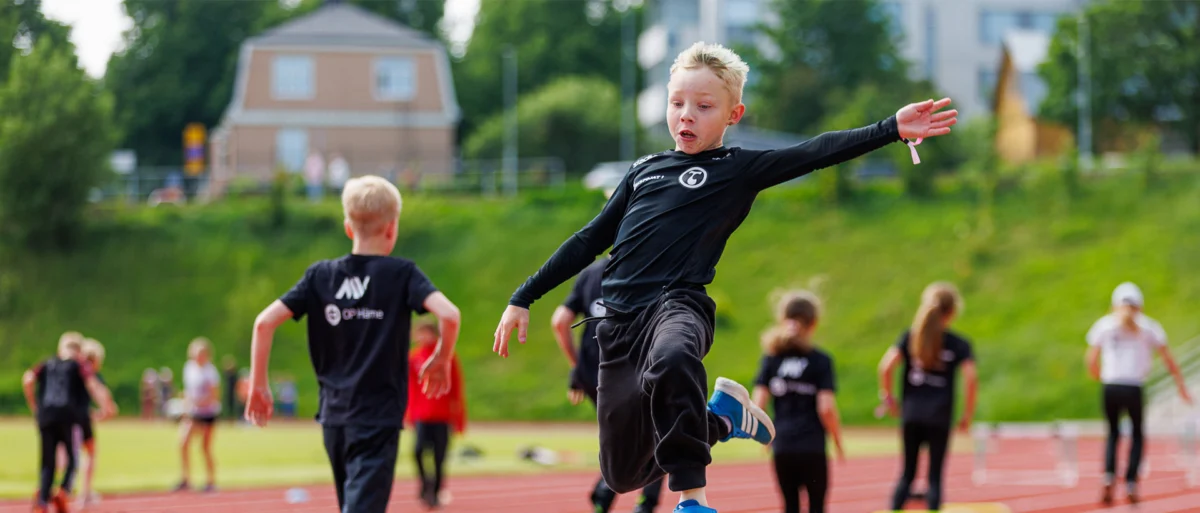
In the landscape of modern Finnish youth sports, a significant paradigm shift is underway. Moving away from the traditional, often premature specialization that has characterized athletic development for decades, the Finnish Athletics Federation (SUL) is championing a new philosophy: the "Hätäilemättä huipulle" (To the Top Without Rushing) pathway. At the heart of this initiative lies the "Tulevat Tähdet" (Future Stars) multi-sport competition, a program designed to encourage children to explore the full breadth of athletics rather than narrowing their focus too soon.
The Core Philosophy: Why Multi-Sport Matters
The fundamental premise of the Tulevat Tähdet program is that children develop physically, mentally, and socially at vastly different rates. By mandating or encouraging participation in a wide array of track and field disciplines, the program aims to build a robust foundation of movement skills. This approach is not merely about athletic performance; it is about long-term physical literacy and ensuring that the "joy of movement" remains central to a child’s experience.
Annika Rosberg-Haavisto, the head of sports operations at Hämeenlinnan Tarmo, a leading athletics club, emphasizes that their entire operational model is built upon a multi-event foundation. "Children grow and develop at very different paces, particularly during their growth spurts, where differences can be drastic," she explains. "It is crucial that children are given the chance to try various events. We aim to support this by coaching with a multi-event focus right up to the 17-year-old age group. This fosters comprehensive development and provides an excellent foundation for a long-term sports career or, at the very least, a healthy, active adulthood."
Chronology of a Shift: From Specialization to Versatility
The movement toward multi-sport competition did not happen overnight. It is the result of years of observation regarding dropout rates and the stagnation of fundamental motor skills in youth.
- Early Development Phase: Historically, youth athletics often mirrored adult structures, with children specializing in specific events (e.g., long jump or sprints) by age 10 or 11.
- Identification of the Problem: Coaching research and injury data indicated that early specialization led to overuse injuries and "burnout," causing many talented children to quit sports by their mid-teens.
- The Launch of "Tulevat Tähdet": The SUL introduced the multi-sport competition framework as a structural solution to gamify the experience of trying different events.
- Current Implementation: Clubs across Finland, such as Hämeenlinnan Tarmo, have integrated this into their DNA, often automating registration for multiple events at once to reduce friction for parents and athletes.
Supporting Data and Real-World Impact
The efficacy of the Tulevat Tähdet program is reflected in both qualitative feedback and quantitative growth in participation. According to Rosberg-Haavisto, the program has directly contributed to a resurgence in interest for historically niche events.
"In race walking, for instance, the number of participants has risen dramatically thanks to the multi-sport competition," she notes. "We have seen similar growth in hammer throw and pole vault. These are now everyday occurrences in our competition calendars, even for the youngest athletes."
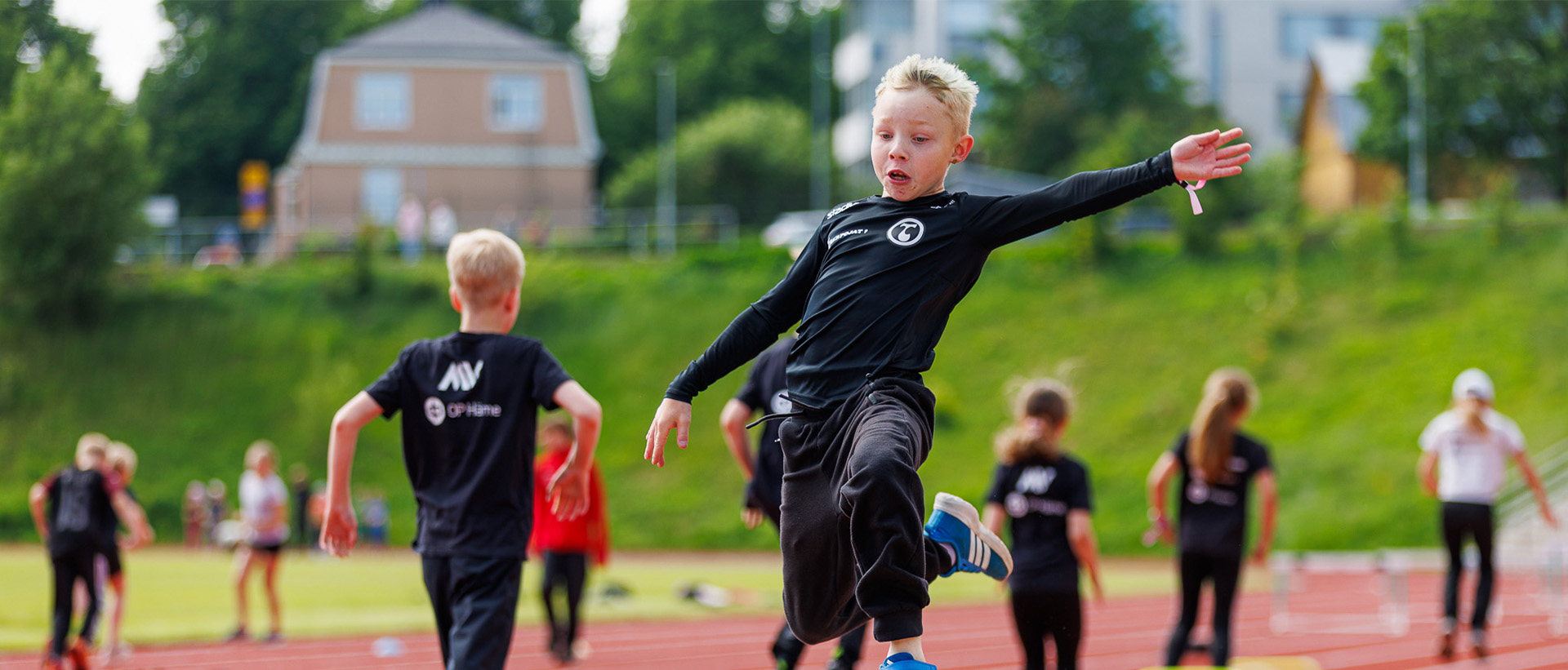
The program’s design—which rewards consistent participation across the entire season rather than singular, isolated performances—has changed the psychological approach to competition. Young athletes no longer feel the crushing pressure of a "do-or-die" performance in a single event.
Perspectives from the Track: The Athletes’ Voices
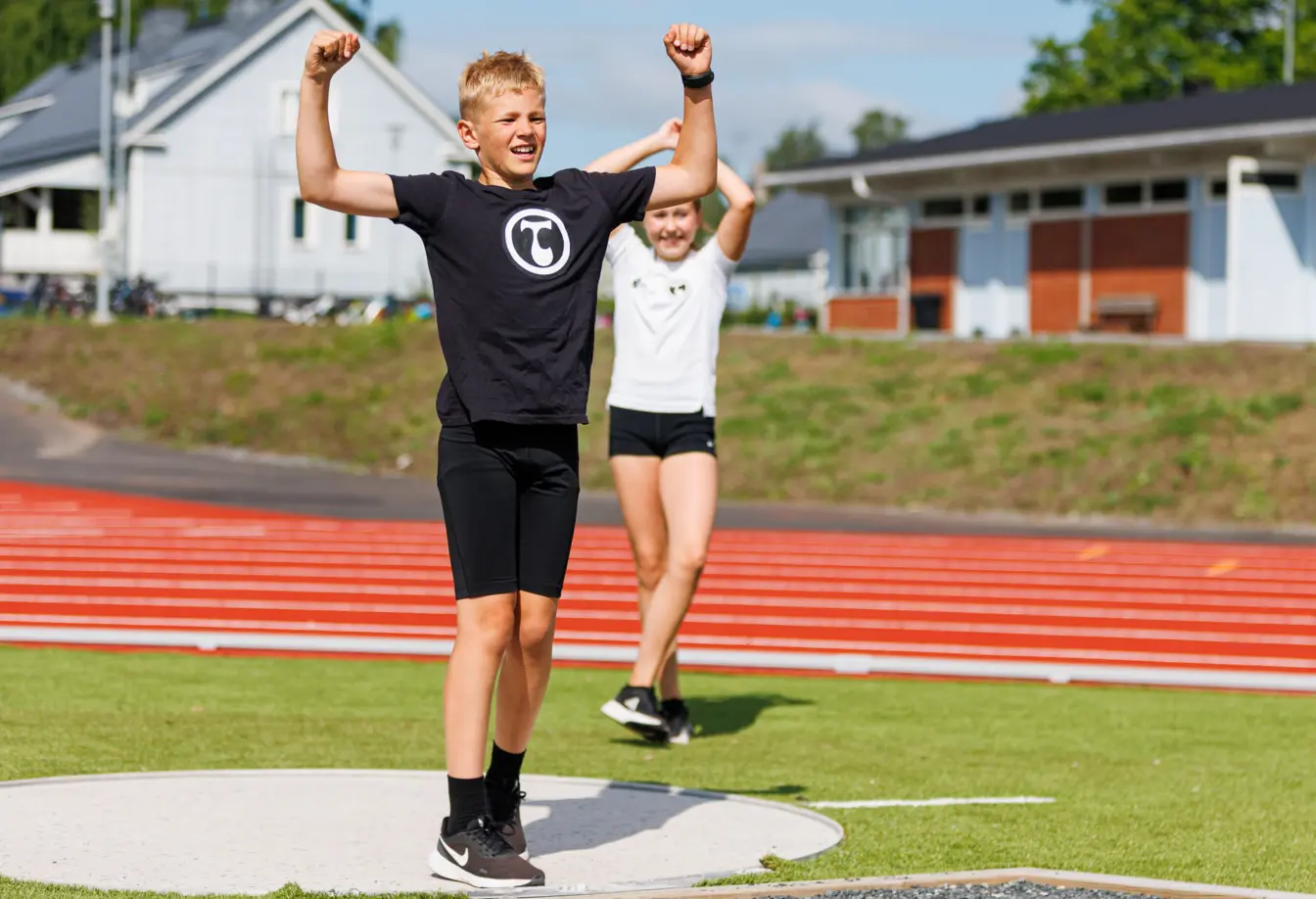
For the children themselves, the shift is experienced as an increase in variety and freedom. Julius Kelo (11) and Eelin Mielonen (12), two athletes from Hämeenlinnan Tarmo, offer a unique perspective on why this model is more engaging.
"The best part about these multi-sport competitions is that you end up doing events you wouldn’t necessarily have thought to try on your own," says Kelo. "You get to experience a wider variety of things."
Mielonen agrees, highlighting the relief that comes from a season-long scoring model. "Because the competition lasts the whole year, it’s nice that one bad performance doesn’t ruin your final result. You can perform well throughout the season, which is highly motivating. It’s great that our athletic path doesn’t rely on just one event."
For these young athletes, the lack of pressure to choose a "specialty" early on is liberating. They are encouraged to pursue what they enjoy, which often leads to finding hidden talents in unexpected areas. As Mielonen puts it, "I don’t have to make a decision yet. I can do things in a versatile way and eventually see which of the events is the most enjoyable."
Official Responses and Systemic Implications
The Finnish Olympic Committee and various sports federations are currently in a period of deep introspection. They recognize that youth sports in Finland are at a crossroads. Participation rates are fluctuating, and there is a documented decline in the basic physical competencies of children due to sedentary lifestyles.
"The current trends are not positive for the development of a lifelong healthy lifestyle or for the creation of future elite athletes," the Olympic Committee stated in a recent policy brief. "Children are entering organized sports at younger ages, but they are also leaving the system far too early."
The response, led by the Committee in collaboration with 40 sports federations, is a comprehensive effort to re-engineer the youth sports experience. The goal is clear:
- Lowering the Barrier to Entry: Making it easier for children to compete without feeling overwhelmed by bureaucracy or the fear of failure.
- Institutionalizing Variety: Forcing clubs to move away from "one-event" mentalities by creating structural incentives like mini-events where one registration covers three disciplines.
- Cross-Gender Cooperation: Implementing practices like mixed-gender heats to maximize participation and ensure that competition is always available, regardless of the number of entrants in a specific category.
The Future: Extending the Horizon
While the Tulevat Tähdet program has been a resounding success among primary school-aged children, the next challenge is scaling this model to older age groups. Rosberg-Haavisto and her peers at the club level are advocating for an expansion of the concept.
"It would be fantastic if we could extend this concept to the 14- to 15-year-old age groups," she suggests. "At this age, providing an additional incentive to continue versatile competition is critical. It is the age where many drop out, and keeping them engaged through a multi-sport framework could be the difference between a lifelong athlete and someone who leaves the sport entirely."
Conclusion: A New Foundation for Finnish Sport
The Finnish approach to youth athletics is moving toward a model that prioritizes the long-term athlete over the short-term winner. By fostering an environment where children can experiment, fail, succeed, and play across a spectrum of disciplines, the Tulevat Tähdet program is doing more than just building better athletes—it is building a more resilient sports culture.
As the SUL continues to refine these programs, the focus remains on the individual child’s journey. Whether these children eventually reach the podiums of the Olympics or simply carry the habits of a healthy, active life into their later years, the investment in versatility is proving to be the most vital strategy in the Finnish sports movement. The message is clear: the future of Finnish sport is not in the specialization of the few, but in the multifaceted development of the many.