
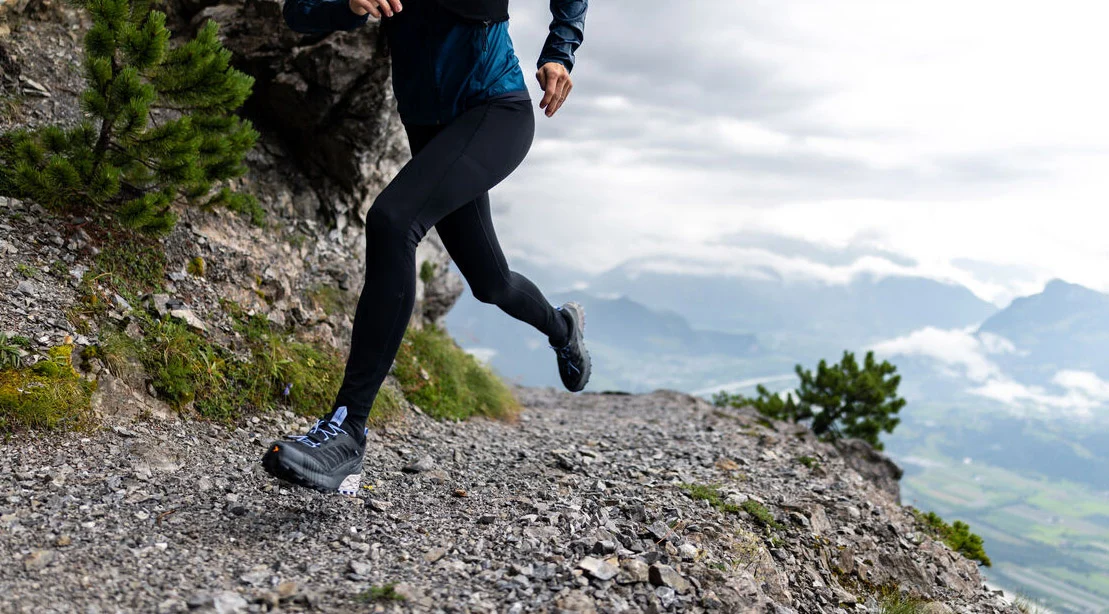
Trail running has undergone a quiet revolution. What was once a niche pursuit involving modified road shoes has blossomed into a sophisticated discipline defined by extreme specialization. Today, the "do-it-all" shoe is becoming a relic of the past, replaced by precision-engineered tools designed for specific topographies, distances, and biomechanical preferences. For the modern runner, the challenge is no longer finding a shoe—it is identifying the right one for a unique running profile.
The Landscape of Modern Trail Running
The current market is saturated with options, from stripped-back, ground-feel minimalist designs to towering, nitrogen-infused max-cushion platforms. As we look at the offerings for 2026, the industry has clearly pivoted toward three primary categories: technical mountain performance, road-to-trail versatility, and ultra-distance endurance.
Selecting the right pair is an exercise in honest self-assessment. Are you tackling jagged ridgelines in the Rockies, or are you transitioning from suburban pavement to groomed forest fire roads? Understanding these nuances is critical, as a high-stack, plush shoe can feel dangerously unstable on off-camber technical rock, while a low-profile, firm racing flat will leave your feet battered after 20 miles of relentless pounding.

Anatomy of the Perfect Trail Shoe: A Technical Breakdown
Before investing in new gear, runners must decode the features that govern performance.
Traction and Lug Dynamics
The outsole is the primary interface between athlete and earth. Deep, aggressive lugs—typically 5mm or greater—are essential for shedding mud and biting into loose, loamy soil. Conversely, shallower, multi-directional lugs perform best on hard-packed trails where excessive surface area provides superior grip. The rubber compound is equally vital; modern manufacturers are prioritizing "tacky" blends, like Vibram’s Megagrip, which provide adhesion on wet, slick surfaces without sacrificing the durability required for hard-packed gravel.
The Cushioning Paradox
Stack height has become a central point of contention. Higher stack heights (30mm+) utilize advanced foams like supercritical EVA or PEBAX to provide maximum energy return and joint protection, making them ideal for ultra-marathons. However, this comes at the cost of proprioception—the "ground feel" that allows a runner to adjust their stride instantaneously on rocky, unpredictable terrain.

Geometry and Stability
Stability in trail shoes isn’t just about arch support; it’s about the chassis. Features like rock plates—rigid layers inserted between the midsole and outsole—protect the foot from sharp protrusions. Furthermore, the heel-to-toe drop remains a critical biomechanical factor. A transition from a 10mm drop road shoe to a 0mm drop trail shoe can induce significant calf and Achilles strain if not managed with a deliberate adaptation period.
Top 8 Trail Running Shoes of 2026: Our Comprehensive Analysis
1. The Industry Standard: Hoka Speedgoat 7
The Speedgoat remains the benchmark for the "best overall" category. By integrating a new supercritical EVA midsole, Hoka has managed to reduce weight while increasing rebound.
- Performance: The 5mm lugs, paired with the iconic Vibram Megagrip, offer a reliable transition from smooth dirt to technical mountain scrambles.
- Implications: It is a rare "compromise-free" shoe. While it lacks the extreme specialization of a mountain-specific racer, it offers a comfort-to-performance ratio that suits 90% of runners.
- Note: We recommend sizing up by a half size to accommodate the updated, more adaptive vamp.
2. The Technical Specialist: Scarpa Ribelle Run 2
For those who treat trails as a vertical challenge, the Ribelle Run 2 is the premier choice.

- Technical Build: The "3S Frame" and a tensioned rand provide a lockdown fit that mimics a climbing shoe.
- Official Stance: Scarpa has prioritized control over plushness. The inclusion of supercritical Bounce Foam ensures that while the shoe is rigid enough for precision foot placement on granite, it is not unforgivingly stiff.
3. The Urban Explorer: Scarpa Golden Gate LT
Designed for the runner who starts at their front door and ends in the woods, this shoe is the king of versatility.
- Design Philosophy: By blending 20% PEBAX into the EVA midsole, the Golden Gate LT offers a snappy, responsive ride on asphalt that remains competent on gravel and singletrack.
- Data: Weighing in at 10.5 ounces, it is heavier than specialized racers, but for the daily trainer, it provides the longevity and comfort required for consistent volume.
4. The Minimalist Choice: Notace Yama
The Yama represents a departure from the "maximalist" trend, catering to runners who prioritize biomechanical efficiency and ground feedback.
- Key Specs: A 15mm stack height and zero-drop platform force a more natural gait.
- Supportive Data: The angled 3mm lugs are specifically positioned to aid in braking during technical descents, providing security without the bulk of traditional lugs.
5. The Gravel Specialist: Karhu Ikoni ATR
Karhu leverages its road-running expertise to create a shoe that thrives on "light" trails.

- Technology: The Fulcrum guidance system creates a rolling transition, which is remarkably smooth on gravel and packed dirt.
- Why It Works: It bridges the gap between road comfort and trail capability. It is not designed for mud-clogged, vertical terrain, but for the runner who prefers fire roads, it is arguably the most comfortable ride in the category.
6. The Long-Haul Workhorse: Rossignol Vercors
The Vercors is designed for those days when the trail changes character every few miles.
- Structural Support: Featuring an anti-torsion bar, this shoe maintains its integrity even when the terrain becomes uneven or rocky.
- Ergonomics: The 32mm stack provides substantial protection, making it an excellent choice for runners who want "max-cushion" comfort without the instability often associated with the highest stack heights.
7. The Maximalist King: The North Face Altamesa 500 V2
The Altamesa 500 V2 is the pinnacle of modern foam technology.
- Performance: Using a nitrogen-infused TPU midsole, this shoe offers a cloud-like landing.
- Stability: Despite the massive 36mm heel stack, the wider base platform prevents the "wobble" often found in high-stack shoes, providing confidence on technical terrain.
Chronology of Innovation
The evolution of these shoes follows a clear timeline of material science breakthroughs:

- 2022-2023: The rise of "super-foams" (PEBAX and nitrogen-infused EVA) in road running began trickling down into the trail sector.
- 2024-2025: Manufacturers began focusing on "chassis integrity," moving away from soft, mushy foam toward structured, energy-returning platforms that provide stability on uneven ground.
- 2026: We are currently in the era of "purpose-built geometry," where lug patterns are now being mapped to specific terrain types using biomechanical data.
Why You Should Trust Our Testing Methodology
Our evaluation process is rooted in the "real-world" metric. As certified strength and conditioning specialists and lifelong trail runners, our team tests these shoes across a variety of conditions—from the slick, root-heavy forests of the Pacific Northwest to the arid, rocky peaks of the desert Southwest. We do not just look at the spec sheet; we look at how the shoe performs after 100 miles of abuse. By combining quantitative data (stack height, weight, lug depth) with qualitative feedback (stability, breathability, lockdown), we provide a holistic view of what these tools can actually do for your training.
Implications for the Future of the Sport
The proliferation of specialized footwear suggests a maturing sport. Runners are no longer settling for a one-size-fits-all approach. As the 2026 season progresses, we expect to see even greater integration of recycled materials without sacrificing the performance of these high-end foams.
For the reader, the path forward is clear: define your terrain, understand your biomechanical needs, and do not be afraid to maintain a rotation of shoes. The right gear does not just make you faster; it keeps you healthy, upright, and engaged with the trails for years to come.