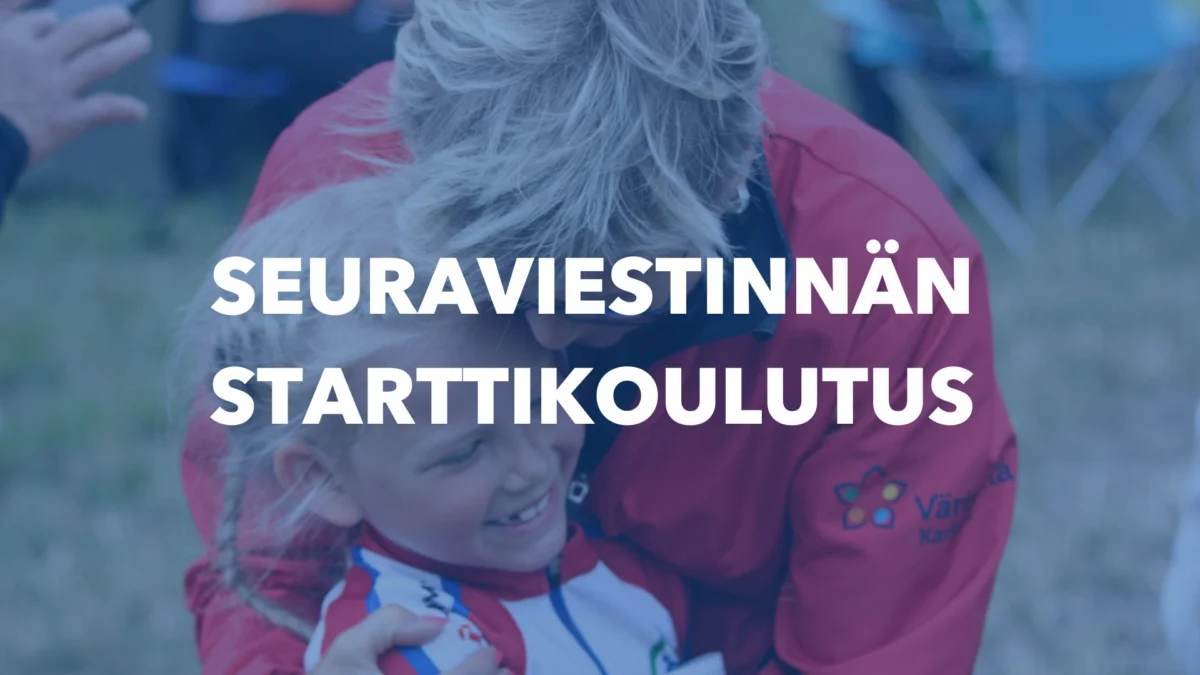
In an era where digital presence determines the visibility and vitality of community organizations, sports clubs often find themselves at a crossroads. While the passion for sport remains the core mission, the ability to effectively communicate that passion to members, sponsors, and the broader public has become a professional necessity. To bridge this gap, the Finnish Olympic Committee, in collaboration with national sports federations and regional sports organizations, has launched a comprehensive "Start-up Training for Club Communications."
This initiative is designed to demystify the complex landscape of modern media, providing volunteers and staff with the tools required to thrive in a competitive digital ecosystem.
Main Facts: Empowering Grassroots Communication
The "Start-up Training for Club Communications" is a free, open-access educational initiative aimed at equipping sports clubs with fundamental communication skills. Recognizing that many clubs operate with limited resources and volunteer-led teams, the program is structured for accessibility and flexibility.
The core curriculum covers the essential pillars of modern organizational communication:
- Content Creation: Mastering the art of writing for digital platforms.
- Social Media Strategy: Navigating the algorithms and trends of various platforms to maximize engagement.
- Crisis Communications: Preparing for the unexpected and managing public perception during challenging times.
- Strategic Planning: Aligning communication goals with the overall mission and growth objectives of the club.
The program has been recently updated to include a critical module on Copyright Law. This addition addresses the increasing legal complexities surrounding the use of imagery, videography, music, and written text in digital marketing.
Chronology: From Concept to Implementation
The development of this training program did not occur in a vacuum. It represents a long-term strategic effort by the Finnish Olympic Committee to standardize and elevate the quality of communication across the national sports sector.
- Needs Assessment: Throughout 2023, the Olympic Committee conducted surveys and workshops with local sports club leaders. The findings were clear: while clubs were eager to grow, they felt overwhelmed by the sheer volume of digital channels and the technical nuances of content creation.
- Collaborative Development: Throughout early 2024, a working group comprising communication experts from national federations and regional sports organizations began drafting the curriculum. This phase also involved direct input from club representatives, ensuring the training remained practical rather than overly theoretical.
- Launch and Rollout: The initial version of the training was released to the public in mid-2024. The program was designed to be modular, allowing users to consume content at their own pace.
- Expansion: In August 2024, the committee recognized the increasing frequency of legal disputes regarding intellectual property in sports photography and content sharing. Consequently, the copyright module was integrated into the existing framework to ensure clubs are not just effective, but also compliant.
Supporting Data: Why Communication Matters
The necessity of this program is backed by shifting trends in how audiences consume sports information. According to recent industry benchmarks, clubs that maintain an active, consistent, and professional digital presence see a 25–40% increase in member retention and a significant rise in volunteer recruitment.
However, the "digital jungle" is a major barrier. Data suggests that:
- Channel Fatigue: Small clubs often try to maintain a presence on too many platforms (Facebook, Instagram, TikTok, LinkedIn, and websites) without a cohesive strategy, leading to burnout.
- Compliance Risks: Unauthorized use of music or photography has become a significant liability. The inclusion of the copyright module is a direct response to the increasing number of legal inquiries received by regional sports bodies regarding digital assets.
- Volunteer Turnover: One of the biggest challenges in sports management is the constant cycle of new volunteers. By providing a standardized training program, the Olympic Committee aims to create a "knowledge base" that survives staff or volunteer transitions.
Official Responses: A Strategic Vision
The leadership behind this project emphasizes that communication is not merely an "add-on" to sports; it is the infrastructure upon which the community is built.
"Our goal is to lower the threshold for entry," stated a representative from the Finnish Olympic Committee during the launch event. "We realized that many clubs were discouraged by the technical jargon and the perceived complexity of social media. By breaking these topics down into digestible, modular parts, we are giving them the confidence to tell their stories."
The collaborative nature of the project—involving both national and regional bodies—is seen as its greatest strength. By aligning the messaging across different levels of the sports hierarchy, the project ensures that a small local soccer club receives the same level of professional insight as a larger, more established federation.
The Copyright Module: A Vital Update
Perhaps the most significant addition to the training is the deep dive into copyright. In the digital age, a club’s social media feed is its storefront. However, many clubs unwittingly violate intellectual property rights by sharing copyrighted music in videos or using stock images without proper licensing.
The new module covers:
- Image Rights: Understanding the difference between public interest and privacy when capturing photos of youth athletes.
- Media Licensing: How to source music and stock assets that are safe for commercial and promotional use.
- Attribution: The legal requirements for crediting creators and how to protect the club’s own intellectual property.
Implications for the Future of Sports Clubs
The long-term implications of this initiative are profound. As sports clubs become more proficient in their communication, the overall visibility of the Finnish sports culture increases.
1. Professionalization of the Volunteer Sector
By offering this training, the Olympic Committee is effectively professionalizing the role of the volunteer. This makes the volunteer experience more rewarding and impactful, which can lead to higher retention rates.
2. Improved Transparency and Crisis Resilience
Clubs that are trained in crisis communications are significantly better equipped to handle controversies—ranging from match-day incidents to internal organizational disputes. By having a pre-planned communication strategy, clubs can act quickly, transparently, and effectively, preserving their reputation.
3. Economic Stability
Effective communication is a prerequisite for successful sponsorship acquisition. Companies are increasingly looking for partners who can demonstrate a professional digital reach and an engaged audience. Clubs that master these communication tools are better positioned to secure the funding necessary for facility maintenance, equipment, and travel.
How to Engage with the Training
The training is designed for flexibility. It is not a rigid, multi-day course but rather a series of modules that can be completed in any order. This allows a club president to focus on strategic planning, while a social media manager can dive straight into the content creation or copyright modules.
The content is hosted through the Olympic Committee’s digital portal, which acts as a centralized hub for all sports-related educational resources. Clubs are encouraged to treat this not as a one-time project, but as an ongoing resource. As digital platforms evolve, the Committee plans to update the training materials, ensuring that the guidance remains relevant in the face of new social media algorithms or shifting legal landscapes.
Conclusion: A Call to Action
In the digital era, silence is a choice. For sports clubs, the "Start-up Training for Club Communications" provides the opportunity to move from being passive observers of the digital landscape to active participants. By investing time in these modules, clubs are not just learning how to post on Instagram or write a press release; they are learning how to secure their future, protect their reputation, and grow their community.
Whether you are a seasoned club manager or a parent helping out for the first time, the message from the Finnish Olympic Committee is clear: you are not alone in this process. The tools, the guidance, and the support structure are now in place. All that remains is for the clubs to take the first step into the arena of modern communication.
By leveraging these resources, every club—regardless of size or sport—can ensure that their voice is heard, their values are shared, and their community continues to thrive for years to come.