In the vast, sprawling ecosystem of outdoor e-commerce, the landscape has long been dominated by monolithic retailers. For decades, gear enthusiasts have relied on a handful of household names to secure their tents, packs, and technical apparel. However, a quiet, grassroots shift has been gaining momentum since 2014, centered on a platform that champions the underdog: Garage Grown Gear (GGG).
While retail giants focus on mass-market distribution and standardized inventory, GGG has carved out a unique niche by bridging the gap between independent "cottage" manufacturers—often working out of literal garages—and a growing community of outdoor enthusiasts seeking innovation, authenticity, and sustainability.
The Main Facts: What Sets GGG Apart
At its core, Garage Grown Gear is an e-commerce marketplace that aggregates products from small-scale, independent outdoor brands that are otherwise difficult to source individually. The platform operates as a curated hub for "cottage industry" gear, offering everything from ultralight backpacking packs and technical apparel to dehydrated, gourmet-grade trail meals.
The primary value proposition for the consumer is twofold: convenience and discovery. By consolidating niche brands under one virtual roof, GGG eliminates the logistical headache of ordering items from dozens of disparate websites, each with its own shipping fees and customer service protocols. With free shipping on orders over $50 and a consumer-friendly, 30-day return policy, GGG offers the user experience of a major retailer while maintaining the soul of a boutique shop.

A Chronology of the Cottage Movement
The rise of GGG did not happen in a vacuum. To understand its impact, one must look at the evolution of the outdoor industry:
- Pre-2010: The outdoor market was heavily centralized. Innovation trickled down from massive R&D budgets of industry titans like The North Face, Osprey, and Gregory. Small makers struggled to reach a wider audience without the backing of major retailers.
- 2014: Garage Grown Gear was founded. The goal was to provide a digital "front porch" for the burgeoning community of ultralight (UL) backpackers and independent gear designers.
- 2015–2019: The "Cottage Brand" movement exploded. The internet allowed makers to prototype gear in their homes and market directly to consumers via forums like Reddit’s r/ultralight. GGG acted as the vital middleman, scaling these brands’ reach.
- 2020–Present: The pandemic accelerated the shift toward online shopping and outdoor recreation. As supply chain issues plagued major corporations, the agility of small-scale makers—and the platform that supported them—became a lifeline for gear-hungry adventurers. Today, GGG serves as a barometer for the most cutting-edge, experimental gear on the market.
Supporting Data: Why Consumers Are Making the Switch
The shift toward platforms like GGG is not merely aesthetic; it is driven by hard data regarding consumer habits and economic ethics.
The Cost of Consolidation
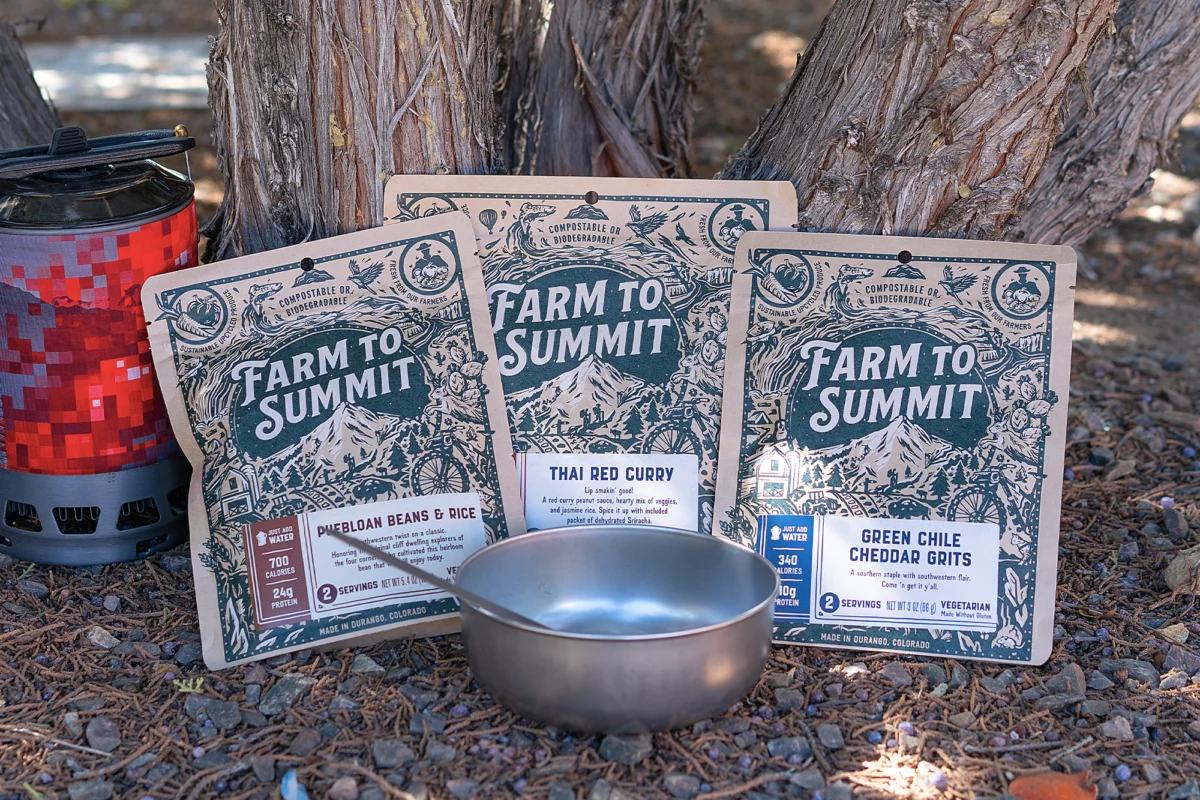
Shopping with individual cottage brands directly is often prohibitively expensive due to cumulative shipping costs. By centralizing inventory, GGG allows for a "mixed-cart" shopping experience. A consumer can purchase a high-end pack from YAR.gear, trail sandals from Shamma Sandals, and a week’s worth of meals from Farm to Summit in a single transaction, hitting the $50 threshold for free shipping.
The Return Policy Gap
Retail analysts have noted that customer service is the "make-or-break" factor for online platforms. While industry giants like Backcountry often charge return shipping fees—sometimes upwards of $8 per shipment—GGG provides a streamlined, no-hassle return policy for unused items within 30 days. This lowers the barrier to entry for trying new, unproven brands.

The "Innovation" Metric
Data from the GGG inventory shows a high density of "UL" (ultralight) classified products. These are not merely lighter versions of standard gear; they are engineering feats. Whether it is the integration of Alpha 90/120 fleece fabrics or the development of specialized backcountry bidets, GGG’s inventory represents the current "bleeding edge" of outdoor technology.
Official Responses and Industry Perspectives
Industry experts suggest that GGG’s success is a direct response to the "corporatization" of the outdoors.
"When you buy from a massive retailer, you are contributing to a bottom line that is often disconnected from the actual trail experience," notes an industry analyst familiar with the site. "When you buy from GGG, you are directly funding the person who spent six months prototyping a pack strap or refining a dehydrated recipe."
This sentiment is echoed by the brands themselves. For a maker working in a residential garage, securing a spot on GGG is often the turning point between a hobby and a sustainable business. By providing a platform, GGG allows these entrepreneurs to focus on what they do best—designing and sewing—while the platform handles the complexities of SEO, marketing, and order fulfillment.

The Implications: A New Future for Outdoor Retail
The existence of GGG has profound implications for the future of the outdoor industry. As shoppers become increasingly conscious of the "who" and "where" behind their gear, the model of supporting independent creators is moving from the fringe to the mainstream.
1. The Death of the "One-Size-Fits-All" Gear List
For years, gear guides were dominated by the same 10 brands. GGG is dismantling this monopoly. Consumers are now exposed to a wider array of options, leading to a more personalized, efficient, and thoughtful gear closet. The ability to cross-compare technical fabrics—like the nuances between different micro-grid fleeces—is fostering a more educated and discerning consumer base.
2. A Moral Alternative
The current retail climate is fraught with labor disputes and ethical controversies. As major retailers face public scrutiny over their treatment of warehouse workers and corporate policies, GGG offers a "clean" alternative. By supporting a platform that explicitly prioritizes independent, small-batch manufacturing, consumers are effectively voting with their wallets for a more equitable and human-centric supply chain.
3. The "Science Fair" Effect
Perhaps the most significant implication is cultural. GGG has fostered a community of "tinkerers." By showcasing innovative food (like the rise of specialized oat-milk granolas for the lactose-intolerant hiker) and radical pack designs, GGG encourages users to think of their gear as a dynamic set of tools rather than static consumer goods. It invites the user to participate in the evolution of outdoor technology.

Conclusion: Why It Matters
For those who have not yet discovered Garage Grown Gear, the platform offers more than just a place to buy equipment—it offers a way to engage with the outdoor community on a deeper level. It is a space where the barriers between the designer, the retailer, and the hiker are significantly lowered.
Whether you are a seasoned thru-hiker looking to shave ounces off your base weight, or a weekend adventurer looking for a better-tasting meal after a long day on the trail, GGG provides the tools to improve your experience. In an age of mass-produced, soul-less gear, there is something inherently refreshing about supporting a platform that celebrates the grit, creativity, and passion of the independent outdoor maker.
The next time you find yourself browsing for new gear, consider looking past the industry giants. The best innovation, the most interesting designs, and the most authentic products aren’t always found in the big-box stores. Sometimes, they are found right where they started: in the garage.