In an era where global sports are increasingly defined by precision, data analytics, and high-stakes performance, the ability to communicate with absolute clarity is no longer just an administrative preference—it is a fundamental necessity. To address the linguistic ambiguity that has long persisted within the athletic landscape, the Research Institute for Olympic Sports (KIHU) and the Finnish Terminology Centre have officially released the Competitive and Elite Sports Vocabulary (Kilpa- ja huippu-urheilun sanasto).
This groundbreaking publication serves as a standardized reference point, aligning terminology across the Finnish sports sector. By harmonizing how stakeholders define essential concepts, this initiative aims to bridge the gap between academic theory, coaching practice, and organizational management.
Main Facts: A Blueprint for Precision
The newly released vocabulary is the result of an intensive, year-long collaborative effort between national sports authorities and linguistic experts. Its primary objective is to solidify a common understanding of terminology used in the context of competitive and elite sports.
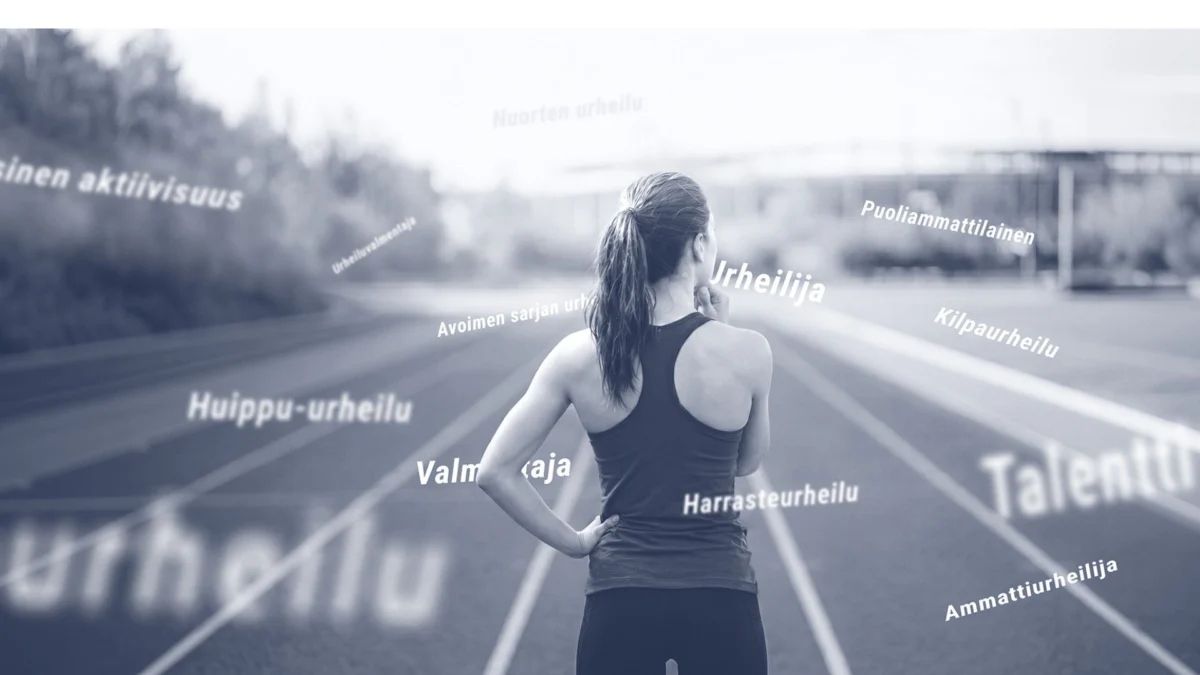
The publication provides precise definitions for 23 foundational concepts. These are not limited to specific athletic disciplines, which often have their own jargon, but rather focus on universal concepts that cut across the entire spectrum of high-performance sports. The scope includes:
- Operational Concepts: Definitions for terms such as "competitive sports" and "coaching," providing a standardized baseline for how these activities are categorized.
- Personal Concepts: Standardized terminology for roles within the ecosystem, such as "professional athlete" and "sports coach."
- Methodological Rigor: Each term is presented as a structured "term record," complete with conceptual system diagrams. These diagrams are critical, as they visually illustrate the hierarchical and functional relationships between different areas of sports science and administration.
The vocabulary is available as a digital resource, designed to be used by coaches, sports federations, policy makers, and media professionals who require consistent and accurate language when discussing the nuances of athletic achievement.
Chronology of Development
The path to this standardized vocabulary was marked by a commitment to inclusivity and evidence-based consensus. The project was launched in August 2025 as a vital component of the Ministry of Education and Culture’s broader initiative, "Knowledge Work for the Renewal of Elite Sports."
- August 2025: The partnership between KIHU and the Finnish Terminology Centre is formalized, with a dedicated team of terminologists tasked to oversee the project.
- Autumn 2025 – Winter 2026: A working group, comprised of subject matter experts, engages in a series of rigorous debates regarding the scope and nuances of the selected terms.
- March 2026: The draft version of the vocabulary is opened to a public consultation phase. Feedback was solicited from sports organizations, academic institutions, and industry professionals.
- May 2026: Following the incorporation of feedback from the public consultation, the final version is published as part of the KIHU publication series (No. 93).
This timeline reflects a deliberate effort to ensure that the vocabulary was not merely a top-down mandate, but a living document reflective of the actual needs of the Finnish sports community.
Supporting Data and Conceptual Frameworks
Defining sports in a vacuum is difficult because the term itself is highly contextual. During the drafting phase, the working group had to navigate the tension between colloquial usage and professional standardization.
The Complexity of Defining "Sport"
The group found that "sport" is a multifaceted social, cultural, and economic phenomenon. After intense deliberation, they settled on a functional definition: for an activity to be classified as "sport" within this vocabulary, it must inherently involve a physical performance and a competitive element.
The Case of "Talent"
Perhaps the most debated term was "talent." Recognizing that the word has no direct, equivalent synonym in Finnish that carries the same weight, the committee opted to retain the loanword. Crucially, they redefined its application for the Finnish sports context:
- Reframing Talent: Within the new vocabulary, "talent" does not refer to innate, immutable genius. Instead, it refers to a person currently engaged in competitive sports who possesses specific observable attributes that allow them to be assessed as having the capacity to develop into an elite athlete. This shift is significant, as it moves the focus from "nature" to "developmental potential."
Official Responses and Expert Insights
The project was coordinated by Sanna Pusa, an expert at KIHU, who highlighted the difficulty of balancing linguistic accuracy with practical utility.
"The conversations we had within the working group, combined with the diverse feedback from the field, showed just how demanding this project was," said Pusa. "It was an incredibly interesting challenge. We realized early on that some sub-sectors of sport—such as the vast and complex world of coaching—could easily justify their own dedicated vocabulary projects in the future."
Pusa also acknowledged the reality of a changing landscape. "Some of these concepts will undoubtedly face updating needs in the near future, as the world of sports evolves rapidly. Our work is a snapshot in time, but it provides the foundational language we need to discuss that change."
Implications for the Future of Finnish Sports
The release of this vocabulary has several far-reaching implications for the Finnish athletic ecosystem:
1. Enhanced Policy-Making
When the Ministry of Education and Culture or the Finnish Olympic Committee drafts new policies, they can now rely on a standardized lexicon. This reduces the risk of administrative errors caused by misinterpreting terminology in funding applications or developmental programs.
2. Improved International Alignment
Because the vocabulary provides official English and Swedish counterparts for every Finnish term, it facilitates easier international cooperation. For Finnish athletes and coaches working abroad, having an official, government-backed translation of their professional terminology is a significant asset.
3. A Foundation for Future Specialization
As noted by the project coordinators, this is a starting point rather than a final destination. By defining the "big picture" terms, the sports community has created a template for future projects. Specialized areas like sport psychology, biomechanics, and nutrition now have a linguistic framework upon which they can build their own sub-vocabularies.
4. Professionalization of the Industry
The shift toward standardized, clear, and professional terminology is a hallmark of an industry maturing. By moving away from vague, ambiguous language, the Finnish elite sports community is signaling that it operates with the same level of professional rigor as high-stakes industries like medicine or engineering.
Conclusion: A Living Resource
The Competitive and Elite Sports Vocabulary is more than a list of definitions; it is a tool for clarity in a high-pressure environment. By standardizing the language of excellence, KIHU and the Finnish Terminology Centre have provided the infrastructure for better communication, more efficient administration, and a clearer pathway for the development of future talent.
As the sports world continues to shift—pushed by technological advancements and changing societal values—this vocabulary will serve as the anchor that keeps the discourse grounded, precise, and professional.
Publication Details:
- Kilpa- ja huippu-urheilun sanasto (Competitive and Elite Sports Vocabulary)
- Publisher: Huippu-urheilun instituutti KIHU & Sanastokeskus, 2026.
- Series: KIHUn julkaisusarja, no. 93.
- Identifiers: ISBN 978-952-7290-38-5 (digital), ISSN 2489-8317 (digital).
For further information:
- Sanna Pusa: Expert, KIHU ([email protected] | +358 400 815 943)
- Jari Lämsä: Leading Expert, KIHU ([email protected] | +358 500 245 493)
- Liisa Ahlqvist-Lehkosuo: Sports Director, Finnish Olympic Committee ([email protected] | +358 40 592 5109)