In a landmark development for the Finnish sporting landscape, the Olympic Fund (Olympiarahasto) has officially surpassed the two-million-euro threshold in private donations. This milestone has triggered a pre-agreed state matching commitment, effectively doubling the capital and pushing the fund’s total assets beyond four million euros. This achievement marks a pivotal shift in how Finland plans to sustain its athletic prowess, moving away from traditional year-to-year budgetary cycles toward a permanent, self-sustaining financial endowment.
The Core Facts: A New Era of Financial Stability
The Olympic Fund is designed as a perpetual endowment, structured to ensure that the principal capital remains untouched while the annual returns generated from investments are funneled directly back into the sports ecosystem. By securing this initial capital base, the fund has established a reliable mechanism to support children’s physical activity, local sports clubs, and elite athletic development for generations to come.
The strategy is simple yet ambitious: keep the capital intact and distribute only the investment yields. With Aktia acting as the fund manager, the strategy has already demonstrated significant success. To date, the investment activities have yielded an average annual return of approximately nine percent. This strong performance provides the flexibility to increase the amount of aid distributed annually while simultaneously ensuring that the core endowment continues to grow, protecting the financial future of Finnish sport against economic volatility.
Chronology: From Concept to Capitalization
The journey toward a sustainable sporting endowment did not happen overnight. It is the result of years of strategic planning by the Finnish Sports Support Foundation (Suomen urheilun tukisäätiö).
- Foundation and Strategy: The fund was established with the explicit intent of decoupling sports development from the unpredictability of short-term grants and sponsorship cycles.
- The Matching Mechanism: A critical component of the fund’s growth was the state’s commitment to provide matching funds. For every euro donated by the private sector, the government committed to a matching contribution, creating a powerful incentive for philanthropic investment in sport.
- Early 2026: The fund achieved operational status in terms of distribution, awarding its first round of grants to young athletes and local sports clubs. This marked the shift from "fundraising mode" to "impact mode."
- The Two-Million-Euro Milestone: By the end of 2025 and early 2026, the cumulative private donations crossed the two-million-euro mark.
- The Current Status: With the state matching the two million in private funds, the total capital has surged past the four-million-euro mark, providing a stable foundation for the next decade of growth.
Supporting Data: Why an Endowment Model?
The shift toward an endowment model is not merely a financial preference; it is a strategic necessity. In many European nations, sports funding has historically been vulnerable to political shifts and austerity measures. By creating an independent, invested pool of capital, the Finnish model offers three specific advantages:
- Inflation-Proofing: By investing the capital in diversified portfolios, the fund aims to outpace inflation, ensuring that the "purchasing power" of the grants awarded to clubs remains stable over time.
- Long-term Planning: For a sports club, knowing that a certain level of funding is available for the next five years is infinitely more valuable than receiving a one-off grant. This allows for long-term investments in coaching, facilities, and youth development programs.
- Independence: The endowment model provides a layer of insulation from the immediate political climate. While the state is a key partner, the existence of the fund ensures that the core activities of the Finnish Olympic Committee and its constituent members are not entirely reliant on the whims of a single legislative cycle.
Official Responses: Strengthening the Foundation
Lauri Inna, Chairman of the Finnish Sports Support Foundation, views this milestone as a watershed moment for the country’s sports culture.
"This is a powerful indication that Finnish society recognizes the need to build long-term financial solutions for sport," Inna stated. "A capital base of over four million euros allows us to provide meaningful support to Finnish athletics, but more importantly, it signals a change in mindset. We are no longer operating on a project-by-project basis. We are building a permanent foundation."
Inna emphasized the generational impact of the initiative: "The Olympic Fund is not a one-time project or a time-bound support program. We are building a permanent bedrock for Finnish sport. Every donation leaves a trace that will still be visible decades from now."
The management of these funds is overseen by professionals at Aktia, who maintain a rigorous investment strategy. The nine percent average return is a testament to the prudent yet growth-oriented approach that has characterized the fund’s infancy.
Implications: The Road Ahead
The success of the fund to date is only the beginning. The Finnish government has demonstrated its long-term commitment to this vision by pledging to continue doubling the Olympic Fund’s private donations until the end of 2027, with a ceiling of 20 million euros.
The Role of Private Donors
The fund acts as a conduit for those wishing to contribute to the future of Finnish sport. By allowing individuals and corporations to see their contributions "doubled" by the state, the fund creates a unique value proposition for philanthropists. The goal is to reach the 20-million-euro ceiling, which, if fully realized, would result in a 40-million-euro total endowment. Such a figure would generate substantial annual yields, providing millions in support for sports infrastructure, talent identification, and community health initiatives every single year without ever depleting the principal.
Impact on Grassroots vs. Elite Sport
One of the most frequently asked questions regarding the fund is how the proceeds will be balanced. The foundation has clarified that the mandate is broad:
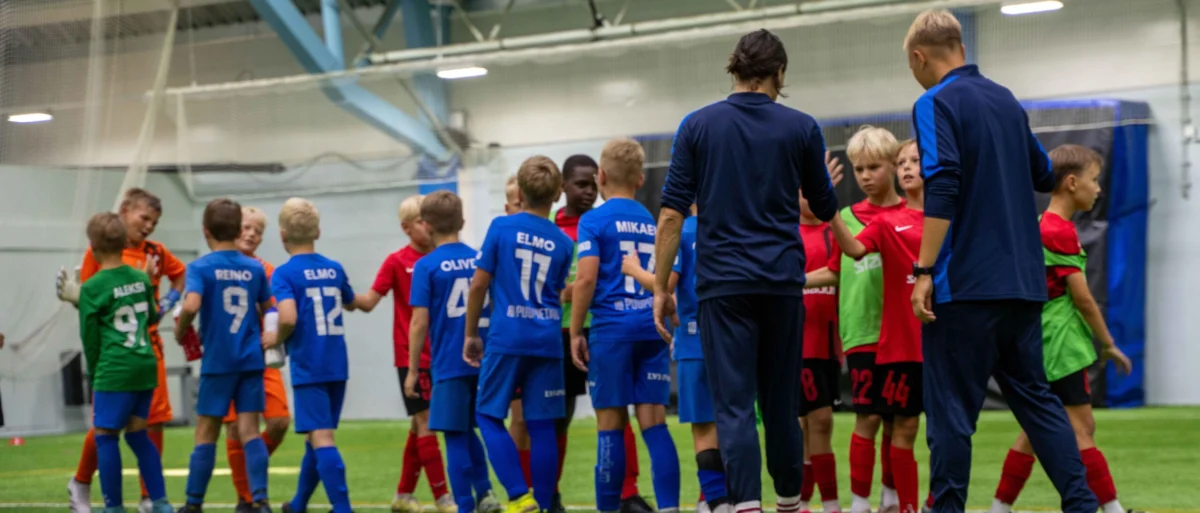
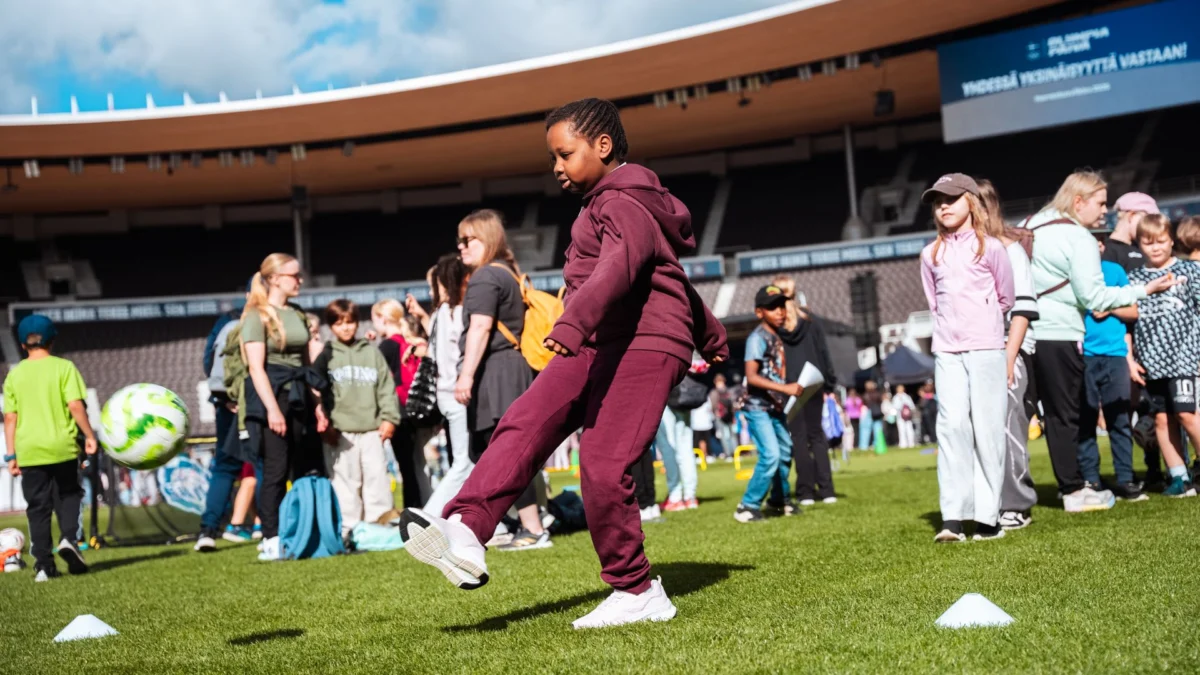
- Children and Youth: A primary objective is to lower the barrier to entry for youth sports, ensuring that financial background does not dictate a child’s ability to participate in organized athletics.
- Sports Clubs: The lifeblood of the Finnish model, clubs, will receive support to improve their operational capacity, coaching standards, and facility maintenance.
- Elite Performance: While the focus is on the long term, the fund also supports the "pathway to the podium," ensuring that high-performance athletes have the resources necessary to compete at the world level.
Looking Forward: A Legacy for 2030 and Beyond
As the fund continues to grow, its role in the Finnish sports landscape will likely expand. The objective for the next 24 months is clear: maintain the pace of donations to hit the state-matched 20-million-euro target.
For the Finnish sporting community, the implications are profound. If the goal is met, the Olympic Fund will effectively become one of the most stable, non-governmental funding sources for sport in Northern Europe. It represents a mature approach to national well-being, acknowledging that physical activity and athletic excellence are long-term public goods that require a foundation as solid as the principles of the Olympic movement itself.
For those interested in contributing to this long-term legacy, the Finnish Sports Support Foundation, led by Asiamies Perttu Pajukoski, continues to operate as the primary point of contact for donors and stakeholders.
For more information:
- Contact: Perttu Pajukoski, Asiamies, Finnish Sports Support Foundation
- Phone: +358 50 329 1228
- Email: [email protected]
As the sun sets on the early stages of this initiative, the message from the Finnish Olympic Committee is clear: the future of sport in Finland is being built not just in training halls and stadiums, but in the enduring stability of the Olympic Fund. The path is set, the foundation is laid, and the next generation of Finnish athletes stands to inherit a system that is, for the first time, built to last.