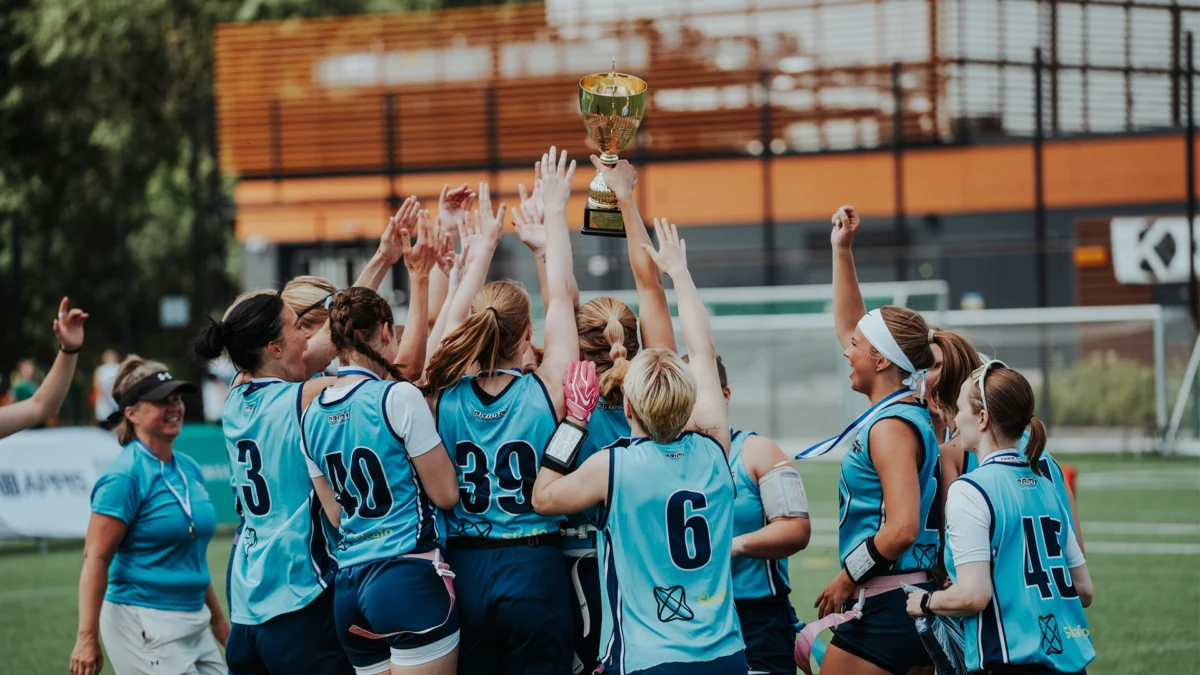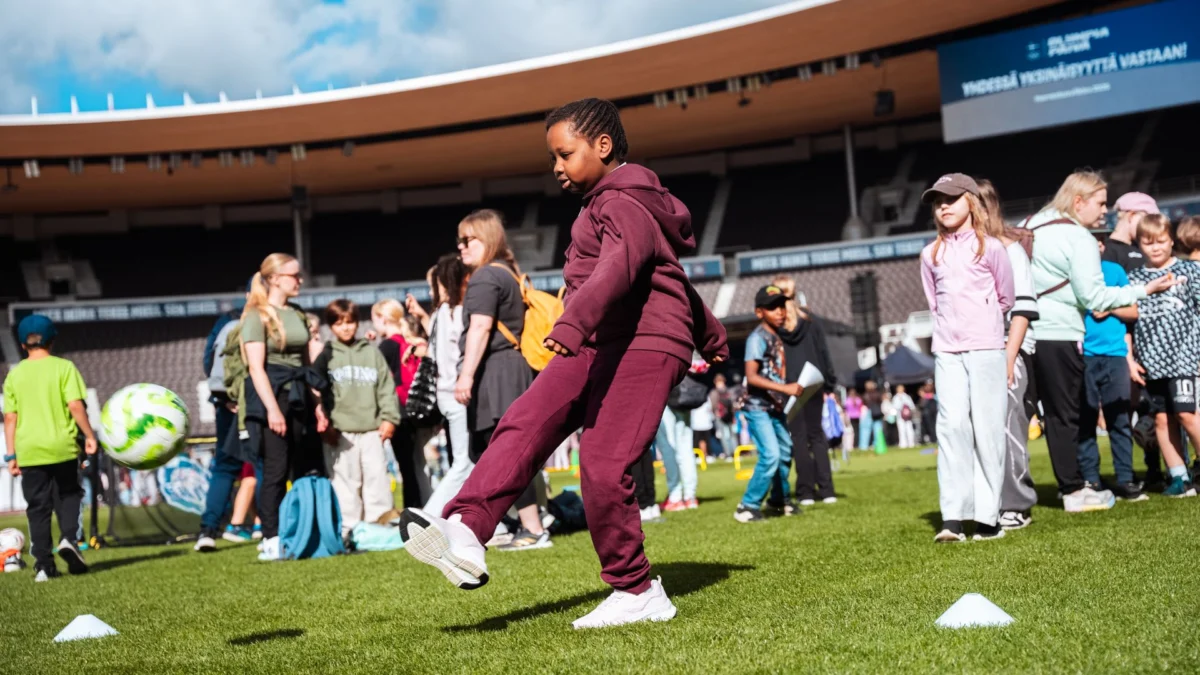
On September 4, 2026, the historic Helsinki Olympic Stadium—a site synonymous with Finland’s sporting heritage—was transformed into a vibrant hub of physical activity, discovery, and community spirit. The occasion was "Olympiapäivä" (Olympic Day), a massive, inclusive event that drew 8,000 visitors to the heart of the capital to participate in, learn about, and celebrate the joy of movement.
With nearly 40 different sports showcased, the event served as a powerful reminder of the role athletics play in fostering social cohesion, mental well-being, and long-term health. By bridging the gap between curiosity and active participation, the organizers aimed to make starting a new hobby accessible to everyone, regardless of age or background.
The Core Facts: A Day of Limitless Exploration
Olympiapäivä was designed as a low-threshold gateway into the world of organized sports. The premise was simple: invite the public, particularly youth, to test drive sports they might never have encountered otherwise.
Key Event Highlights:
- Attendance: 8,000 total visitors, including 6,000 schoolchildren.
- Engagement: Nearly 40 distinct sports disciplines were available for hands-on trial.
- Theme: The event was anchored in the "Together Against Loneliness" (Yhdessä yksinäisyyttä vastaan) campaign, a nationwide initiative promoting the importance of social inclusion through shared physical activity.
- Organizer: The Finnish Olympic Committee, in collaboration with the City of Helsinki, the Olympic Stadium, the Tahto Center for Sport and Exercise, and numerous national sports federations.
Chronology: From Dawn to Dusk at the Stadium
The day unfolded as a meticulously planned operation, designed to maximize interaction and minimize barriers to entry.
Morning: The School Surge
The morning hours were dedicated to the city’s schools. As buses arrived at the stadium gates, over 6,000 students flooded the arena. The atmosphere was electric as children, often accompanied by their teachers, moved between stations. For many, this was a rare opportunity to step onto the legendary turf and engage with professional coaches and athletes who provided expert guidance on the basics of everything from gymnastics and combat sports to traditional Finnish athletics and team games.
Midday: Open Access for All
As the school groups departed, the stadium opened its gates to the wider public. Families, retirees, and curious adults filled the concourses. The diverse demographic highlighted the universal appeal of movement. The "try-out" format allowed visitors to spend as much or as little time as they wanted at each station, removing the pressure of long-term commitment while encouraging the discovery of hidden talents.
Afternoon: The Spirit of Celebration
The afternoon focused on the social aspect of sport. The event served as a celebration of the upcoming 75th anniversary of the 1952 Helsinki Summer Olympics—a milestone that will be officially commemorated in 2027. This historical context added a layer of depth to the day, framing the event not just as a one-off gathering, but as a continuation of the physical culture that has defined Helsinki for nearly a century.
Supporting Data: The Power of Low-Threshold Initiatives
The significance of Olympiapäivä lies in its objective to combat sedentary lifestyles and social isolation. Data collected by the Finnish Olympic Committee suggests that the primary barrier to entry for many potential athletes is not a lack of interest, but a lack of information and the "intimidating" nature of joining established clubs.
By consolidating 40 sports under one roof, the organizers successfully lowered the psychological barrier.
- Conversion Metrics: While the event was a one-day spectacle, its success is measured by the subsequent traffic to digital platforms like Suomisport, where individuals can find local clubs and "Star Clubs" (Tähtiseurat) near their homes.
- Social Impact: The "Together Against Loneliness" campaign underscored a critical societal issue. In an era where digital isolation is rising, sports clubs provide a "third space"—a location outside of work/school and home—where interpersonal bonds are forged through shared physical goals.
Official Perspectives: Shaping the Future of Movement
The leadership behind the event emphasized that the primary goal was not to find the next Olympic medalist, but to cultivate a lifestyle where movement is a constant, joyful fixture.
Liisa Ahlqvist-Lehkosuo: The Joy of Inclusion
Liisa Ahlqvist-Lehkosuo, the Sports Director of the Finnish Olympic Committee, noted that the event was purposefully designed to be non-judgmental. "We wanted to make Olympiapäivä a place where trying something new is easy and where one dares to show up as they are," she stated. "When different sports, people, and communities meet in the same place, it creates opportunities to get excited, learn something new, and find a hobby that lasts long after the event."
She added that the joy of movement is rarely a solitary pursuit. By facilitating these encounters, the committee hopes to spark a shift in how Finns view their relationship with exercise, moving away from "chore" to "shared experience."
Tarja Loikkanen: Legacy and Community
Tarja Loikkanen, the Sports Director for the City of Helsinki, highlighted the symbolic importance of the venue. "Olympiapäivä showed concretely how important it is to provide children, young people, and families with opportunities to move," Loikkanen said. "It was great that in an iconic environment like the Olympic Stadium, thousands of schoolchildren and other visitors were able to experience the joy of movement."
Loikkanen emphasized that the legacy of the 1952 Games remains a living entity. It isn’t just about the architecture of the stadium, but the culture of athleticism that persists in the daily lives of Helsinki residents.
Implications: Beyond the Stadium Gates
The long-term impact of a day like this is found in the transition from the stadium to the local community. The organizers were careful to provide resources for attendees to continue their journey.
The Role of "Tähtiseurat" (Star Clubs)
A key takeaway from the event was the promotion of Tähtiseurat. These are quality-certified sports clubs that have met specific standards for safety, inclusivity, and operational quality. By linking the excitement of the event to these established, local networks, the Olympic Committee ensures that the momentum generated on September 4th has a sustainable outlet.
A Holistic Approach to Public Health
The event serves as a microcosm of broader Finnish public health strategies. By embedding the event within the school day, the organizers reached a captive audience of youth who might not otherwise have the means or the motivation to pursue extracurricular sports. This approach aligns with modern pedagogical research, which suggests that physical activity during the school day improves focus, reduces stress, and fosters better peer relationships.
Conclusion: A Blueprint for the Future
Olympiapäivä 2026 was more than a successful event; it was a blueprint for how cities can utilize their infrastructure to promote public health and social cohesion. By leveraging the prestige of the Olympic Stadium, the reach of the school system, and the expertise of local sports clubs, the organizers created an environment where the threshold for activity was effectively dismantled.
As the city looks toward the 75th anniversary of the 1952 Olympics, the lessons learned from this year’s event will likely inform future programming. The message remains clear: when you provide the space, the resources, and the encouragement, the desire to move and connect is inherent in everyone. The success of this day is a testament to the fact that while the Olympics come and go every four years, the "Olympic spirit"—the pursuit of excellence, community, and health—must be cultivated every single day.
For those who participated, the hope is that the experience at the stadium was not a finish line, but a starting block for a healthier, more active, and more connected life. Through the Suomisport search and the network of local Tähtiseurat, the path forward is open for anyone ready to take the next step.