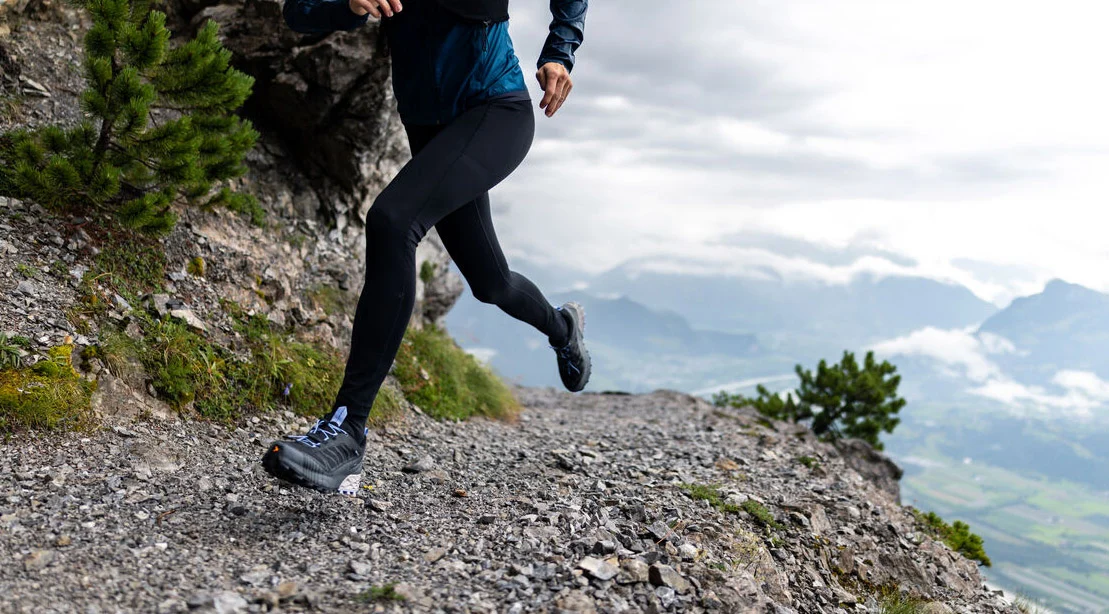
Trail running has evolved from a niche hobby into a sophisticated pursuit, marked by an explosion of specialized footwear engineering. As the lines between road running and technical mountain navigation blur, the sheer volume of choices can feel overwhelming. Whether you are an ultra-marathoner tackling jagged peaks or a weekend warrior transitioning from pavement to gravel paths, the "right" shoe is no longer just about aesthetics—it is a critical piece of performance equipment.
In 2026, the industry has reached a pinnacle of material science. We are seeing the integration of supercritical foams, advanced rock-plate geometries, and high-traction rubber compounds that were once reserved for elite mountaineering boots. To help you navigate this crowded market, we have analyzed the best trail shoes of the year, broken down by terrain, cushioning preference, and biomechanical requirements.
The Anatomy of a Trail Shoe: Key Selection Criteria
Before committing to a pair, it is essential to understand the technical metrics that define off-road performance. While road shoes prioritize energy return and weight, trail shoes must balance those factors with durability, stability, and protection.

Traction and Lug Geometry
The "teeth" of your shoe—the lugs—are the primary interface between you and the earth.
- Deep Lugs (4–6mm): Essential for soft ground, mud, and loose scree. They provide the "bite" necessary to prevent slippage on unpredictable surfaces.
- Shallow Lugs (2–3mm): Ideal for hard-packed dirt, fire roads, and gravel. These offer a smoother transition if your route includes stretches of asphalt.
- Rubber Compounds: Look for proprietary blends (like Vibram Megagrip or equivalent). A superior compound remains tacky on wet rock while maintaining abrasion resistance against sharp granite.
Cushioning and Stack Height
The debate between "ground feel" and "maximalist comfort" continues to dominate the discourse.
- High-Stack (30mm+): These shoes serve as shock absorbers, protecting your joints during long-distance efforts and minimizing fatigue on rocky, uneven terrain. However, they can sometimes feel "tippy" or less precise in highly technical settings.
- Low-Profile: These offer superior proprioception—the ability to "feel" the ground beneath you. This is vital for navigating technical terrain where foot placement accuracy is a matter of safety.
Stability, Protection, and Fit
Technical trails demand a secure lockdown. A shoe that allows your foot to slide during a steep descent will inevitably lead to blisters and instability. Beyond fit, consider the protection: Rock plates are essential if you frequent trails littered with sharp, jagged debris. A reinforced toe cap is also non-negotiable for those who tend to catch their toes on roots or rocks.

The Biomechanics of Drop
The heel-to-toe drop—the difference in height between the heel and the forefoot—dictates the load placed on your Achilles and calves. While zero-drop shoes encourage a natural midfoot strike, they require a transition period. Conversely, higher-drop shoes (8mm+) are often more forgiving for runners with limited ankle mobility or those prone to calf fatigue.
The 2026 Trail Shoe Roundup
We have tested and curated the top eight shoes of the year based on field performance, build quality, and intended use case.
1. Best Overall: Hoka Speedgoat 7
The Speedgoat has long been the gold standard for versatility, and the seventh iteration cements its legacy. By incorporating a new supercritical EVA midsole, Hoka has increased the responsiveness without sacrificing the signature "plush" feel.

- Why it wins: It is the ultimate "do-it-all" shoe. It’s light enough for race day but cushioned enough for a 50-mile training block. The 5mm lugs and Vibram Megagrip outsole provide confidence on almost any terrain.
- The Verdict: If you only buy one trail shoe this year, make it the Speedgoat 7. Just be aware that Hoka sizing can run slightly snug; consider sizing up by a half-step.
2. Best for Technical Terrain: Scarpa Ribelle Run 2
For those who prefer the jagged ridges of high-alpine environments over smooth forest floors, the Ribelle Run 2 is a surgical tool. It features a tensioned rand and a 3S Frame that locks the foot into the chassis, providing unparalleled stability.
- Performance: This is not a "soft" shoe. It is designed for precision, climbing, and technical descending. The SuperGum outsole offers elite-level traction on wet rock, making it the choice for rugged, steep mountain adventures.
3. Best Road-to-Trail: Scarpa Golden Gate LT
Many runners start their journey at their front door, traversing pavement before hitting the trailhead. The Golden Gate LT bridges this gap perfectly.
- Versatility: With a 6mm drop and a PEBAX-infused EVA midsole, it provides a snappy, energetic ride on road surfaces while maintaining enough grip for gravel and packed singletrack. It is the ideal daily trainer for the suburban trail runner.
4. Best Zero-Drop: Notace Yama
For the minimalist enthusiast, the Notace Yama offers a pure, unadulterated connection to the earth. Its 15mm stack height and wide, foot-shaped toe box allow for natural splay and stabilization.

- Consideration: This is a specialized tool. The lack of traditional cushioning means your lower legs will do more work. It is perfect for those who have already adapted to natural-form footwear or are looking to strengthen their feet through functional movement.
5. Best for Gravel and Light Trails: Karhu Ikoni ATR
Karhu’s entry into the trail market brings their renowned "Fulcrum" technology to the dirt. The Ikoni ATR is smooth, stable, and incredibly predictable.
- Best For: Runners who prioritize comfort and guidance. It features an 8mm drop and a 360-degree mudguard, making it a reliable companion for gravel paths and well-maintained forest trails where technical agility is less of a concern than pure mileage comfort.
6. Best for Mixed-Terrain Long Runs: Rossignol Vercors
The Vercors excels where terrain changes rapidly. It features an "EverFoam" midsole that balances impact protection with enough torsional rigidity to handle shifting ground.
- Design: Its 32mm stack height hits the sweet spot for ultra-runners who need protection for hours on their feet. While slightly heavier than racing-focused models, the added durability and support make it a workhorse for long-distance efforts.
7. Best Max-Cushion: The North Face Altamesa 500 V2
If you prioritize joint protection above all else, the Altamesa 500 V2 is your best bet. With a 36mm nitrogen-infused TPU midsole, it provides an exceptionally soft landing.

- Innovation: Despite the massive stack, the shoe remains surprisingly agile due to a wide platform that minimizes roll. It is a luxurious ride for those long, slow days on the trail where comfort is the primary objective.
Supporting Data and Industry Trends
The 2026 landscape is defined by the shift toward supercritical foams. Unlike traditional EVA, these nitrogen-infused materials offer higher energy return and a longer lifespan, meaning your shoes won’t "go flat" after 200 miles. Furthermore, data from recent gear testing labs indicates that the "wider platform" trend—widening the base of the shoe to improve stability—has successfully reduced ankle-roll injuries in high-stack models by an estimated 12% compared to 2023 designs.
Expert Insight: How We Evaluate
Our methodology is rooted in the "real-world" test. As a certified strength and conditioning coach and an outdoor athlete, my approach to gear is holistic. A shoe that tests well in a laboratory on a flat treadmill often fails when subjected to the torsional forces of a steep, off-camber descent. We prioritize:
- Field Durability: How the upper holds up against brambles and sharp rocks.
- Midsole Degradation: How the foam feels after 100+ miles of vertical gain.
- Traction Reliability: Testing on wet granite, slick mud, and loose pine needles.
Implications for the Consumer
As we look toward the remainder of 2026, the primary takeaway for the consumer is that specialization is key. Gone are the days when a single pair of shoes could effectively handle everything from a track workout to a technical mountain scramble.

If you are a beginner, start with a versatile "road-to-trail" shoe like the Karhu Ikoni ATR or the Scarpa Golden Gate LT. If you are an experienced trail runner looking to shave time off your mountain routes, investing in a technical-specific shoe like the Ribelle Run 2 will provide the stability and control you need to push your boundaries safely.
Remember: the best shoe is the one that allows you to forget about your feet entirely, letting you focus on the rhythm of the trail and the beauty of the landscape ahead. Before buying, always consider your local terrain—if you live in a region dominated by mud, prioritize lug depth. If you reside near rocky peaks, prioritize rock plates and sidewall structure. Your feet will thank you at mile 20.