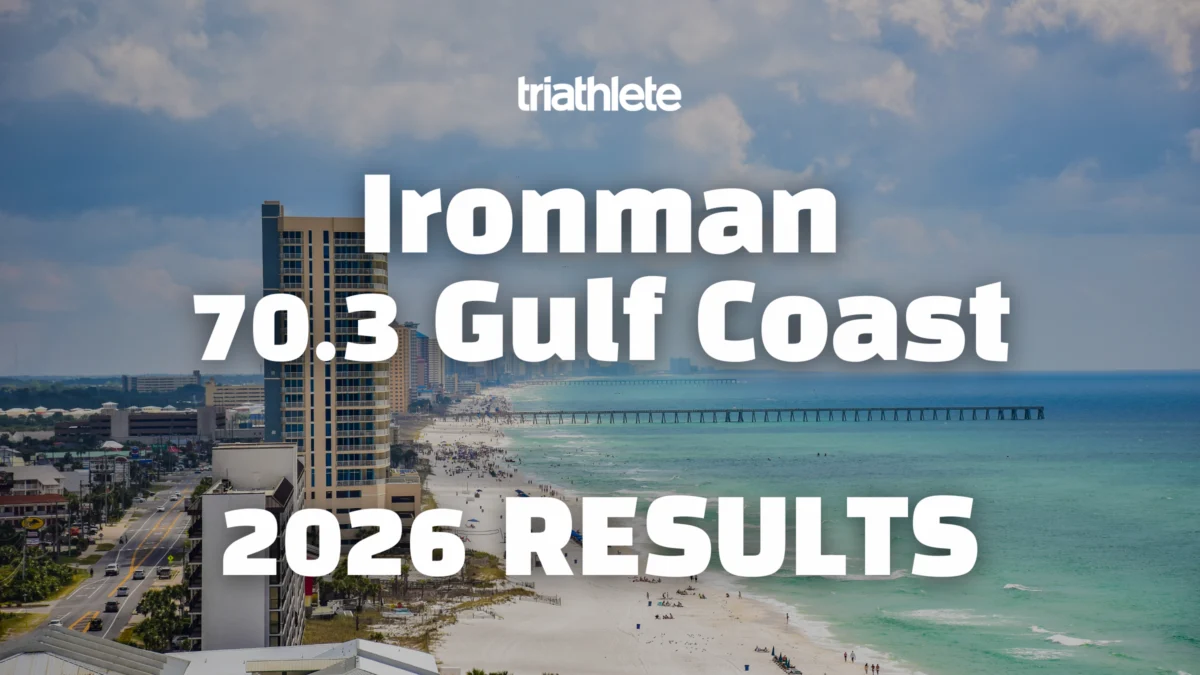
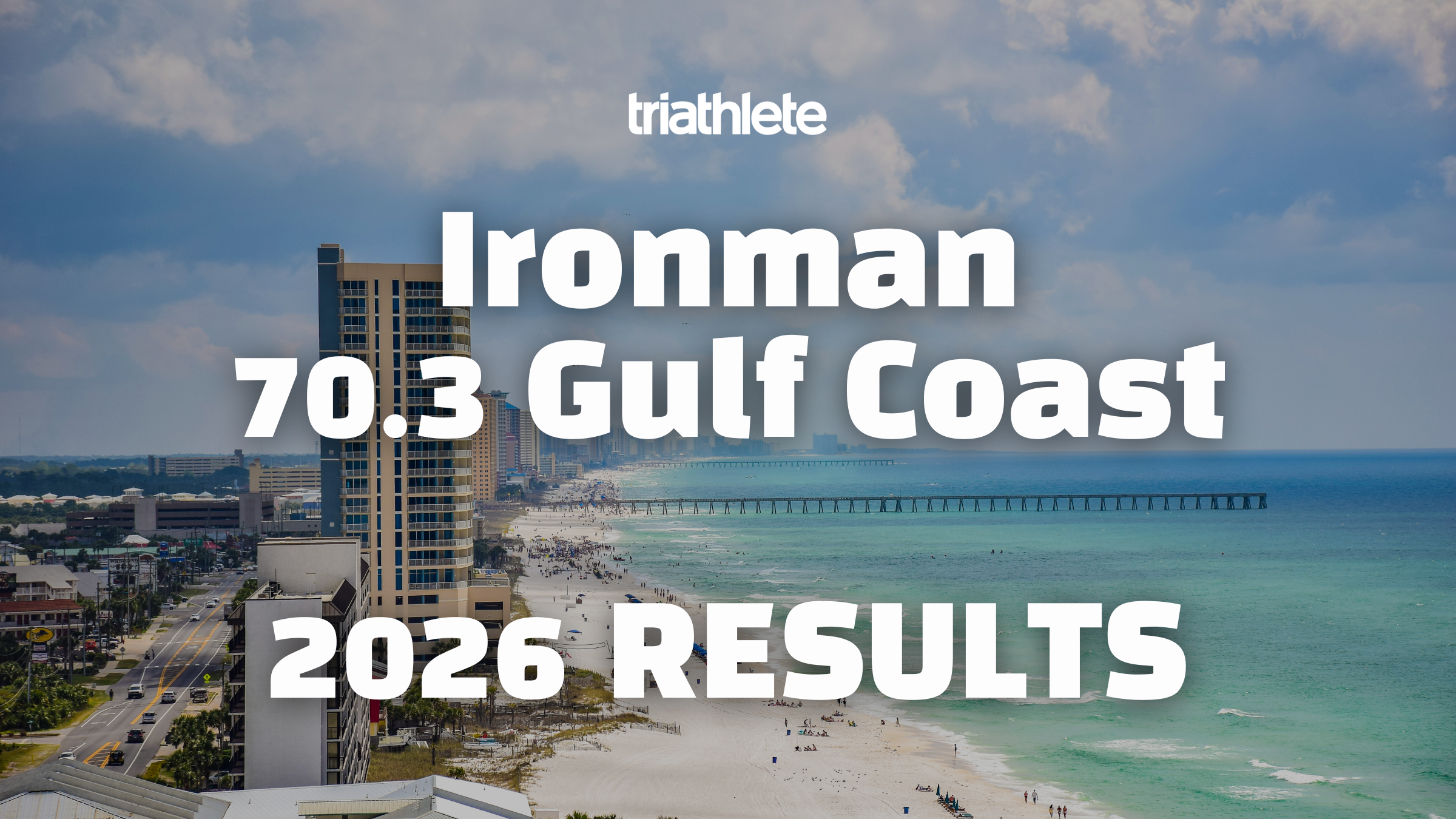
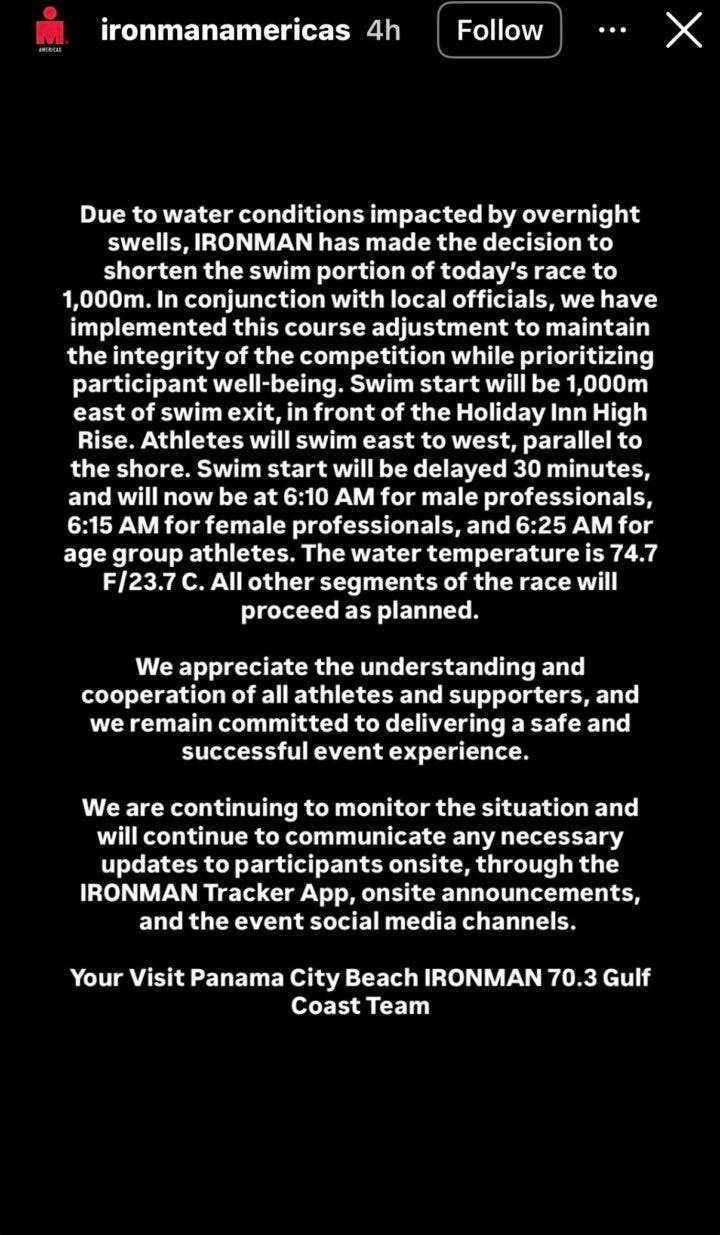
In the world of professional triathlon, the only constant is change. For the athletes gathering on the shores of Panama City Beach for the 2026 Ironman 70.3 Gulf Coast, that adage became reality on race morning. With overnight swells churning the Gulf of Mexico into a volatile state, race officials made the difficult decision to truncate the professional swim from the standard 1.9 kilometers to a high-intensity 1,000-meter sprint.
What followed was a masterclass in adaptation. American powerhouse Sam Long once again proved his mettle, utilizing a historic bike performance to secure victory, while Grace Alexander navigated a tactical thriller in the women’s field to edge out Vittoria Lopes in a nail-biting finish.
The Morning Turbulence: A Shortened Swim and Growing Tensions
The decision to shorten the swim was not taken lightly, but it was one that ignited a broader conversation regarding the standard operating procedures for elite racing. This marked the second time this season—following a similar modification at Ironman 70.3 Dallas—that professional athletes were denied the opportunity to tackle a full-distance swim.
For many, the ocean swim in the Gulf Coast is a crown jewel of the circuit, offering a rare opportunity to showcase technical open-water prowess. With the swim distance nearly halved, the race dynamic shifted instantly from an endurance test to an all-out tactical sprint.
This recurring trend of course modification has sparked a burgeoning debate within the professional ranks. Many elite athletes argue that the "professional" category should be governed by a different set of safety thresholds than the age-group field. The contention is that the high level of experience and skill among professionals allows them to handle conditions that might be deemed hazardous for a mass-start amateur field. As these modifications become more frequent, the pressure on race organizations to establish a clearer, more consistent policy regarding course integrity versus safety is likely to intensify.
Chronology of the Men’s Race: The Long Road to Victory
The men’s race began with a frantic pace. With the clock ticking down on a sub-10-minute swim, Greg Harper (USA) surged to the front, exiting the water in 7:10. Defending champion Sam Long, who had made a last-minute decision to travel to the event, found himself in a precarious position, exiting the water 1:22 behind a dense pack of 18 athletes, including heavy hitters like Marc Dubrick and Olympian Seth Rider.
What ensued over the next 30 miles was nothing short of a demolition derby on two wheels. Long, known for his relentless power, began picking off his competitors with clinical efficiency. By the time he reached the latter stages of the bike leg, he had managed to drop everyone except Rider and Benjamin Zorgnotti.
Long’s bike split of 1:49:32 stands as a milestone in the sport—the first sub-1:50 bike split ever recorded in an Ironman 70.3 event. Averaging an eye-watering 30.25 mph across the flat Panama City course, Long entered the second transition (T2) with a 20-second cushion. He maintained that gap through the half-marathon, crossing the finish line with a 1:10:38 run split to take the win, punctuating the effort with his signature "sprinkler" dance as rain began to fall.
The Women’s Tactical Battle: A Resilience Test
While Long’s race was a display of raw power, the women’s competition was a study in strategic endurance. Vittoria Lopes (BRA), fresh off a World Triathlon Championship Series (WTCS) event in Samarkand, led the charge out of the water with Grace Alexander hot on her heels.
The race saw a dramatic shift on the bike. Danielle Lewis (USA), the top seed, surged forward in the opening 10 miles, moving into third and eventually taking the lead by the 40-mile mark. However, Lewis’s journey to the start line had been fraught with uncertainty. Just three weeks prior, a crash at Ironman Texas resulted in a punctured tire and significant physical trauma. Having only returned to her aggressive time-trial position days before the Gulf Coast race, her capacity to hold off the field was in question.
The run proved to be the ultimate decider. While Lewis extended her lead early, the momentum broke around the 5K mark. Alexander, showing the composure of a veteran, began to bridge the gap. Simultaneously, Lopes—who had lost time on the bike—began a blistering comeback. In the final miles, the race evolved into a three-way psychological battle. Alexander managed to reel in Lewis, and while Lopes surged late to displace the American, it was not enough to catch Alexander. The 20-second margin of victory underscored the intensity of the competition, marking the third 70.3 win of Alexander’s career—a fitting bookend to her amateur title at the same venue six years prior.
Supporting Data: The 2026 Gulf Coast Results
Men’s Podium
- Sam Long (USA) – 3:32:14
- Seth Rider (USA) – 3:33:45
- Marc Dubrick (USA) – 3:35:12
Women’s Podium
- Grace Alexander (USA) – 4:01:22
- Vittoria Lopes (BRA) – 4:01:42
- Danielle Lewis (USA) – 4:03:10
Implications for the Season Ahead
The 2026 Ironman 70.3 Gulf Coast has set the stage for a high-stakes remainder of the season. For Sam Long, the victory serves as a successful pivot following his "grand reinvention" project, reinforcing his status as the man to beat on the bike. His immediate plan to compete in 70.3 Chattanooga next weekend highlights the rigorous nature of the professional calendar and his current hunger for results.
For Grace Alexander, the win is a significant career milestone that validates her tactical growth. Heading to Chattanooga, she faces a much deeper field, with the expected inclusion of stars like Jackie Hering and Paula Findlay. This upcoming race will provide a clearer picture of where Alexander sits within the upper echelon of the women’s field.
Official Responses and Industry Sentiment
While the race organizers maintained that safety was the paramount concern regarding the swim, the athletes’ reactions were mixed. The general consensus among the pro field, as voiced on social media by participants like Marc Dubrick, was one of acceptance regarding the safety protocols, yet a lingering frustration regarding the lack of a "Plan B" that would allow for a longer, more representative race.
"We train for 1.9 kilometers," one anonymous pro noted post-race. "When that gets cut in half, the sport changes. It favors the cyclists and the runners almost exclusively. While we respect the decision, we need to find a way to ensure that the integrity of the race is maintained, perhaps through localized loops or different venue choices that are less susceptible to ocean swells."
As the sport looks toward the 2026 World Championships, the lessons of Panama City Beach are clear: the margins between victory and defeat are thinner than ever, and the ability to pivot—both in strategy and in mental approach—is the most valuable asset an elite triathlete can possess. With the season now in full swing, the eyes of the triathlon world remain fixed on the athletes who can not only manage the distance but master the unexpected variables that define the sport of triathlon.