For many, the most debilitating health conditions are those that remain unseen. Irritable Bowel Syndrome (IBS), a pervasive and often misunderstood digestive disorder, carries a psychological and physical weight so heavy that research suggests many sufferers would willingly trade 10 to 15 years of their life expectancy for an instant, permanent cure. This startling statistic underscores the profound impact of a condition that, while not life-threatening in the traditional sense, fundamentally dismantles the quality of daily existence.
Recent studies involving nearly 2,000 participants highlight the desperation associated with the disorder. In some clinical inquiries, patients indicated they would accept a medication carrying a one percent risk of sudden death if it guaranteed the eradication of their symptoms—symptoms that include urgent bouts of diarrhea, unpredictable gas, and persistent, painful constipation. For those living with IBS, the condition is far more than a minor annoyance; it is a life-altering barrier to social, professional, and personal fulfillment.
The Physical and Psychological Toll
The flare-ups associated with IBS can be agonizing. Patients frequently report episodes of abdominal pain so severe they describe it as worse than the intensity of childbirth. These physiological storms siphon off cognitive concentration, shatter sleep cycles, and destroy workplace productivity.
Beyond the physical pain, there is a pervasive psychological element. Many people with IBS spend their lives mapping out their environment based on the proximity and cleanliness of restrooms. This constant, underlying vigilance often leads to social withdrawal; sufferers may avoid restaurants, family gatherings, and even public exercise, fearing a sudden, uncontrollable episode.
This anxiety has been clinically identified as "gastrointestinal-specific anxiety." It acts as a primary driver for why individuals with IBS report a lower quality of life than those suffering from traditionally “more serious” chronic conditions, such as heart disease, diabetes, or even end-stage kidney disease.
Defining the Disorder: What is IBS?
Often historically dismissed as a "spastic colon" or a purely psychological byproduct of stress, IBS is now recognized as the most commonly diagnosed digestive disorder globally, affecting approximately 14 percent of the adult population.
Unlike inflammatory bowel diseases (IBD) such as Crohn’s or ulcerative colitis, IBS does not physically alter the structure of the gut. Diagnostic imaging typically reveals no visible lesions, infections, or inflammation. For decades, this lack of physical "proof" led many in the medical community to assume the disorder was psychosomatic.

Contemporary experts have shifted this paradigm. IBS is now formally classified as a functional neuro-gastrointestinal disorder. This means the signaling pathways between the gastrointestinal tract and the brain are not functioning optimally. The brain essentially delivers "misinterpreted" pain signals, and the gut responds with dysregulated muscle contractions.
The Physiology of Pain: Why the Gut Reacts
Researchers have developed several compelling theories as to why the gut behaves differently in those with IBS.
1. Nerve Hypersensitivity
A leading hypothesis suggests that the nerve endings in the GI tract of an IBS patient are hyper-reactive. This leads to two distinct outcomes:
- Heightened Perception: Normal digestive processes—such as the movement of tiny gas bubbles—are perceived as painful, whereas they would be completely undetectable to a neurotypical digestive system.
- Muscle Dysfunction: If nerves overreact, they may trigger GI muscles to contract with excessive force, leading to cramping and diarrhea. Conversely, if they underreact, the transit of food slows significantly, resulting in chronic constipation.
2. Microbiome Disturbances
There is a growing body of evidence suggesting that imbalances in the gut microbiome play a pivotal role. This is particularly evident in post-infectious IBS, where patients develop the disorder following a severe bout of a GI illness, such as the Norovirus, which disrupts the delicate balance of beneficial gut bacteria.
The Diagnostic Challenge
Because the symptoms of IBS—abdominal pain, cramping, bloating, and stool irregularities—overlap with celiac disease, cancer, and various food allergies, a medical diagnosis is essential.
If you or a client are experiencing symptoms, it is imperative to consult a healthcare professional, particularly if you experience "red flag" symptoms such as unexplained weight loss, blood in the stool, or symptoms that begin after the age of 50. A doctor will typically categorize the condition into types:
- IBS-D: Predominantly diarrhea.
- IBS-C: Predominantly constipation.
- IBS-M: A mix of both.
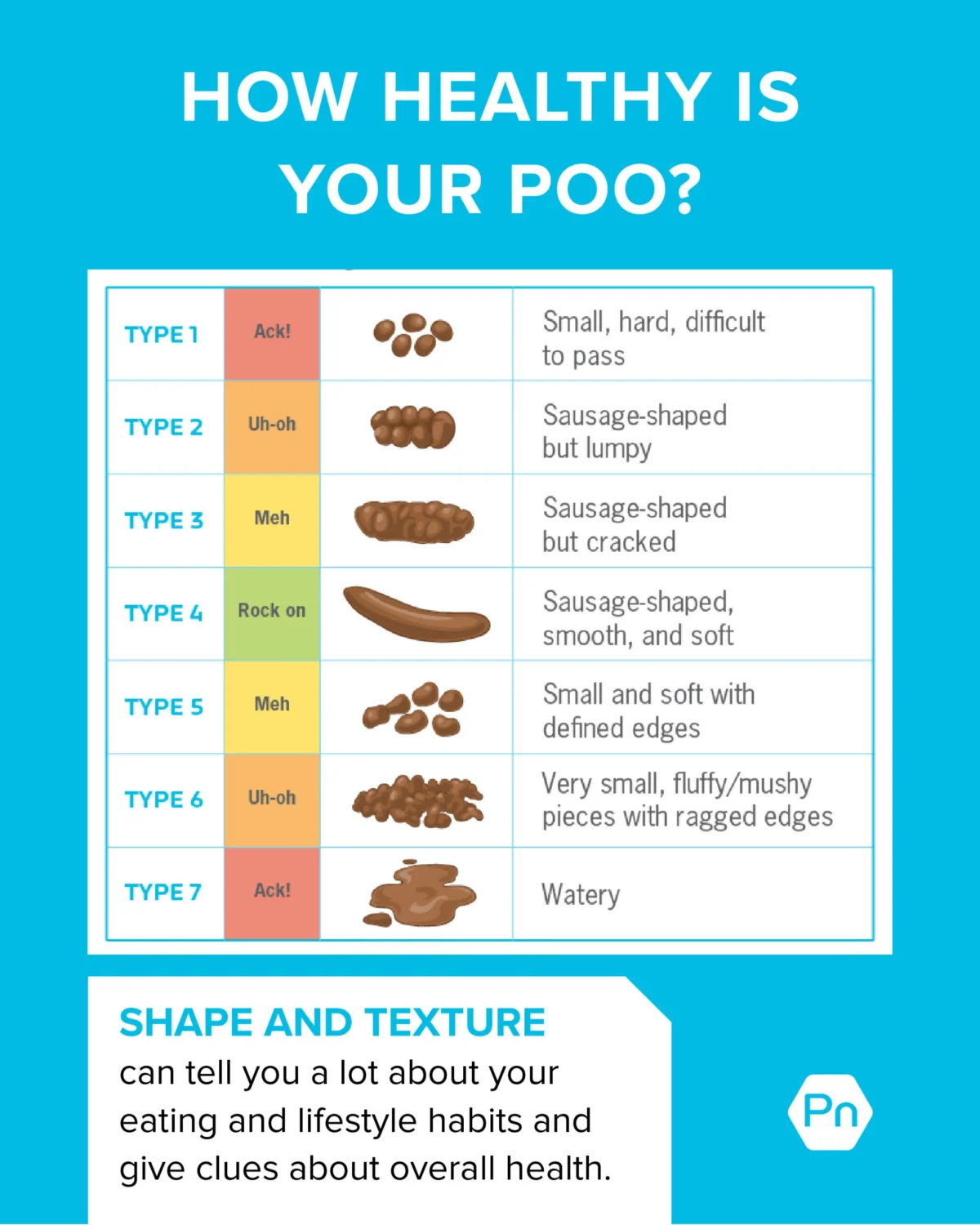
Preparation is key for these appointments. Keeping a "poo diary" for two weeks, utilizing the Bristol Stool Chart, allows a physician to see the objective evidence of your digestive patterns. Documenting frequency, consistency, and accompanying pain levels provides the data necessary to rule out other pathology and create a targeted management plan.

Five Evidence-Based Strategies for Relief
While there is no "cure-all," Sarah Maughan, a PN Super Coach certified through Monash University, emphasizes that lifestyle modifications can prevent flare-ups and significantly reduce GI anxiety.
1. The Role of Movement
Regular exercise is one of the most effective non-pharmaceutical interventions. Moderate walking for one hour, three times a week, has been shown to significantly reduce bloating and abdominal pain within 12 weeks. Beyond physical mechanics, exercise modulates stress hormones and promotes a healthy microbiome, both of which improve brain-gut communication.
2. Nervous System Regulation
Stress is a known trigger for GI distress. Since it is impossible to simply "switch off" stress, health coaches focus on what is within the client’s control. Practicing self-compassion, engaging in gentle yoga, and utilizing deep breathing exercises help regulate the nervous system, preventing the "fight or flight" response from triggering digestive pain.
3. The Pace of Consumption
Slower, more mindful eating is a game-changer. Increased chewing breaks down food mechanically and allows salivary enzymes to begin digestion, lightening the workload on the stomach. Furthermore, eating in a calm, undistracted environment lowers cortisol levels, reducing the intensity of pain signals sent to the gut.
4. Sleep Hygiene
Poor sleep quality is both a cause and a symptom of IBS. Lack of rest elevates stress hormones, which exacerbates gut pain, while digestive discomfort makes deep sleep elusive. A consistent bedtime routine—such as journaling, meditation, or light stretching—can help break this cycle.
5. Strategic Nutrition
There is no "one-size-fits-all" diet, but certain food groups are notorious triggers. These include high-FODMAP foods (certain carbohydrates that ferment in the gut), caffeine, alcohol, spicy foods, and high-fat meals. An elimination diet, conducted under professional guidance, is the gold standard for identifying individual sensitivities.
The Professional Scope: How Coaches Can Help
A common concern for health coaches is whether they are qualified to work with IBS clients. The answer is a resounding "yes," provided they stay within their scope of practice.

A coach should never diagnose or prescribe medication. Instead, they act as facilitators of behavior change. They can help clients run dietary experiments, maintain food diaries, and implement the lifestyle habits prescribed by medical teams. The coach’s primary role is to provide accountability and the tools to make those changes sustainable.
Moving Forward: Knowledge as Empowerment
For the client, the fear of "knowing" which foods trigger their symptoms is often worse than the symptoms themselves. There is a deep-seated anxiety that discovering a trigger means never enjoying a favorite food again.
However, as Sarah Maughan notes, knowledge is not a prison; it is a tool for autonomy. "With knowledge, you have choices," she says. Understanding your triggers means you can choose to avoid them when you need to feel your best, and indulge when the context allows. By shifting the focus from restriction to experimentation, people with IBS can move from a life of constant, anxious planning to one of agency, health, and well-being.
IBS is a challenging companion, but through a multidisciplinary approach—combining medical oversight, professional coaching, and disciplined lifestyle changes—it is a condition that can be managed, and in many cases, significantly tamed.