In the heart of Greenland’s Disko Bay lies Ilulissat, a town defined by the colossal, crystalline sculptures of the UNESCO World Heritage-listed Icefjord. While thousands of travelers flock annually to witness the Sermeq Kujalleq glacier’s dramatic calving, those seeking a profound, quiet connection to the Arctic landscape often look further afield. A 41-kilometer (25.5-mile) round-trip trek to the isolated fishing hamlet of Oqaatsut offers an immersive journey back in time, revealing a side of Greenland that exists far from the tourist cruise-ship lanes.

Main Facts: The Arctic Frontier
Ilulissat, the third-largest town in Greenland with a population of approximately 4,600, serves as the primary gateway to this region. Situated 250 kilometers north of the Arctic Circle, it is a place of extremes. The hike to Oqaatsut—formerly known by its colonial name, Rodebay—is a trek that balances accessible terrain with the raw, untamed beauty of the tundra.

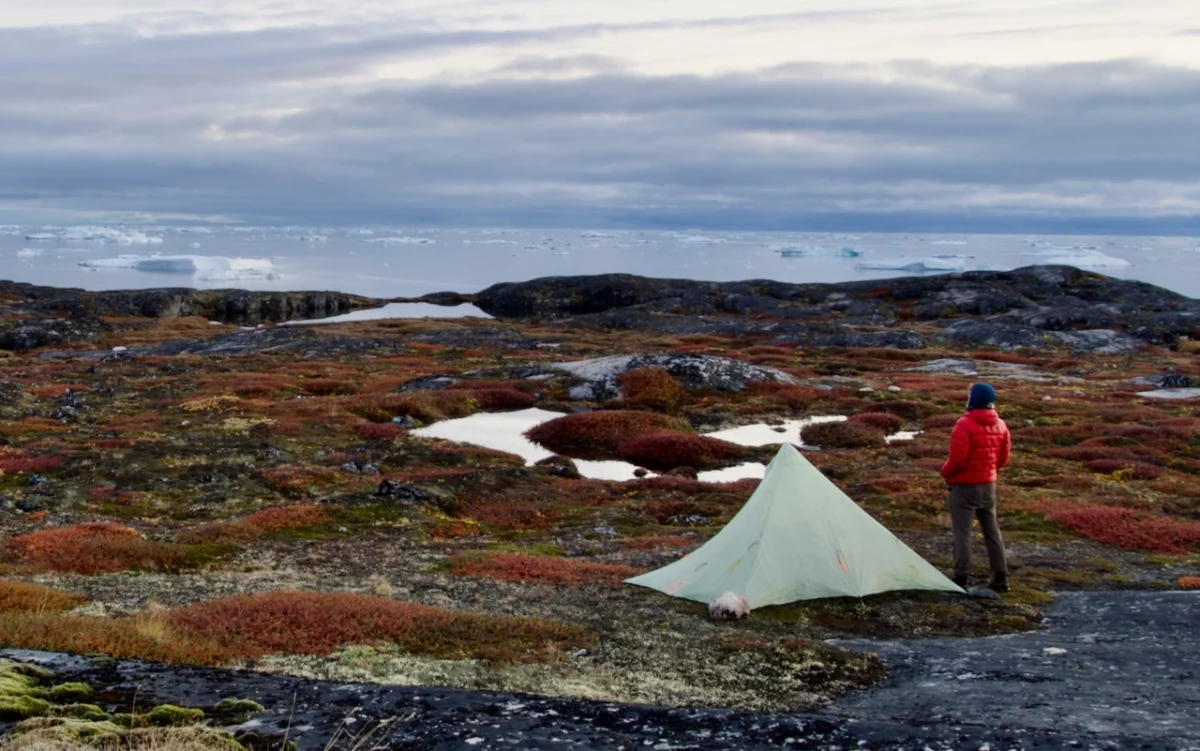
The trail itself is a tapestry of rugged coastlines, hidden glacial lakes, and sweeping vistas of the Davis Strait. It is not a technical climb, but rather a moderate, well-marked route that guides travelers through an ancient landscape. The path is marked by traditional rock cairns and intermittent orange blazes, serving as a reminder that this route is not merely a hiking trail in summer; it is a vital lifeline for locals during the winter, functioning as a primary transit route for dog-sledding and snowmobiles.

Chronology: The Journey North
The expedition typically begins at the iconic Hotel Arctic, the world’s northernmost four-star hotel.

The First Stretch: Leaving the Hub
The initial phase of the hike (approx. 2–3 km) can be perceived as the most mundane, as the path skirts the periphery of the local airport. As of 2024, the airport is undergoing a massive expansion, slated for completion in 2026, which promises to improve accessibility to the region. Once the noise of construction fades behind the hiker, the true Arctic silence takes hold.

The Coastal Transition
After roughly 40 minutes of walking, the industrial landscape dissolves into the pristine coastal wilderness. The trail hugs the shoreline, where brightly painted fishing cottages provide a stark, vibrant contrast to the monochromatic gray of the exposed rock and the deep, leaden blue of the North Atlantic waters.

The Midpoint: The Lake District
At the 7.5 km (4.7 mi) mark, the terrain becomes more dramatic, leading hikers through a narrow, windswept gorge. This opens into a serene landscape centered around a small, crystal-clear lake—an ideal spot for a midday respite. Moving forward for another hour, the route reaches a footbridge that spans the outlet of the Kangerluarsup Tasia Qalleq Lakes. This area is widely considered the premier location for overnight camping, offering grassy, sheltered patches protected from the coastal winds.

The Final Approach
The final leg of the journey involves a gradual ascent, contouring around the serene Qarajaq Cove. At approximately 16 km (9.9 mi), the path traverses a narrow, rocky saddle. Here, the view expands to encompass the entirety of Kangerluarsuk Bay, often littered with stray icebergs that have drifted away from the main icefjord. The hike concludes as one descends into Oqaatsut, a village where life remains tethered to the rhythms of the sea.

Supporting Data: The Logistics of the Trek
For those planning to undertake this journey, preparation is essential, even if the terrain is classified as "easy."

- Total Distance: 41 km (25.5 mi) round-trip.
- Difficulty: Beginner-friendly, though navigation and weather awareness are required.
- Seasonality: The window for optimal hiking is narrow, extending from late June to September. Outside of these months, snow cover and extreme cold require specialized arctic gear and local guidance.
- Elevation Gain: 946 m (3,104 ft) cumulative.
- Navigation: The trail is marked; however, digital GPS backups are strongly recommended due to shifting weather patterns that can obscure visibility in minutes.
The route is vastly different from the popular, well-trodden paths around the Ilulissat Icefjord. While boat tours are the most common way for tourists to reach Oqaatsut, the hike offers a sensory experience—the sound of grinding ice, the scent of the sea, and the sheer isolation—that a motorized vessel cannot replicate.

Official Perspectives and Local Context
Local authorities in Ilulissat have long emphasized the importance of sustainable tourism. The expansion of the airport is part of a broader "Greenland Strategy," aiming to decentralize tourism by encouraging visitors to explore smaller settlements like Oqaatsut, thereby reducing the environmental and social impact on the central hub.

"The goal is to maintain the integrity of our fishing villages while providing a window into our culture," notes local planning documentation. Residents of Oqaatsut, who number only a few dozen, generally welcome hikers who respect the quiet nature of their community. It is a place where the local cemetery, the small wooden schoolhouse, and the traditional fishing shacks tell a story of resilience in the face of one of the world’s harshest climates.

Implications: The Future of Arctic Tourism
The rise in popularity of "adventure travel" has brought more foot traffic to Greenland than ever before. However, the trek to Oqaatsut serves as a microcosm of the challenges facing the region.

Environmental Stewardship
As permafrost stability changes and weather patterns become increasingly unpredictable, the "well-marked" nature of the trail may become less reliable. The increase in hiking tourism implies a greater need for maintenance of these traditional paths to prevent erosion and to ensure that hikers do not inadvertently wander into sensitive ecological zones.

Cultural Preservation
The settlement of Oqaatsut is not a theme park; it is a working community. The implication for future travelers is clear: the responsibility lies with the individual to minimize their impact. This includes everything from waste management (packing out everything brought in) to respecting the privacy of local residents.

The "Wanderlust" Effect
Featured in Wanderlust Nordics, the route to Oqaatsut is increasingly gaining international recognition. This exposure is a double-edged sword. While it provides economic stimulation for small, remote communities, it also risks "over-tourism." The hope for the future of this trail is that it continues to be a refuge for the solitary walker, a path where one can contemplate the scale of the Greenlandic landscape without the interference of modern noise.

Conclusion
The journey from the bustling, developing town of Ilulissat to the quiet, timeless settlement of Oqaatsut is more than just a 41-kilometer walk; it is a meditation on the Arctic. It is a testament to the endurance of the human spirit in a landscape that, at every turn, reminds the traveler of their own insignificance.

Whether you are a seasoned trekker or an enthusiast of Nordic culture, the trail offers a rare opportunity to witness the intersection of ancient maritime tradition and the modern, shifting face of the North. As the infrastructure in Ilulissat continues to evolve, this humble path remains one of the few places where the silence is still profound, and the whispers of the past are still audible in the wind.