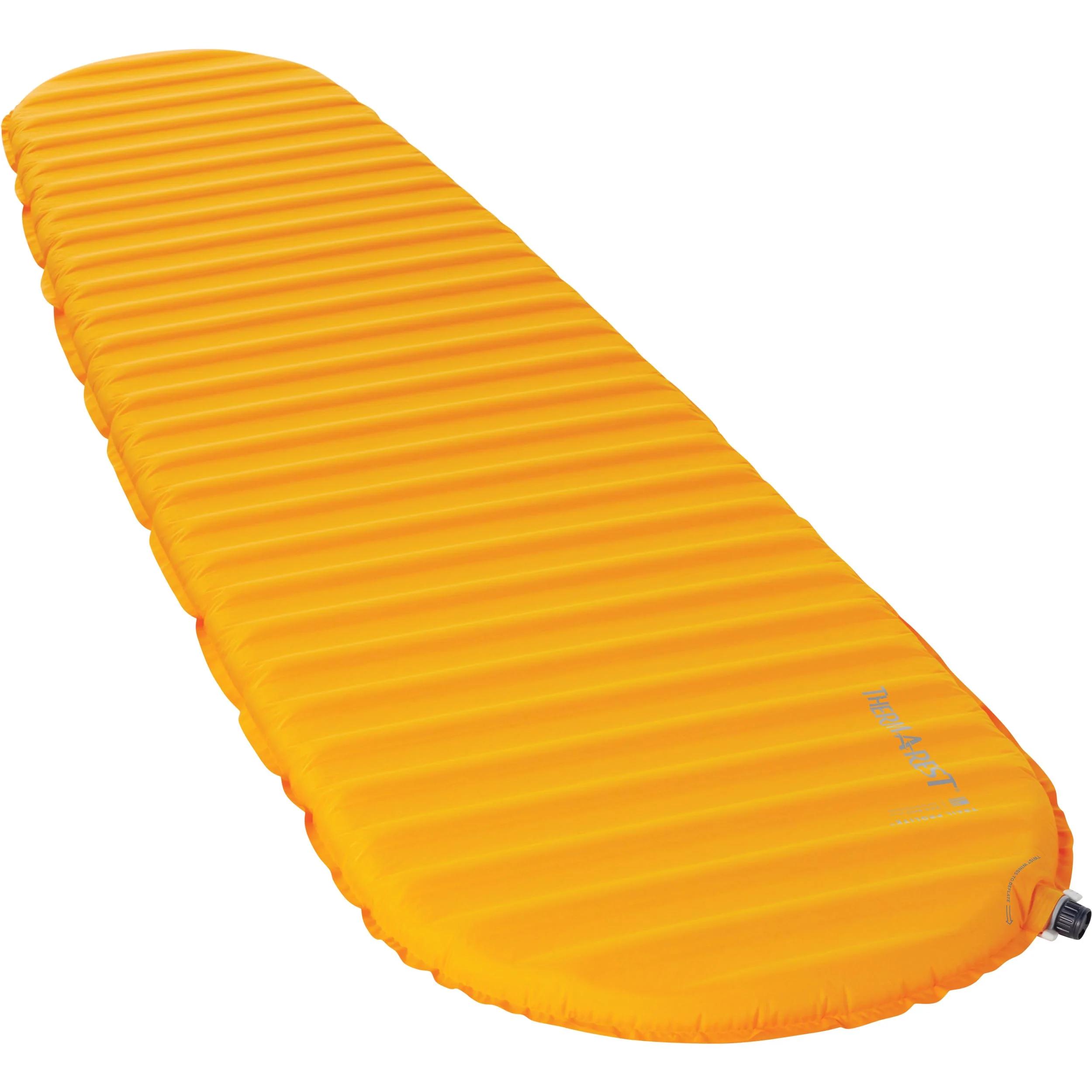
In the world of ultralight backpacking, comfort is not merely a subjective feeling—it is a measurable engineering challenge. For decades, the sleeping pad has been treated as a static piece of gear, but modern field research suggests that "feeling right" is the result of optimizing a complex set of variables: inflation pressure, baffle geometry, thermal regulation, and the physical interface between the sleeper and the pad.
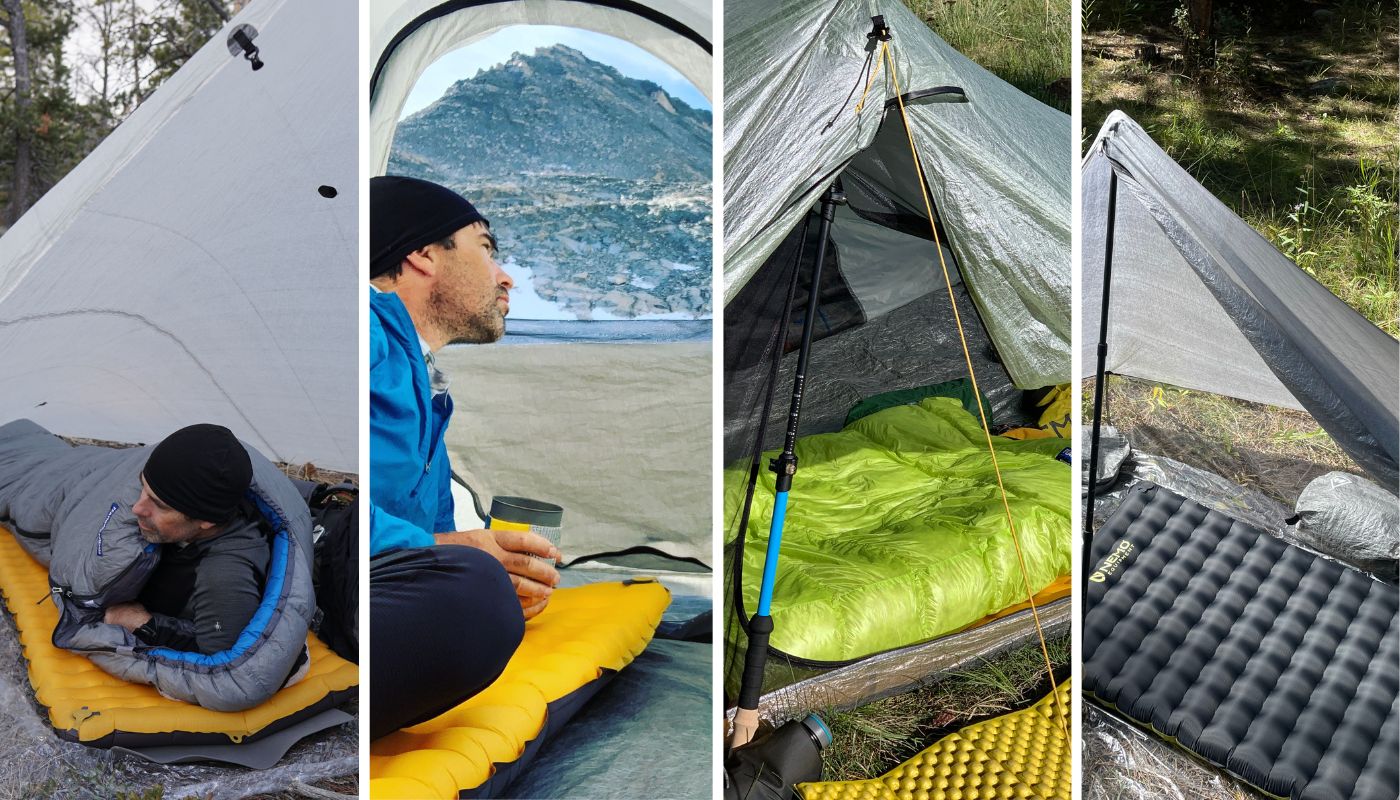
Today, the sleeping pad market has matured into a sophisticated landscape of over 300 models from more than 20 major manufacturers. With data aggregated from field testing and manufacturer specifications as of May 2026, it is clear that the industry has moved beyond simple foam mats to highly engineered inflatable systems that prioritize weight-to-warmth ratios and structural stability.
Chronology: From Blue Foam to High-Tech Inflation
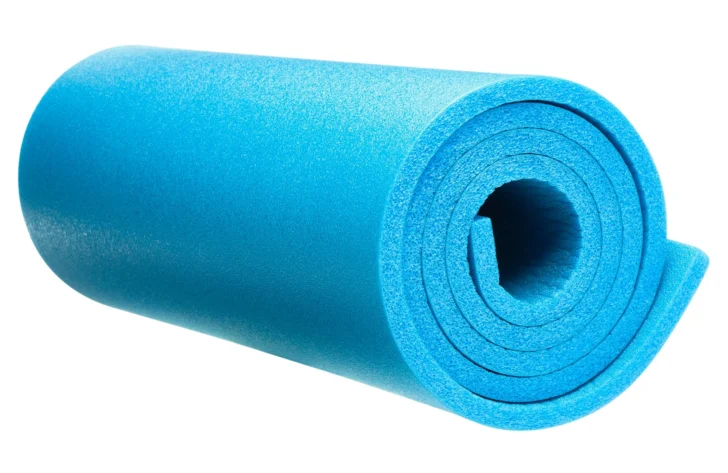
The evolution of the sleeping pad is a study in material science. The "prelude" to modern systems began in the 1960s with the iconic blue, cross-linked polyolefin closed-cell foam pad. At a cost of roughly $6 and weighing only half a pound, it was the gold standard for durability. It required no maintenance because, fundamentally, there was nothing to break.
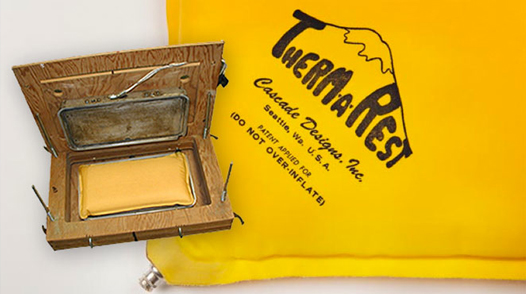
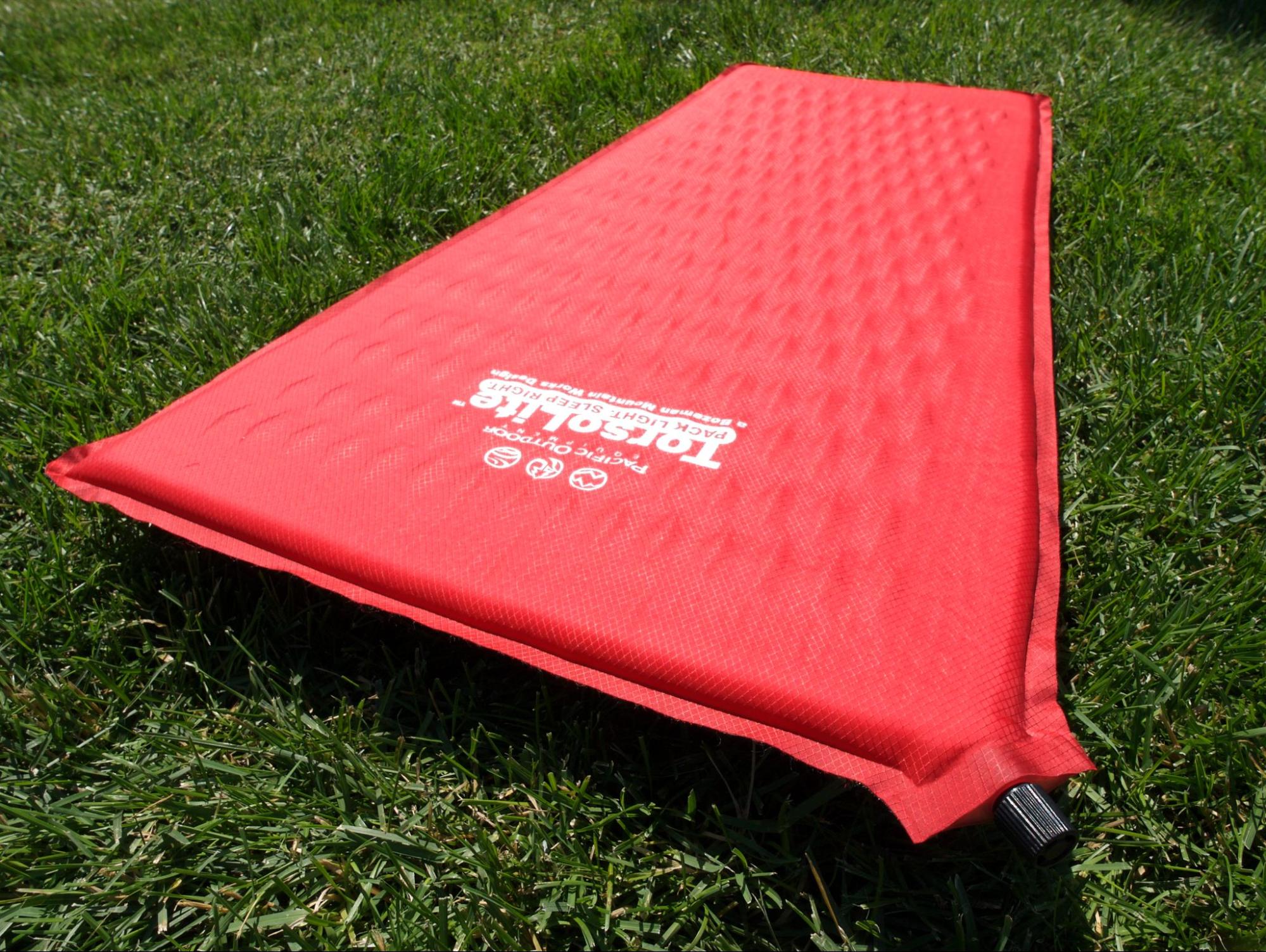
By the 1970s, the "self-inflating" open-cell foam pad, pioneered by Therm-a-Rest, introduced a new paradigm of comfort. While revolutionary, these pads were prone to seam failures and fabric punctures, necessitating the now-ubiquitous patch kit.
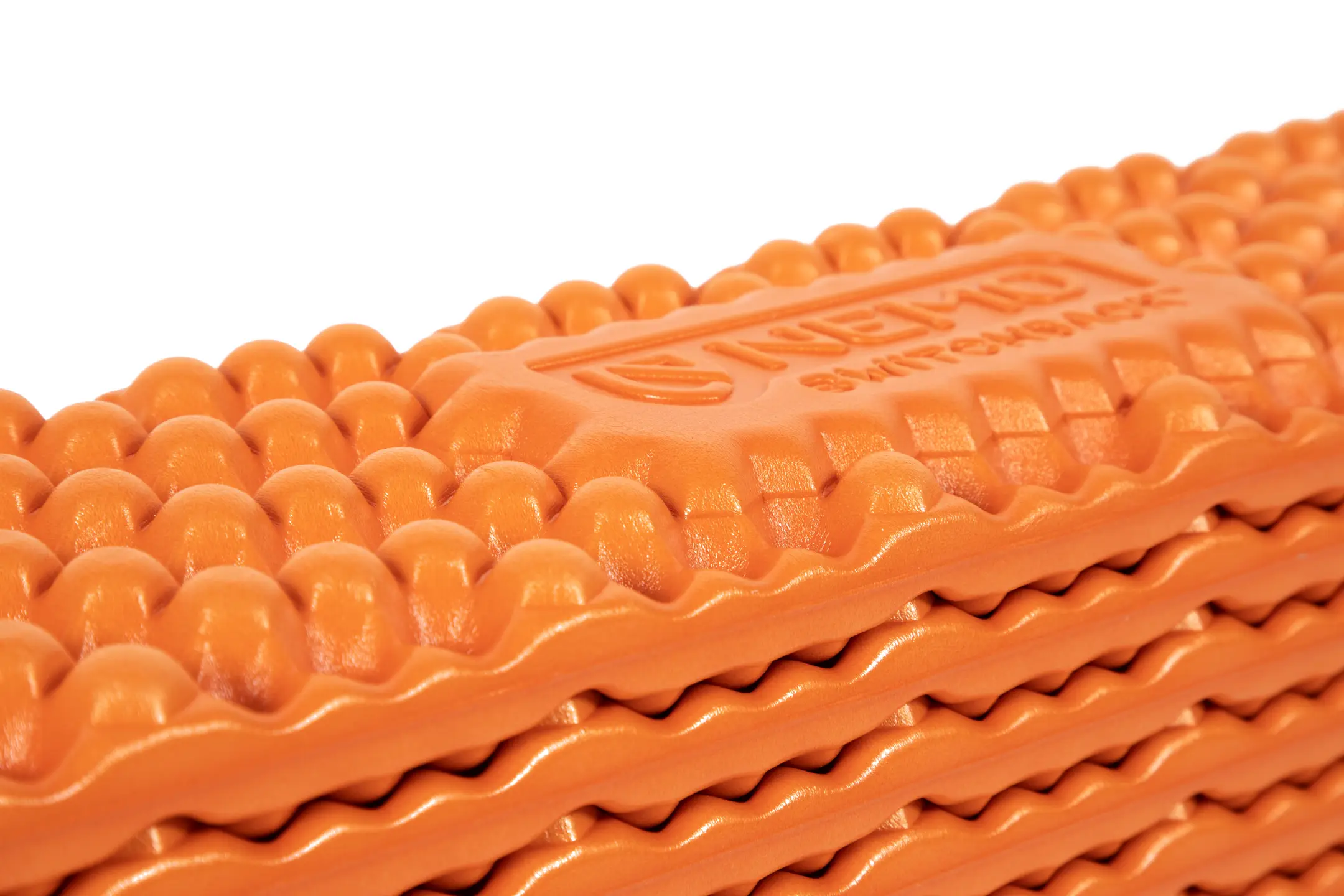
The most significant shift occurred in 2009 with the introduction of the Therm-a-Rest NeoAir. By utilizing non-insulated, high-volume air chambers, the industry shifted toward a design philosophy where thickness equaled comfort. This ushered in the current era, dominated by brands like NEMO, Sea to Summit, Big Agnes, and Exped, which have refined the inflatable pad into a high-performance tool for serious backcountry travel.

Supporting Data: The High-R-Value Leaders
When evaluating modern sleeping pads, the "Regular-Wide" (RW) size has emerged as the preferred choice for those seeking superior stability and versatility. The following table highlights the current state-of-the-art for high-R-value pads, comparing their performance metrics:
| Product | Shape | Thickness | R-Value | Weight | R/Weight Ratio |
|---|---|---|---|---|---|
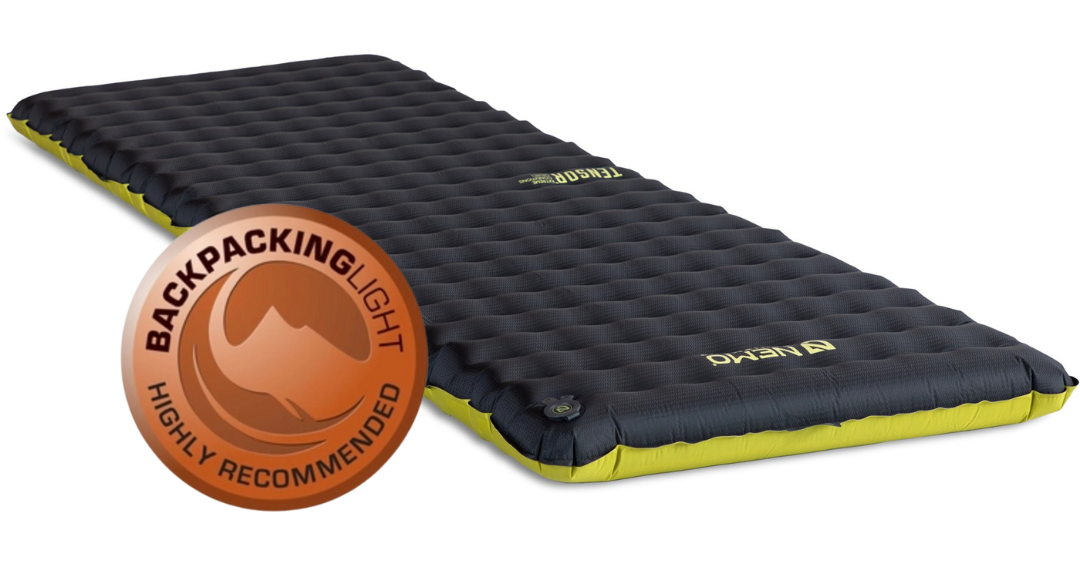
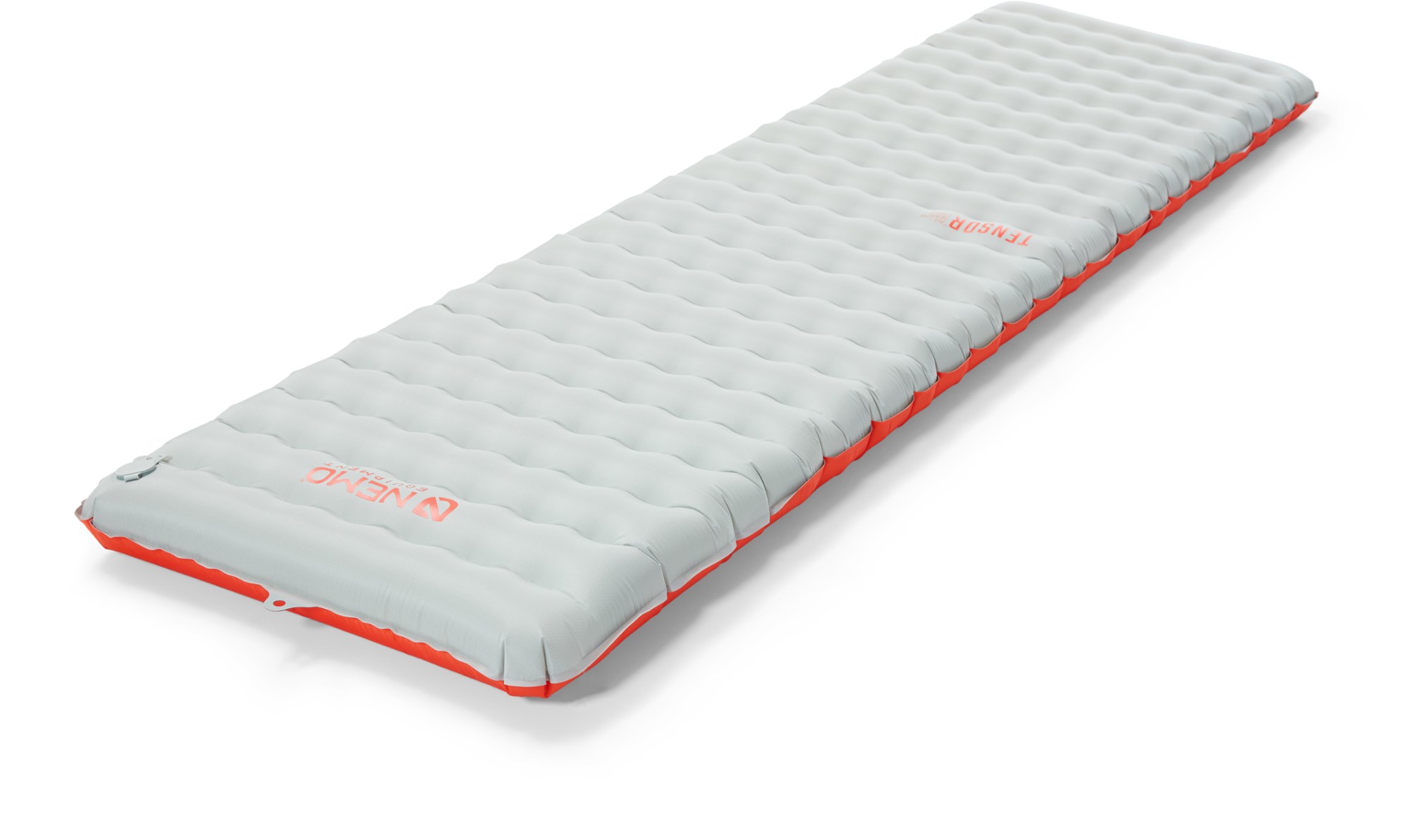
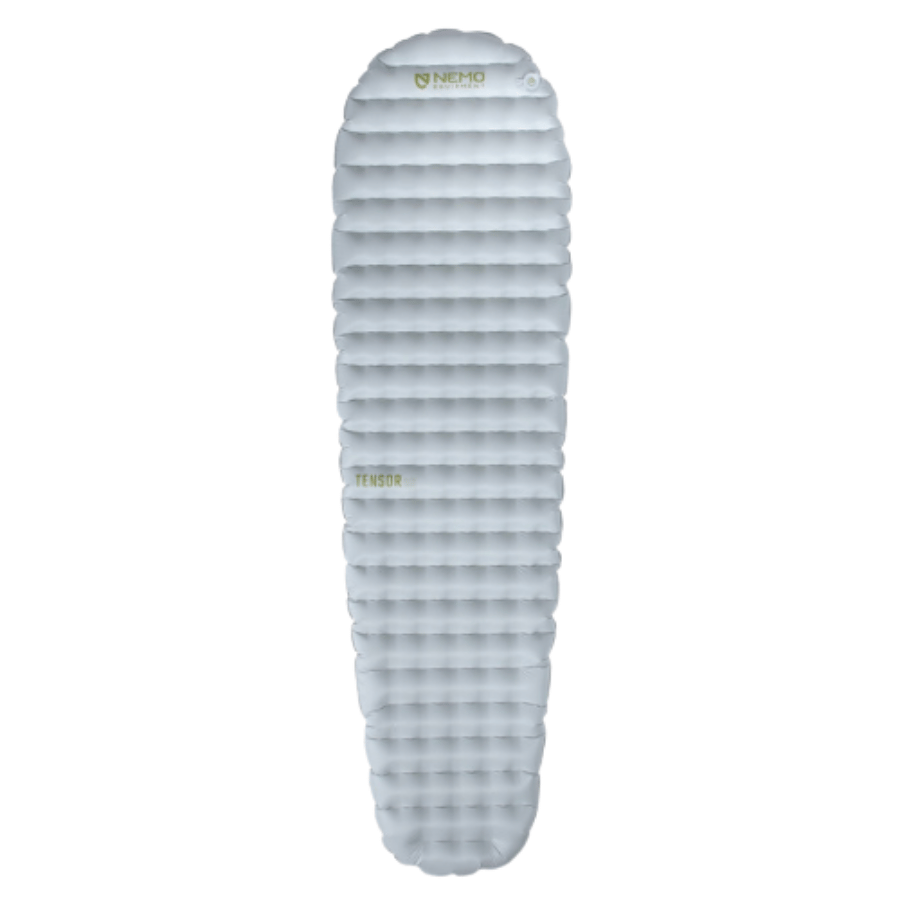
| NEMO Tensor Extreme | Rectangular | 3.5 in | 8.5 | 22 oz | 0.39 |
| Therm-a-Rest NeoAir XTherm NXT | Mummy | 3.0 in | 7.3 | 20 oz | 0.37 |
| Rab Ultrasphere 5 | Mummy | 3.5 in | 5.5 | 16 oz | 0.34 |
| NEMO Tensor All-Season | Rectangular | 3.5 in | 5.4 | 19 oz | 0.28 |
| Therm-a-Rest NeoAir XLite NXT | Mummy | 3.0 in | 4.5 | 16 oz | 0.28 |
| Zenbivy Flex Air | Mummy | 3.0 in | 4.8 | 24 oz | 0.20 |
Data Source: Backpacking Light Market Report (May 2026).

Structural Stability: The Role of Baffle Architecture
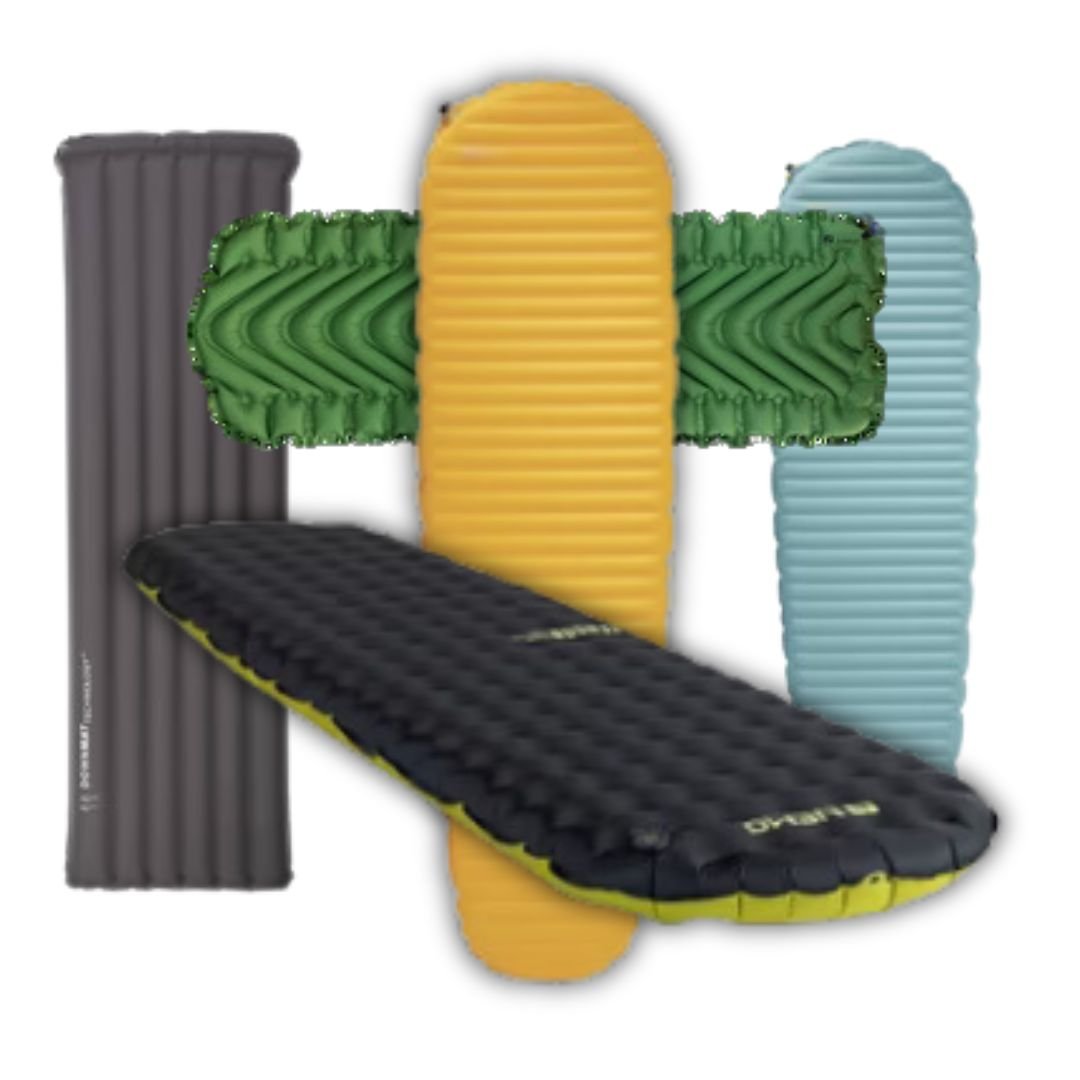
Stability, often poorly defined in gear reviews, refers to a pad’s ability to maintain its geometry under the weight and movement of the user. This is governed by four primary baffle architectures:

- Horizontal Baffles: Running side-to-side, these provide a gently contoured surface that is generally comfortable for back sleepers but can be prone to "bottoming out" if not properly inflated.
- Vertical Baffles: Running head-to-toe, these align with the body’s longitudinal axis, offering consistent structure but occasionally allowing for lateral "roll-off" if the user shifts near the edges.
- Air-Sprung Cells: A matrix of individual chambers created by dot welds. This mimics a traditional mattress, allowing independent cell compression, though it can feel less supportive for heavier individuals.
- 3D Welds: The current premium standard, as seen in the NEMO Tensor series. By using internal welds to control chamber depth, these pads offer superior stability and allow for zoned insulation, placing warmth exactly where the body needs it most.
Official Industry Perspectives and Market Trends
Market leaders like NEMO and Therm-a-Rest continue to capture the largest share by focusing on the "Regular-Wide" form factor. The industry consensus is that providing a wider platform allows for arm placement that significantly improves sleep quality for side sleepers.
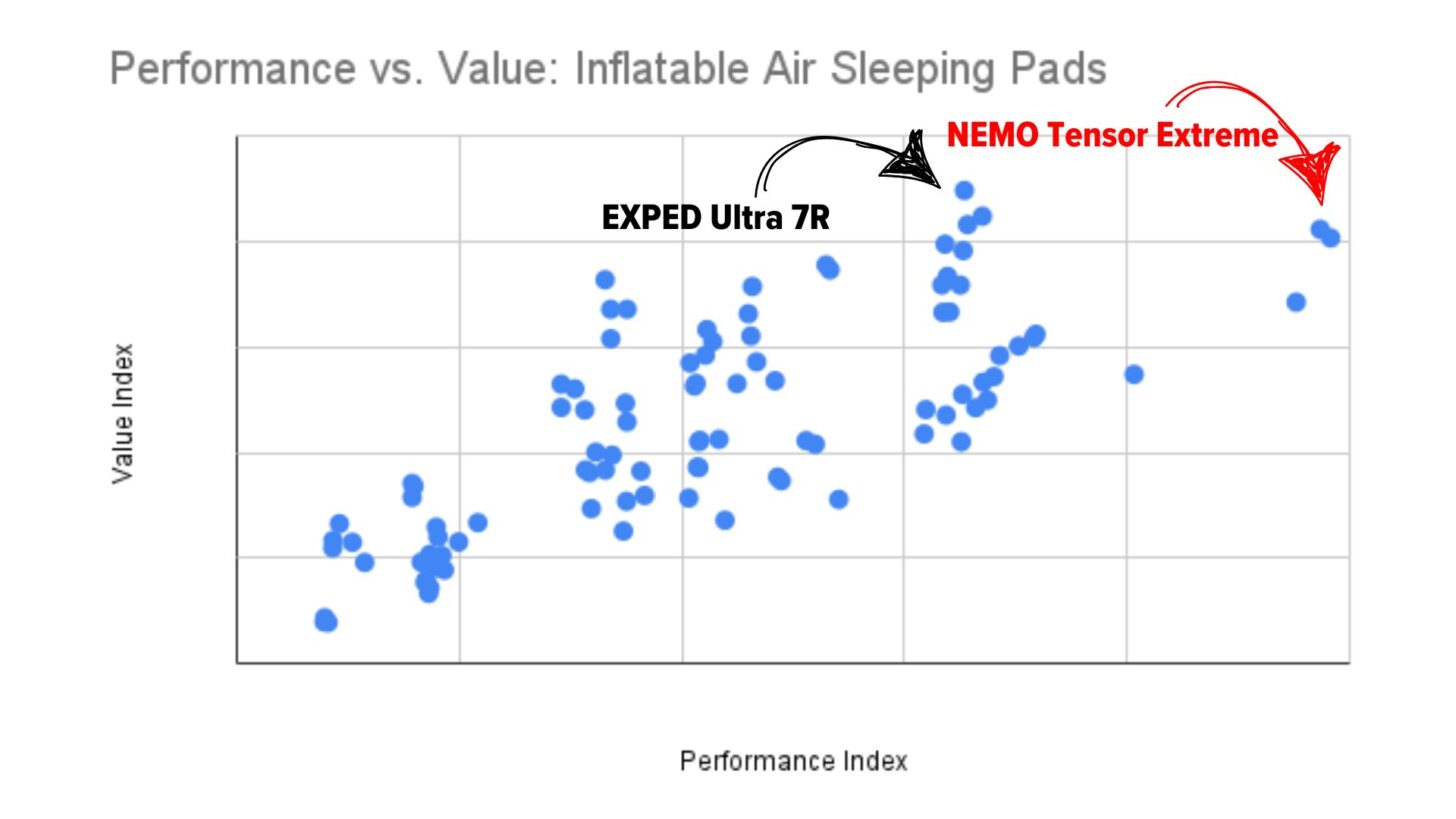
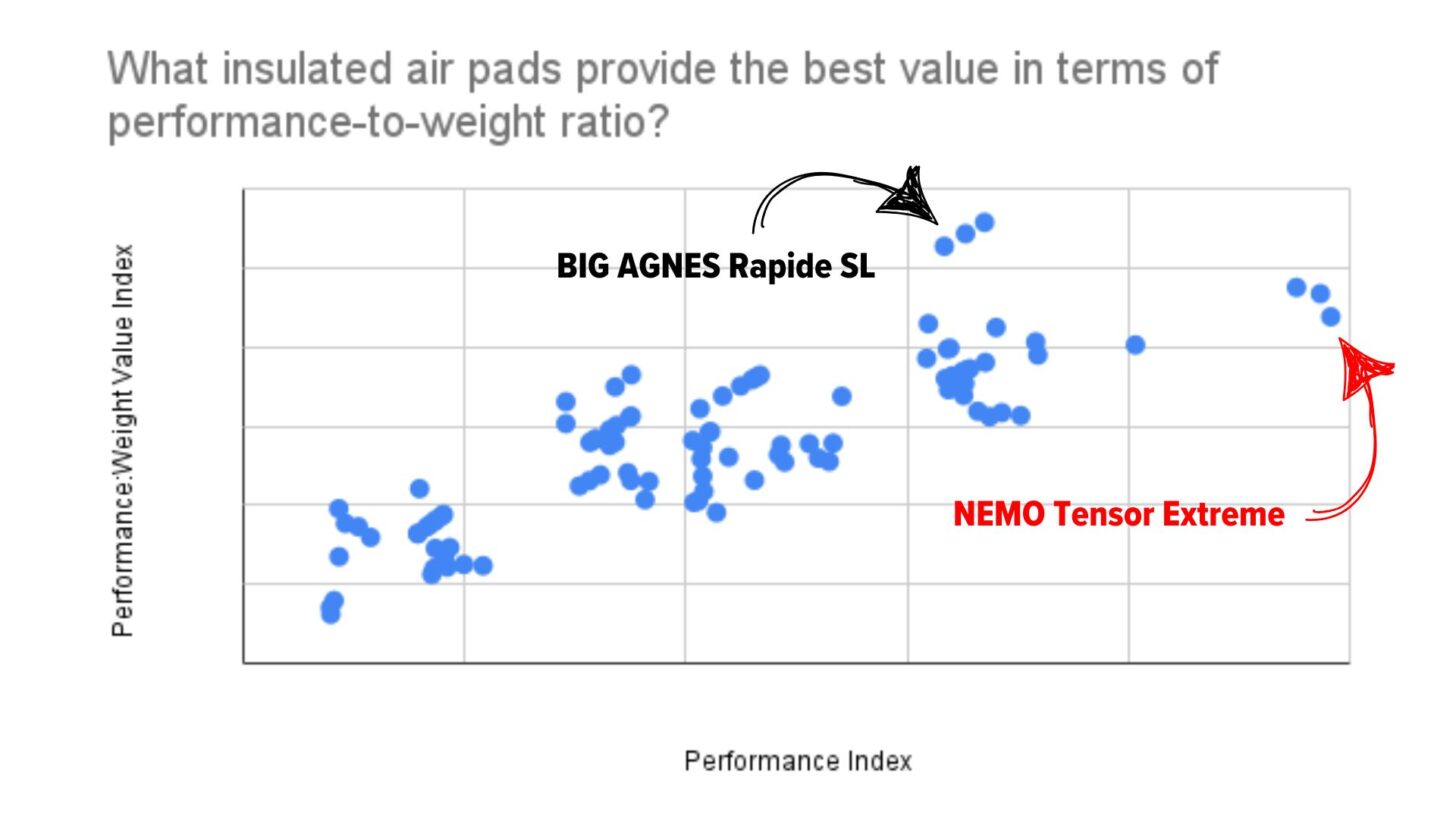
In terms of value, the Big Agnes Rapide SL has emerged as a top performer for those seeking the best "bang for their buck." By calculating a "Value Index"—a ratio of comfort and warmth per dollar spent—the Rapide SL consistently ranks at the top, offering an accessible path to high-performance sleep without the $300 price tag often associated with elite-tier pads.
For inflation, the industry has responded to consumer demand for convenience with compact, rechargeable pumps. The Flextail Zero Pump is currently the gold standard, offering reliable performance, decent battery life, and a significant reduction in the effort required to prepare a camp for the night.
Implications: The Field Comfort Protocol
To optimize sleep in the field, users should move away from the "inflate until hard" heuristic. Instead, follow this two-minute protocol to ensure maximum performance:
1. Controlled Inflation
Set your pad to a "measurable deflection." A pad should be firm enough to prevent bottoming out at the hips and shoulders, but soft enough to conform to the body’s natural curves.
2. Strategic Geometry
Choose a pad width that accommodates your natural sleeping posture. If you are a side sleeper who splays your arms, a 25-inch wide pad is not a luxury; it is a mechanical necessity for spinal alignment and limb support.

3. System Integration
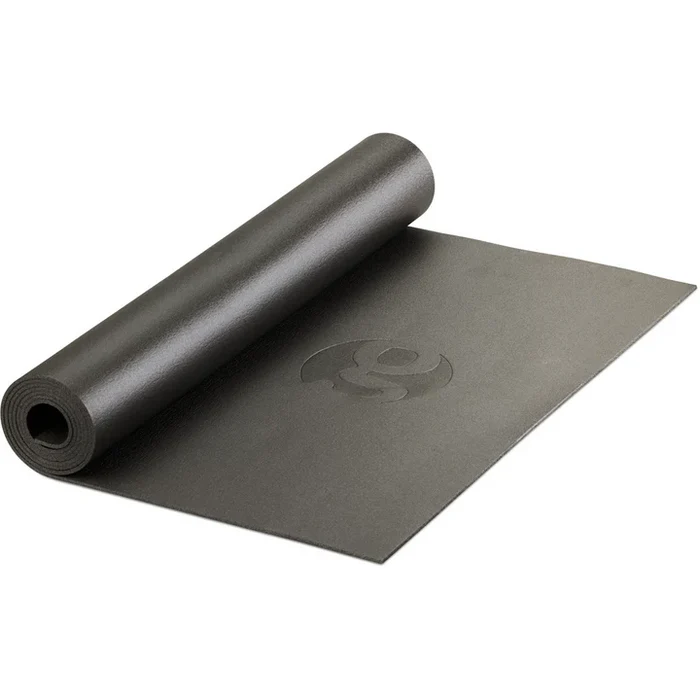
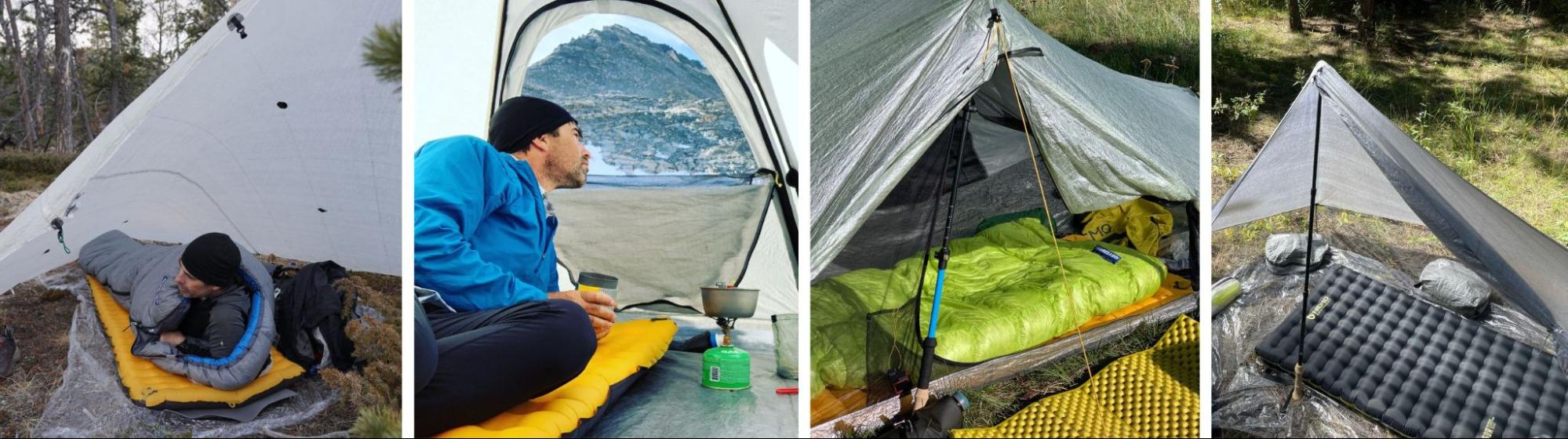
If you are sleeping in cold conditions, the two-pad system remains the most robust solution. Placing a thin, closed-cell foam pad (like the Gossamer Gear Thinlight) under your inflatable pad adds a layer of puncture protection and thermal redundancy. Placing it on top of the inflatable pad can improve moisture management and skin comfort.
4. Bivy Sack Considerations
If using a bivy sack, avoid the temptation to over-inflate. A slightly under-inflated pad creates a more stable, lower-profile sleeping surface that is less likely to press against the ceiling of a confined bivy, reducing both condensation buildup and the feeling of claustrophobia.
5. Skin-to-Pad Interface
The tactile experience matters. If the fabric of your pad feels clammy or creates excessive noise, use a lightweight pillow cover or a thin base layer to act as a barrier. Proper pillow loft is also critical; it must match the thickness of the pad to maintain cervical alignment, preventing neck strain.
Final Thoughts
The modern sleeping pad is no longer a simple cushion; it is an integrated system. By selecting the correct baffle architecture for your sleeping style, prioritizing width over absolute minimum weight, and utilizing a measured approach to inflation, you can transform your nights in the backcountry. Whether you are a long-distance thru-hiker needing the weight savings of a mummy-shaped NeoAir or a winter camper requiring the high-R-value stability of the NEMO Tensor Extreme, the current market offers a solution that, when tuned correctly, will result in deeper, more continuous sleep.
Disclaimer: This report is based on technical specifications and field testing conducted by Backpacking Light. Product performance may vary based on user weight, environmental conditions, and individual physiology. Always test gear in controlled environments before relying on it in extreme backcountry conditions.