As the global travel industry pivots toward a more sustainable, conscientious future, the ancient Anatolian city of Tokat, Turkey, is poised to take center stage. From July 27 to 31, 2021, this historic crossroads of civilizations will host the 16th Ecotourism and Sustainable Tourism Conference (ESTC), organized by The International Ecotourism Society (TIES). For a city that has served as a sanctuary for 14 different civilizations over the last 1,500 years, this event marks a strategic evolution: transforming a deep, storied past into a blueprint for future-proof tourism.
The Convergence of History and Sustainability: An Overview
Tokat, a city defined by its dramatic topography—where the rugged Black Sea terrain softens into the rolling plains of Central Anatolia—is far more than a historical footnote. It is a living, breathing laboratory for ecological diversity. The choice of Tokat for the 16th ESTC is deliberate. Organizers believe that by bringing global leaders in sustainability to a region that has successfully managed natural and cultural resources for centuries, the conference can foster a unique dialogue between ancient preservation techniques and modern eco-innovation.
The city’s geography, marked by a transitional climate, has created a fertile cradle for both agricultural abundance and architectural resilience. With its iconic Tokat Castle standing guard over a city that has continuously evolved since the 5th century, the municipality is now positioning itself as a beacon for "slow tourism"—a movement that prioritizes community engagement, environmental stewardship, and the preservation of local heritage.
A Chronology of Civilization and Development
To understand the significance of Tokat as a host for the ESTC, one must look at the timeline of its development. The city’s identity is not defined by a single era, but by the accumulation of 14 distinct cultural legacies.
- The Ancient Foundations (5th Century – 11th Century): Emerging as a vital settlement during the early Byzantine period, Tokat’s strategic location along trade routes necessitated early forms of sustainable water management and land use, as settlers navigated the challenging mountainous terrain.
- The Seljuk and Ottoman Flourishing (11th Century – 19th Century): During these centuries, Tokat became a hub of commerce, arts, and agriculture. The construction of enduring landmarks, such as the Tokat Castle and numerous madrasas, demonstrated an early commitment to monumental architecture that harmonized with the natural landscape.
- The Modern Transformation (21st Century): Under the leadership of young, reform-minded officials, the city has begun a systematic transition toward sustainable development. This includes the revitalization of traditional agricultural practices and the integration of these practices into the burgeoning tourism economy.
- The ESTC Milestone (July 2021): The selection of Tokat as the host for the 16th International Ecotourism and Sustainable Tourism Conference marks the city’s entry into the international arena as a premier destination for travelers seeking authenticity, safety, and environmental responsibility.
The Architect of Change: An Interview with Mayor Eyüp Eroğlu
At the heart of this transformation is Mayor Eyüp Eroğlu. As one of Turkey’s youngest and most dynamic mayors, Eroğlu has spent his tenure bridging the gap between local traditions and global standards. In a recent discussion regarding the upcoming conference, the Mayor emphasized that Tokat’s appeal lies in its "unfiltered authenticity."
"Along with Tokat’s friendly local people and their welcoming outlook, the Municipality will make every effort to develop our city’s tourism to be represented in the international arena," Mayor Eroğlu stated. "We will accomplish this in a sustainable way, ensuring that the legacy of our 14 civilizations is preserved for future generations."
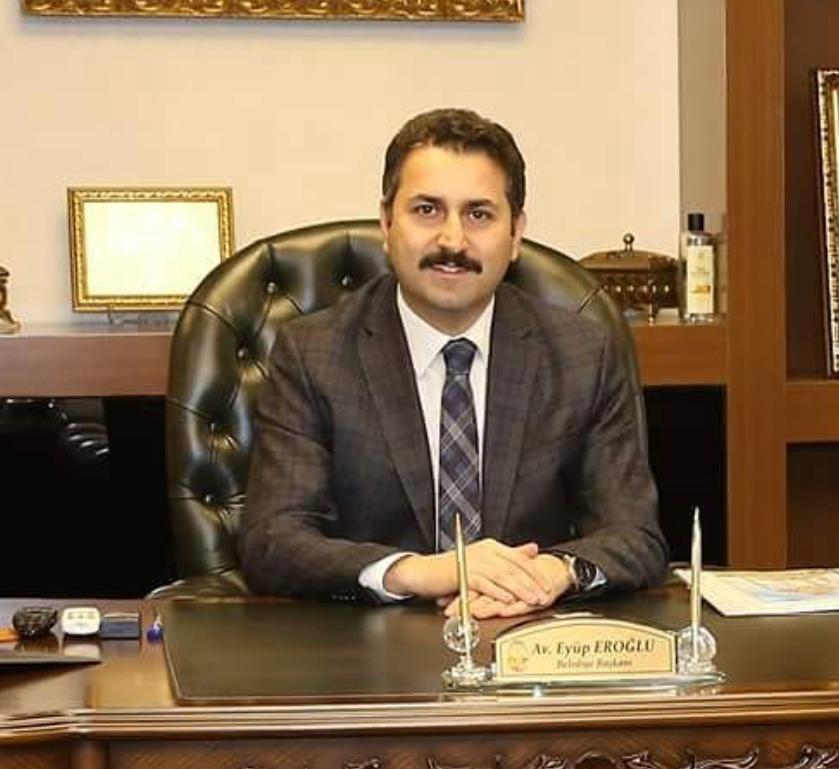
When pressed about why Tokat is the perfect host for the TIES conference, the Mayor pointed to the city’s ability to offer a "complete experience." He noted that modern travelers are no longer satisfied with passive sightseeing; they want to engage with the land, the food, and the people. Tokat, with its blend of agricultural bounty and architectural depth, provides exactly that.
Supporting Data: The Agricultural and Cultural Wealth of Tokat
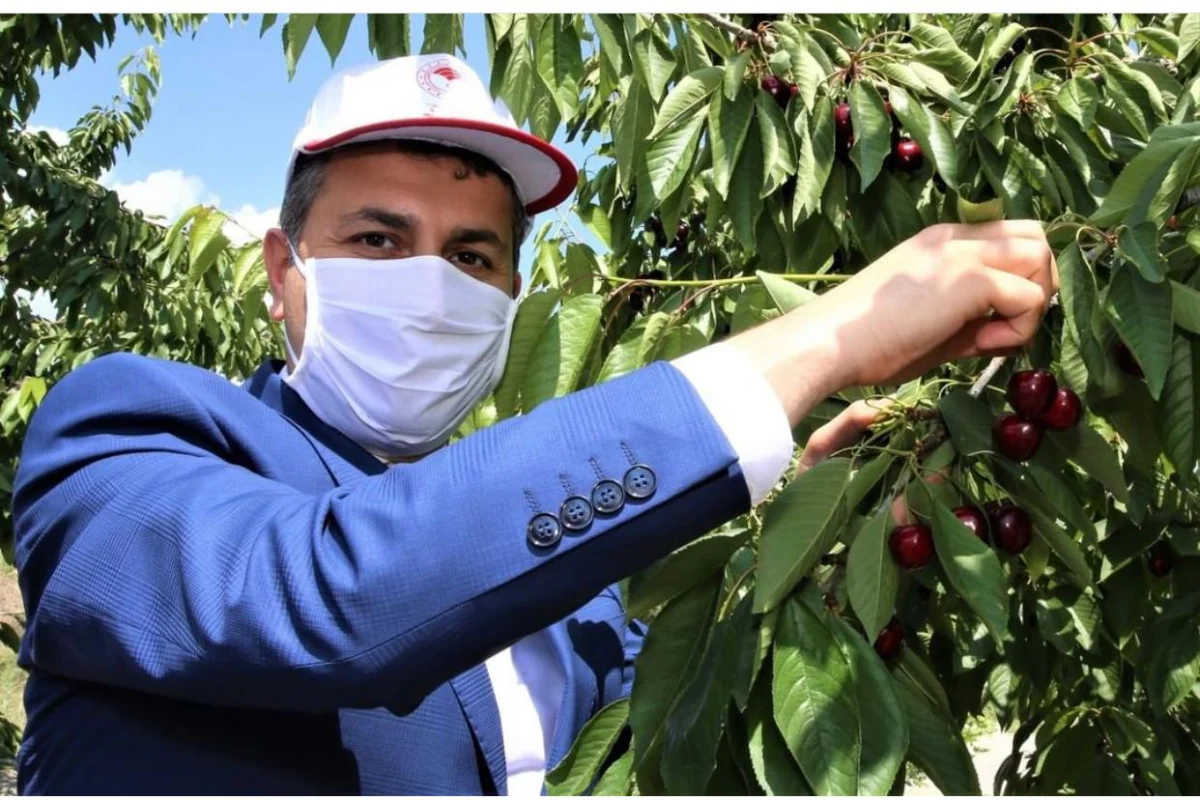
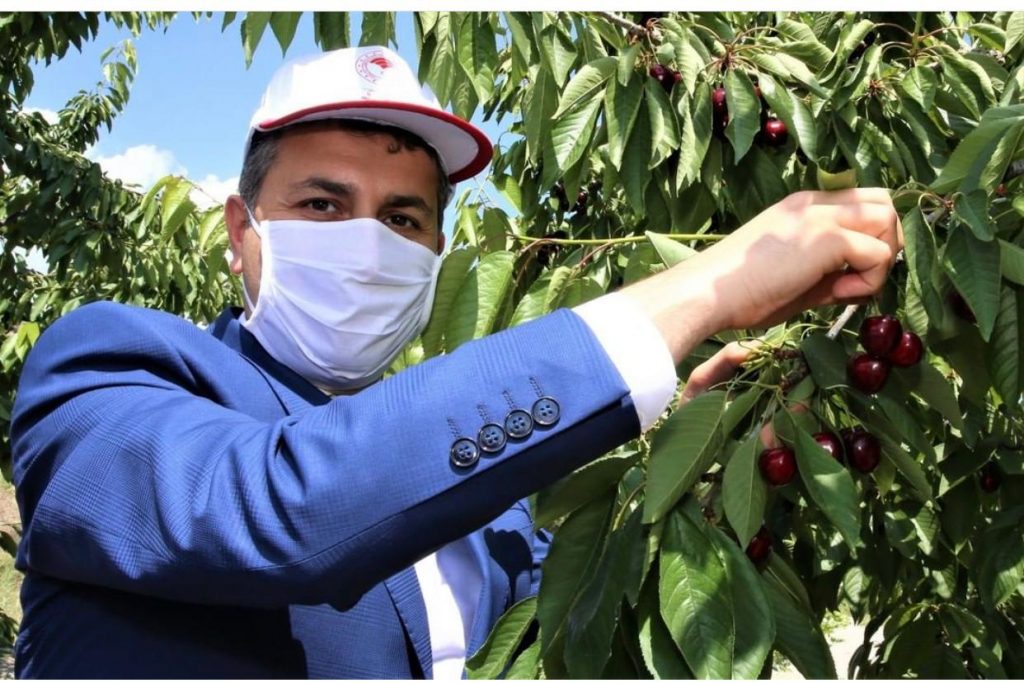
Tokat’s claim to fame as an ecotourism destination is backed by impressive biological and agricultural diversity. The region boasts 82 distinct varieties of cereals, vegetables, and fruits. This staggering variety is not merely a statistical curiosity; it is the foundation of the city’s vibrant gastronomy.
The Gastronomic Ecosystem
The "Tokat Kebab"—a slow-roasted delicacy that utilizes local produce—is the flagship of the city’s culinary offerings. However, the true value lies in the supply chain. From the cultivation of grape leaves to the harvest of walnuts and fenugreek, the city maintains a hyper-local food system. This "farm-to-table" reality is, in essence, the very definition of sustainable tourism. Visitors to the ESTC will not be eating imported food; they will be consuming the history of the soil itself.
Geographical and Climatic Resilience
The city’s transitional climate serves as an ecological buffer, allowing for a wide range of biodiversity. This diversity has allowed the local populace to develop sophisticated, low-impact farming methods that protect the environment while providing for the community. During the conference, attendees will have the opportunity to visit these production sites, witnessing firsthand how the city balances economic output with ecological health.
Safety and Hospitality in the Post-Pandemic Era
In the wake of global health concerns, the 16th ESTC places a heavy premium on safety. Mayor Eroğlu was quick to highlight that the city’s preparations are not just about aesthetics or logistics, but about the rigorous application of health protocols.
"I am deeply impressed with the care TIES has taken to ensure the safety of ecotravelers and the residents of our city," Mayor Eroğlu remarked. The Municipality has implemented a multi-layered safety plan that integrates with the city’s existing public health infrastructure. This allows for a "worry-free" experience that does not compromise the warmth of Anatolian hospitality. Attendees can expect a seamless environment where the focus remains on intellectual exchange and cultural immersion, rather than logistical anxiety.
Implications: The Future of Ecotourism in Anatolia
The 16th ESTC is expected to have long-lasting implications for both Tokat and the global ecotourism industry. For the city, the conference is a springboard for international recognition. By proving that a city with a 1,500-year history can modernize without losing its soul, Tokat provides a roadmap for other historic, mid-sized cities worldwide.
Global Knowledge Exchange
The conference will serve as a hub for the exchange of best practices. Delegates from around the world will share insights on:
- Sustainable Infrastructure: How to maintain historic structures while upgrading them to meet modern environmental standards.
- Community-Led Tourism: Empowering local artisans and farmers to lead the tourism narrative, ensuring that the economic benefits remain within the community.
- Preserving Cultural Identity: Using tourism as a tool for the preservation of dying arts, crafts, and dialects, rather than a catalyst for cultural dilution.
A Call to Action for Travelers
The International Ecotourism Society (TIES) has issued a formal invitation to travel professionals, researchers, and conscious travelers to attend the conference. The registration process, now open, is an opportunity to be part of a pivotal moment in tourism history.
As the world looks to recover from recent global challenges, the need for sustainable, community-focused travel has never been greater. Tokat represents the ideal destination for this recovery—a place where the past informs the future, and where hospitality is not a service, but a way of life.
The 16th ESTC is not merely a conference; it is a testament to the resilience of human civilization. By gathering in the historic shadow of Tokat Castle, participants will not only witness the "Anatolian heritage" that the Mayor speaks of with such pride, but will also contribute to a global conversation that will shape the way we interact with our planet for decades to come.
Delegates and interested parties are encouraged to secure their place at this landmark event by registering here. The path to a more sustainable future begins in the fertile valleys and historic streets of Tokat.