East Africa is more than just a destination; it is a geological masterpiece. Defined by the dramatic scars of the Great Rift Valley, the region offers a landscape shaped by ancient volcanic activity, yielding some of the most breathtaking biodiversity on the planet. For the modern traveler, East Africa has evolved into a premier hub for "ecotourism"—a philosophy of travel that prioritizes environmental conservation, wildlife protection, and the socio-economic empowerment of local communities.
From the snow-capped peak of Mount Kilimanjaro to the mist-shrouded jungles of Rwanda’s Volcanoes National Park, the region offers an unparalleled adventure for those looking to traverse the path less traveled.
Main Facts: The Volcanic Spine of East Africa
The East African Rift is one of the most geologically active regions in the world. This tectonic activity has birthed a series of volcanic peaks and craters that serve as the backbone for the region’s ecotourism industry.
Key destinations include:
- Mount Kilimanjaro (Tanzania): The "Roof of Africa," a dormant volcano and the highest peak on the continent.
- Mount Meru (Tanzania): A high-altitude sanctuary offering dramatic cliff-side trekking.
- Volcanoes National Park (Rwanda): The epicenter of gorilla conservation and primate trekking.
- Mount Kenya (Kenya): A majestic stratovolcano offering rugged, high-altitude challenges.
- The Eastern Arc Mountains: Known for their unique endemic species and ancient forests.
- Oldonyo Lengai (Tanzania): The "Mountain of God," an active volcano that remains a site of immense cultural and geological significance.
These locations are not merely scenic; they are living ecosystems where travelers can engage in responsible, low-impact tourism that directly funds conservation efforts.
Chronology: Designing the Perfect Ecotourism Itinerary
For those planning an immersive journey, timing and structure are critical. A standard 8 to 14-day safari package is generally considered the "sweet spot" for balancing wildlife viewing, cultural immersion, and physical activity.
The 8–14 Day Blueprint
- Days 1–3: The Highlands and Acclimatization. Begin your journey in the Ngorongoro Conservation Area. Utilizing the Olmoti and Empakai craters for nature walks is not just an aesthetic choice; it serves as essential high-altitude training for those intending to climb Mount Kilimanjaro.
- Days 4–9: The Ascent. Embark on a multi-day expedition, such as the Lemosho route on Kilimanjaro. This route is favored for its superior acclimatization profile and stunning vistas.
- Days 10–14: Wildlife and Primates. Conclude your trip with a transition to the "Big Five" safari circuits in the Serengeti or transition to Rwanda for a gorilla-tracking expedition in Volcanoes National Park.
Supporting Data: Why Ecotourism Matters
Ecotourism is defined by more than just "nature appreciation." It is a structural commitment to the triple bottom line: planet, people, and profit.
The Economic Impact on Local Communities
When travelers book through reputable destination management companies (DMCs) like Kilimanjaro Tanzanite Safaris, they are ensuring that their tourist dollars circulate within the local economy. By utilizing eco-lodges and tented camps, visitors minimize their carbon footprint while ensuring that local staff—porters, guides, and hospitality workers—receive fair wages.
Cultural Preservation
The Ngorongoro Conservation Area stands as a prime example of the symbiosis between conservation and culture. Visitors who engage with the Maasai communities at local Bomas are participating in a reciprocal exchange. These visits provide the Maasai with sustainable revenue streams that protect their traditional lifestyles against the pressures of modernization, while the visitor gains an authentic understanding of nomadic culture.
Biodiversity Statistics
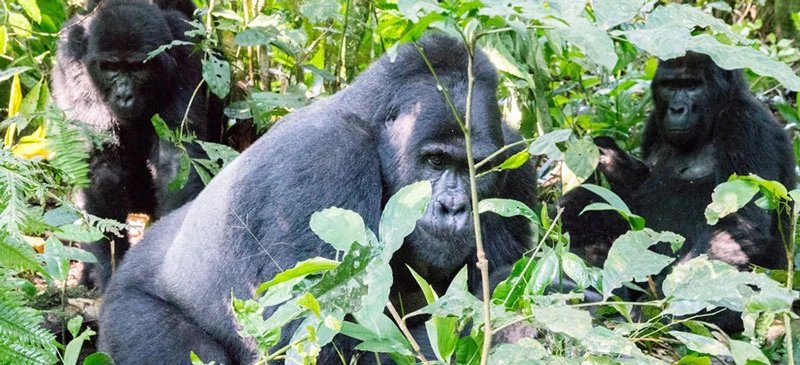
Rwanda’s Volcanoes National Park has become a global gold standard for wildlife recovery. Through rigorous gorilla trekking regulations—limiting the number of visitors per group to reduce stress on the primates—the park has seen a steady increase in the mountain gorilla population. This proves that high-value, low-volume tourism is a viable model for species preservation.
Official Responses and Expert Insights
Industry experts, including analysts from Travel and Leisure, emphasize that the key to successful East African trekking lies in professional preparation. Whether you are trekking in the Udzungwa Mountains or navigating the dense foliage of the Rwandan jungle, local guidance is non-negotiable.
The Role of DMCs
"A safari is only as good as its logistics," says a representative from Kilimanjaro Tanzanite Safaris. "When we arrange a trip, we aren’t just booking a hotel. We are managing a complex ecosystem of transport, permits, and expert guides who know how to protect the environment while showing the guest the best of the landscape."
Expert Tips for Gorilla Tracking
According to Travel and Leisure, the secret to a successful gorilla tour lies in the "slow-travel" mindset. Guests are advised to:
- Prioritize Health: Do not visit if you have a cold or flu, as gorillas are highly susceptible to human respiratory illnesses.
- Respect the Buffer: Maintain the mandated 7-meter distance at all times.
- Invest in Quality Gear: Waterproof clothing and sturdy, broken-in hiking boots are essential for the unpredictable terrain of the volcanic rainforests.
Implications: The Future of Responsible Travel
The shift toward sustainable, volcanic-centered tourism in East Africa carries significant implications for the future of the continent’s wild spaces.
Climate Resilience
As global temperatures rise, the glaciers of Mount Kilimanjaro are receding. Ecotourism serves as a mechanism for climate awareness. By witnessing these environments firsthand, travelers become ambassadors for environmental action, often contributing to carbon-offset projects associated with their tour packages.
The "Combo-Safari" Trend
The most significant trend in the region is the "Gorilla-Savannah Combo." By combining the intense, intimate jungle experience of Rwanda’s primate trekking with the wide-open expanse of the Serengeti’s Great Migration, travelers are demanding a deeper, more diverse experience. This trend forces regional governments to cooperate on cross-border conservation strategies, effectively creating larger, more resilient protected areas.
The Call to Action
For the prospective traveler, the takeaway is clear: exploration should not come at the cost of the environment. Whether you are seeking the challenge of the Lemosho route, the cultural depth of the Maasai Bomas, or the awe-inspiring sight of a silverback gorilla, your travel choices are a vote for the preservation of these volcanic wonders.
By choosing reputable, eco-conscious partners, you ensure that the Great Rift Valley remains a beacon of biological diversity for generations to come. Your journey is not just a vacation; it is a contribution to the global effort to save our most precious, volatile, and beautiful landscapes.
Additional Resources for the Modern Traveler
- For Kilimanjaro Expeditions: Private Kilimanjaro Expeditions & Climbing Details
- For Wildlife Safaris: Tanzania Safari Itineraries & National Parks
- For Primate Tracking Tips: Travel and Leisure Guide to Gorillas and Monkeys
In conclusion, the volcanic tours of East Africa represent the zenith of adventure travel. They require physical preparation, a commitment to local ethics, and a deep respect for the natural world. As you pack your bags for this once-in-a-lifetime journey, remember that the true souvenir of an East African safari is not just the photos you take, but the positive impact you leave behind.