

In the world of long-distance trekking and outdoor exploration, the journey is rarely confined to the trail itself. For the dedicated hiker, the experience begins with the anticipation found in guidebooks, deepens through the philosophical reflections of pioneers, and is sustained by the memoirs of those who walked before us. Recently, the fifth iteration of the "Hiking Books Guide"—a cornerstone resource for the global backpacking community—was released, offering an expansive, meticulously curated selection of over 90 essential titles.

This latest edition represents more than just a reading list; it is a cultural audit of the literature that defines the outdoor experience. By categorizing these works into eight distinct pillars—Educational, Guidebooks, Humour, Inspirational, Literature, Memoirs, Philosophy, and Ultralight—the guide provides a roadmap for both novice adventurers and seasoned thru-hikers to navigate the vast landscape of outdoor writing.

The Evolution of the Hiking Canon
The "Hiking Books Guide" has long served as a bibliographic anchor for The Hiking Life. Over the years, its scope has shifted from a simple list of recommendations to a comprehensive repository of the wisdom accumulated by the world’s most experienced outdoorspeople.

The project traces its origins back to a desire to synthesize the fragmented world of outdoor literature into a single, accessible format. With each subsequent iteration, the guide has grown in complexity, incorporating digital advancements—such as audiobooks and e-readers—while maintaining a reverence for the traditional, paper-bound volumes that have historically defined the genre. This fifth update is the most ambitious to date, reflecting a broader inclusion of diverse voices and a deeper dive into the technical and philosophical nuances of modern backpacking.

Categorizing the Great Outdoors
To make sense of such a vast collection, the guide utilizes a specialized taxonomy. Each category serves a specific purpose in the hiker’s personal development:

- Educational: Focused on the practical mechanics of survival, navigation, and environmental stewardship.
- Guidebooks: The essential, often utilitarian, companions for specific regional traverses.
- Humour: A necessary antidote to the physical and mental rigors of the trail.
- Inspirational: Works that capture the emotional "why" behind the pursuit of the wild.
- Literature: Classic narratives that elevate walking to an art form.
- Memoirs: Personal accounts that document the human condition within the wilderness.
- Philosophy: Deep-dives into the relationship between the human spirit and the natural world.
- Ultralight: The technical evolution of weight reduction and efficient movement.
Supporting Data and the "Wood Wide Web"
A significant feature of this year’s guide is its inclusion of interdisciplinary texts. The author highlights works that transcend traditional "hiking" advice, opting instead to include scientific and ecological insights.

A notable example is the inclusion of material exploring the "wood wide web"—the complex underground fungal networks that allow trees to communicate and share resources. By framing the forest not just as a backdrop for a hike but as a social, sentient system, the guide encourages readers to move beyond the "human-centric" view of nature. As the guide suggests, by understanding these complex biological networks, the hiker shifts from a mere visitor to a participant in a larger, ancient conversation. This inclusion signals a departure from purely tactical literature toward a more holistic, ecological perspective.

The Role of Technology in Modern Exploration
The guide addresses the tension between tradition and modernity. In the section dedicated to guidebooks, the author shares their own transition from heavy, physical Cicerone volumes of the 1990s to digital Kindle editions used during recent treks through the Scottish Highlands and the Alps.

This transition highlights a growing trend in the backpacking community: the prioritization of functionality. While there is a romantic appeal to the dog-eared, mud-stained paper guidebook, the logistical advantages of digital files—specifically regarding weight and accessibility—are undeniable. However, the guide maintains a balance, suggesting that for the truly transformative, slow-travel experiences, the physical book remains an irreplaceable artifact of the journey.

Professional Perspectives: The "Grandma Gatewood" Effect
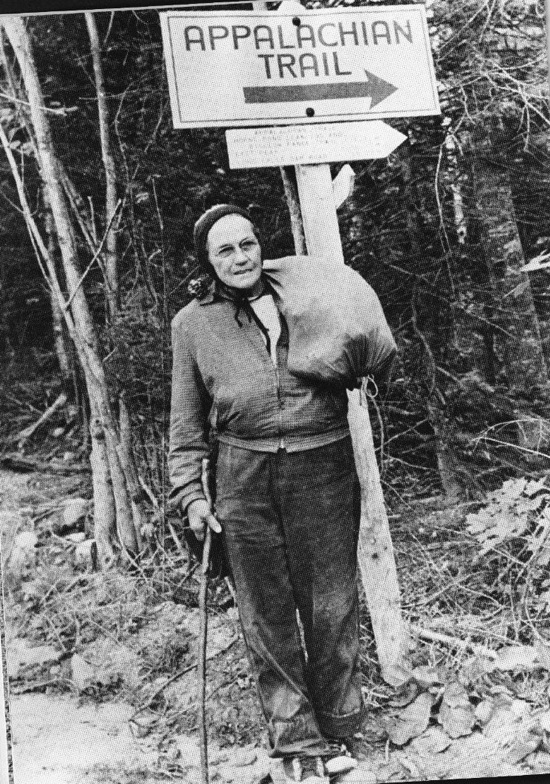
In the Inspirational and Memoirs sections, the guide pays homage to historical figures who fundamentally changed the sport. The inclusion of Emma "Grandma" Gatewood, who famously thru-hiked the Appalachian Trail at age 67 with minimal equipment, serves as a testament to the power of human resilience.

The author notes that while there has been an influx of modern "thru-hiking memoirs," there remains a distinct preference for works that focus on the internal journey rather than the performative aspects of modern long-distance hiking. By bypassing certain popular, high-profile contemporary memoirs, the guide prioritizes "the odyssey"—books that treat the trail as a chapter in a lifelong process of growth rather than a singular, bucket-list accomplishment.
Implications for the Future of Hiking Culture
The release of this fifth iteration carries significant implications for the outdoor community. First, it codifies a "canon" that encourages a deeper, more intentional relationship with the outdoors. By curating these specific titles, the author is nudging readers away from superficial consumption and toward a more contemplative practice of walking.

Second, the guide emphasizes the "art of the light pack." By featuring the evolution of ultralight literature—from the early, foundational works of the 1990s to modern advancements—it provides a historical context for the current obsession with gear. This is crucial for new hikers who might otherwise view "ultralight" as a modern marketing trend rather than a philosophy rooted in the necessity of mobility.

Finally, the guide reinforces the idea that hiking is a cultural, rather than purely athletic, endeavor. By linking the act of walking to the broader history of philosophy, literature, and ecology, the "Hiking Books Guide" elevates the reader’s understanding of their own footprints.

Conclusion: A Living Document
The "Hiking Books Guide" is, by its own admission, a living, breathing project. Its expansion to over 90 titles is not an attempt to create an exhaustive list, but rather to curate a collection that challenges, sustains, and informs.

As technology changes, as the trails themselves face new ecological pressures, and as the community of hikers continues to grow, this guide serves as a necessary anchor. It reminds us that whether we are walking through the Cairngorms or the High Sierra, we are never truly alone on the trail. We are accompanied by the words, experiences, and wisdom of those who have spent their lives trying to answer the same question: Why do we walk?

For those looking to build their own library, the guide remains the definitive starting point, offering a bridge between the physical act of trekking and the intellectual depth that transforms a simple walk into a meaningful journey.

Disclosure: The "Hiking Books Guide" contains affiliate links, supporting the ongoing production of high-quality content for the backpacking community. The guide remains committed to providing independent, reader-focused recommendations that prioritize the integrity of the outdoor experience.