In a significant stride toward the United Kingdom’s ambitious net-zero objectives, the government has granted a Development Consent Order (DCO) for the Beacon Fen Energy Park. This massive renewable energy infrastructure project, spearheaded by the UK-based investment firm Low Carbon, represents a major convergence of solar generation and battery energy storage technology. Strategically located in the heart of Lincolnshire, the project is set to become a cornerstone of the region’s energy transition.
The approval marks a historic moment, not only for the scale of the facility—which will combine 400MW of solar generation with 600MW of battery storage—but also as the first major energy infrastructure project to receive consent under the current Secretary of State, Miatta Fahnbulleh. By bridging the gap between intermittent renewable generation and reliable grid supply, the Beacon Fen project provides a blueprint for future large-scale energy developments in the UK.
The Beacon Fen Project: Core Specifications and Scope
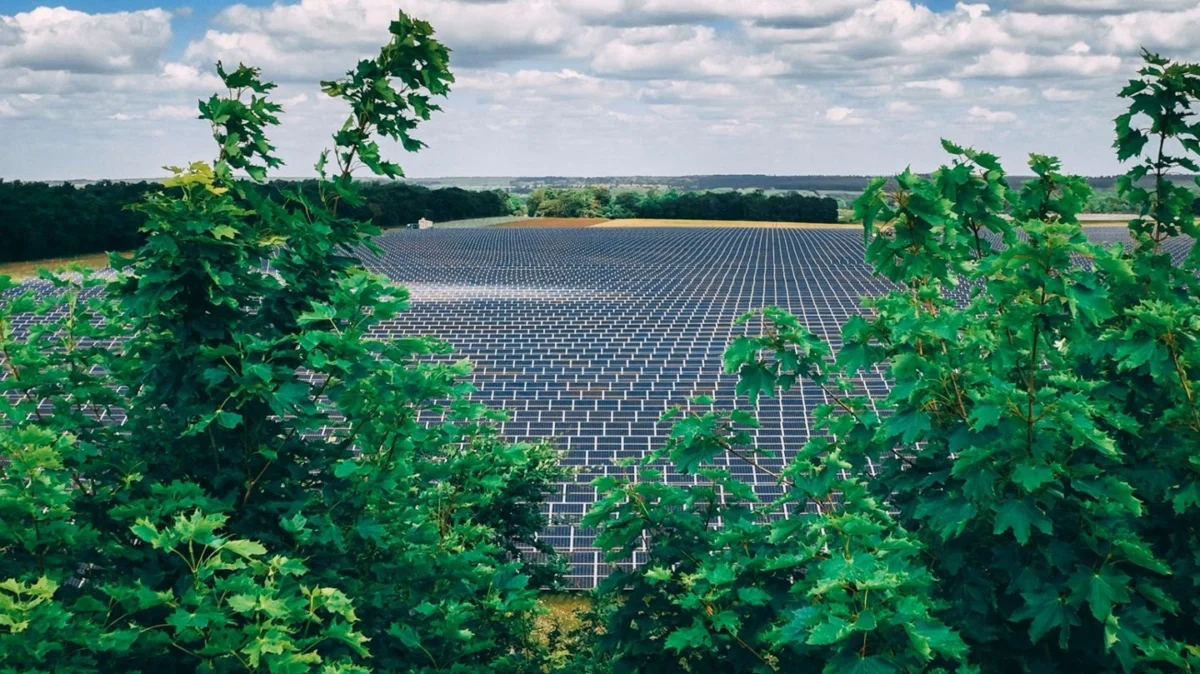
The Beacon Fen Energy Park is an expansive infrastructure initiative designed to maximize the renewable potential of the Lincolnshire landscape. Located geographically to the east of Sleaford and north of Heckington, the project utilizes a vast footprint to integrate two critical technologies: solar photovoltaic (PV) arrays and a high-capacity Battery Energy Storage System (BESS).
Technical Infrastructure
The facility is not merely a collection of solar panels; it is a sophisticated, multi-layered energy ecosystem. Key components of the approved development include:
- Solar PV Arrays: A 400MW solar farm capable of harvesting vast quantities of sunlight, even in the temperate UK climate.
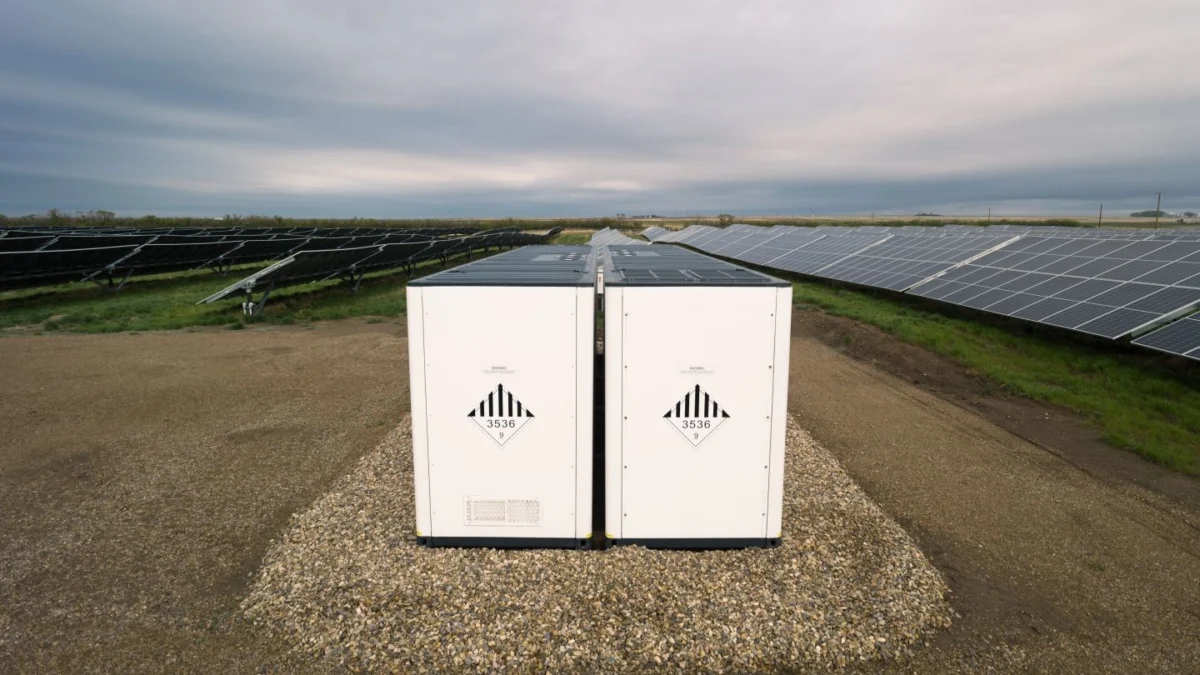
- Battery Storage: A 600MW single-stacked battery energy storage system. This is critical for grid stability, as it allows the facility to store excess energy generated during peak sunlight hours and discharge it during periods of high demand or low generation.
- Grid Integration: The project will connect directly to the national grid via the Bicker Fen substation, utilizing high-voltage cable connections of up to 400kV.
- Ancillary Works and Biodiversity: Beyond the industrial components, the DCO includes provisions for robust security perimeter fencing, extensive hedgerow improvements, and significant ecological enhancements designed to foster local biodiversity.
The environmental impact of the project is substantial. Once fully operational, the Beacon Fen Energy Park is forecast to generate sufficient clean electricity to power approximately 130,000 homes annually. Furthermore, by displacing fossil fuel-based generation, the project is projected to prevent the release of approximately 72,000 tonnes of carbon dioxide equivalent (CO2e) into the atmosphere each year, representing a major victory for regional climate policy.
A Chronology of Development: From Application to Consent
The path to approval for a project of this magnitude is complex, governed by the stringent requirements of the Planning Act 2008. The Beacon Fen Energy Park’s journey through the bureaucratic and planning landscape is a testament to the rigorous scrutiny applied to modern energy infrastructure.
Timeline of Key Milestones:
- April 8, 2025: The formal DCO application was submitted to the Planning Inspectorate, marking the official start of the development process.
- May 1, 2025: The Planning Inspectorate officially accepted the application for examination, confirming that the developer had provided sufficient documentation and met the necessary standards for the consultation process.
- September 2025: The statutory examination phase began. This period was crucial for transparency, incorporating input from the public, statutory consultees, and various interested stakeholders who sought to provide feedback on the project’s impact.
- May 22, 2026: The Planning Inspectorate submitted its final recommendations to the Secretary of State for Energy Security and Net Zero.
- August 2026: Final approval was granted. Baroness Curran, exercising legal authority on behalf of the Energy Secretary, finalized the consent, making this the 112th energy application processed by the Inspectorate out of 180 total submissions.
The fact that the project was approved within the statutory timescales set forth by the Planning Act 2008 highlights the increasing efficiency of the UK’s planning system for nationally significant infrastructure projects (NSIPs).
Official Responses and Strategic Significance
The approval of Beacon Fen has been met with significant enthusiasm from industry leaders and government officials, who view it as a litmus test for the UK’s commitment to energy security.
Mike Rutgers, UK Development Managing Director at Low Carbon, emphasized the strategic importance of the decision: "Securing development consent for Beacon Fen Energy Park is a landmark moment for Low Carbon. As one of the first major energy infrastructure decisions taken under the new Secretary of State, the approval sends a clear signal about the importance of accelerating homegrown, clean energy that can play a key role in strengthening energy security and supporting economic growth."
The political context is equally important. By granting consent under the new administration, the Department for Energy Security and Net Zero has signaled that it intends to maintain, if not accelerate, the pace of green energy deployment. The decision underscores a government policy shift that prioritizes domestic energy independence, moving away from volatile international fossil fuel markets toward a decentralized, localized grid.
The Broader Implications for the UK Energy Market
The Beacon Fen Energy Park is more than just a power plant; it is a vital component of the UK’s broader "Energy Trilemma"—the need to balance energy security, affordability, and sustainability.
Strengthening Grid Resilience
The inclusion of 600MW of battery storage is perhaps the most critical element of the project. As the UK grid integrates more wind and solar power, the inherent intermittency of these sources poses a risk to grid stability. Large-scale battery storage acts as a shock absorber, storing excess energy during periods of high production and releasing it when the sun is not shining or wind speeds are low. This helps to mitigate price volatility and ensures that the renewable energy produced is actually utilized rather than curtailed.
Economic Impact and Local Integration
The project’s location in Lincolnshire is not arbitrary. Proximity to the Bicker Fen substation allows for efficient connection to the national transmission network. Furthermore, the emphasis on "ecological enhancements" and hedgerow improvement suggests that the developer is cognizant of the need to maintain community support. By integrating environmental stewardship into the project design, Low Carbon aims to demonstrate that industrial-scale energy projects can coexist with local landscapes and ecosystems.
A Model for Future Approvals
As the 112th project to navigate the Planning Inspectorate’s process, Beacon Fen provides a successful template for developers. The government’s ability to process this application within the statutory timeframe is a positive indicator for the pipeline of renewable energy projects currently awaiting review. It demonstrates that with high-quality data, transparent public consultation, and clear alignment with national climate goals, the UK planning system can facilitate the rapid deployment of essential energy infrastructure.
Conclusion
The Beacon Fen Energy Park is a bellwether for the future of the UK’s energy landscape. By combining utility-scale solar generation with massive battery storage capacity, it addresses the fundamental challenges of the energy transition: how to produce clean energy at scale and how to store it reliably.
As the project moves into the construction phase, it stands as a testament to the collaborative efforts between private sector innovators and government regulators. It offers a glimpse into a future where the UK’s energy needs are met through homegrown, sustainable, and reliable resources, reducing the national carbon footprint while simultaneously bolstering the economy. For the residents of Lincolnshire and the nation at large, the approval of Beacon Fen is not just a policy milestone—it is a tangible step toward a cleaner, more secure, and more resilient energy future.