Executive Summary: A New Era for Egyptian Energy
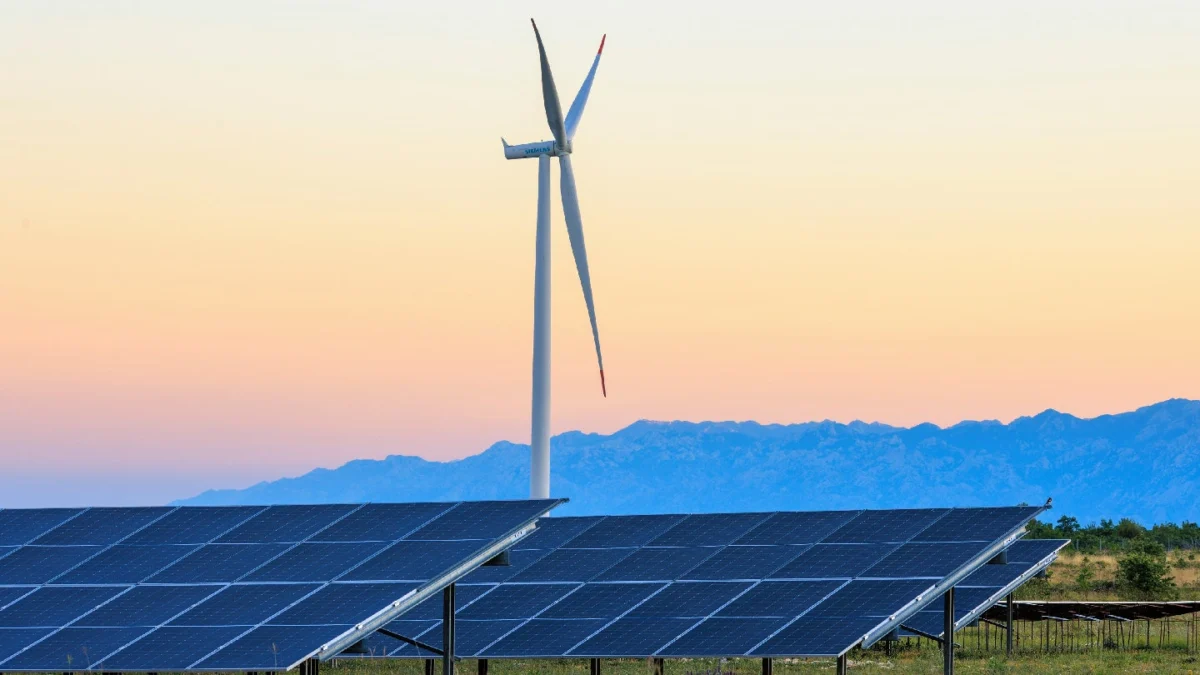
In a milestone achievement for the African renewable energy landscape, Norway-based renewable energy giant Scatec has officially announced the commencement of full commercial operations at the Obelisk project in Egypt. This massive 1.1GW solar photovoltaic (PV) facility, integrated with 100MW/200MWh of battery energy storage system (BESS) capacity, stands as a testament to the viability of large-scale green infrastructure in emerging markets.
Under a long-term 25-year power purchase agreement (PPA) with the Egyptian Electricity Transmission Company (EETC), the Obelisk project is set to deliver more than 3,000GWh of clean electricity annually. By integrating sophisticated battery storage, the project addresses the inherent intermittency of solar power, providing a reliable and stable energy supply that bolsters the national grid. Beyond the sheer scale of energy generation, the project represents a significant stride toward Egypt’s decarbonization goals, with projections indicating an annual reduction of more than 1.2 million tonnes of CO2 emissions.
The Chronology of Development: From Concept to Commissioning
The trajectory of the Obelisk project highlights the meticulous planning and strategic execution required to deliver world-class infrastructure.
Phase One: Foundation and Storage Integration
The project was structured into two distinct phases to ensure operational efficiency and grid integration. The first phase focused on the initial deployment of 561MW of solar generation capacity. Crucially, this phase also saw the completion of the project’s full 100MW/200MWh battery storage capacity. By prioritizing the BESS installation early, Scatec ensured that the facility would be equipped to manage load shifting and frequency regulation from the moment it began feeding energy into the Egyptian grid.
Phase Two: Scaling Up
With the infrastructure foundation laid, the second phase saw the installation of an additional 564MW of solar capacity, bringing the total nameplate capacity to 1.1GW. This phase was characterized by rapid scaling and the seamless integration of additional PV arrays into the existing transmission infrastructure.
Key Milestones
- November 2024: The formal signing of the 25-year PPA with the EETC, signaling a firm commitment from the Egyptian government to integrate Obelisk into the national energy mix.
- May 2026: Scatec and the National Bank of Egypt (NBE) finalized an equity partnership agreement, solidifying the ownership structure and local institutional support.
- August 2026: Full commercial operations achieved, cementing the project’s status as one of Africa’s largest hybrid renewable installations.
Technical Specifications and Supporting Data
The Obelisk project is not merely a collection of solar panels; it is a sophisticated hybrid power plant designed for grid stability.
Power Generation and Grid Impact
The facility is projected to contribute 3,000GWh annually to the Egyptian grid. This volume of energy is essential for meeting the rising electricity demand of the nation’s industrial and residential sectors. By leveraging the high solar irradiance characteristic of the Egyptian landscape, the plant achieves a high capacity factor.
Battery Energy Storage System (BESS)
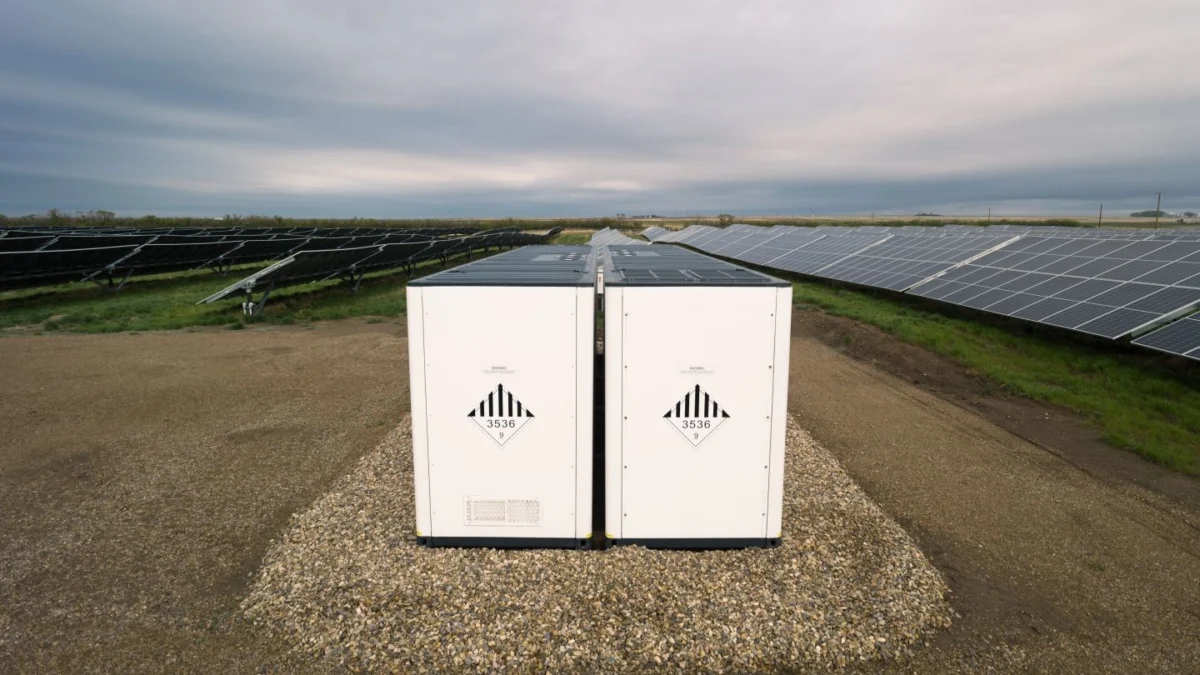
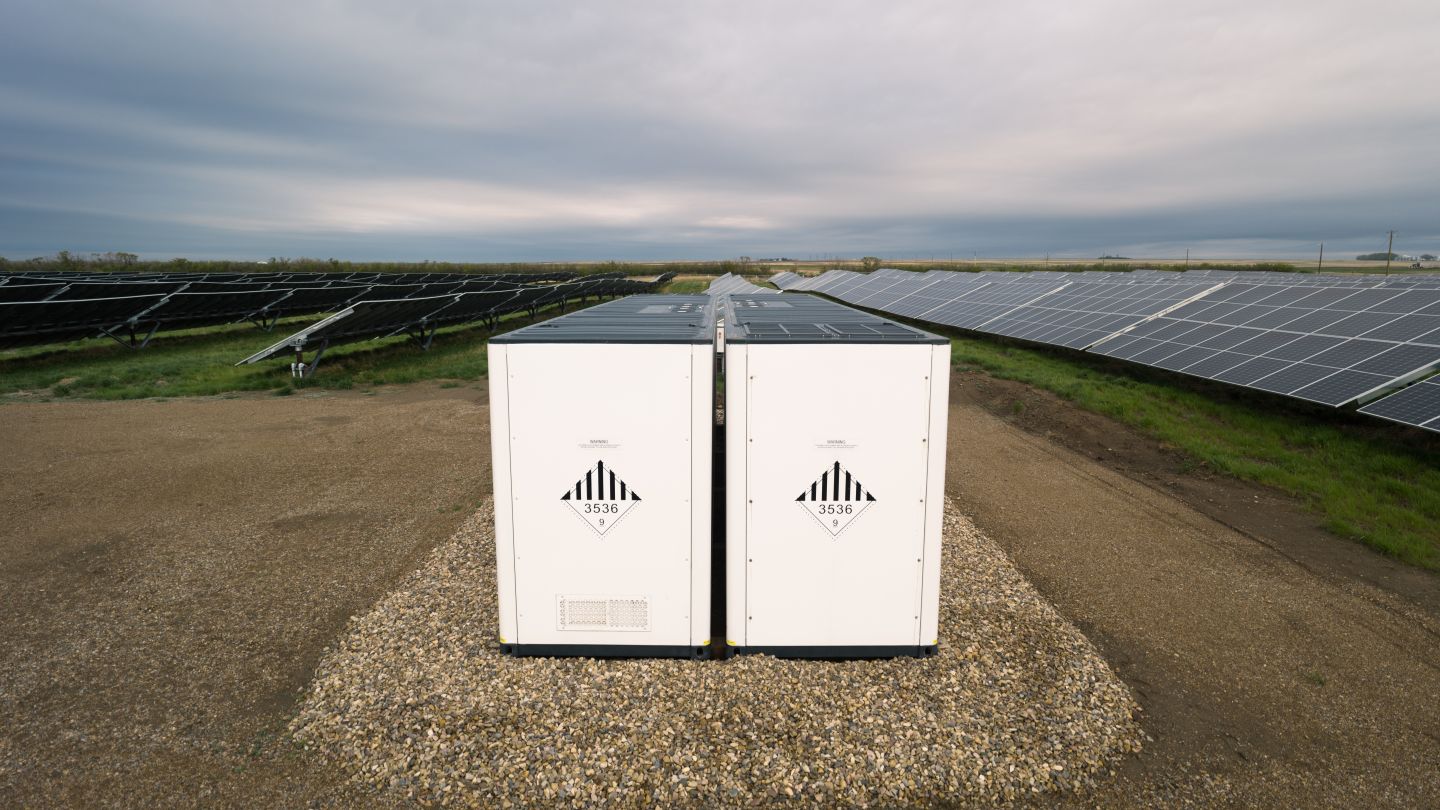
The 100MW/200MWh battery installation is a critical component of the project. In regions with high solar penetration, the "duck curve"—where solar production peaks at midday but drops off just as evening demand surges—can cause grid instability. The Obelisk BESS acts as a buffer, capturing excess midday production and discharging it during peak evening hours, thereby ensuring that the 3,000GWh delivered to the EETC is both consistent and reliable.
Portfolio Expansion
With the completion of Obelisk, Scatec has significantly expanded its footprint in Egypt. When combined with the pre-existing 380MW BenBan solar plant, the company now manages approximately 1.5GW of installed renewable capacity within the country. This growing portfolio places Scatec at the forefront of the Middle East and North Africa (MENA) region’s energy transition.
Official Responses and Strategic Significance
The successful commissioning of the Obelisk project has drawn praise from both the corporate leadership of Scatec and the international financial institutions that backed the endeavor.
The Perspective from Scatec Leadership
Terje Pilskog, CEO of Scatec, framed the project as a defining achievement for the organization:
"Reaching full commercial operations at Obelisk marks a defining milestone for Scatec. Completing Africa’s largest hybrid solar and battery installation demonstrates our ability to develop, finance, and deliver large-scale renewable energy projects in emerging markets. Obelisk will supply clean, reliable power to Egypt for 25 years and is a tangible contribution to the country’s energy security and transition."
The Consortium of Lenders
The financing of such a massive project required a sophisticated syndicate of international lenders. The project was backed by a powerhouse group including the European Bank for Reconstruction and Development (EBRD), the African Development Bank (AfDB), British International Investment (BII), and the European Investment Bank (EIB). These senior lenders provided the necessary capital, reflecting a high level of confidence in both the project’s financial structure and Egypt’s regulatory environment for renewable energy.
Implications for Egypt’s Energy Future
The Obelisk project is a pivotal element in Egypt’s Integrated Sustainable Energy Strategy 2035, which aims to increase the share of renewables in the electricity mix significantly.
Strengthening Grid Stability
The integration of 100MW of battery storage serves as a blueprint for future utility-scale projects in the region. As Egypt continues to phase out aging thermal power plants, the ability of hybrid solar-battery plants to provide "baseload-like" characteristics becomes increasingly vital. This project proves that renewable energy can move beyond simple supplemental generation and become a core pillar of national power stability.
Economic and Environmental Impact
The environmental impact is immediate, with 1.2 million tonnes of CO2 emissions avoided every year. However, the economic implications are equally profound. By localizing expertise and partnering with entities such as the National Bank of Egypt, Scatec has fostered a transfer of knowledge and technology that strengthens the local renewable energy ecosystem.
Future Expansion Plans
Scatec’s ambition in Egypt does not end with Obelisk. The company has a robust pipeline of future projects, including:
- Over 4.3GW of new renewable energy capacity currently in various stages of development.
- 4.1GWh of battery storage projects, signaling a move toward even greater grid flexibility.
- Integrated Energy Targets: The combined Egyptian portfolio is projected to eventually supply approximately 17TWh of electricity annually.
A Model for Emerging Markets
For other nations in the Global South, the Obelisk project serves as a compelling case study. It demonstrates that with the right combination of international project finance, clear government policy, and robust engineering partnerships, large-scale green transitions are not just possible but are economically attractive.
Conclusion
As the world grapples with the dual challenges of energy security and climate change, projects like Obelisk demonstrate that the solutions are available and scalable. Scatec’s successful delivery of this hybrid plant in Egypt sets a new benchmark for the continent. As the facility begins its 25-year operational lifecycle, it stands as a shining beacon of what is possible when global technical expertise meets national ambition and institutional support. The Obelisk project is more than just a power plant; it is a fundamental shift toward a cleaner, more resilient, and more prosperous future for Egypt.