For Irish singer-songwriter Dermot Kennedy, the stage is not merely a platform for artistic expression; it is an athletic arena. While his discography is defined by raw, emotionally charged lyricism, the machinery behind those performances is increasingly defined by a disciplined, athlete-adjacent approach to health, fitness, and recovery. As he navigates the global tour cycle for his third studio album, The Weight of the Woods, Kennedy is proving that in the modern music industry, longevity is built on the same foundations as professional sport.
The Intersection of Athletics and Artistry
Kennedy’s career is currently a whirlwind of high-stakes performances, global travel, and the intense, often draining, cycle of album promotion. To manage the physical toll of singing night after night, he has adopted a training philosophy rooted in his past as a competitive soccer player. Before his music captured the global stage, Kennedy was a committed central midfielder with dreams of joining the ranks of Manchester United. That formative obsession with "football" provided him with a blueprint for conditioning that he now applies to his touring life.
"I was obsessed with football," Kennedy recalls, noting that the discipline of the sport never left him. "Playing senior football taught me the importance of being able to move efficiently for an extended period of time." Today, he treats a concert performance with the same tactical mindset as a mid-field battle. He notes that the physical requirements—breath control, diaphragm engagement, and sustained energy—are strikingly similar to the demands of a high-intensity sporting event.
Chronology: From the Pitch to the Studio
The transition from aspiring athlete to international recording artist was not an abandonment of his previous life, but rather a transformation of his discipline.
- Early Years: Kennedy’s youth was defined by the pitch. His focus was on agility, "being light and quick," and mastering the "flow state" that occurs during a fast-paced game.
- Creative Inception: As he pivoted to music, the "flow" shifted from physical maneuvers to lyrical composition. However, he quickly realized that the emotional weight of creating an album is an exhausting, long-term endeavor.
- The Album Cycle: With the release of The Weight of the Woods, Kennedy found himself in a familiar cycle: private, intense creation followed by the public exposure of his most intimate thoughts.
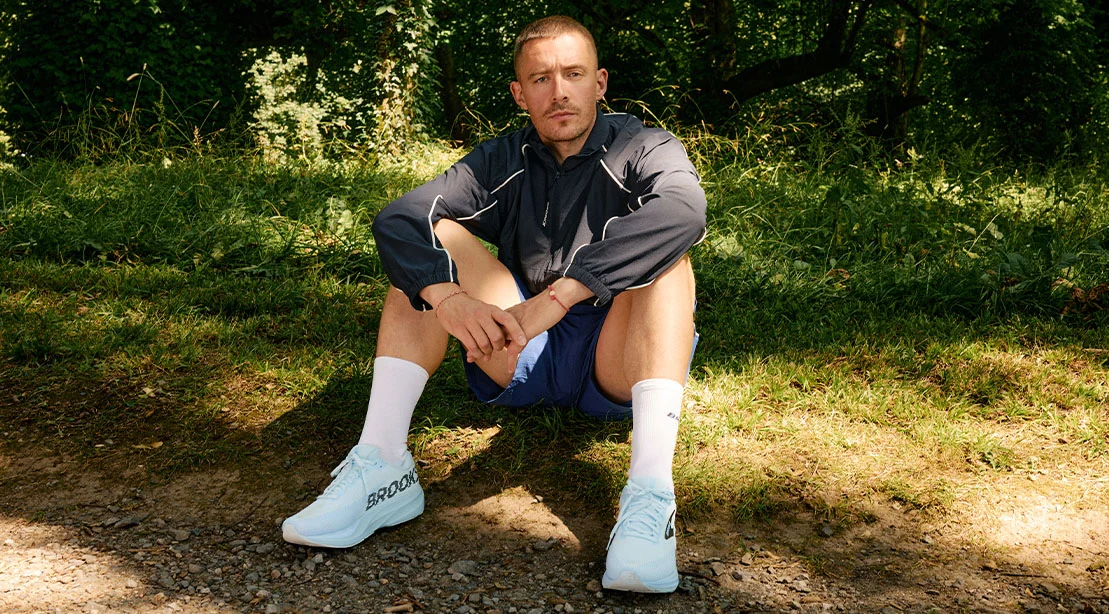
- The Modern Tour: Currently, Kennedy balances the demands of a world tour with a rigorous training regimen, including his new partnership with Brooks Running, which marks a public integration of his fitness lifestyle with his music career.
Supporting Data: The Science of the "DK5K"
The partnership between Kennedy and Brooks Running—the "DK5K Series"—is more than a promotional tactic; it is a manifestation of Kennedy’s personal health philosophy. By hosting 5K runs alongside his tour dates, Kennedy is inviting fans to participate in the same cardiovascular maintenance that keeps his lungs strong for his vocal performances.
Running has become his primary tool for improving his VO2 max—the maximum rate at which an individual can consume oxygen during exercise. For a singer, this is the "engine" behind every note. Kennedy emphasizes that his fitness routine is not about aesthetic gains or heavy lifting, which he feels can sometimes impede the "flow" he values. Instead, he prioritizes aerobic capacity and structural integrity to ensure that his body can withstand the rigors of travel and performance without compromising the quality of his vocals.
Official Perspectives: The Philosophy of Detachment
Perhaps the most striking aspect of Kennedy’s approach is his mental management of success. When asked about the pressure of releasing The Weight of the Woods, Kennedy is refreshingly candid. He identifies the "self-inflicted" nature of creative pressure and has developed a strategy of intentional detachment.
"I try to detach from it," he explains. By stepping back from the immediate noise of industry expectations, he is able to view his career with a sense of gratitude rather than anxiety. This philosophy of detachment extends to his digital life as well. A recent incident in Switzerland, where the artist lost his phone and spent days disconnected, served as a catalyst for a broader realization: that the constant noise of modern connectivity is often a hindrance to artistic clarity.
"The bulk of the emotion is in the creation," Kennedy notes. By the time an album is released, the artist has already lived through its emotional journey. To avoid burnout, he focuses on the "basics"—sleep, recovery, and consistent, natural habits—rather than relying on a complex regimen of supplements or gadgets.
Recovery as a Competitive Advantage
Kennedy’s recovery protocols are as deliberate as his warm-ups. He recognizes that touring is an assault on the body—changing time zones, irregular sleep patterns, and the exhaustion of back-to-back shows create a state of chronic fatigue.
His recovery routine is a mix of the technical and the intuitive:
- Vocal Cool-downs: Utilizing gentle humming to stabilize the voice after high-energy sets.
- Hydrotherapy: Leveraging hot tubs and cold plunges to reduce inflammation and manage muscle soreness, a method he refined during a demanding tour run in Canada.
- The Sleep Challenge: Kennedy admits that sleep remains the "hardest thing" to master. In an industry that often celebrates the "grind," he chooses to prioritize rest, recognizing that performance is impossible without it.
Implications: The Future of the Touring Artist
The evolution of Dermot Kennedy’s routine carries significant implications for the next generation of touring artists. He is moving away from the "rock and roll" lifestyle tropes of the past—which often centered on exhaustion and excess—toward a model of professional longevity.
His ability to integrate the "flow state" of a midfielder into the performance of a ballad singer provides a template for success that is both sustainable and grounded. By leaning into the DK5K series and focusing on his physical baseline, Kennedy is not just selling tickets; he is advocating for a balanced, athletic approach to a high-pressure career.
As he looks toward the future, the "weight" of his music remains, but he is clearly better equipped to carry it. Whether he is on stage in London, Dublin, or New York, the preparation remains the same: steady breathing, a clear mind, and the consistent, rhythmic motion of a man who knows that his art is inextricably linked to his health.
As Kennedy continues his world tour, the message is clear: the music is the destination, but the running, the recovery, and the mental discipline are the road that gets him there. He is not just performing for his fans; he is performing for the long haul, proving that in the race of a musical career, the most successful athletes are often the ones who know how to pace themselves.
With The Weight of the Woods firmly established and his next creative chapters already forming in his mind, Kennedy’s trajectory remains upward. He continues to prove that while the creation of music is a private, emotional burden, the act of sharing it is a physical and collective triumph. And for Dermot Kennedy, the next challenge is not just the next record, but the next mile—on the road, on the track, and on the stage.