Introduction: Bridging Oceans Through Safety
In November 2024, the Whitewater Rescue Institute (WRI) embarked on a mission that transcended simple technical training. Instructors Ben Schmidt and Sam Johnston traveled to the heart of Northwestern India, tasked with bringing WRI’s world-class swiftwater rescue curriculum to the elite guides of Aquaterra Adventures. This collaboration was more than a professional exchange; it was a deep-dive immersion into the culture, landscape, and raw power of India’s most sacred and formidable river systems.
From the turquoise, swirling currents of the Ganga to the thundering, monumental waves of the Brahmaputra, this journey represents a significant milestone in international river safety. By standardizing risk management protocols with one of India’s most prestigious outdoor operators, WRI has helped fortify the safety net for future adventurers in the region, proving that while river currents are unpredictable, the foundation of rescue training must be universal.
Chronology: A Journey from the Ganga to the Brahmaputra
The Arrival and the Valley of the Ganga
The journey commenced with a flight from the tranquil mountains of Missoula, Montana, to the vibrant, sensory-rich streets of Dehradun. The transition was immediate: from the quiet of the American West to a bustling tapestry of markets, the rhythmic honking of traffic, and the sheer density of life. The team moved northward, reaching Rishikesh and eventually settling at the Atali Ganga headquarters of Aquaterra Adventures.
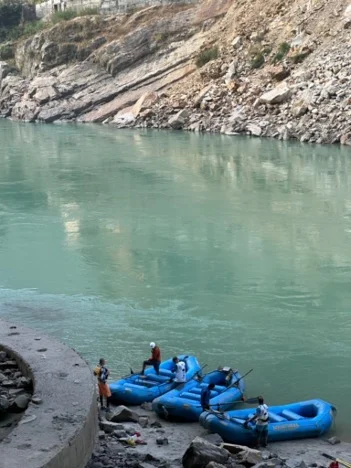
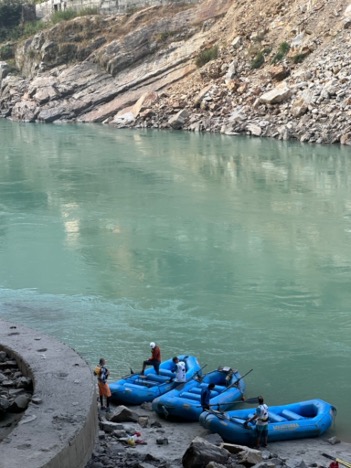
Nestled in the valley of the Ganga, the basecamp offered a breathtaking perspective of the sacred river. For Schmidt and Johnston, the environment was a stark reminder of the scale of the Indian wilderness. Towering trees teeming with wildlife and monkeys patrolling the stone paths created an atmosphere that felt, as Johnston noted, like "the heart of the world."

The Intensive Training Period
Over ten days, the focus shifted from awe to application. Working alongside Aquaterra’s talented team of guides, the WRI instructors facilitated a comprehensive swiftwater rescue curriculum. The training was structured to be both theoretical and highly practical, emphasizing:
- Universal Risk Management: Implementing standardized upstream and downstream safety protocols.
- Advanced Rescue Techniques: Refinement of aggressive and defensive swimming, technical throw-bag deployment, and complex in-flow rescue scenarios.
- Emergency Planning: Developing systematic approaches to river accidents in high-stakes environments.
The Brahmaputra Expedition
Following the successful completion of the Ganga training, the mission took a dramatic turn toward the Brahmaputra River in Arunachal Pradesh. After a logistical layover in New Delhi—facilitated by Aquaterra owner Vaibhav Kala—the team flew to Dibrugarh. This leg of the journey required a grueling two-day drive into the remote northeast, leading to an expedition that tested both physical endurance and mental fortitude.

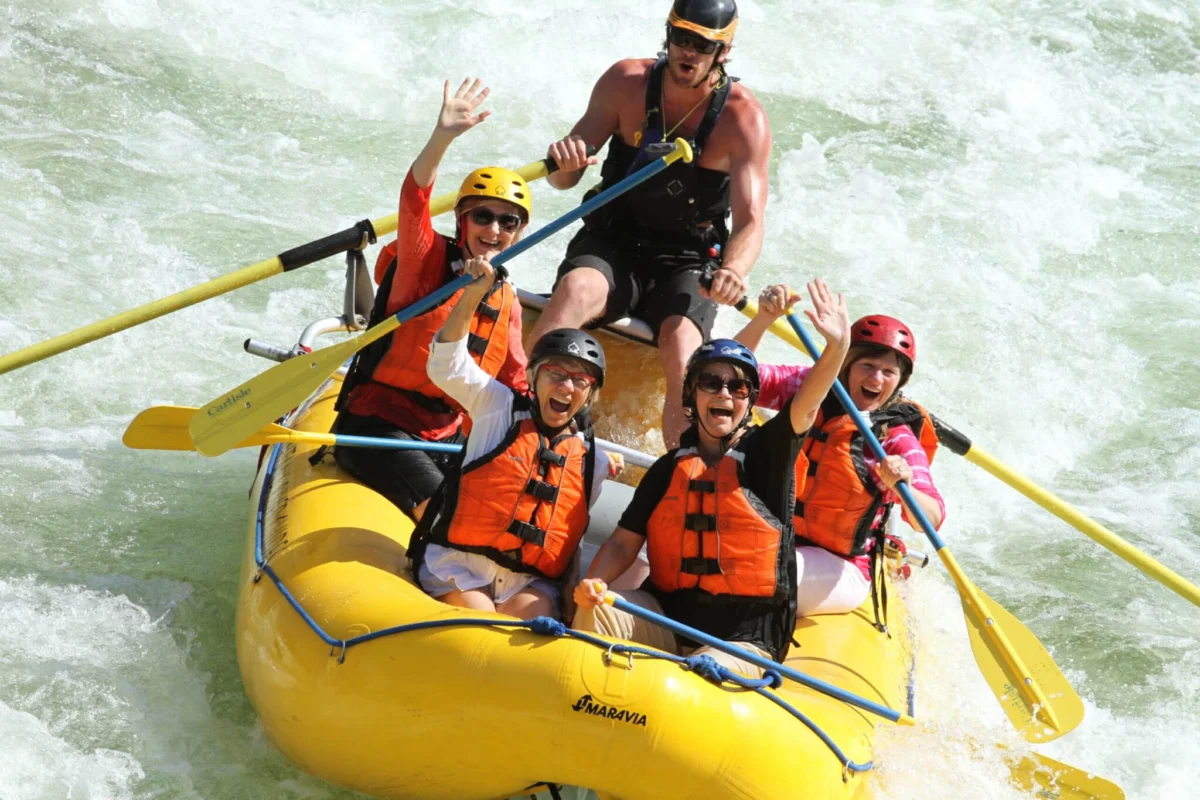
The Brahmaputra, famous for its massive volume and intimidating power, served as the ultimate testing ground for the participants. Navigating rapids with 30-foot faces and lateral currents of immense force, the expedition became a testament to the proficiency of the guides and the necessity of the safety protocols established earlier in the month.
Supporting Data and Technical Context
The Scale of the Challenge
The Brahmaputra River is widely considered one of the most challenging whitewater environments on the planet. During their descent, the team encountered:

- Water Velocity: Garmin-tracked speeds reaching 20 miles per hour.
- Wave Height: Rapids featuring faces up to 30 feet in height.
- Obstacle Dynamics: Bus-sized lateral waves requiring precise navigation and immediate, synchronized paddling—often under the command of veteran leaders like Rana G, who has successfully navigated this stretch 23 times.
Training Methodology
The success of the WRI curriculum in India relied on the "Train the Trainer" philosophy. By focusing on the lead guides of Aquaterra, WRI ensured that these safety standards would be cascaded down to junior guides and local enthusiasts. The curriculum was designed to bridge the gap between indigenous, experiential knowledge of the Ganga’s tributaries and the structured, standardized safety practices of the international whitewater community.
Official Perspectives and Professional Insights
The Philosophy of Stewardship
Vaibhav Kala, the visionary behind Aquaterra Adventures, proved to be an essential partner. His expertise in navigating the complex logistics of Indian tourism—from flight schedules to the critical nuances of local health and nutrition—allowed the WRI team to focus entirely on their educational objectives.

In reflecting on the partnership, Sam Johnston highlighted the humility of the local guides: "Most of these guides grew up near or on a tributary of the Ganga. Their knowledge, river skills, and experience were impressive and humbling. It stands to figure that guides who grow up near the biggest mountains in the world and run some of the biggest whitewater in the world develop some world-class skills."
The Human Element
The evenings spent around driftwood fires provided more than just warmth; they were the venues for knowledge transfer. Stories of the Brahmaputra’s history, shared by those who first explored it over two decades ago, added a layer of historical context to the technical training. These narratives underscored the reality that safety is not just about equipment—it is about the culture of respect for the river that a guide embodies.

Implications: A Global Standard for River Safety
The "Internal" Conquest
The most profound takeaway from the expedition was the shift in perspective regarding what it means to "run a river." As Johnston observed at the conclusion of the trip, "River-running isn’t about conquering the river itself. Instead, it’s about conquering something within yourself—be it fear or something more mysterious." This psychological component is now being integrated into the WRI’s broader approach to training, recognizing that a calm, confident rescuer is far more effective than one driven by adrenaline alone.
Sustainability and Future Growth
The partnership between WRI and Aquaterra Adventures has set a precedent for future international cooperation. The implications are three-fold:

- Safety Standardization: By aligning Indian river operations with internationally recognized WRI safety protocols, the risk profile for domestic and international tourists is significantly reduced.
- Cultural Exchange: The program demonstrated that effective education is a two-way street. The WRI instructors learned as much about the unique hydrology and environmental nuances of Indian rivers from the local guides as they taught in formal training sessions.
- Stewardship: The expedition emphasized the responsibility of outdoor professionals to serve as guardians of wild spaces. By training local guides to lead safely, the collaboration ensures that these rivers remain accessible while being treated with the reverence they deserve.
Concluding Thoughts
The journey of Ben Schmidt and Sam Johnston to India was more than a technical exercise; it was a transformative encounter between two worlds of whitewater expertise. As the guides of Aquaterra Adventures return to the currents of the Ganga and the Brahmaputra, they do so not just with updated rescue skills, but with a refined philosophy of safety and camaraderie.
In the final analysis, the success of this endeavor lies in the shared belief that within every rapid and every river bend, there is a story of human potential waiting to be told. Through rigorous training, mutual respect, and a commitment to safety, the Whitewater Rescue Institute and Aquaterra Adventures have ensured that those stories continue to be written safely for generations to come.