The landscape of Finnish higher education and athletic development is on the cusp of a significant transformation. As part of a broader overhaul of the national student financial aid system (VN/35745/2023), the Finnish government has proposed legislative changes that would formally recognize elite-level competitive sports as a legitimate ground for extending student financial aid.
This move, championed by the Finnish Olympic Committee, represents a strategic shift in how the state supports "dual career" athletes—individuals who simultaneously pursue professional-level sporting excellence and rigorous academic qualifications. By creating more flexible pathways, the government aims to alleviate the financial and logistical pressures that often force young athletes to choose between their education and their potential as world-class competitors.
The Core Proposal: Redefining Academic Flexibility
At the heart of the government’s proposal is a pragmatic recognition: elite sports are time-intensive, physically demanding, and often financially draining. Under current regulations, students who exceed standard degree durations risk losing their financial aid, a policy that disproportionately impacts athletes who must balance training camps, international competitions, and travel with their credit requirements.
The proposed legislation seeks to categorize "purposeful competitive sports" as a valid reason for extending the maximum duration of financial aid. The Finnish Olympic Committee, led by Deputy CEO Petri Keskitalo, has lauded this initiative as a landmark step toward a more athlete-friendly welfare state.
Defining the "Elite" Athlete
The government suggests tying the eligibility for these extensions to the 2024 guidelines established for sports academies and training centers. Specifically, the status would be granted to athletes operating at the first or second level of the national sports academy system. This objective, criteria-based approach is designed to ensure that the aid is directed toward athletes who are truly committed to high-performance tracks, thereby maintaining the integrity of the state’s financial support systems.
Chronology of the Policy Development
The path to this proposal did not emerge in a vacuum. It is the culmination of years of advocacy by the Finnish sports community to institutionalize the "dual career" model.
- 2023: The Ministry of Education and Culture initiates the review process for the new Study Benefit Act, setting the stage for cross-sectoral discussions on how to better integrate diverse life situations into the student aid framework.
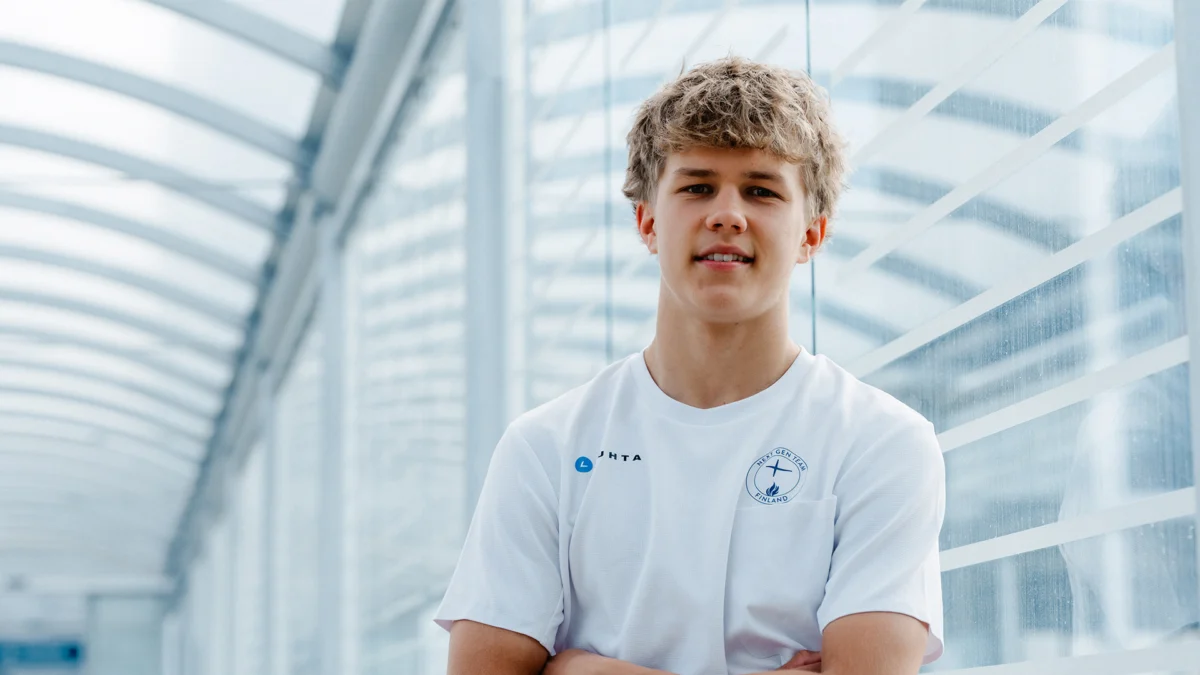
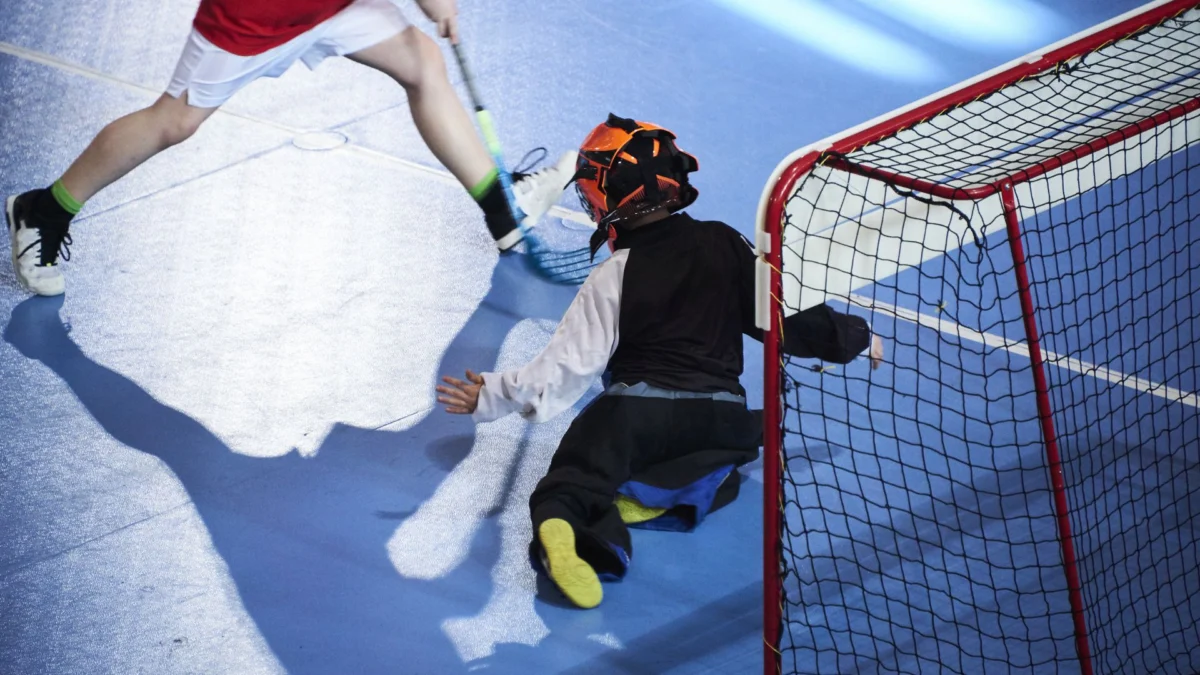
- May 2024: Formal submission of the legislative proposal to stakeholders, including the Finnish Olympic Committee. The images released alongside the proposal underscored the national importance of the dual-career initiative.
- Late 2024 – Early 2025: Deliberations between the government, Kela (the Social Insurance Institution of Finland), and sports governing bodies regarding the practical implementation of the "athlete status" certification.
- June 2026: The formal position statement issued by the Finnish Olympic Committee, emphasizing the necessity of transparency and administrative efficiency in the final legislation.
The Role of the Olympic Committee as a Neutral Arbiter
One of the most innovative aspects of the proposed implementation is the suggestion that the Finnish Olympic Committee act as the primary vetting body for the "athlete status" certifications. Rather than placing the burden of evaluating athletic proficiency on Kela—a welfare agency without the specialized expertise to judge sports performance—the Committee proposes a streamlined process.
The student-athlete would apply to Kela for an extension based on academic delay, while simultaneously providing a certificate of their athletic status issued by their respective national sports federation. The Olympic Committee, acting as a neutral, nation-wide expert body, would maintain the criteria for these certifications.
This model offers several advantages:
- Administrative Efficiency: Kela’s staff would not need to develop in-house expertise on the complexities of various sports hierarchies.
- Transparency: By using established national sports federation categories, the process remains fair and resistant to arbitrary decision-making.
- Cost-Effectiveness: Because the infrastructure for assessing athlete performance already exists within the sports academies and federations, the state avoids the cost of creating a new bureaucratic layer.
Financial Implications and the "Loan-Centric" Concern
As the Finnish student aid system shifts toward a more loan-heavy model, the stakes for athletes have never been higher. The Olympic Committee has issued a stern reminder: academic delays should not be punished by a loss of access to student loan forgiveness programs.
The Financial Burden of the Elite Athlete
The life of an athlete is often characterized by significant out-of-pocket expenses. Travel, specialized equipment, coaching, and nutrition costs often far outweigh the income generated by prizes or sponsorships, particularly for those in non-mainstream or emerging sports. Unlike a traditional student who may supplement their income with a summer job or part-time work, the professional-level athlete is often constrained by the rigid demands of their training calendar.
The Committee argues that for these individuals, access to the full suite of financial support—including loan forgiveness—is not a luxury, but a necessity for ensuring that the pursuit of excellence does not lead to long-term financial insolvency.
Implications for the Finnish Education System
The government’s goals are twofold: supporting the athlete’s career and increasing the number of young adults with higher education degrees to 50 percent. This policy serves both ends. By making the academic journey more sustainable, the state reduces the "dropout" rate among athletes who might otherwise abandon their studies under the pressure of dual commitments.
Beyond Financial Aid: The Need for Holistic Support
However, the Olympic Committee cautions that financial aid is only one piece of the puzzle. The broader vision requires a culture shift within higher education institutions.
- Individualized Study Paths: The committee calls for more flexibility in curriculum design, allowing athletes to adjust their credit load based on competition cycles without jeopardizing their student status.
- Dedicated Support Services: Following the success of the "High-Performance Athlete Friendly Higher Education" (HUMKK) initiatives, there is a clear demand for tailored guidance and counseling that understands the specific mental and physical load of an elite athlete.
- Regional Cooperation: Strengthening the ties between local sports academies and universities is essential for creating a seamless transition from secondary to tertiary education.
Future Outlook: A Pre-emptive Approach
Looking ahead, the Finnish Olympic Committee suggests that the system could be further refined. Ideally, an athlete should be able to confirm their eligibility for these "safety nets" early in their career—perhaps even at the start of their studies. This would provide the necessary peace of mind for the athlete to focus on their training, knowing that should their professional career path demand a period of intense focus that delays their graduation, the administrative and financial protections are already in place.
As the debate moves toward final legislative enactment, the focus remains on the balance between national sporting ambition and the social imperative of education. By recognizing that an athlete’s peak years are finite and that their contributions to national identity are significant, Finland is setting a global example for how to support the "whole person" behind the athlete.
The message from the Finnish Olympic Committee is clear: the podium and the lecture hall do not have to be mutually exclusive. With the right legislative support, they can be complementary pillars of a successful, productive life.
Reported by: Editorial Desk
Date: June 22, 2026
Source: Position paper by Deputy CEO Petri Keskitalo, Finnish Olympic Committee.