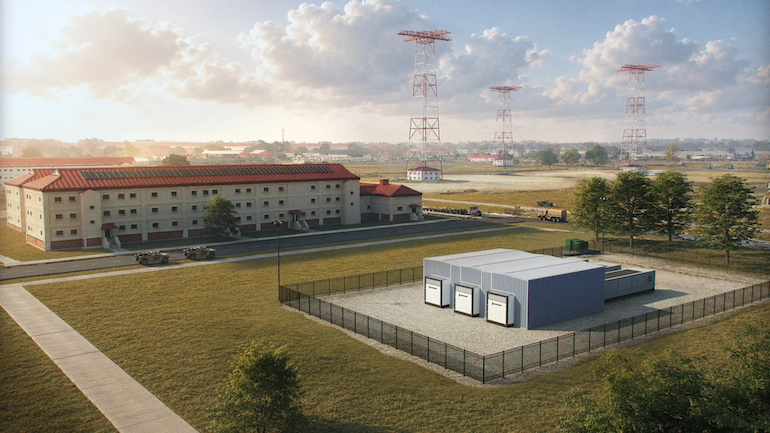
In a transformative shift for national security and energy infrastructure, the U.S. Department of the Army, in collaboration with the Department of War (DOW) Innovation Unit (DIU), has officially launched the "Janus Program." This ambitious initiative aims to decentralize the military’s power grid by deploying advanced nuclear microreactors across critical installations. By awarding up to $2.2 billion in combined contracts, the Army is moving to ensure that its bases remain fully operational, resilient, and capable of projecting combat power, even in the event of a total failure of the civilian electrical grid.
The Janus Program represents a fundamental departure from traditional energy procurement. Rather than relying on aging, centralized commercial grids that are increasingly susceptible to cyberattacks and extreme weather, the Army is shifting toward a model where installations own, operate, and control their own baseload power sources.
The Strategic Imperative: Why Microreactors?
The mandate for the Janus Program is rooted in a simple military axiom: you cannot fight if you cannot power your systems. As modern warfare becomes increasingly digitized—relying on satellite uplinks, cloud-based logistics, and electric vehicle fleets—the demand for reliable, high-capacity electricity has surged.
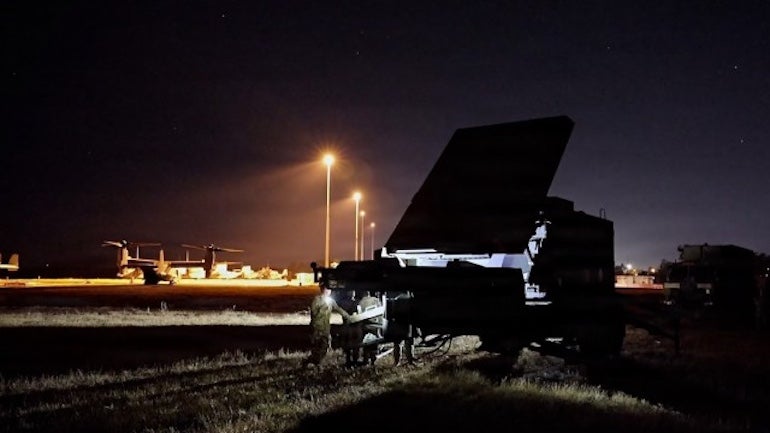
"Since launching the Janus Program, our mandate has been clear: secure the power our warfighters need to train, deploy and win," stated Dan Driscoll, Secretary of the Army. "Awarding these contracts accelerates our ability to deliver safe, reliable baseload power directly to our installations. We are building the energy resilience necessary to project combat power globally, without relying on potentially vulnerable external grids."
The program is a direct implementation of President Donald Trump’s May 2025 Executive Order (EO) 14299, titled Deploying Advanced Nuclear Reactor Technologies for National Security. The directive sets an aggressive timeline, aiming for the first operational reactor regulated by the Army on a military installation by September 2028.
A Chronology of Innovation: From Pele to Janus
The Janus Program did not emerge in a vacuum; it is the culmination of years of R&D and pilot initiatives. The military’s interest in portable nuclear power gained significant traction with "Project Pele," a joint effort involving the Department of Energy (DOE), NASA, and the U.S. Army Corps of Engineers.
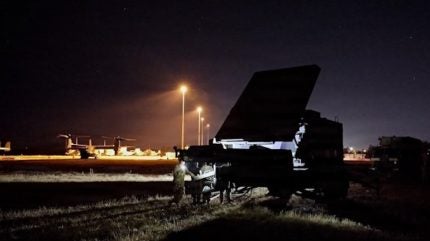
- September 2024: The Department of Defense (DOD) broke ground on the Project Pele transportable microreactor at the Idaho National Laboratory (INL). This 1.5 MWe high-temperature gas-cooled reactor served as the proof-of-concept for the viability of mobile nuclear power.
- October 2025: The Army officially launched the Janus Program, transitioning from experimental prototypes to a scalable deployment model.
- November 2025: After comprehensive site analysis and on-site assessments, the Army identified nine primary installations as candidates for initial nuclear deployment.
- August 2026: The Army finalized its partnership with the DIU to award $2.2 billion in milestone-based contracts to five key industry vendors, officially setting the industrial timeline for the next decade.
Dr. Jeff Waksman, Principal Deputy Assistant Secretary of the Army for Installations, Energy & Environment, noted that Janus is "grabbing the baton" from earlier pilots. "We are seeking not just reactors capable of turning on for a brief demonstration, but rather systems able to deliver power with high-capacity factors for years of operation," Waksman explained.
The Industrial Vanguard: Selected Vendors and Technologies
The Janus Program has selected a diverse array of nuclear technologies, each chosen for its unique ability to integrate into military infrastructure.
1. Antares (Fort Bragg, North Carolina)
Antares is deploying its 1–20 MWe microreactor technology, with plans to install them in sets of three. The design utilizes high-temperature sodium heat-pipe technology, effectively removing the need for high-pressure liquid pumps and reducing mechanical failure points. The core design is heavily inspired by historical space reactor physics, utilizing passive control drums.
2. BWXT (Fort Campbell, Kentucky)
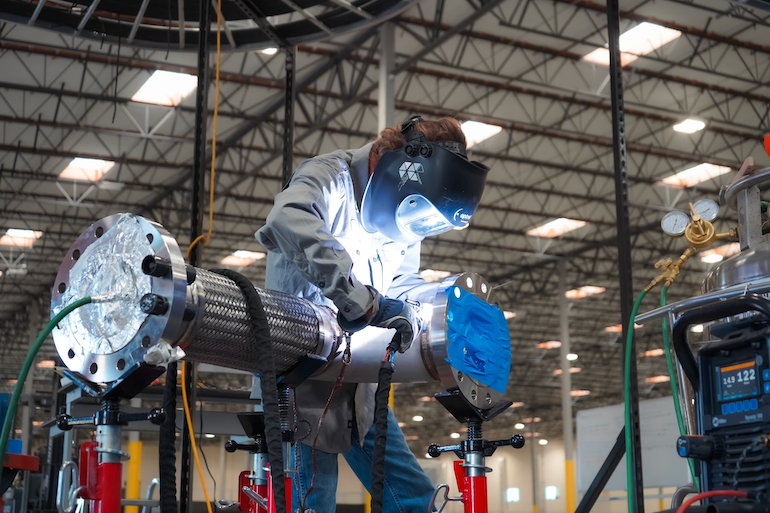
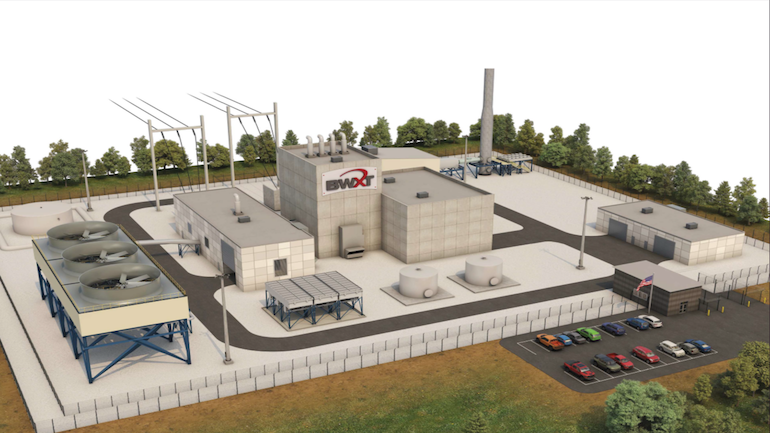
BWXT will deploy a 20 MWe version of its Advanced Nuclear Reactor (BANR). This gas-cooled reactor relies on TRISO (TRi-structural ISOtropic) fuel—a highly robust fuel form that is virtually impossible to melt down under operational conditions. BWXT plans to begin site construction in late 2028, with full operations projected for the early 2030s.
3. General Atomics (Fort Hood, Texas)
General Atomics Electromagnetic Systems (GA-EMS) is bringing the GA-TES to the table. This liquid-metal-cooled microreactor boasts a 40-year design life and uses uranium zirconium hydride (UZrH) fuel. Its modular architecture is designed to be transportable via standard truck or rail, providing the Army with "plug-and-play" energy flexibility.
4. Radiant (Site TBD)
Radiant’s "Kaleidos" reactor is perhaps the most portable, fitting inside a standard 70-tonne shipping container. Utilizing helium gas cooling and prismatic graphite blocks, the Kaleidos can be operational within 48 hours of arrival. Radiant has secured a binding agreement for up to $750 million to develop and deploy 15 of these units.
5. Westinghouse (Fort Drum, New York)
Westinghouse will deploy its "eVinci" microreactor, a 15MWt/5MWe nuclear battery. The eVinci stands out for its lack of moving parts; it uses 24-foot-long liquid sodium heat pipes that rely on capillary action and phase changes to cool the core. This eliminates the need for mechanical valves and seals, significantly lowering the risk of a loss-of-coolant accident.
Operational Implications and Economic Scope
The implications of the Janus Program extend far beyond the perimeter of a military base. By creating a standardized, milestone-based procurement model, the Army is incentivizing the private sector to develop reactors that are not only affordable for the military but also viable for the commercial market.
"The Janus Program will be a complete success when and only when we have assisted multiple nuclear companies in developing truly reliable and affordable nuclear microreactors which they can sell to other buyers beyond just the military," Dr. Waksman stated.
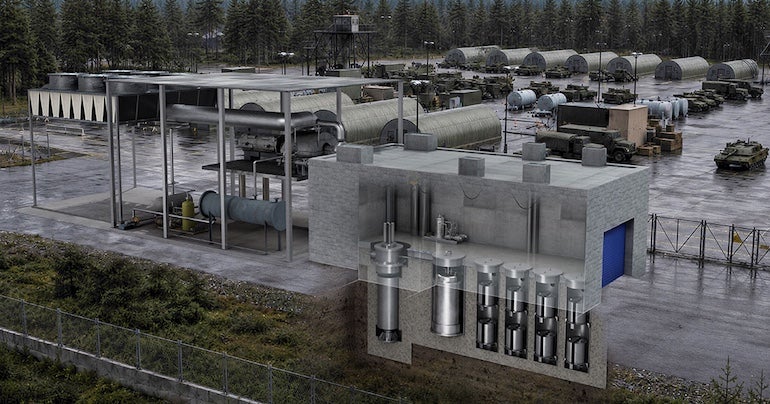
Financial Structure
The program utilizes a "milestone-based payment model." Vendors are not given a blank check; rather, they receive government funding only upon achieving specific, verifiable technical goals. This de-risks the investment for the taxpayer while ensuring that the private sector maintains the necessary agility to innovate.
Regulatory Transformation
Crucially, the Janus Program leverages the Army’s own nuclear regulatory authorities in partnership with the DOE. By streamlining the licensing process while maintaining the highest safety standards, the Army is creating a regulatory pathway that could eventually serve as a blueprint for civilian microreactor deployment in remote communities or industrial hubs.
The Path Forward
The path to 2028 and beyond is fraught with technical and logistical challenges. The integration of nuclear power into military installations requires complex site characterization, robust supply chain management for HALEU (High-Assay Low-Enriched Uranium) fuel, and the training of a new generation of military nuclear technicians.
However, the consensus within the Department of War is clear: the current reliance on civilian grids is a strategic liability that can no longer be ignored. As these five companies begin their work at Fort Bragg, Fort Campbell, Fort Hood, and other undisclosed locations, they are doing more than building power plants. They are constructing the foundational energy architecture for the next century of American defense.
With more than 20 reactors eventually planned across various installations, the Janus Program represents the most significant investment in decentralized, carbon-free, and secure energy in the history of the United States Armed Forces. The era of the "energy-independent base" has officially begun.