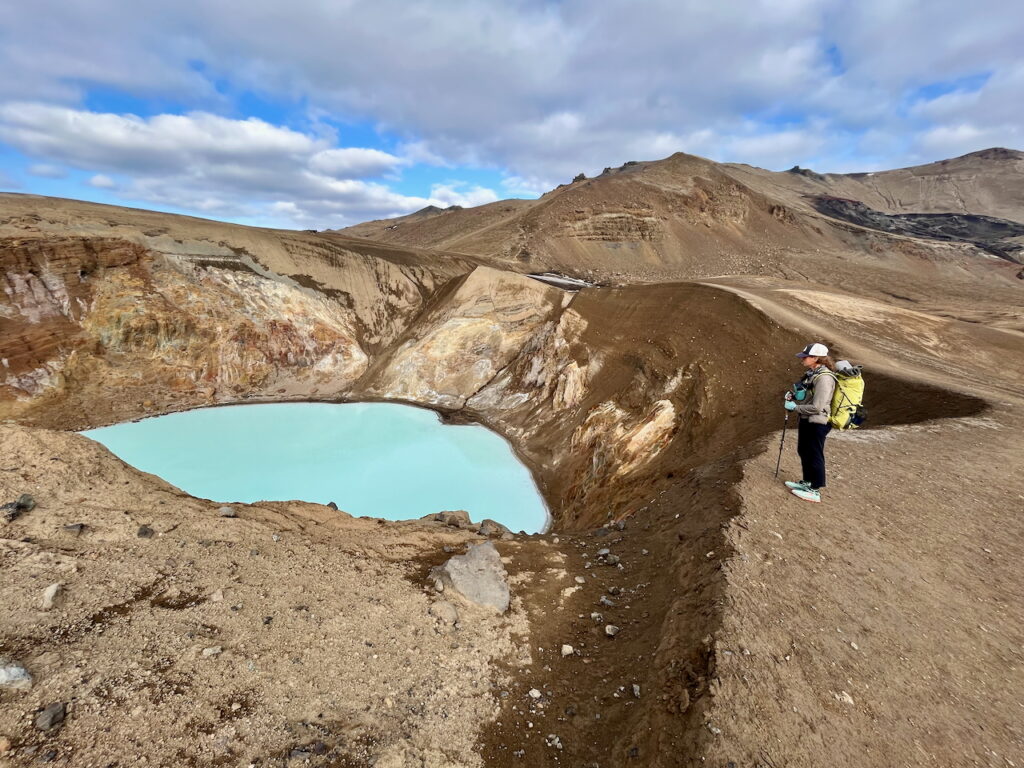
In the late summer of 2023, experienced backpackers Kate "Swept Away" Pickett and the author embarked on an ambitious expedition across Iceland. Their journey was two-fold: a traverse of the remote Hornstrandir Peninsula and a demanding north-to-south trek across the Icelandic mainland. Spanning approximately 120 kilometers (75 miles) and 600 kilometers (373 miles) respectively, the expedition served as a rigorous real-world test for modern ultralight backpacking philosophies when pushed to their absolute limits in one of the world’s most volatile environments.
The Chronology of the Traverse
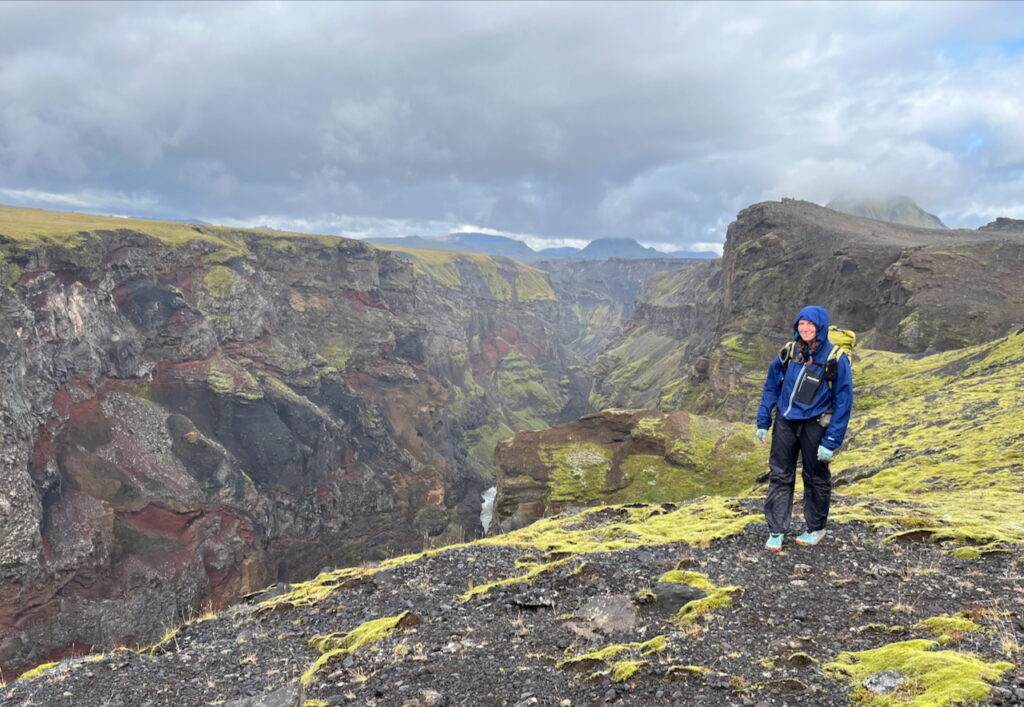
The expedition began in the northernmost reaches of the Westfjords. Hornstrandir, a region known for its lack of roads and fierce weather, provided a formidable opening act. Temperatures were generally mild for the season, hovering in the mid-teens Celsius (low 60s Fahrenheit), though the team encountered several localized storms that necessitated a cautious approach to terrain navigation.
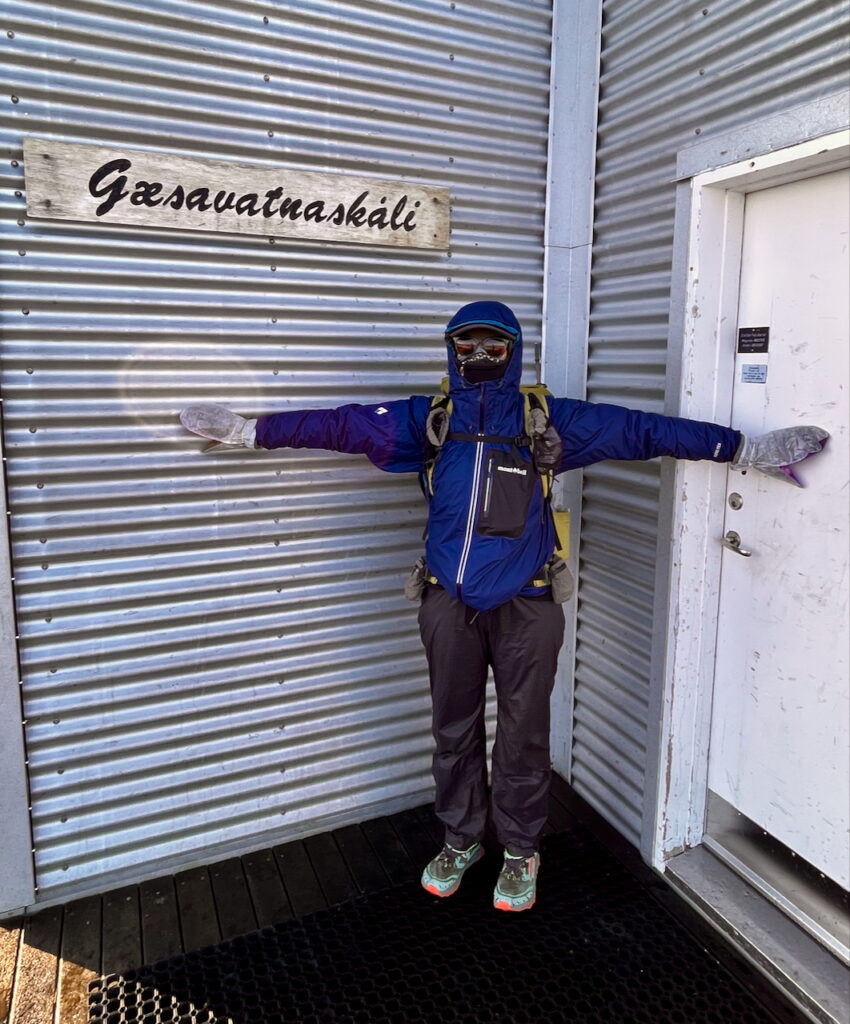
Following the successful completion of the Peninsula, the team turned their focus to the Iceland Traverse. While the earlier weeks had been manageable, early September brought the true test of their endurance. As they pushed into the Central Highlands, the weather shifted from brisk to brutal. The pair was besieged by a persistent cocktail of freezing rain, heavy snowfall, and gale-force winds reaching speeds of up to 100 km/h (62 mph). For four consecutive days, from September 1 to September 4, the team marched through driving conditions that would have forced many to abandon their objectives.
Strategic Gear Selection: Balancing Weight and Resilience
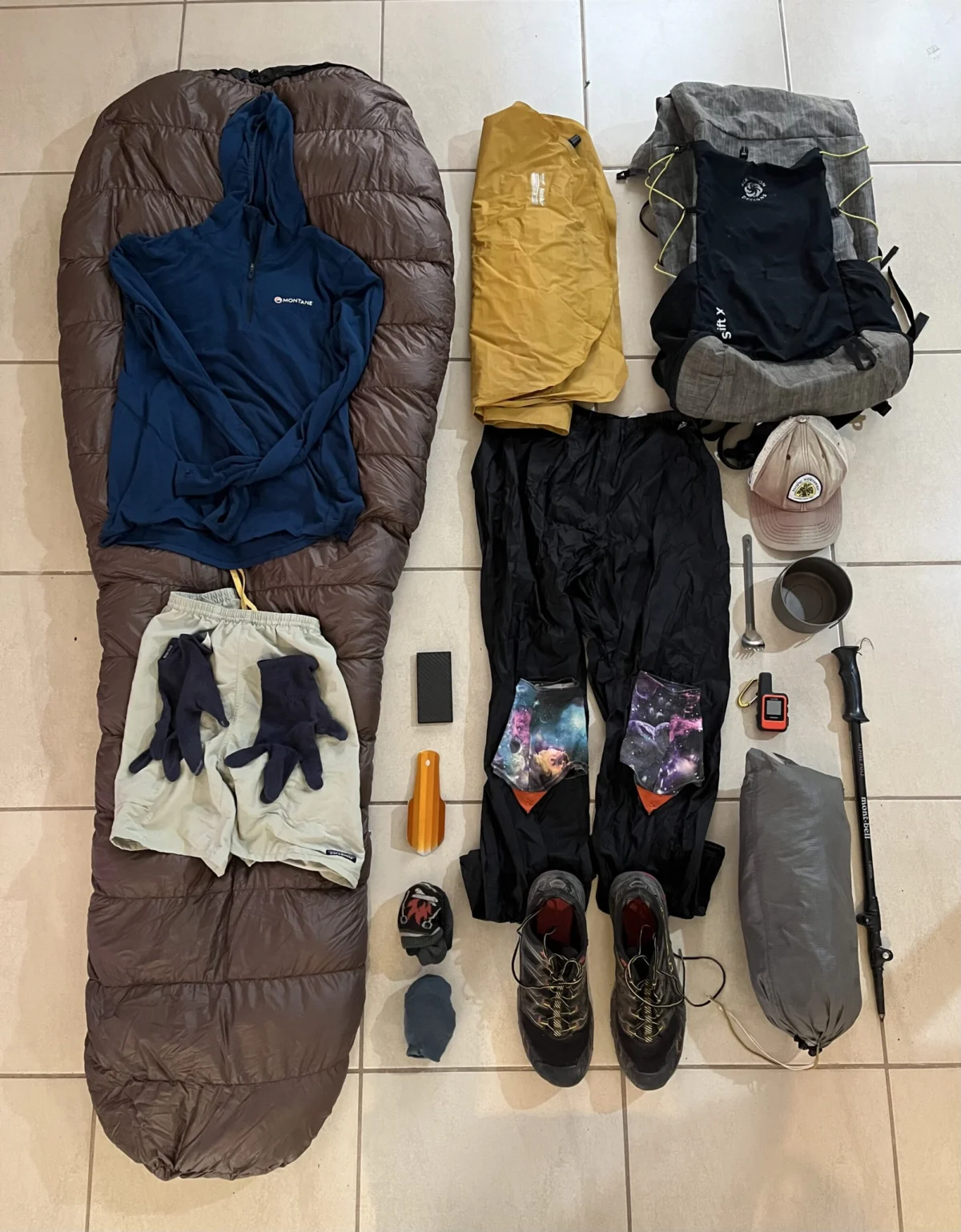
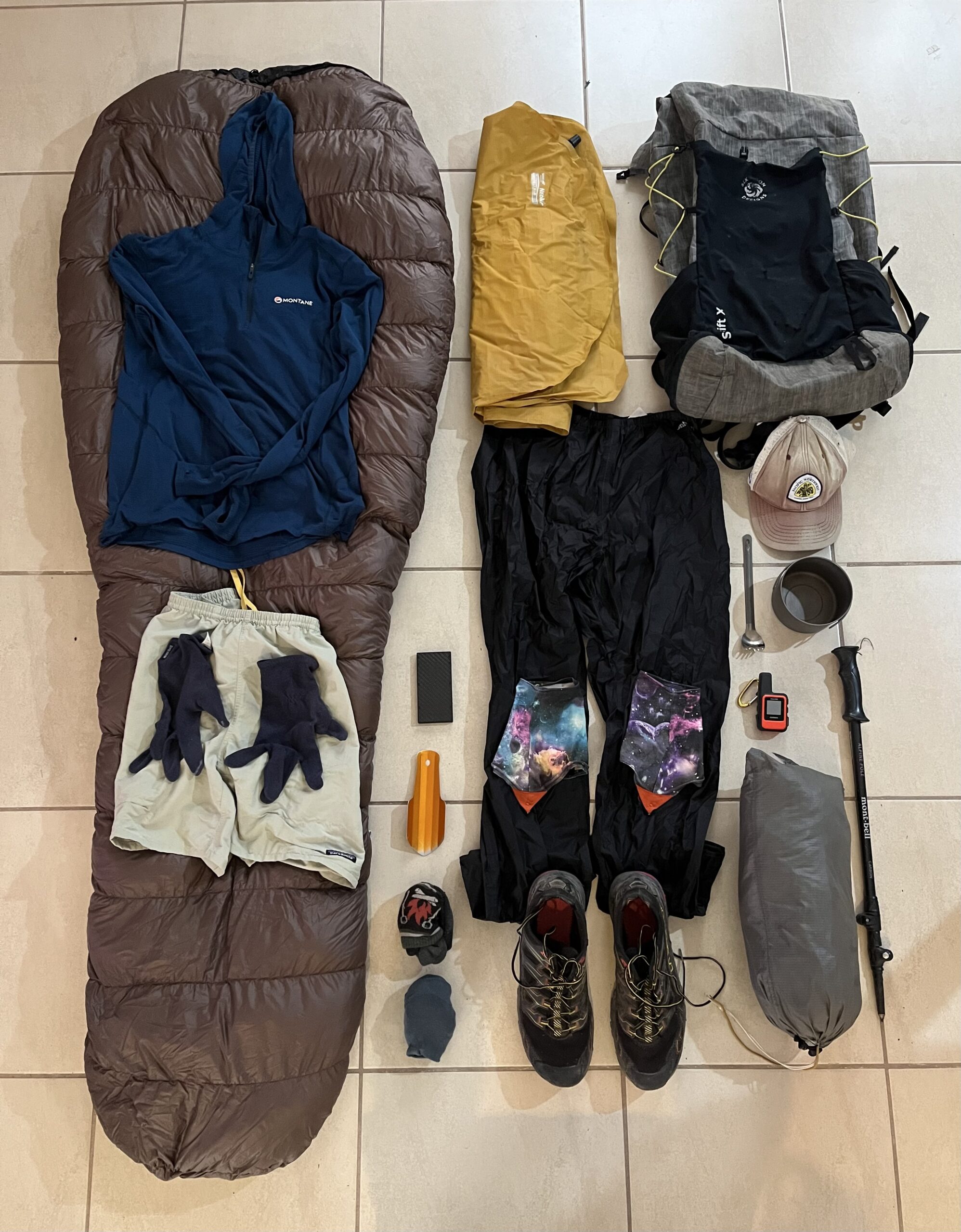
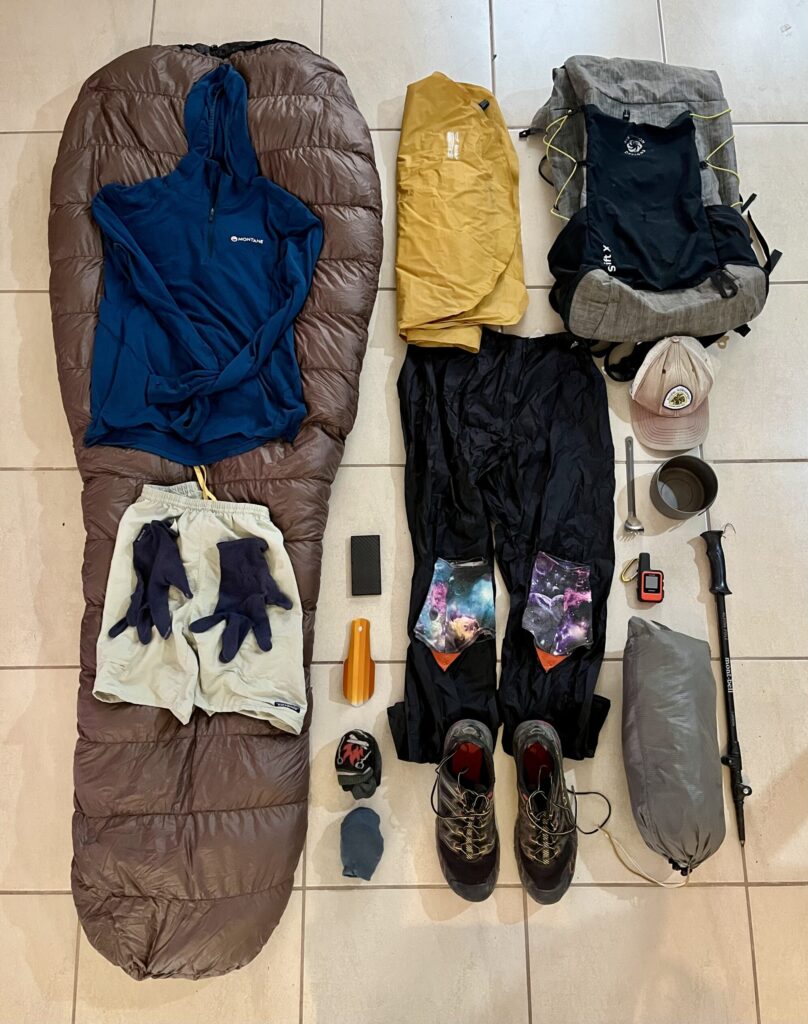
For a hiker who frequently employs ultralight methodologies, this trip represented a significant departure from standard practices. The author admitted that this was perhaps his heaviest base weight in the current millennium. However, in the Icelandic interior, redundancy and durability are not luxuries—they are safety requirements.
The "Bombproof" Shelter Philosophy
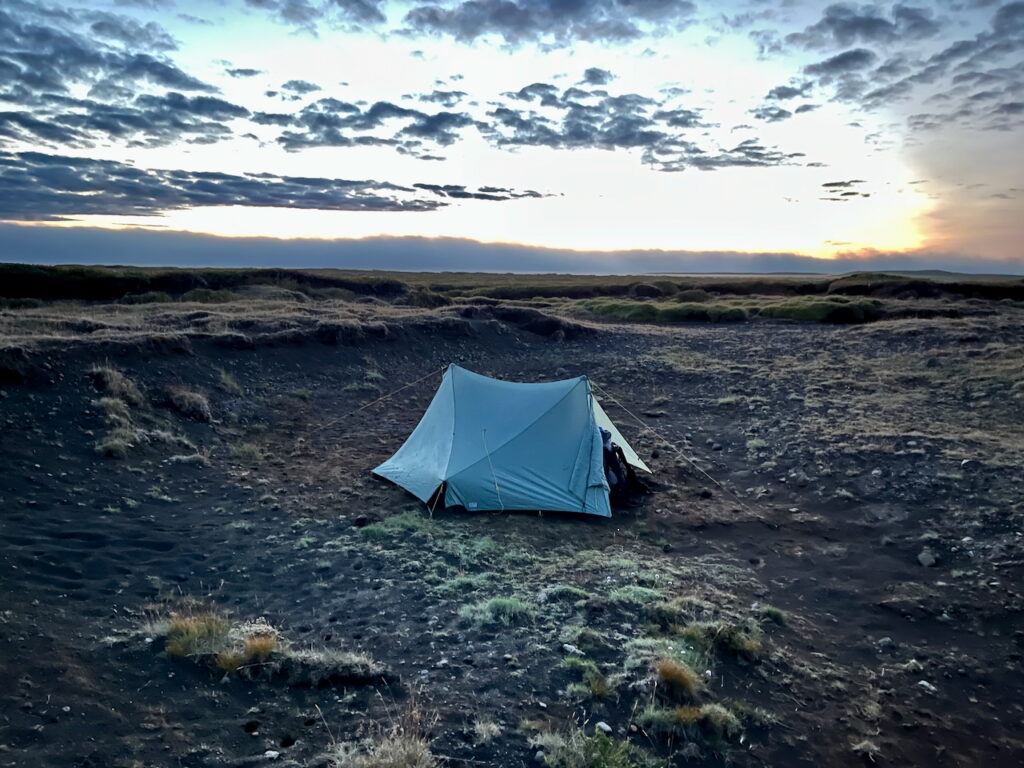
The most critical piece of equipment identified in the post-trip analysis was the shelter. The author utilized a Tarptent Stratospire 2 (silpoly), which proved to be an essential asset. When pitched in "storm mode," the shelter withstood gusts of 80 km/h. The report emphasizes that hikers should never underestimate the landscape’s lack of natural windbreaks. In the volcanic deserts of the interior, a failed tent is not merely a nuisance; it is a critical vulnerability. The team noted that hikers must be prepared to adjust their route planning to prioritize access to mountain huts during extreme weather events, regardless of the quality of their personal shelter.
The Sleep System
Temperature management was split between the author and Pickett. The author utilized a Katabatic Alsek 22°F (-9°C) quilt, while Pickett opted for the slightly warmer Katabatic Flex 15°F. This underscores the necessity of tailoring sleeping systems to individual metabolic profiles, particularly in a region where ambient temperatures can dip below freezing even in the height of the hiking season.
Footwear and Navigation
La Sportiva Akashas were the chosen footwear for the duration of the 720-kilometer endeavor. Despite the rugged volcanic scree, river crossings, and mud, the shoes held up remarkably well. The author estimated that the pair possessed 200 to 300 additional miles of utility upon completion. For navigation and safety, the team relied on the Garmin inReach Mini, which proved capable of lasting a full month on a single charge when used for minimal check-in messaging.
Supporting Data: Field Notes and Logistics
The logistical challenges of an Icelandic traverse are substantial, particularly regarding fuel and water.
- Food and Water: The team managed carries of up to eight days during the Central Highlands stretch. While water is abundant in many areas, the team occasionally faced stretches requiring the transport of three to four liters of H2O.
- Fuel Management: A critical success factor was the pre-arrangement of fuel canisters. By coordinating with the staff at Ferðafélag Íslands, the team was able to cache fuel at the Dreki ranger station near the Askja caldera, a vital maneuver for maintaining a consistent pace across the desolate interior.
- Hygiene: Despite the rugged conditions, the team maintained a strict protocol of using hand sanitizer and diligent sanitation. The author reports that he has not experienced a case of "backcountry trots" since 1999, attributing this track record to meticulous hygiene practices.
Official Observations and Safety Protocols
The expedition report highlights three specific mobile applications that are essential for any hiker traversing the Icelandic interior:
- SafeTravel.is: The primary portal for weather alerts and road closures.
- Vedur.is: The national weather service, which provides the most accurate and hyper-local wind and precipitation forecasts.
- 112 Iceland: The official emergency app, which allows hikers to send their GPS coordinates to the Icelandic Search and Rescue (ICE-SAR) in the event of a crisis.
The author notes that while technology is helpful, the fundamental safety rule remains the same: "Don’t settle for a marginal campsite when bad weather is in the forecast." Even the most advanced gear cannot compensate for poor decision-making regarding site selection in high-wind zones.
The Human Element: Hot Springs and Recovery
One of the unique aspects of Icelandic trekking is the ubiquity of geothermal energy. The team incorporated visits to hot springs, including the famous site at Landmannalaugar, into their itinerary. The author explicitly recommends that hikers carry a small microfiber towel. While usually considered "dead weight" in ultra-light circles, the ability to soak in geothermal waters provides both physical recovery and a significant psychological boost during the grueling, multi-week traverse.
Implications for Future Expeditioners
The successful completion of this 720-kilometer trek offers several takeaways for the modern hiker:
- Redefining "Ultralight": The traditional obsession with the lowest possible base weight must be tempered by the reality of the destination. In regions like Iceland, where storms can be life-threatening, a slightly heavier pack containing robust, wind-resistant gear is the hallmark of an experienced hiker, not a failure of technique.
- The Value of Modular Systems: By using a combination of tarp-style shelters and high-end quilts, the team was able to remain mobile without sacrificing the ability to survive extreme conditions.
- The Importance of Local Partnerships: The ability to cache fuel at ranger stations demonstrates that the "self-supported" ideal of hiking often benefits from local cooperation. Establishing connections with local alpine clubs or ranger stations can be the difference between a successful traverse and a forced early exit.
In conclusion, the 2023 Iceland Traverse was a masterclass in preparation and adaptability. By respecting the volatile nature of the Arctic environment and prioritizing equipment that could withstand extreme stress, Pickett and the author navigated a route that challenged both their physical limits and their gear. The expedition stands as a benchmark for those looking to explore the wilder, more remote corners of the globe, proving that with the right combination of skill, caution, and high-quality equipment, even the most formidable landscapes are accessible.