Published: June 15, 2026 | Backpacking Light Podcast Episode 148
In the pursuit of ultralight efficiency, the modern backpacker is often faced with a critical paradox: how to shave ounces without sacrificing the very barrier that protects them from life-threatening exposure. In the latest installment of the Backpacking Light podcast, the editorial team dives deep into the philosophy of "Mountain Minimalism," specifically examining the limitations and capabilities of ultralight rain shells.
While ultralight gear has revolutionized trail accessibility, the transition from mild forest paths to high-alpine exposure requires a recalibration of safety standards. This article examines the essential decision framework for selecting rain protection, the technical evolution of modern shells, and the critical implications for mountain safety.
The Philosophy of Mountain Minimalism
The "Mountain Minimalist" approach is not merely about having the lightest pack; it is about carrying the right amount of gear for the specific risks of an environment. Too often, hikers conflate the needs of a weekend excursion on a protected trail with the demands of an exposed mountain ridge.
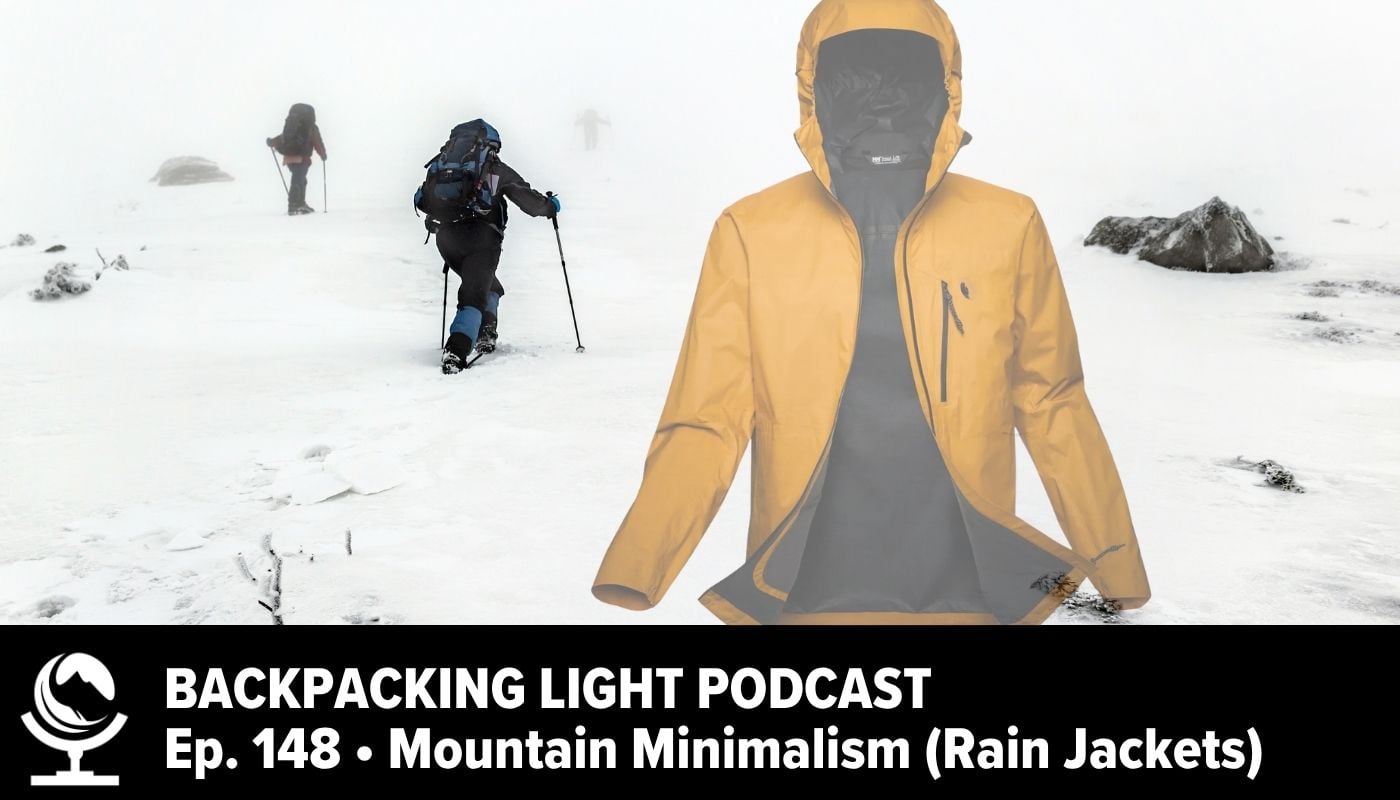
During the episode, the panel argued that while a basic ultralight rain shell is often sufficient for mild, low-risk conditions—where retreat is easy and the weather is predictable—these garments can be dangerously inadequate when the environment turns hostile. True minimalism in the mountains is defined by the ability to manage risk, not just by the weight on one’s back.
Chronology of the Modern Shell: From Plastic to Performance
The evolution of waterproof-breathable (WPB) technology has been rapid. Historically, rain protection was heavy, stiff, and prone to "wetting out." Today, manufacturers are utilizing sophisticated membranes and face fabrics that defy traditional weight-to-performance ratios.
The Rise of High-Tech Membranes
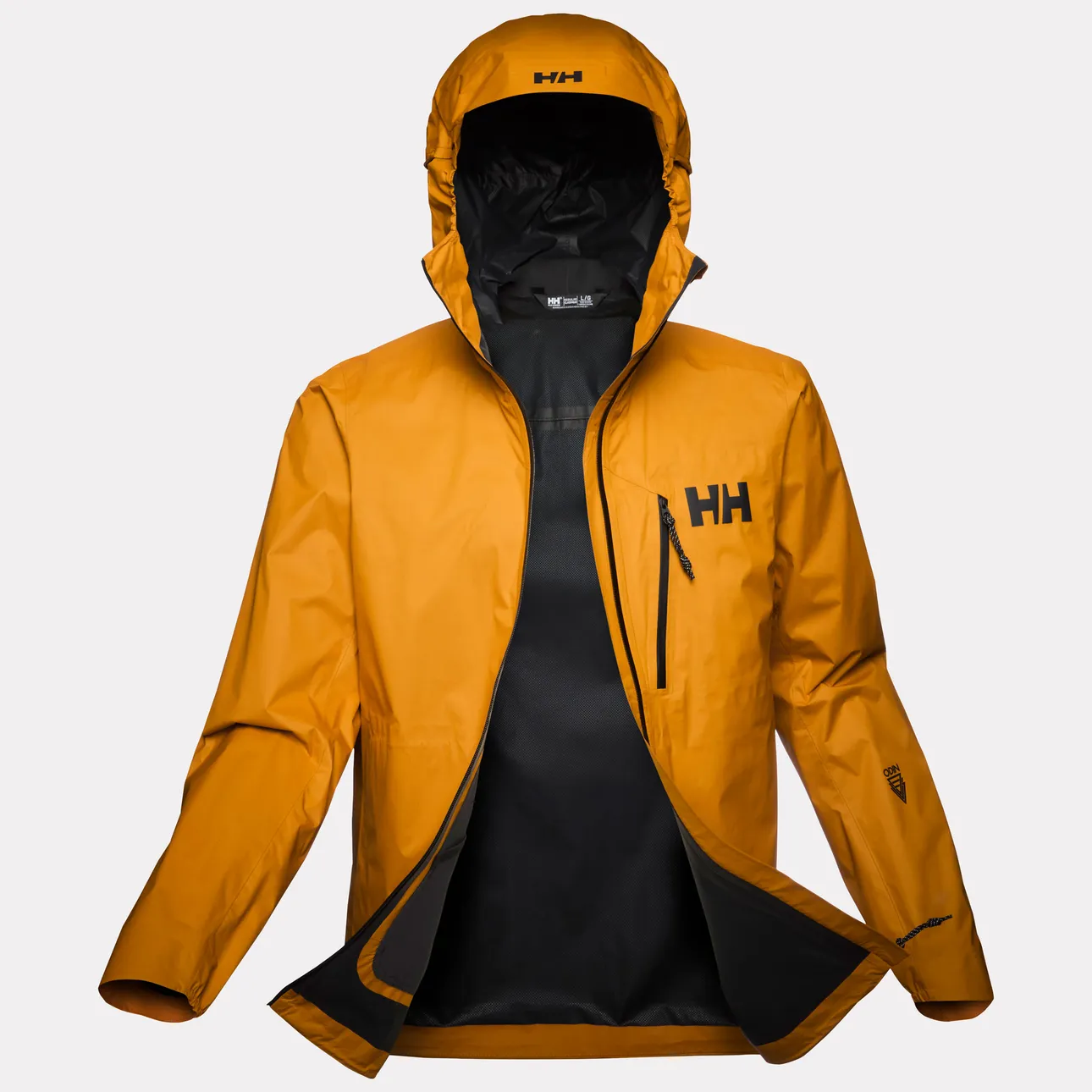
The current generation of alpine shells, such as those discussed in the podcast, utilizes advanced construction techniques. The Helly Hansen Odin Infinity Minimalist Jacket (250g) employs a 3.5-layer construction, merging HELLY TECH PROFESSIONAL and LIFA INFINITY technologies. This signifies a shift toward sustainable, PFC-free waterproof-breathable membranes that offer mechanical stretch without the bulk of traditional linings.
Simultaneously, brands like Arc’teryx have pushed the boundaries with the Alpha SL Jacket (232g). By utilizing GORE-TEX PRO ePE and 20D Hadron face fabric, the garment achieves a high level of abrasion resistance at a weight that was previously impossible for a technical alpine shell.
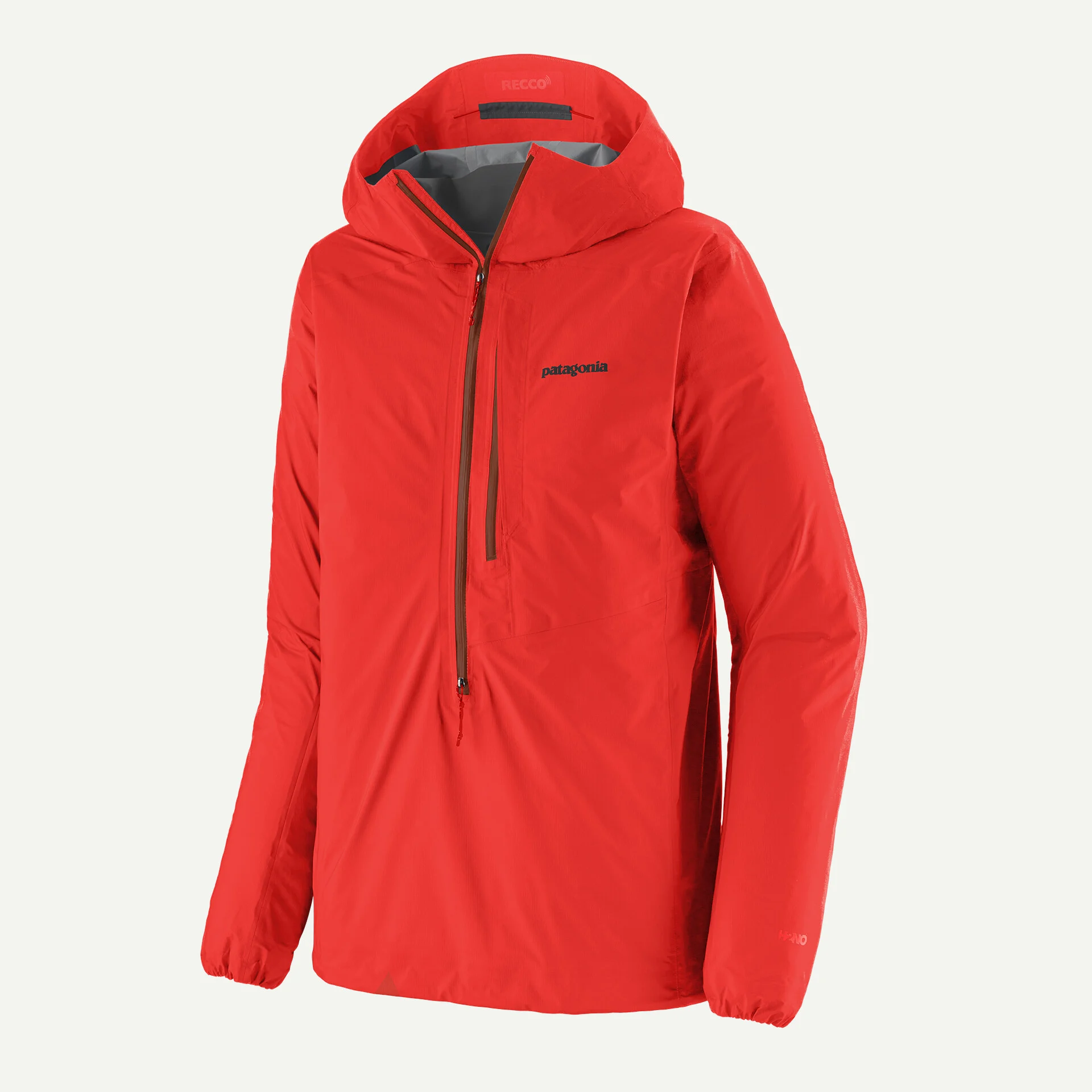
Finally, the Patagonia M10 Anorak (300g) represents the "alpine niche" of the market. Utilizing an Xpore nanoporous membrane, it caters to users who prioritize a slim-fit, technical cut for climbing and fast-paced mountain movement.
Supporting Data: The Decision Framework
When choosing a rain shell, weight should be the last metric considered, not the first. The podcast suggests a six-point decision framework that every backpacker should apply before stepping onto an exposed ridgeline:
1. Exposure Duration
How long will you be exposed to the elements? A short, two-hour storm requires less protection than an all-day freezing rain event. The longer the exposure, the more critical the "thermal margin"—the jacket’s ability to keep you dry internally while keeping wind and moisture out.
2. Retreat Options
In a canyon or on a forest trail, retreat is often simple. On a high-alpine pass or a jagged peak, retreating may take hours or days. If your retreat option is blocked by terrain or weather, your jacket effectively becomes your primary survival shelter.
3. Terrain and Environment
Are you hiking through dense, abrasive brush, or are you on open rock? The face fabric (denier) matters. While 10D or 20D fabrics are light, they may shred in heavy alpine terrain. The Alpha SL’s 20D Hadron fabric is a response to this, providing high strength-to-weight ratios for rocky environments.
4. Abrasion Resistance
Abrasion is the enemy of waterproof membranes. A shell that looks perfect on the rack can lose its integrity after rubbing against a granite face or a heavy pack harness.
5. Wind Management
Wind-chill is the greatest threat to a hiker’s core temperature. A shell that is "waterproof" but lacks effective wind-blocking capabilities or an adjustable, helmet-compatible hood will fail in a mountain storm.
6. Thermal Margin
This is the "buffer zone." Can you layer a puffy jacket underneath your shell? Does the hood accommodate a helmet? These are not just comfort features; they are functional requirements for maintaining a stable body temperature in extreme conditions.
Official Industry Trends and Perspectives
The current industry trend is leaning heavily toward "PFAS-free" membranes. As environmental regulations tighten, companies are forced to innovate with new chemical compositions. The Arc’teryx Alpha SL, for instance, utilizes a PFAS-free membrane, proving that ecological responsibility does not have to come at the cost of performance.
Furthermore, the integration of RECCO reflectors into these minimalist shells has become a standard safety feature. While not a substitute for a PLB (Personal Locator Beacon) or proper training, it adds a layer of search-and-rescue utility that adds almost zero weight.
Implications for the Modern Backpacker
The implication of these findings is clear: gear selection must match the terrain’s severity.
For the "mountain minimalist," the goal is to carry the lightest gear possible that still guarantees safety in the worst-case scenario. If your trip plan involves high-altitude, exposed terrain, the "ultralight" shell you use for summer hiking may be insufficient. Investing in a 250-gram, 3-layer technical shell might seem like adding "extra" weight, but it is an investment in the critical layer that prevents hypothermia.
Why Membership Matters
The gear landscape is shifting faster than ever. As these technologies become more complex, the ability to discern between marketing hype and true field performance becomes vital. Backpacking Light provides the in-depth journalism and peer-reviewed testing required to make these high-stakes decisions.

By becoming a member, you gain:
- Unrestricted Forum Access: Engage with a community of experts who have tested these shells in real-world mountain conditions.
- Premium Content: Access over 2,300 articles, deep-dive gear reviews, and expert tutorials that go far beyond the surface-level specs of manufacturer websites.
- Online Education: Master the skills—navigation, meteorology, and layering—that make the gear work for you, rather than against you.
Conclusion
"Pack less. Be more." This is the mantra of the minimalist, but it is not a license to be reckless. As we move into the 2026 season, take the time to evaluate your rain gear against the harsh realities of the mountains. Whether you choose the technical precision of the Arc’teryx Alpha SL, the sustainable construction of the Helly Hansen Odin, or the rugged simplicity of the Patagonia M10, ensure your gear is ready for the environment you intend to enter.
Listen to the full episode of the Backpacking Light Podcast to hear the gear experts discuss these shells in greater detail and hear their personal stories of field-testing these items in the harshest mountain conditions.
For more information on membership and to access our full library of gear reviews, visit the Backpacking Light website.