Introduction: The Sound of the Forest Falling
In the summer of 1996, while trekking through a scorched burn area north of Yellowstone National Park, the atmosphere shifted with sudden, violent intensity. A mountain thunderstorm began to swirl, its gusts howling through the skeletal remains of a forest devastated by the historic 1988 blazes. As we navigated an unmaintained route, the air grew thick with the scent of ozone and the frantic swaying of dead timber. Suddenly, a sound like a rifle shot rang out—a massive, fire-weakened lodgepole pine snapped at its base. It crashed into the earth less than twenty feet behind me, narrowly missing my hiking partner.
That moment was more than a near-miss; it was a visceral introduction to the "hazard tree"—a silent, unpredictable, and often underestimated killer in the backcountry. While we often obsess over the dangers of lightning, hypothermia, and steep terrain, we frequently ignore the very canopy that shelters us. When the wind picks up, the forest is no longer a sanctuary; it becomes a minefield.
The Chronology of Risk: From 1988 to the Present
The 1988 Yellowstone fires, which charred nearly 1.4 million acres, provided a decades-long laboratory for the study of tree mortality. The "matchstick forests" left in their wake served as a stark reminder of the long tail of wildfire impact. However, the risk is not confined to burn scars. It is a persistent, evolving threat across the American West.
The human cost of these "widow-makers" has been tragic and consistent:
- August 2019: A thru-hiker on the Pacific Crest Trail was killed by a falling tree while moving along the path, highlighting that the danger exists even while in motion.
- August 2019: A backpacker on the Colorado Trail lost her life when a tree collapsed onto her tent while she slept.
- May 2021: A tragedy in the White Mountain National Forest saw a backpacker killed when the tree supporting his hammock failed, proving that even our infrastructure—our anchor points—can be the instruments of our demise.
- August 2022: A visitor at an Olympic National Park remote campsite was killed when a tree fell directly onto their tent.
These incidents, while statistically "low-frequency," are "high-consequence." They represent a reality that is often overlooked in outdoor education: the most dangerous thing in the woods might be the very thing you are leaning against.
Supporting Data: Why Trees Fail
To manage risk, one must understand the anatomy of tree failure. Dendrologists and forest service personnel categorize hazard trees based on specific structural weaknesses that are often invisible to the casual observer.
The Role of Pathogens and Decay
Root rot, often caused by fungi like Armillaria, is the silent predator of the forest. A tree may look robust and healthy from the canopy down, yet its root system may be compromised, providing little anchorage against high winds. When the soil becomes saturated by heavy rain or spring melt, these weakened roots lose their grip, leading to "root-wilt" or "wind-throw."
The Legacy of Fire
Burned areas are the most obvious danger zones, but they are deceptive. A tree killed by fire may remain standing for 10 to 20 years. As the sapwood decays, the tree becomes brittle. These "snags" can stand for years, appearing solid, until a specific threshold of wind speed or snow load causes a catastrophic failure.
Environmental Stressors
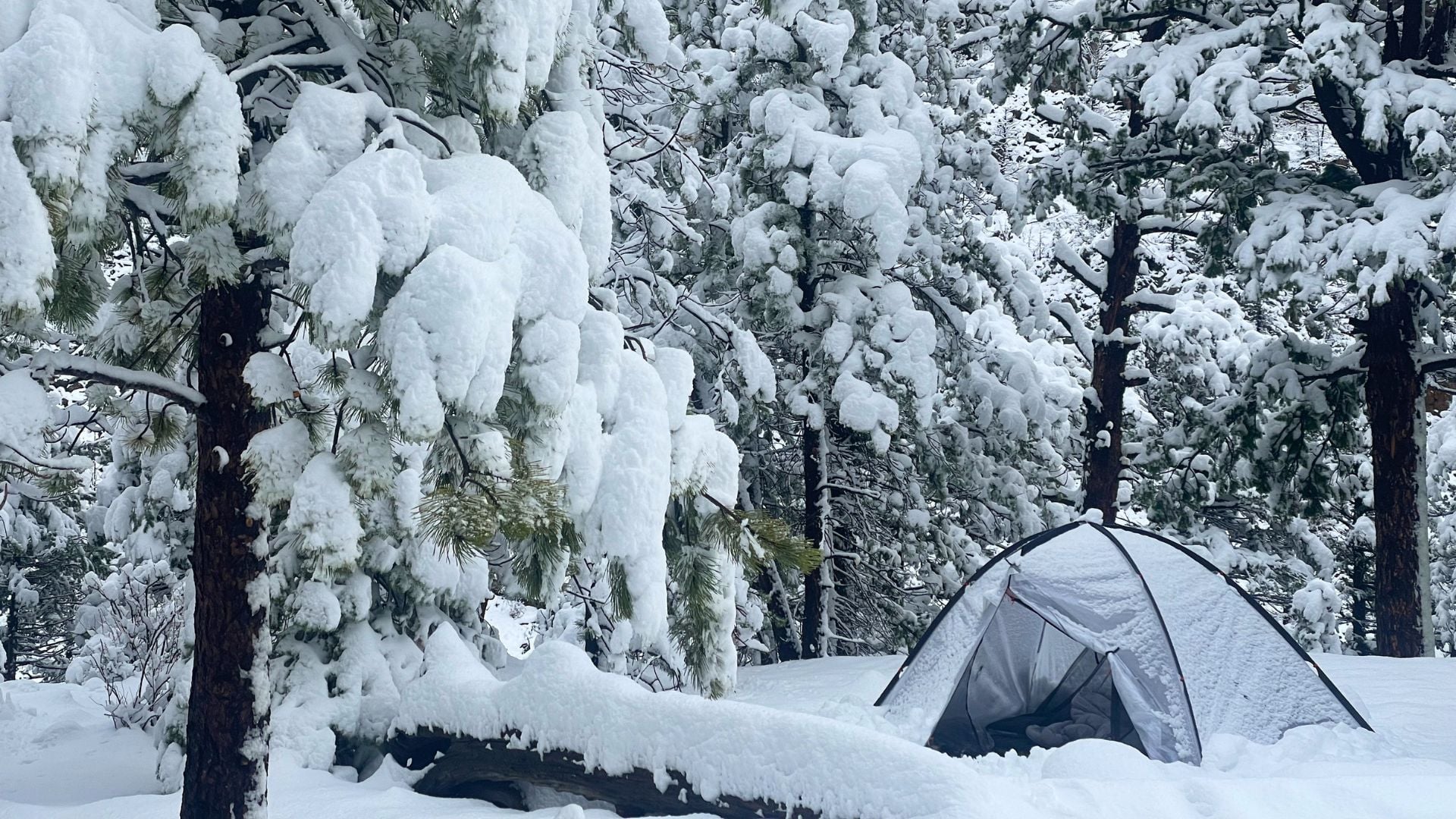
Climate change is exacerbating tree failure rates. Increased drought stress makes trees more susceptible to bark beetle infestations, which kill vast swaths of timber. Furthermore, changing precipitation patterns lead to more intense wind events, which hit forests that are already structurally compromised by drought and disease.
Official Responses and Management Perspectives
The National Park Service (NPS) and the U.S. Forest Service (USFS) face a monumental task in managing hazard trees. In developed campgrounds, arborists perform systematic "hazard tree mitigation," which involves assessing tree health and proactively felling dangerous specimens.
However, in the vast, untrammeled wilderness, such intervention is impossible. The official stance of land management agencies is one of "cautious awareness." Rangers emphasize that "entering a forest is an assumption of risk."
"When you step off the pavement and into the backcountry, you are entering an unmanaged environment," says a retired USFS silviculturist. "There is no crew clearing the deadfall in the backcountry. The forest is dynamic; it is in a constant state of decay and regrowth. If you are sleeping under a tree, you are accepting the possibility that the tree may not remain standing through the night."
Implications for the Modern Backpacker
The transition from a passive observer of nature to an active risk manager is essential for safety. We must shift our mindset from "Is the forest safe?" to "Am I currently in a high-risk zone?"
The Assessment Framework
Before setting up camp or taking a break, backpackers should adopt a "360-degree hazard assessment." Ask the following questions:
- The "Lean" Factor: Is the tree leaning toward my campsite? Does it have a "dog-leg" or an unnatural curve at the base?
- The Crown Check: Look up. Are there "hangers"—broken limbs caught in the canopy that could fall with a slight breeze?
- The Species and Condition: Is the tree a dead snag? Is it a species known for shallow roots (like spruce or hemlock) in wet soil?
- The Wind Forecast: Are high winds predicted? If the wind is gusting above 20–25 mph, the risk of a "failure event" increases exponentially.
Strategic Site Selection
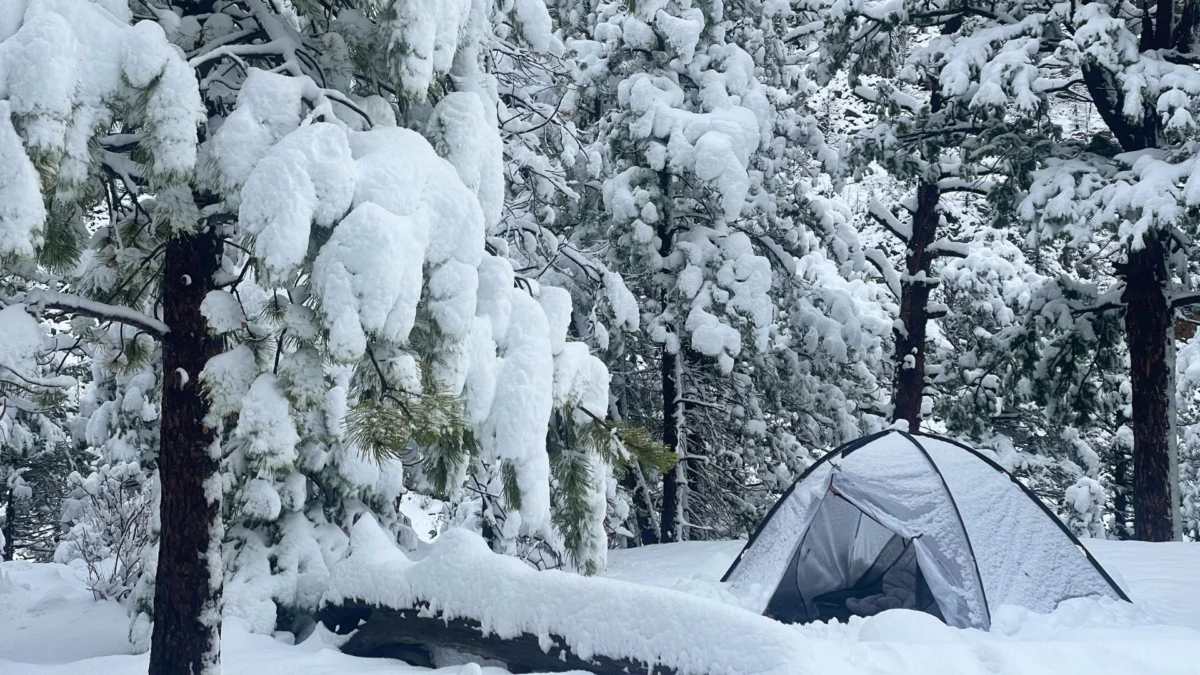
- Avoid the "Burn": Never camp in an area where the trees are obviously dead or scorched unless you are in a location with no alternative, and even then, seek out clearings.
- The "Fall Zone" Rule: A good rule of thumb is to calculate the height of the trees around you. If a tree looks like it could reach your tent if it fell, move your tent. If you cannot find a spot outside the "fall zone," you are in a high-risk location.
- The Wind Buffer: In storm conditions, avoid ridge lines or isolated stands of trees. Seek out younger, more resilient growth in protected basins, provided there are no overhead hazards.
Conclusion: Living with the Risk
The tragedy of falling trees is that they strike when we are at our most vulnerable—while we are asleep or resting. Yet, we cannot avoid the forest entirely. The goal is not to live in fear, but to live with intelligence.
We must strip away the complacency born of thousands of uneventful nights in the woods. Every time you stake your tent, you are making a decision about your safety. By looking up, assessing the health of the surrounding timber, and respecting the raw, shifting dynamics of the forest, we can continue to enjoy the backcountry while mitigating the dangers that hide in plain sight. The forest is beautiful, but it is not benign; acknowledging that is the first step toward true wilderness proficiency.