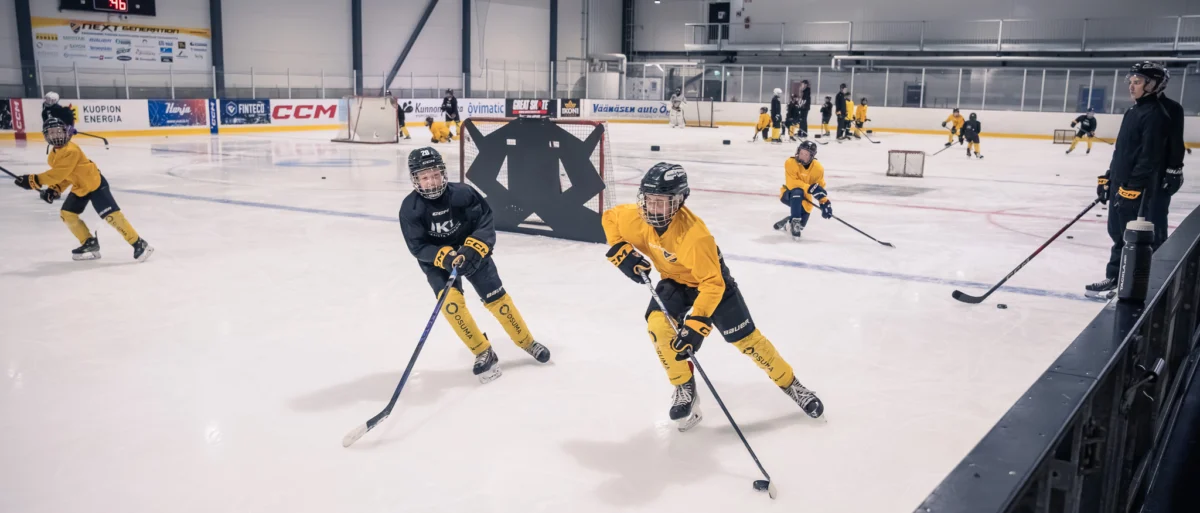
In the landscape of Finnish youth sports, a quiet revolution is taking place in Kuopio. Juniori-KalPa, one of the country’s most prominent ice hockey organizations, has unveiled a comprehensive "Sports Activity Handbook"—a strategic blueprint that is fundamentally shifting the focus from results-oriented competition to a child-centric, long-term development model. By aligning its internal philosophy with the national "Children’s Sports Framework" and the updated "Finnish Hockey Player Pathway," the club is providing a roadmap for how sports organizations can combat the worrying trends of early dropout rates and sedentary lifestyles among youth.
The Core Philosophy: Beyond the Scoreboard
For decades, the success of youth sports clubs was measured primarily by tournament trophies and league standings. Juniori-KalPa’s new handbook challenges this legacy. Its pillars are built upon versatility, long-term development, individualized paths, and the fundamental right of every child to enjoy sports according to their own personal goals.
"The Children’s Sports Framework has long been in alignment with our internal operations," explains Benjamin Laurinkari, the Junior Sports Director of the KalPa community. "However, this handbook allowed us to finally codify, strengthen, and unify our practices. It is not just a document; it is a declaration of our commitment to the quality of the sporting environment, both on and off the ice."
The emphasis has shifted significantly toward increasing the volume of active time, optimizing training intensity, and prioritizing physical versatility. Perhaps most importantly, the club has moved the goalposts of "success."
"We have realized that success in children’s sports cannot be evaluated by wins," Laurinkari notes. "We track whether children enjoy the activity, whether they feel safe, whether they remain in the sport, and whether they feel they are developing as individuals. The handbook has made these goals visible to parents, coaches, and the players themselves."
Chronology of Change: From Tradition to Transformation
The transformation within Juniori-KalPa did not happen overnight. It was the result of a deliberate, multi-year process of aligning local club culture with broader national mandates.
- Initial Alignment (Years prior to 2026): The club began integrating the Finnish Ice Hockey Association’s player pathway into its daily operations, focusing on the basics of skill development rather than early specialization.
- The Codification Phase (2025–2026): Juniori-KalPa synthesized years of internal experience into a formal "Sports Activity Handbook." This document became the central repository for the club’s values and methodologies.
- Implementation of Digital Tools (Ongoing): The introduction of the "Hockey Centre" digital tool marked a major technical shift. Coaches began using this platform to monitor training quality, player activity levels, and the inclusion of game-like decision-making in practice sessions.
- Systematic Feedback Loops (Current): The club institutionalized regular, mandatory feedback surveys for children aged 11 and up, ensuring that the "customer" experience—the child’s perspective—drives future strategic adjustments.
Supporting Data: Measuring What Matters
Data is at the heart of the Juniori-KalPa model. The club monitors a wide range of performance indicators that go far beyond athletic output. These include retention rates, physical development, subjective feelings of safety, and overall enjoyment levels.
The "Hockey Centre" system is the primary vehicle for this data collection. Following every training session, coaches utilize the platform to assess:
- Goal Achievement: Did the practice meet its technical and tactical objectives?
- Player Activation: How much time did each player spend with the puck or in high-intensity movement?
- Decision-Making: Did the exercises challenge the players to think and react, or were they merely rote drills?
- Continuous Improvement: What can be adjusted for the next session to better meet the players’ needs?
By digitizing this process, the club has removed the guesswork from coaching. It provides a "red thread" that connects every practice session, ensuring that every hour spent on the ice serves a purpose in the long-term growth of the child.
Official Responses: A National Model
The Finnish Ice Hockey Association has taken note of Juniori-KalPa’s proactive approach. Olli Savikko, the Association’s Junior Manager, highlights the club as an exemplar for others to follow.
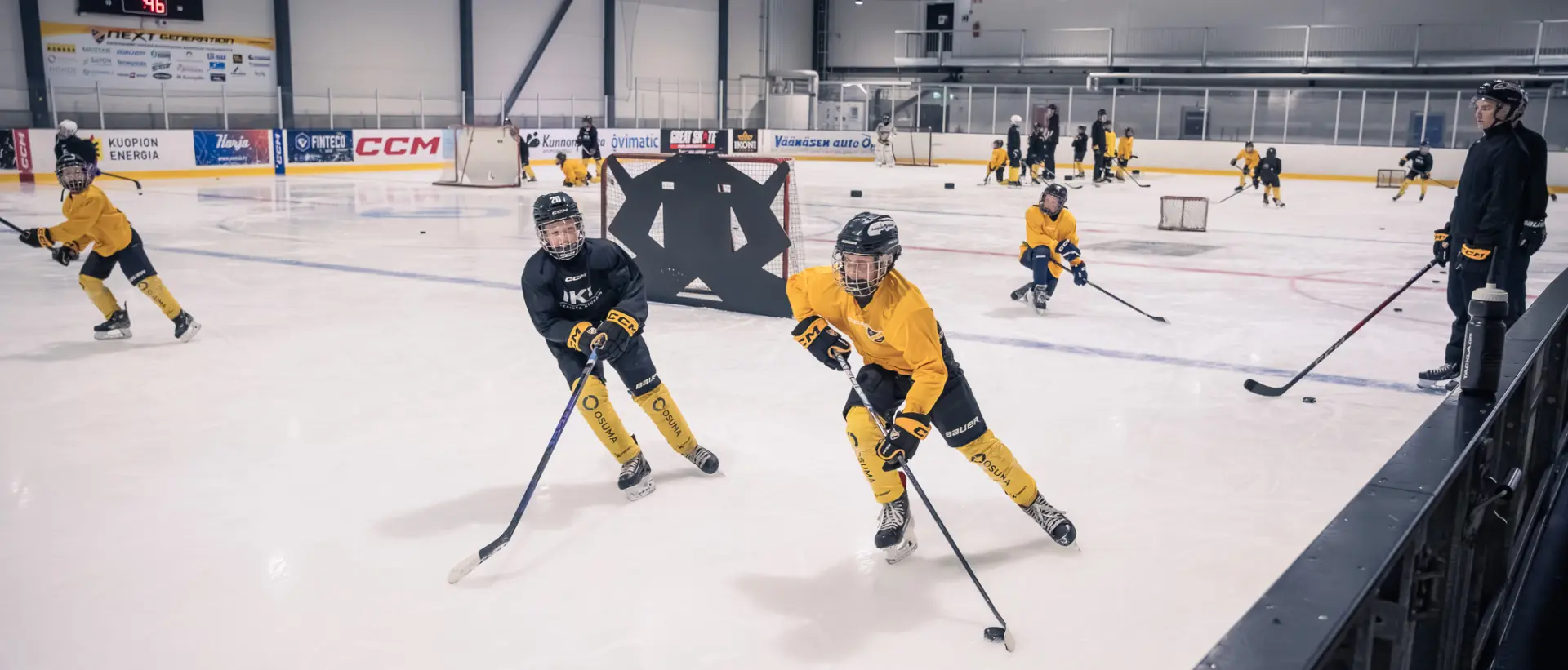
"Juniori-KalPa has adopted the core elements of the Finnish Hockey Player Pathway and the children’s sports framework with exceptional skill," says Savikko. "They have moved beyond mere theory to implementation. When a club has a clear goal, children spend more time with the puck, play more games, and are treated as individuals rather than numbers on a roster. This is how we elevate the quality of sports in Finland."
The sentiment is echoed internally by Teemu Koljonen, the U13–U10 coaching manager. "The daily grind is much clearer now," Koljonen says. "We have a common language. We no longer rely on assumptions about what ‘good’ coaching looks like. We have the data and the guidelines to back up our methods."
The Athlete’s Perspective: Listening to the Kids
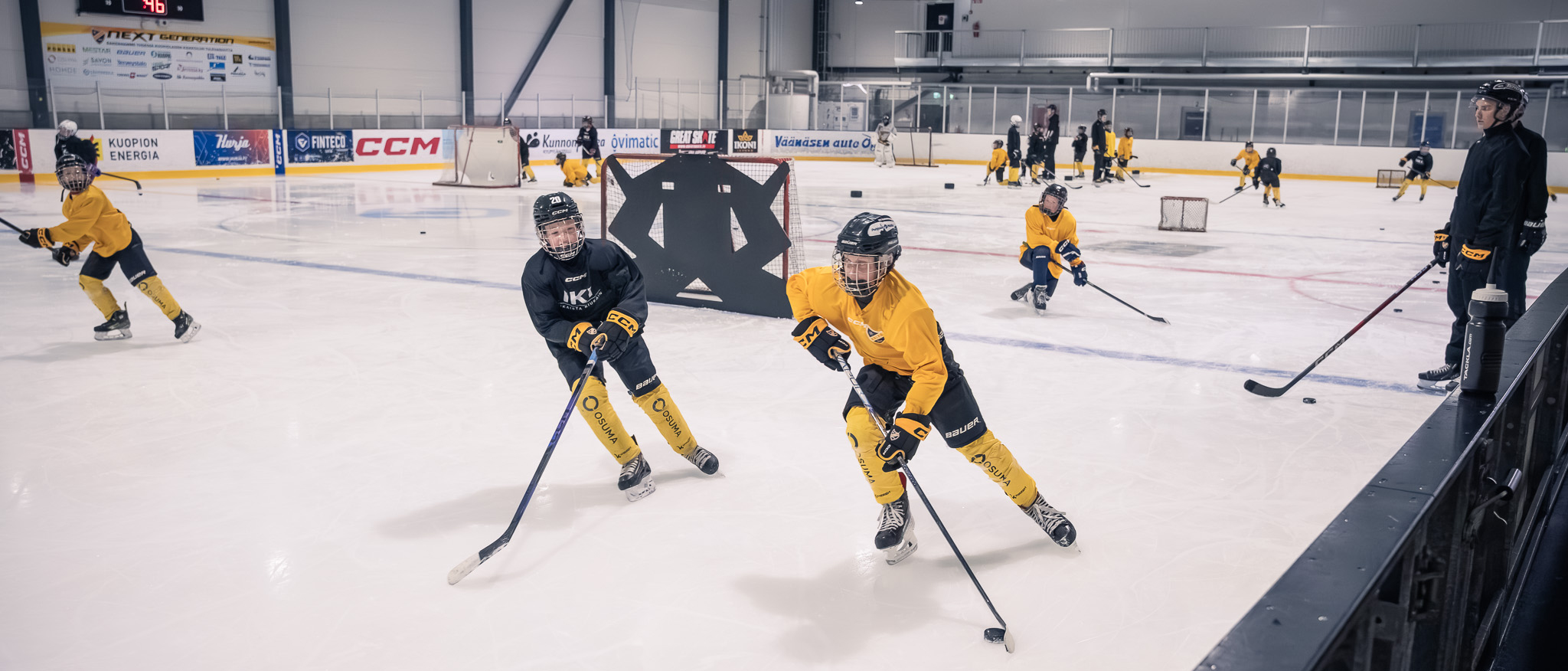
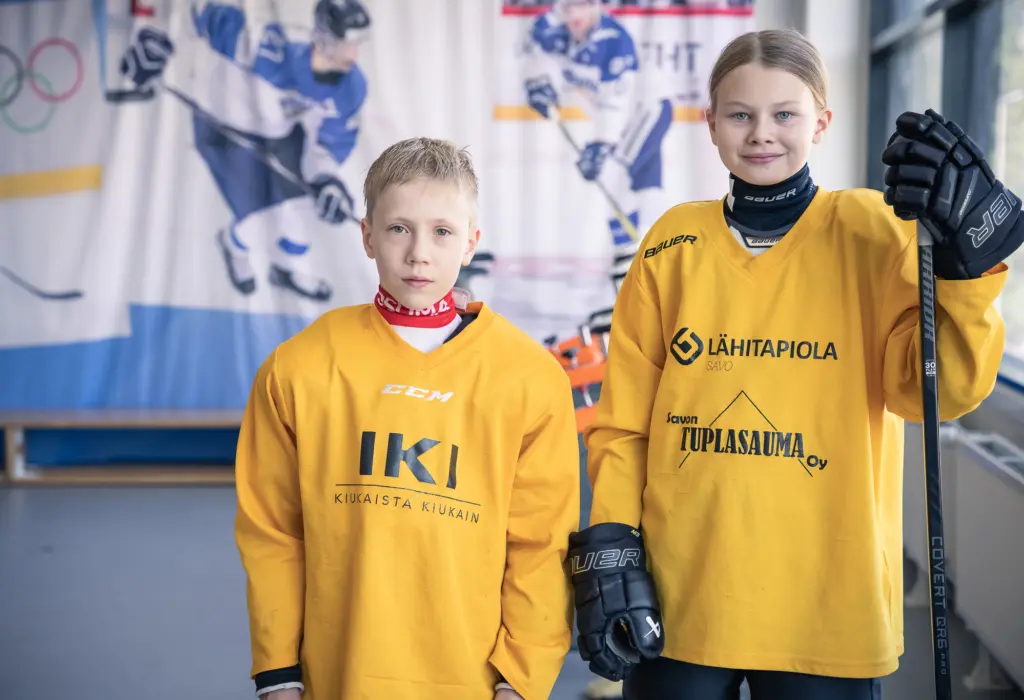
Perhaps the most compelling evidence of the system’s success comes from the players themselves. Martta Kokkonen and Otto Uimonen, both 11-year-old participants in the club’s 2026 summer camp, are direct beneficiaries of this culture of listening.
"It feels good that they ask for our opinion," says Martta. "I’ve given feedback on how we could improve team spirit. I’d like us to do more things as a whole team rather than in small, separated groups."
Otto, who focuses on improving his skating and stick handling, appreciates the agency the system provides. "I’ve given feedback on the skating drills at the end of practice," he says. "It’s nice to know that what we say actually matters. I want to sweat, I want to learn, and I want to play with my friends. That’s what makes a good practice."
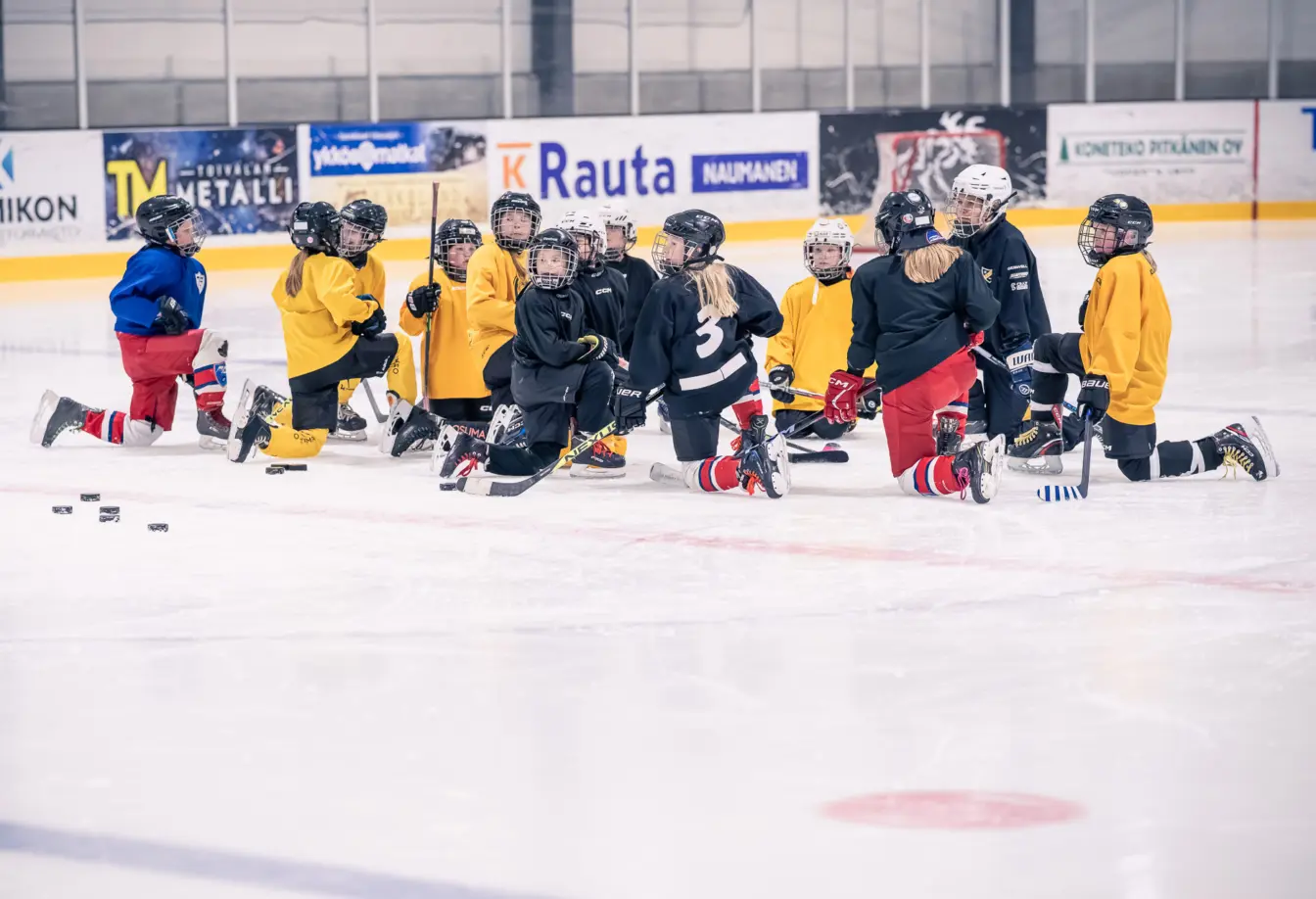
The feedback loops are designed to be frictionless. Through the Hockey Centre, a monthly survey takes only a minute for the children to complete. "We discovered through this that children didn’t feel they were getting enough feedback from us," says Koljonen. "We immediately made that a development priority. We aren’t just teaching them to skate; we are teaching them to communicate."
The Broader Implications: A Sport at a Crossroads
The initiative at Juniori-KalPa is not occurring in a vacuum. Finland, like many Western nations, is currently at a critical juncture regarding youth sports. The data is clear: children are moving less, dropping out earlier, and specializing in single sports at younger ages, which often leads to burnout and injury rather than athletic excellence.
The Finnish Olympic Committee, in partnership with 40 national sports federations, is currently spearheading a nationwide shift to address these trends. The goal is to ensure that organized sports do not inadvertently drive children away from physical activity.
The Challenges Ahead:
- Sedentary Lifestyles: With the decline of spontaneous, unorganized play, clubs must now shoulder the burden of providing sufficient physical literacy.
- The "Professionalization" Trap: Parents and coaches often push for competitive outcomes too early, which risks alienating the majority of children who simply want to be part of a team.
- Inclusivity: The challenge is to maintain a high standard of development for the elite-aspiring athlete while ensuring the environment remains welcoming for the recreational player.
Conclusion: A Blueprint for the Future
Juniori-KalPa’s handbook serves as a lighthouse for other organizations. By integrating digital tracking, prioritizing psychological safety, and—most importantly—valuing the voice of the child, the club is proving that high-performance training and child-friendly environments are not mutually exclusive.
As the sports community in Finland looks for ways to keep children active and engaged, the model being built in Kuopio offers a compelling answer. It is a reminder that while the puck may be the focus of the game, the child is the focus of the sport. Through clear objectives, consistent feedback, and a genuine commitment to quality, Juniori-KalPa is not just developing better hockey players—they are cultivating a generation of youth who will hopefully maintain a lifelong love for movement and physical activity.
In a world where youth sports often face criticism for becoming too rigid or demanding, Juniori-KalPa is choosing a different path: one where the "red thread" of development is woven with empathy, data, and, above all, the joy of the game.