In late summer 2023, experienced backpackers Kate “Swept Away” Pickett and I embarked on a rigorous expedition across Iceland, encompassing two distinct yet equally challenging objectives: a trek through the remote Hornstrandir Peninsula and a full north-to-south traverse of the country. Spanning approximately 120 kilometers (75 miles) and 600 kilometers (373 miles) respectively, the journey served as a brutal stress test for ultralight trekking philosophies in one of the most unpredictable environments on Earth.
Main Facts: The Scope of the Expedition
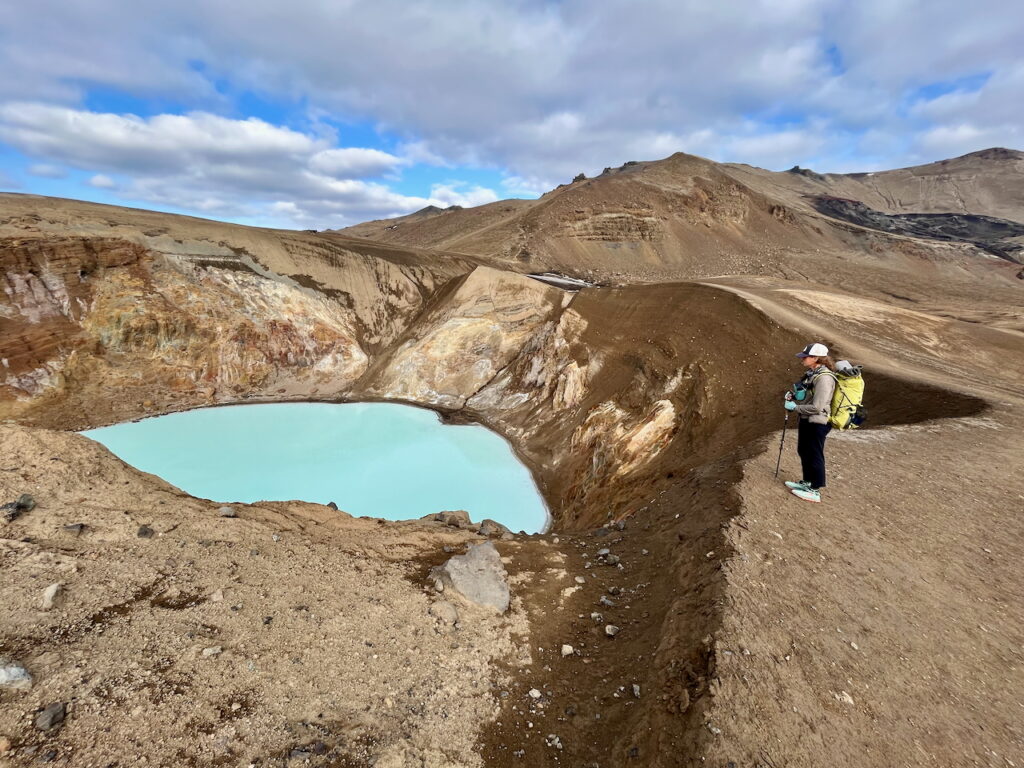
The dual-leg expedition was designed to push the boundaries of distance and endurance in a sub-arctic environment. Hornstrandir, located in the Westfjords, is renowned for its isolation and lack of infrastructure, while the North-to-South traverse of the Icelandic Highlands presents a different set of challenges: vast volcanic deserts, glacial river crossings, and, most notably, weather patterns that can shift from benign to life-threatening in a matter of minutes.
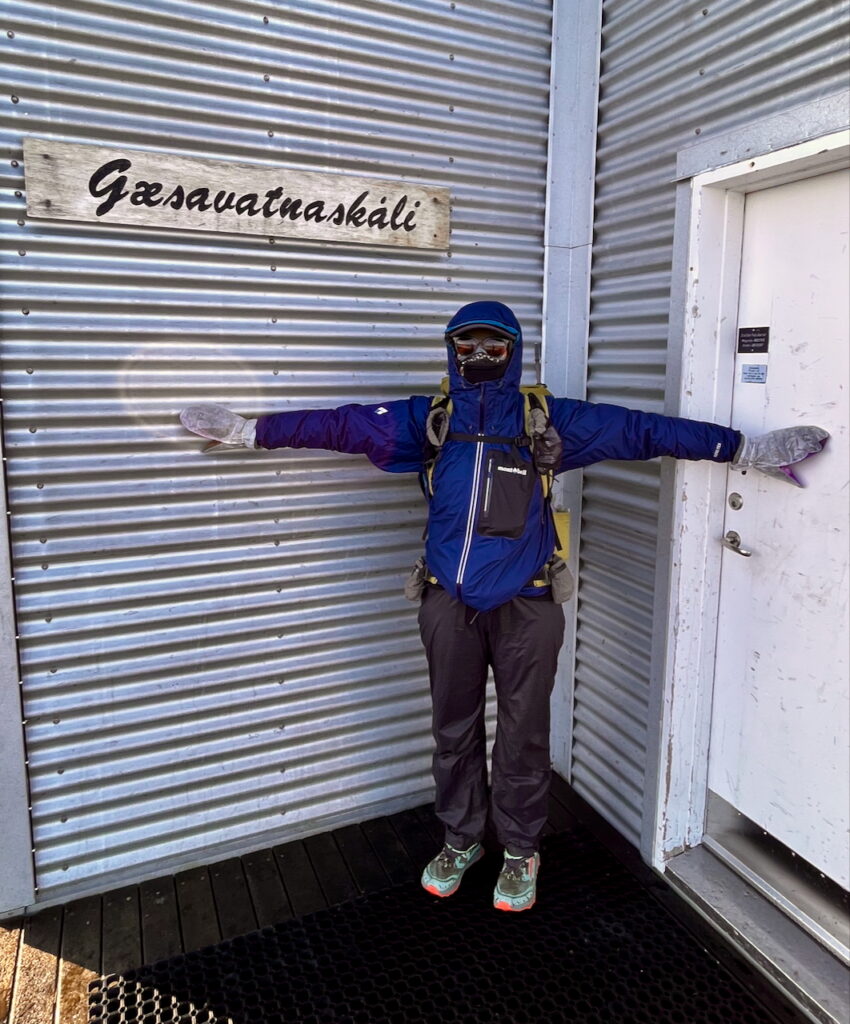
The expedition took place during the transition between late summer and early autumn—a period where historical data suggests stable temperatures (mid-teens Celsius or low 60s Fahrenheit). However, the reality of 2023 proved far more volatile. We faced temperatures dipping to -5°C (23°F) and wind speeds that routinely tested the structural integrity of our gear.
Chronology of the Trek
The expedition began in the northern wilderness of Hornstrandir. During the first phase, we dealt with typical coastal storms, requiring constant vigilance regarding site selection. The terrain, while demanding, served as a vital warm-up for the logistical complexities of the 600-kilometer traverse that followed.
The true test of the expedition occurred in early September during the Central Highlands crossing. As we pushed through the volcanic heart of Iceland, the weather deteriorated rapidly. For three consecutive days—from September 1 through the early hours of September 4—we were subjected to relentless, driving winds exceeding 100 km/h (62 mph), accompanied by a mixture of rain and snow. This period required us to shift our pace, prioritize shelter stability, and, at times, seek refuge in the network of mountain huts maintained by Ferðafélag Íslands.
Supporting Data: Gear and Performance
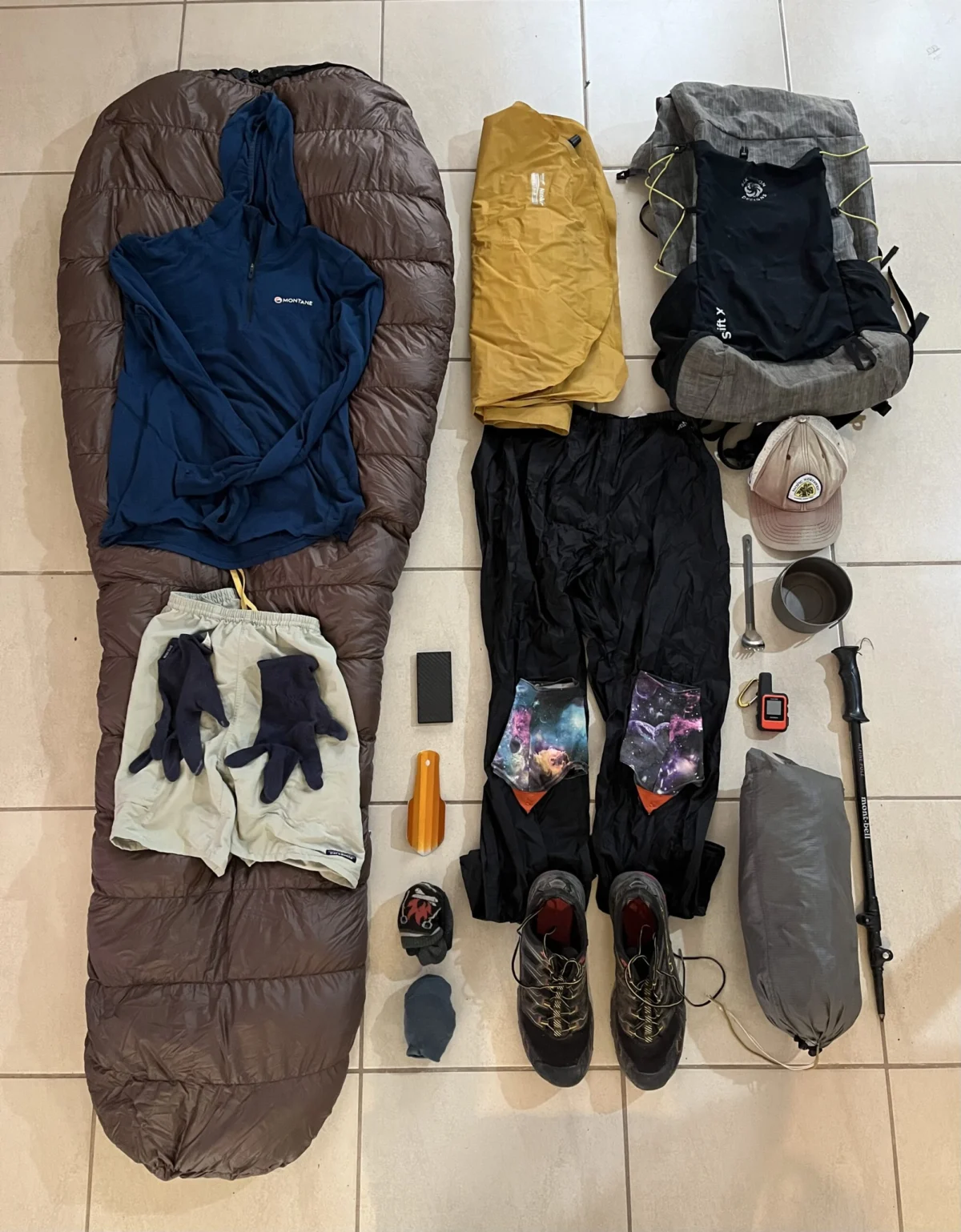
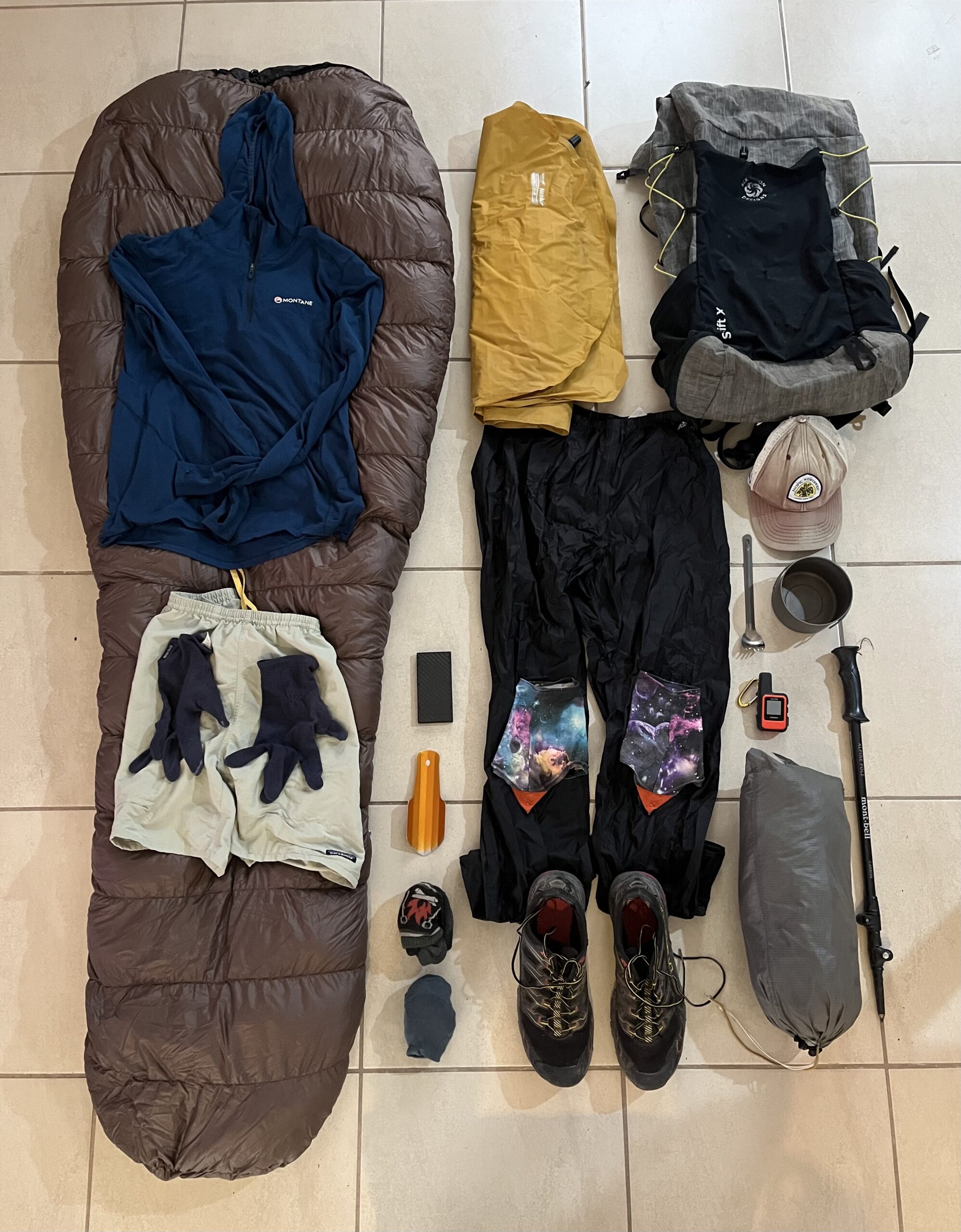
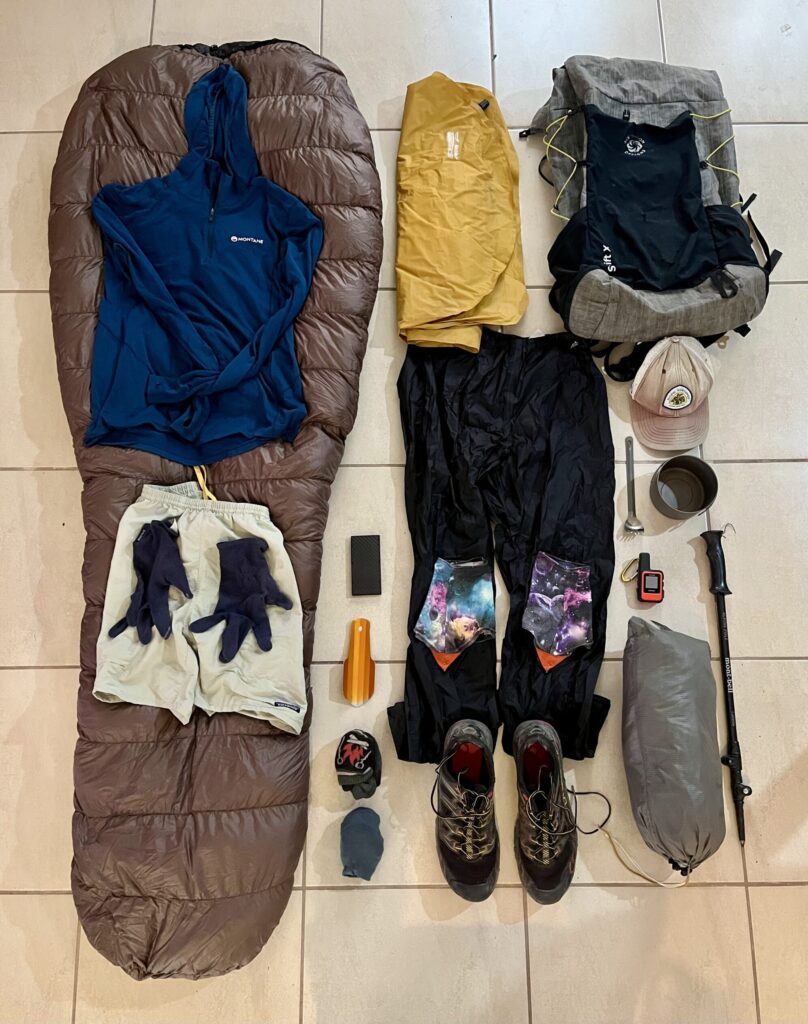
One of the central goals of this trip was to evaluate the efficacy of a specialized gear list in extreme conditions. My base weight, while historically heavy by my standards—hovering around 13.1 lbs (5.7 kg)—was a deliberate choice for the Icelandic environment.
Shelter Strategy
The most critical gear component was our shelter system. We opted for a Tarptent Stratospire 2 (silpoly), which proved to be the cornerstone of our safety. In the Highlands, where natural windbreaks are virtually non-existent, the tent was pitched in “storm mode.” Its ability to withstand 80-100 km/h gusts while maintaining ventilation was the difference between a successful traverse and a retreat.
Sleep Systems
Thermal regulation was managed via the Katabatic Alsek 22 (for me) and the Katabatic Flex 15 (for Kate). The temperature differential in our gear choices highlights the necessity of customizing sleep systems based on individual metabolic rates. Despite the sub-zero wind chills, these quilts performed exceptionally well, showing no signs of compromise after 300+ nights of use.
Footwear Performance
I utilized La Sportiva Akasha trail runners for the duration of both legs. Despite the punishing volcanic scree, mud, and river crossings, the shoes maintained their structural integrity. By the end of the 600-kilometer traverse, they remained functional, with an estimated 300 miles of tread life remaining. This validates the effectiveness of modern, robust trail runners over traditional heavy hiking boots in multi-terrain long-distance trekking.
Official Observations and Field Notes
Reflecting on the logistics of the trip, several key insights emerged for future trekkers.
The Necessity of "Bombproof" Gear
Iceland is not the place to experiment with unproven, ultra-fragile equipment. The combination of relentless wind and sharp, volcanic terrain requires gear that prioritizes durability.
- Shelter Selection: Always carry a shelter with a proven track record in high winds.
- Pitching Technique: Never underestimate the importance of secure guylines. In the Highlands, a poorly staked tent is a liability.
- Route Planning: Integrating backcountry huts into the itinerary is not an admission of defeat; it is a calculated safety measure. Knowing where the nearest refuge is located provides a vital safety buffer when weather forecasts indicate severe cyclonic activity.
The Value of Hot Springs
While seemingly a luxury, the hot springs of Iceland—such as those at Landmannalaugar—serve a dual purpose. Beyond their restorative properties for tired muscles, they provide a psychological boost during the grueling, monotonous stretches of the Highlands. I highly recommend packing a small, lightweight microfiber towel specifically for these geothermal opportunities.
Digital Safety and Communication
We relied on the Garmin inReach Mini for communication. Its battery life, which lasts nearly a month between charges, makes it an essential tool for remote regions. I advise against relying on standard smartphone GPS alone; offline maps and dedicated satellite messaging are non-negotiable for anyone attempting a traverse of this magnitude.
Implications for Future Hikers
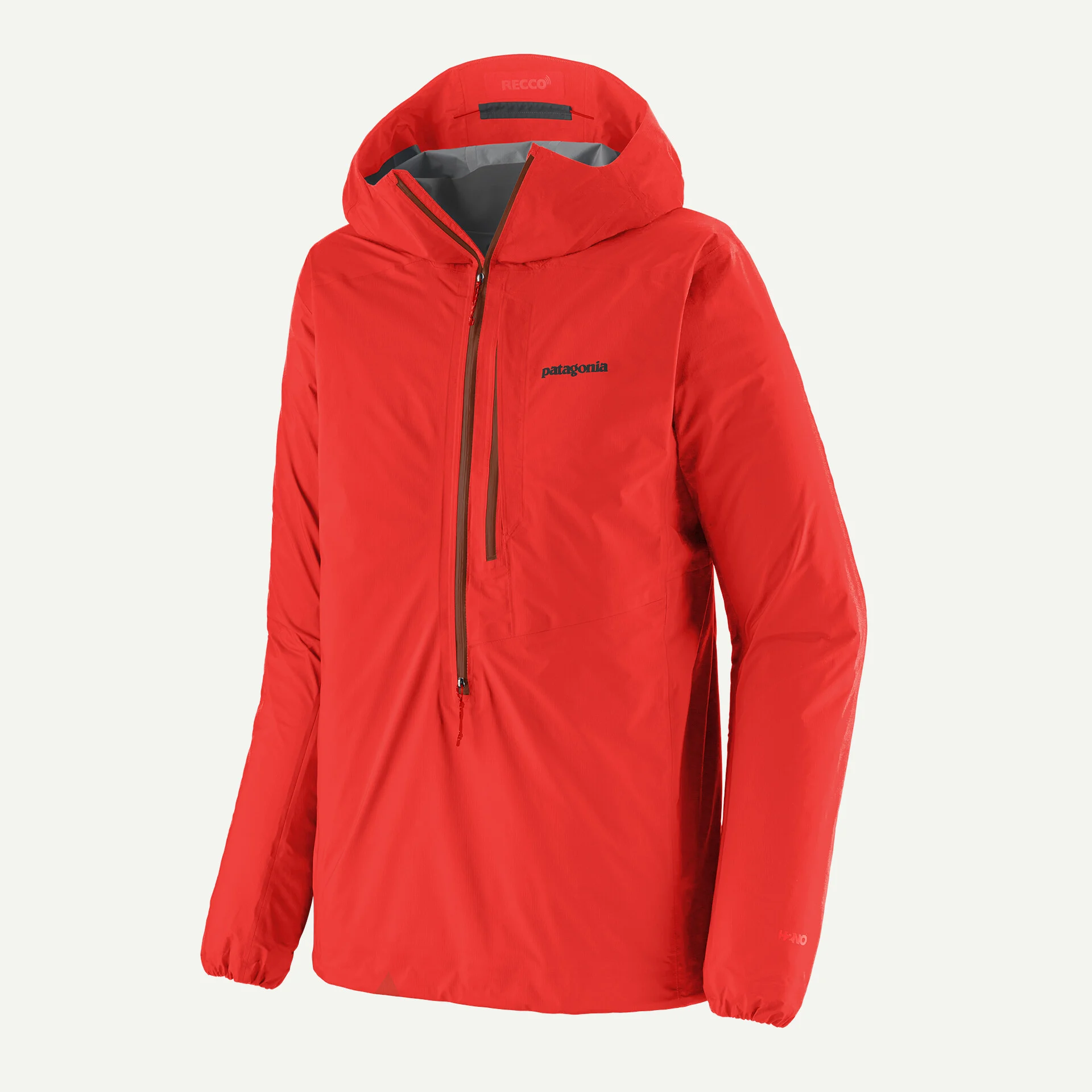
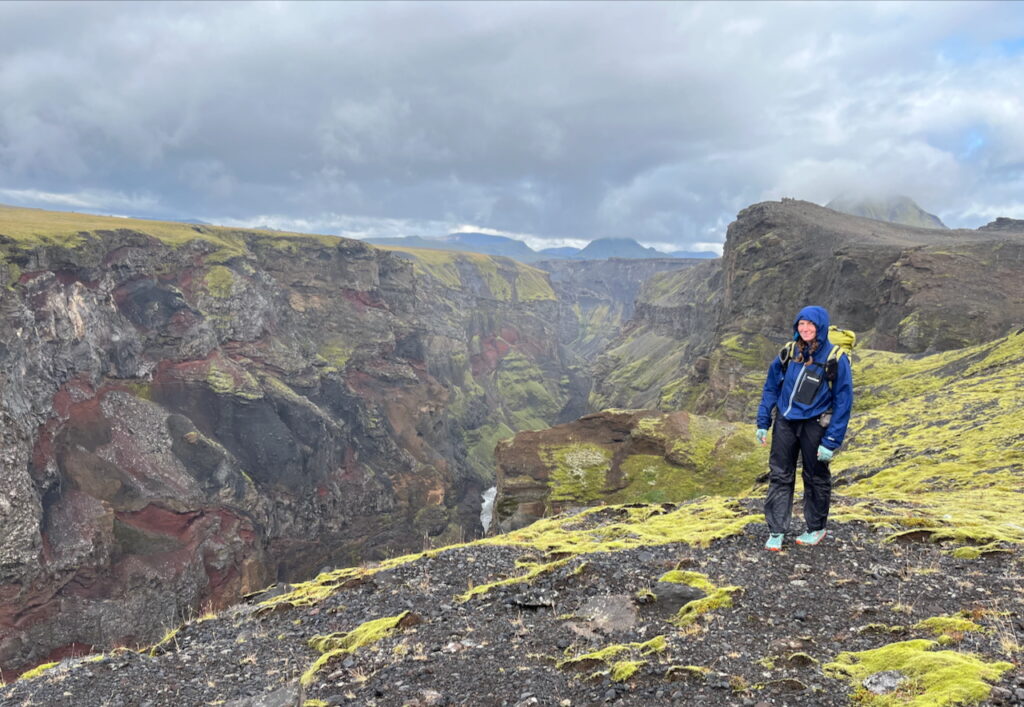
The 2023 expedition confirms that while the “ultralight” ethos is applicable in Iceland, it must be balanced with a "bombproof" mindset. The weight penalty of carrying a 3-layer rain jacket like the Montbell Storm Cruiser over a lighter shell is justified by the increased durability and superior DWR (Durable Water Repellent) performance in sustained, heavy rainfall.
Furthermore, the logistical requirement of food and fuel storage in Iceland is substantial. With stretches requiring 8 days of self-sufficiency, having a backpack with excellent load-carrying capacity—such as the Six Moon Designs Swift X—is essential. The ability to carry three to four liters of water during dry, volcanic stretches, combined with heavy food loads, requires a pack that does not compromise on frame rigidity.
The Human Factor: Kate’s Loadout
It is worth noting that the expedition was a collaborative effort. Kate Pickett utilized a Mountain Laurel Designs Prophet 48L, pairing it with the Katabatic Flex 15 quilt. Her choice of Altra Lone Peaks for footwear provided a wider toe box, which is a common preference for long-distance hikers looking to minimize foot swelling and blister formation. The contrast between our gear lists—mine focused on slightly more structured support and hers on volume-efficient ultralight principles—offered an interesting look at how different gear philosophies can survive the same extreme conditions.
Conclusion: Lessons from the Interior
Trekking across Iceland is an exercise in humility. The landscape is vast, indifferent, and frequently hostile. Success in such an environment is not determined by the lightest pack, but by the most reliable one.
For those looking to replicate or adapt this journey, the primary takeaway is the importance of preparation. Whether it is the meticulous use of hand sanitizer to prevent illness in the backcountry, the strategic use of duct tape for on-the-fly gear repairs, or the disciplined approach to weather-based route adjustments, the margin for error is razor-thin.
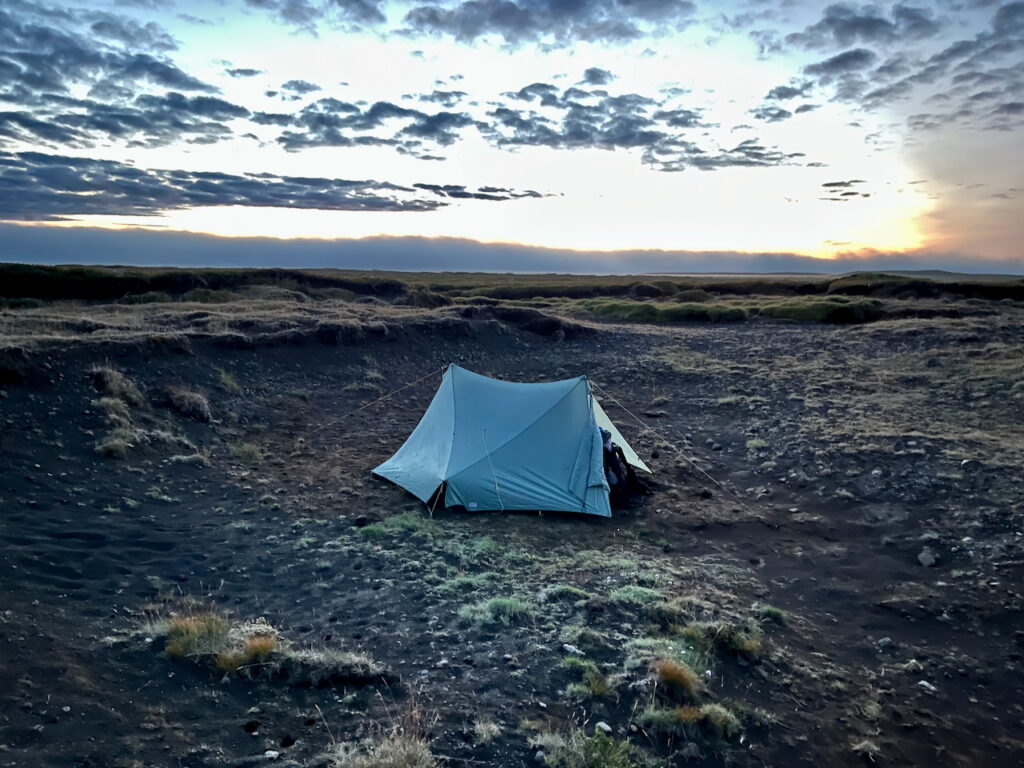
As we look back on the 2023 traverse, the defining memory is not just the physical toll, but the incredible resilience of the equipment and the necessity of respecting the volatile Icelandic climate. For anyone planning a similar trek, invest in gear that can handle the worst, plan for the most challenging terrain, and always keep a microfiber towel ready for that next, steaming hot spring. It is, in the end, the small comforts that sustain the human spirit through the longest, windiest miles.