In the high-stakes environment of the backcountry, physical distress is rarely the result of a single, isolated trigger. For experienced trekkers and guides alike, the line between "pushing one’s limits" and "medical emergency" is often blurred by a confluence of variables. A recent high-altitude excursion into the northern Colorado wilderness serves as a sobering reminder of this reality, offering a granular look at how physiological stressors—altitude, caloric deficit, dehydration, and fatigue—interact to mimic, and potentially trigger, Acute Mountain Sickness (AMS).
Main Facts: The Intersection of Physiology and Environment
The subject of this case study is a seasoned backcountry professional with over three decades of experience in leading group trips. Despite residing at a respectable 7,600 feet in Estes Park, Colorado, and possessing a baseline of altitude acclimatization, the subject encountered severe physiological distress during a recent overnight trip to an 11,500-foot alpine lake.
Upon arrival at the destination, the subject experienced a cascade of symptoms: debilitating headaches, persistent nausea, extreme fatigue, mild dizziness, shivering, anxiety, and a complete inability to regulate body temperature. Retrospective analysis using the 2018 Lake Louise Acute Mountain Sickness (AMS) score yielded a total of 7—a definitive indicator of moderate AMS.
However, the case study suggests that altitude was merely one variable in a complex equation. Data reconstruction, bolstered by wearable technology and meticulous activity logs, reveals that the subject was operating under a significant energy deficit, was suffering from chronic sleep debt, and was profoundly dehydrated. This incident highlights a critical truth in wilderness medicine: the symptoms of hypoglycemia, dehydration, and altitude sickness overlap so significantly that isolating a primary cause is often impossible.
Chronology: A Descent into Physical Distress
The timeline of the excursion provides a roadmap of how the body’s compensatory mechanisms eventually failed.
5:30 a.m. – Departure: The subject departed Estes Park, already carrying a degree of pre-existing sleep debt, a factor often overlooked in the pursuit of "alpine starts."
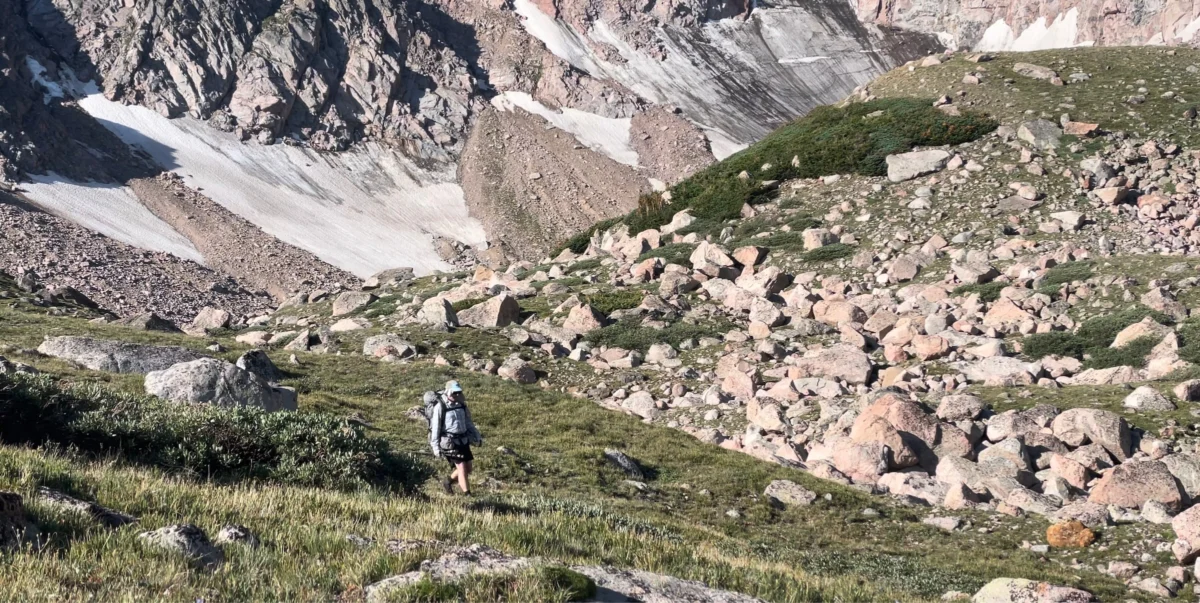
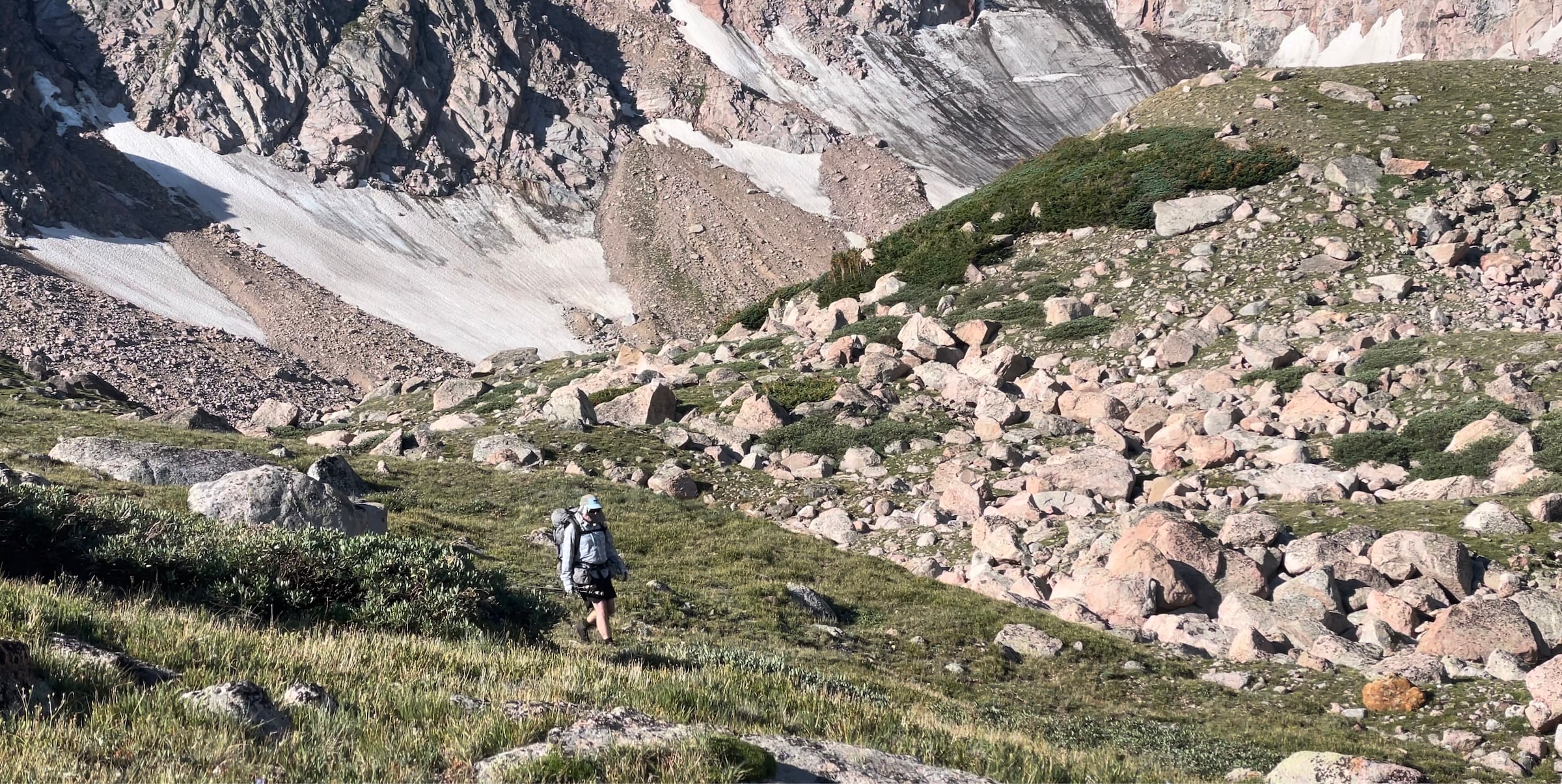
8:11 a.m. – The Approach: The hike commenced at 8,600 feet. The route was far from standard; it involved 13 miles of taxing terrain, much of which was off-trail navigating through dense, energy-sapping forest and steep alpine rock.
The Workload: The physical burden was significant. The subject carried a 48-pound pack (plus two liters of water), totaling 52 pounds. For a 165-pound individual, this represents a load equivalent to roughly 32% of their body weight—a threshold that, when combined with 3,800 feet of cumulative elevation gain, pushes the metabolic demand into the anaerobic range.
6:24 p.m. – Arrival and Onset: After ten hours of continuous movement, the subject reached the 11,500-foot campsite. The transition from a 7,600-foot home base to an 11,500-foot camp represented a 3,900-foot net gain in sleeping elevation. Within hours of settling in, the symptoms of AMS began to manifest. The rapid onset of chills and temperature dysregulation indicated that the body’s autonomic nervous system was struggling to maintain homeostasis in a high-demand, oxygen-deprived environment.
Supporting Data: The Wearable Perspective
Modern wearable technology offers a window into the physiological state of the backcountry traveler. In this case, Garmin data acted as an objective witness to the subject’s subjective decline.
Nutritional and Hydration Metrics
The reconstruction of food and fluid intake revealed a "perfect storm" of nutritional failure. The energy expenditure required to haul 52 pounds over 13 miles of rugged terrain is massive, likely exceeding 4,000–5,000 calories for the day. The subject’s caloric intake, however, lagged significantly behind. Carbohydrate depletion—the primary fuel source for high-intensity, high-altitude exertion—was identified as a major contributor to the subject’s shakiness and fatigue.
Hydration and Metabolic Load
Inadequate fluid intake at high altitude is not merely a matter of thirst; it is a clinical concern. Dehydration thickens the blood, exacerbating the circulatory strain already imposed by the thinner air at 11,500 feet. The Garmin data indicated that the subject’s cardiac drift—a phenomenon where heart rate rises despite a steady workload—was abnormally high, a classic sign of progressive dehydration and systemic stress.
The Sleep Debt Factor
While the subject is accustomed to the thin air of the Rockies, the "physiological tax" of a heavy pack and a long day of navigation was amplified by a lack of restorative sleep prior to the trip. Sleep is the primary recovery period for the central nervous system. Without it, the body’s ability to acclimatize to new, higher altitudes is compromised, leaving the subject vulnerable to symptoms that might have been avoided had they been well-rested.
Official Responses and Medical Context
Wilderness medicine experts often emphasize that AMS is a diagnosis of exclusion. Because the symptoms—nausea, headache, and fatigue—are identical to those of exhaustion and hypoglycemia, practitioners must be wary of "diagnostic anchoring," or the tendency to blame the altitude for everything.
According to standard wilderness medical protocols, the diagnosis of AMS requires a headache plus at least one other symptom in the setting of a recent gain in altitude. While the subject met these criteria, the "multifactorial nature" of the illness is the primary takeaway. Experts suggest that had the subject been fueled properly and rested, the altitude might have been well-tolerated. Instead, the altitude acted as an "accelerant" for an already failing metabolic system.
"The environment doesn’t just present the challenge," says a leading mountain guide consultant. "The environment exposes the cracks in your preparation."
Implications for Backcountry Practitioners
The implications of this case study are far-reaching for anyone venturing into high-alpine environments.
1. The "Hidden" Variables
Backpackers must treat sleep, nutrition, and hydration with the same seriousness as they treat route-finding. The "workload-to-body-weight" ratio is a critical, often ignored metric. Carrying 32% of one’s body weight is an extreme load that necessitates a higher caloric intake than standard dietary guidelines suggest.
2. Redefining Acclimatization
This study challenges the notion that living at 7,600 feet provides a universal "pass" for higher elevations. While baseline acclimatization helps, it is not a prophylactic against AMS when combined with physical exhaustion. The body’s capacity for repair is finite; once the metabolic bank account is overdrawn, the body loses its ability to effectively process the low oxygen levels of the alpine zone.
3. The Need for Proactive Monitoring
Backpackers are encouraged to move away from reactive symptom management. By using wearable data to monitor heart rate variability (HRV) and sleep quality, hikers can gauge their recovery status before they ever step onto the trail. If a hiker starts the day with poor sleep and low HRV, they should arguably adjust their itinerary to lower the intensity of the day’s exertion.
4. Conclusion
The northern Colorado case study is a reminder that the mountains are an unforgiving laboratory. When symptoms arise, the solution is rarely just "waiting it out" or taking a painkiller. It requires a holistic assessment of the day’s events. By addressing the "four pillars"—altitude, hydration, nutrition, and rest—backcountry travelers can mitigate the risks of high-altitude excursions.
As the subject noted, the most dangerous aspect of mountain travel is the assumption that because one has done it before, the body will respond the same way every time. In the wilderness, context is everything. The synergy of fatigue, caloric deficit, and altitude creates a complex medical puzzle that, if ignored, can turn a standard backpacking trip into a hazardous survival situation. Future excursions must prioritize a conservative approach to pack weight and a rigorous commitment to caloric replacement, ensuring that the body is as prepared as the mind for the challenges of the high country.