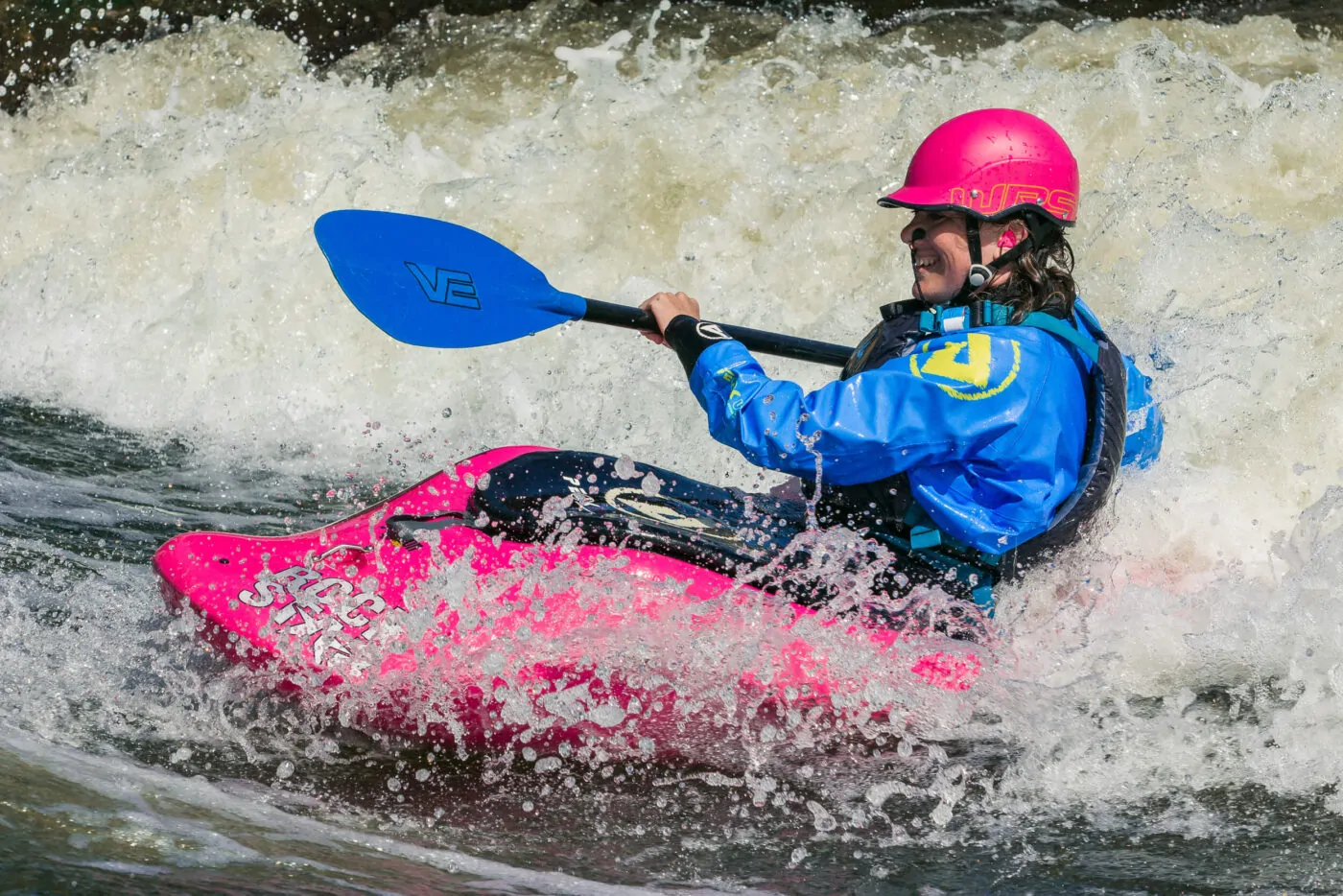
There is an unparalleled rush that comes with hooking a heavy hitter while paddling a kayak. The connection between the angler and the water is visceral, amplified by the low profile and silent approach of a kayak. However, every veteran angler eventually learns a hard, sometimes pungent lesson: not every successful fight ends in a gourmet meal.
As the popularity of kayak fishing continues to surge, so does the pressure on local ecosystems and the temptation to harvest everything that hits the deck. Yet, the reality is that some fish are better left in the water. Whether due to undesirable flavor profiles, extreme preparation requirements, or genuine health risks, understanding which species to target for the dinner table and which to release is a critical skill for the modern steward of the water.
The Three Camps of Unwanted Catches
Generally, the species that trigger "do-not-eat" warnings among the angling community fall into three distinct categories.
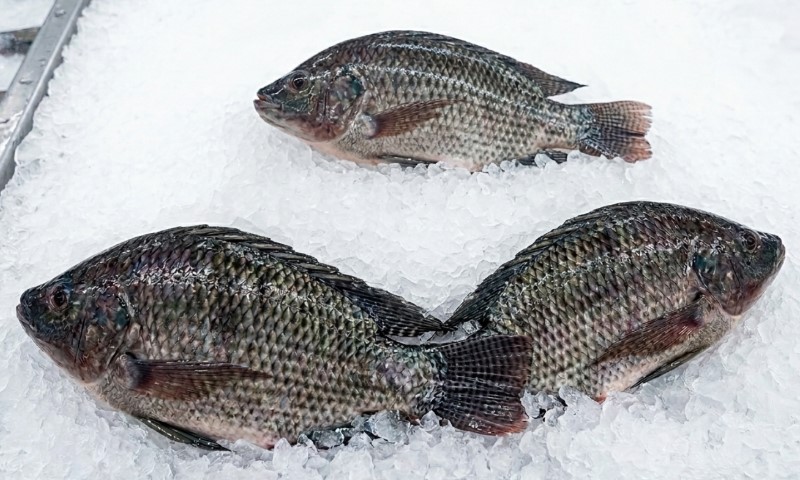
First, there are the "mudsuckers"—freshwater species that dwell in stagnant or murky environments. These fish often absorb the flavor of their surroundings, leading to a distinct "earthy" or muddy taste caused by geosmin, an organic compound produced by bacteria and algae.
Second, we have the oily saltwater predators. While many are prized, larger specimens often develop a strong, metallic, or rancid flavor profile that can overwhelm even the most seasoned palate.
Finally, there is the "trash fish" category. These are species that are either too labor-intensive to clean, riddled with small intramuscular bones, or so structurally unappealing that the time spent processing them in a cramped kayak cockpit simply isn’t worth the culinary reward.
Quick Ranking: The Most Controversial Catches
| Rank | Species | Primary Issue | Safety Concern | Recommended Action |
|---|---|---|---|---|
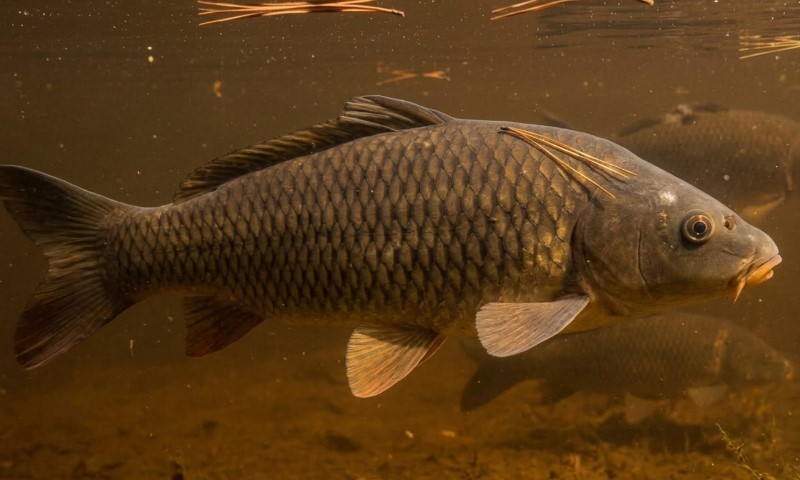
| 1 | Common Carp | Muddy/Bony | Local Contaminants | Release; keep from clean water only |
| 2 | Bowfin | Mushy Texture | Handling Difficulty | Eat fresh or release immediately |
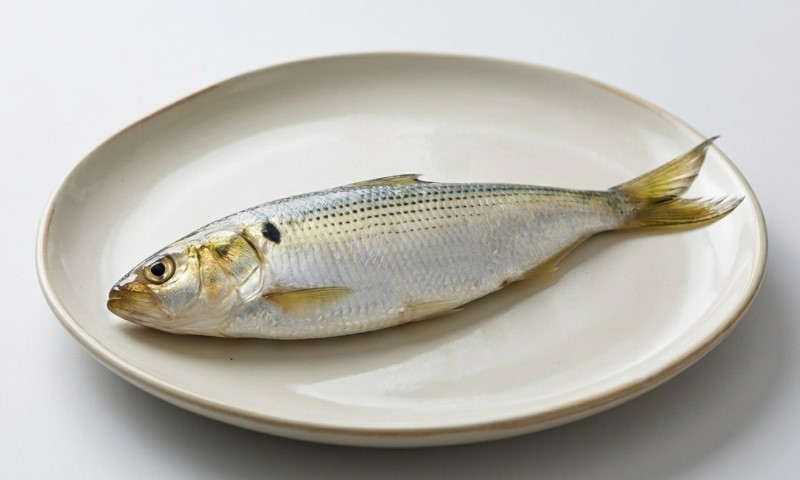
| 3 | Gizzard Shad | Oily/Bony | Spoilage | Use as bait only |
| 4 | Large Bluefish | Fishy Flavor | Mercury/PCBs | Bleed, ice, trim dark meat |
| 5 | Jack Crevalle | Metallic/Bloody | Handling/Flavor | Keep only small fish; release big ones |
| 6 | Bigmouth Buffalo | Coarse/Muddy | Advisory Waters | Smoke or grind for patties |
| 7 | Freshwater Drum | Divisive Taste | Mercury Advisories | Check local safety reports |
| 8 | Large Black Drum | Wormy/Coarse | Parasites | Keep "puppy drum" only |
| 9 | Gar Roe | Culinary Risk | Toxic Roe | Never eat the eggs; discard |
| 10 | Barracuda | Variable Flavor | Ciguatera | Avoid in reef zones |
| 11 | Shark | Ammonia Taste | Mercury/Spoilage | Usually skip |
| 12 | King Mackerel | Strong Flavor | High Mercury | Avoid large specimens |
Understanding the Science of "Off" Flavors
When a fish tastes "off," it is rarely a random occurrence. Research from institutions like DTU Food highlights that the "muddy" flavor often associated with bottom feeders is caused by geosmin. While this compound is chemically harmless to humans, its sensory impact is profound, effectively rendering a fillet unpalatable to most.
Furthermore, environment is the primary determinant of safety. The EPA emphasizes that water quality is highly localized; a fish species that is perfectly safe to harvest in a pristine mountain lake may be under a strict consumption advisory in a nearby industrial river. Kayak anglers, who often frequent shallow, protected waters where pollutants tend to settle, must be more vigilant than those fishing in deep, open waters.
Species Breakdown: Why They Make the List
1. Common Carp: The Environmental Sponge
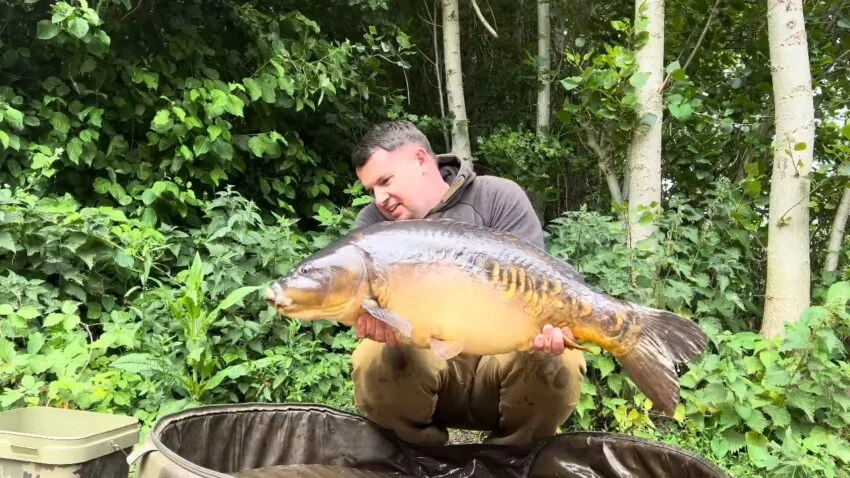
Carp are the ultimate environmental reflectors. As bottom feeders, they process everything in their vicinity. In warm, stagnant ponds, they are essentially flavor sponges. Beyond the taste, they possess a complex "Y-bone" structure that makes them a nightmare for amateur filleters. In a kayak, they are also a logistical nightmare, secreting a thick, persistent slime that coats seats, pedals, and electronics.
2. Bowfin: A Prehistoric Challenge
Bowfin possess unique enzymes that trigger rapid muscle breakdown upon death. If not immediately iced, the flesh turns into an unappealing, mushy consistency. For a kayaker, this necessitates a high-quality cooler—a luxury not always present on a minimalist setup. Moreover, their sharp teeth and muscular, snake-like thrashing make them dangerous to handle in tight quarters.
3. Gizzard Shad: Better for Bait
Often viewed as the "fast food" of the aquatic world, gizzard shad are vital to the ecosystem but poor for the table. Their high oil content causes them to go rancid almost immediately. Furthermore, they shed scales with such intensity that your kayak will remain covered in "fish glitter" for weeks. They are far more effective as fresh-cut bait for catfish than as a meal.
4. Large Bluefish: The "Crime Scene" Catch
Bluefish are legendary fighters, but their culinary reputation is polarized. They are notoriously oily. To make them edible, they must be bled instantly—a process that turns a kayak cockpit into a "crime scene," attracting flies and leaving a lingering, fishy odor. Unless you are willing to wash your deck mid-trip, these are best released.
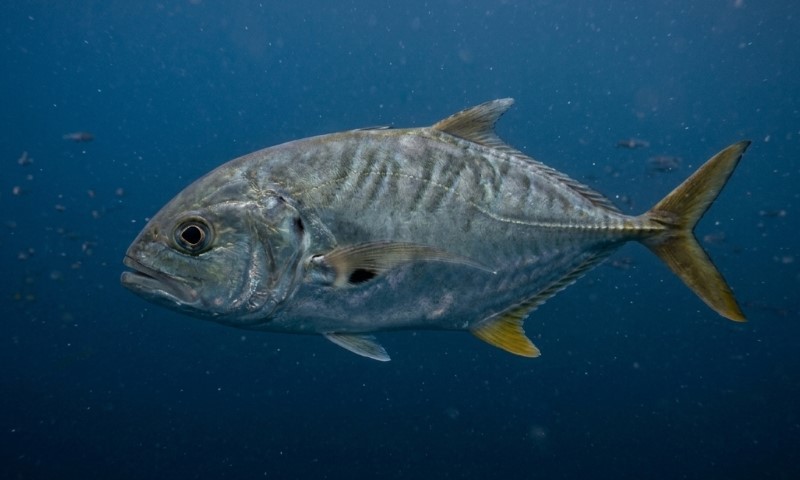
5. Jack Crevalle: The Metallic Tang
Jack Crevalle are arguably the strongest fighters in the kayak fishing world. However, their flesh is dark, bloody, and carries a strong, metallic, gamey taste. Most veterans suggest the "under 5 lbs" rule; if they are any larger, the effort required to land and process them far outweighs the quality of the meat.
6. Bigmouth Buffalo: The Rough Fish Revolution
Often confused with carp, Buffalo are native to North America and, when prepared correctly, can be quite tasty. The primary barrier here is the "trash fish" stigma and the labor required to process them. Their thick scales require heavy-duty knives, which are difficult to wield safely on a stable, yet cramped, kayak platform.
7. Freshwater Drum: The Bouncy Fillet
The controversy surrounding the Drum lies in its texture. Some describe it as firm and succulent, others as rubbery. More importantly, they are frequent targets of consumption advisories. They are also known for their loud, grunting vocalizations when landed, which can be quite startling to an angler floating in the quiet of a remote cove.
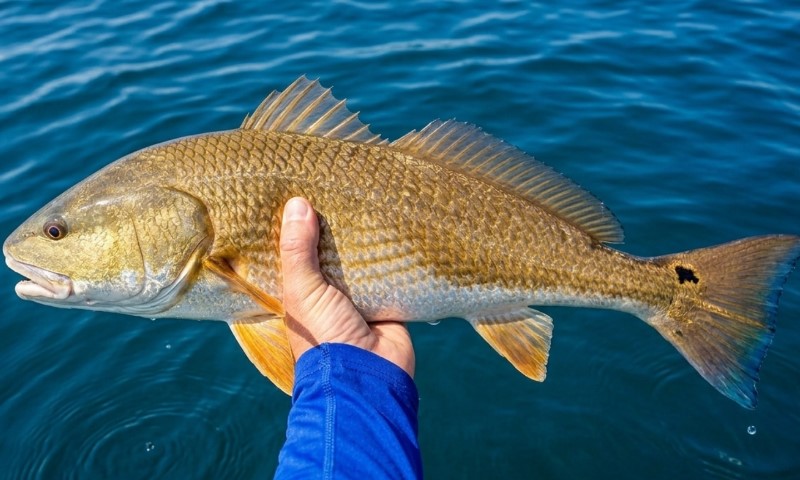
8. Large Black Drum: Parasite Concerns
While smaller "puppy drum" are prized table fare, the massive, older specimens are frequently infested with spaghetti worms. While these parasites are technically harmless to humans if thoroughly cooked, the psychological impact of seeing a worm in your fillet is enough to ruin any meal. Furthermore, these fish can live for 40+ years; their meat is often too tough to enjoy.
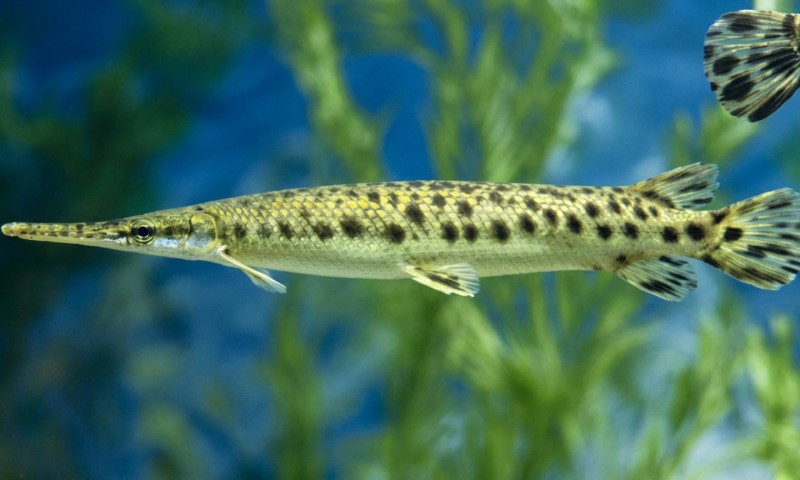
9. Gar Roe: A Dangerous Oversight
Gar are remarkably firm and white-fleshed, often compared to chicken. However, there is a lethal catch: their roe is toxic. If you are cleaning a gar, you must be surgical in your removal of the organs to ensure no cross-contamination. Given the difficulty of penetrating their armor-like scales, the risk of injury or accidental poisoning is significant.
10. Barracuda: The Ciguatera Gamble
Barracuda are the classic "gamble fish." They are prime carriers of Ciguatera, a toxin produced by algae that colonizes coral reefs. Because this toxin is heat-stable, it cannot be cooked out. For many coastal anglers, the risk of poisoning is simply not worth the gamble.
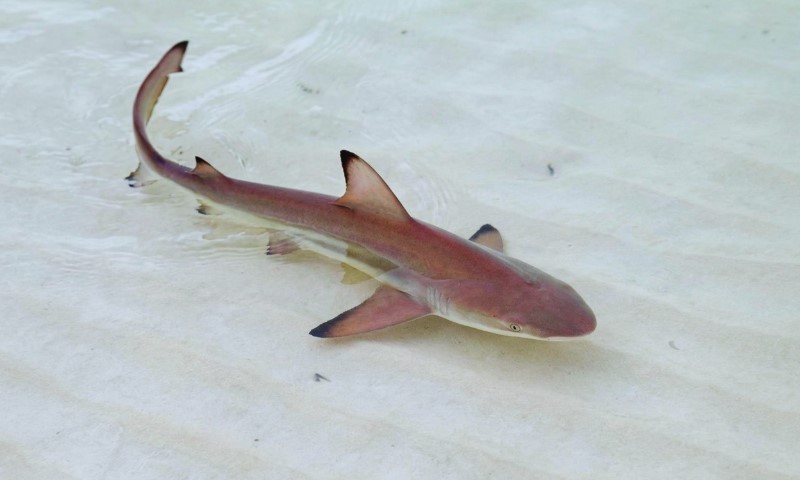
11. Shark: The Ammonia Issue
Sharks excrete urea through their skin. If not bled and soaked in milk or lemon juice immediately upon capture, the meat will taste of ammonia. Given their slow growth rates and high concentration of mercury, catch-and-release is almost always the ethical and logical choice.
12. The Pelagic Giants (King Mackerel, Swordfish, etc.)
Large pelagic fish are prone to scombroid poisoning if not chilled to perfection. Histamines build up in the meat during even slight decomposition. In a kayak, maintaining the required temperature for these massive fish is nearly impossible without compromising the vessel’s stability.
Official Guidance and Health Implications
The FDA and EPA provide a "Choice to Avoid" list that includes many of the species mentioned above. These agencies track mercury levels, which accumulate in the tissues of apex predators like shark, marlin, and king mackerel. As a consumer, it is your responsibility to cross-reference your catch with current local and federal advisories.
Scombroid poisoning is a real danger; the FDA notes that histamine production in poorly handled fish can lead to severe allergic-like reactions. Always prioritize the "cold chain"—if you cannot keep the fish below 40°F, you are significantly increasing your risk of foodborne illness.
The Bottom Line: Stewardship in a Small Craft
The rise of kayak fishing has brought more people to the water than ever before, but it also demands a higher standard of ethics. Respecting the resource means understanding that not every catch is a harvest.
If you aren’t prepared to handle a fish with the proper gear—the right cooler, the right knives, and the right processing knowledge—the most responsible action is to let it swim away. Our small crafts provide us with an intimate, privileged view of the aquatic world. We should use that connection to foster a sense of stewardship. When in doubt, release the fish. The thrill of the catch is a reward in itself, and there is no shame in a day of catch-and-release when the alternative is a wasted life and a disappointing dinner.
By being selective, we ensure that our favorite waters remain vibrant and productive for the next generation of paddlers. Happy fishing, and may your lines remain tight.