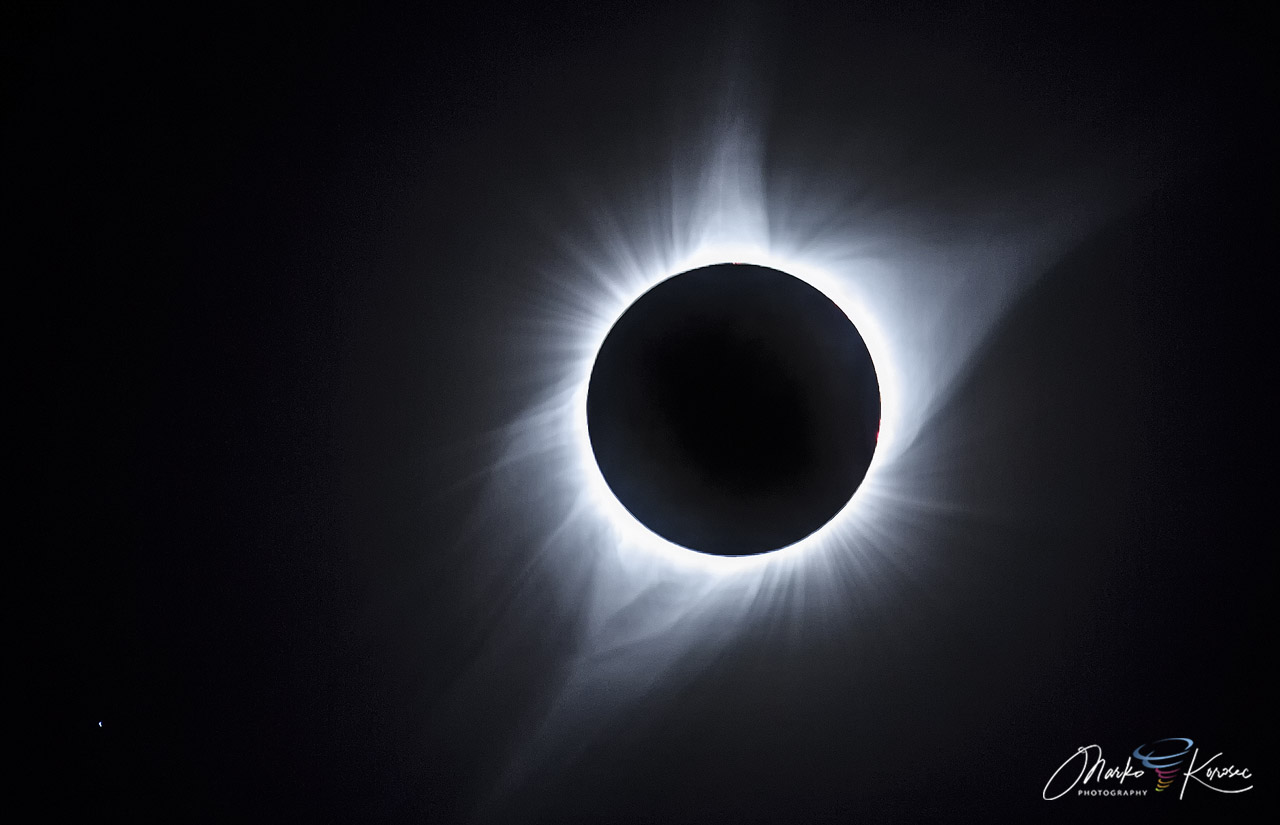
On August 12, 2026, the skies over the Northern Hemisphere will play host to a rare and profound astronomical phenomenon: the Total Solar Eclipse of 2026. As the Moon positions itself precisely between the Earth and the Sun, a corridor of total darkness—the "path of totality"—will sweep across the Arctic, Iceland, and the Iberian Peninsula. This event marks a historic milestone for Europe, as it represents the first time a total solar eclipse has graced the continent’s mainland since the landmark eclipse of August 11, 1999.

For up to 2 minutes and 18 seconds, millions of residents and international visitors across Spain, Iceland, and Greenland will experience the surreal transition from day to twilight as the solar corona reveals itself in the darkened sky.
Main Facts: A Rare Alignment
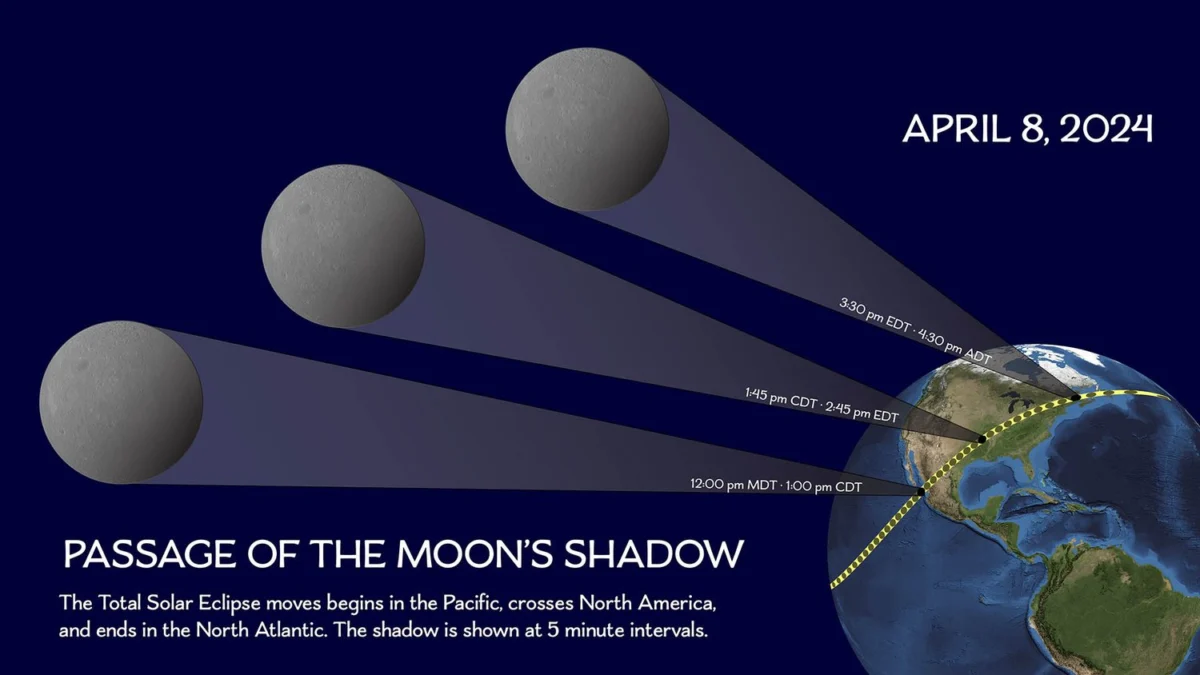
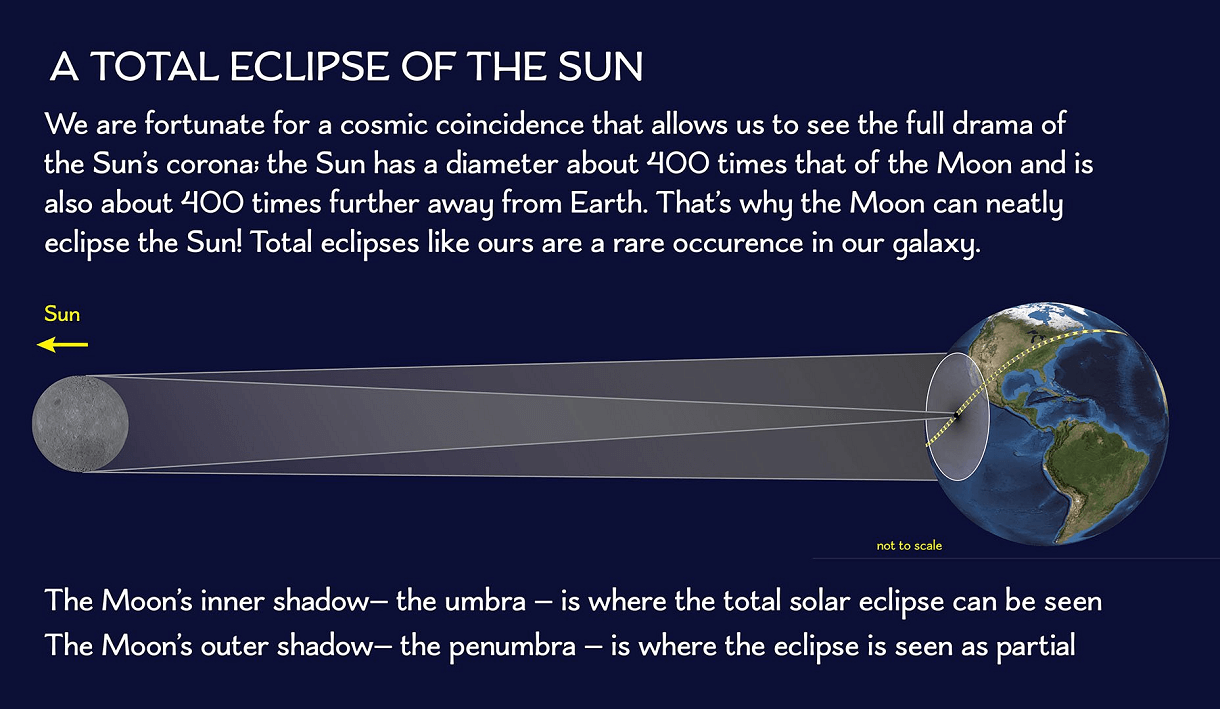
A total solar eclipse is a masterclass in celestial geometry. It occurs only when the Moon’s apparent size matches or exceeds that of the Sun from the observer’s perspective on Earth. While solar eclipses occur roughly every 18 months somewhere on the planet, the narrow path of totality—often only 60 to 70 miles wide—means that for any specific location, a total eclipse is a once-in-a-lifetime occurrence.
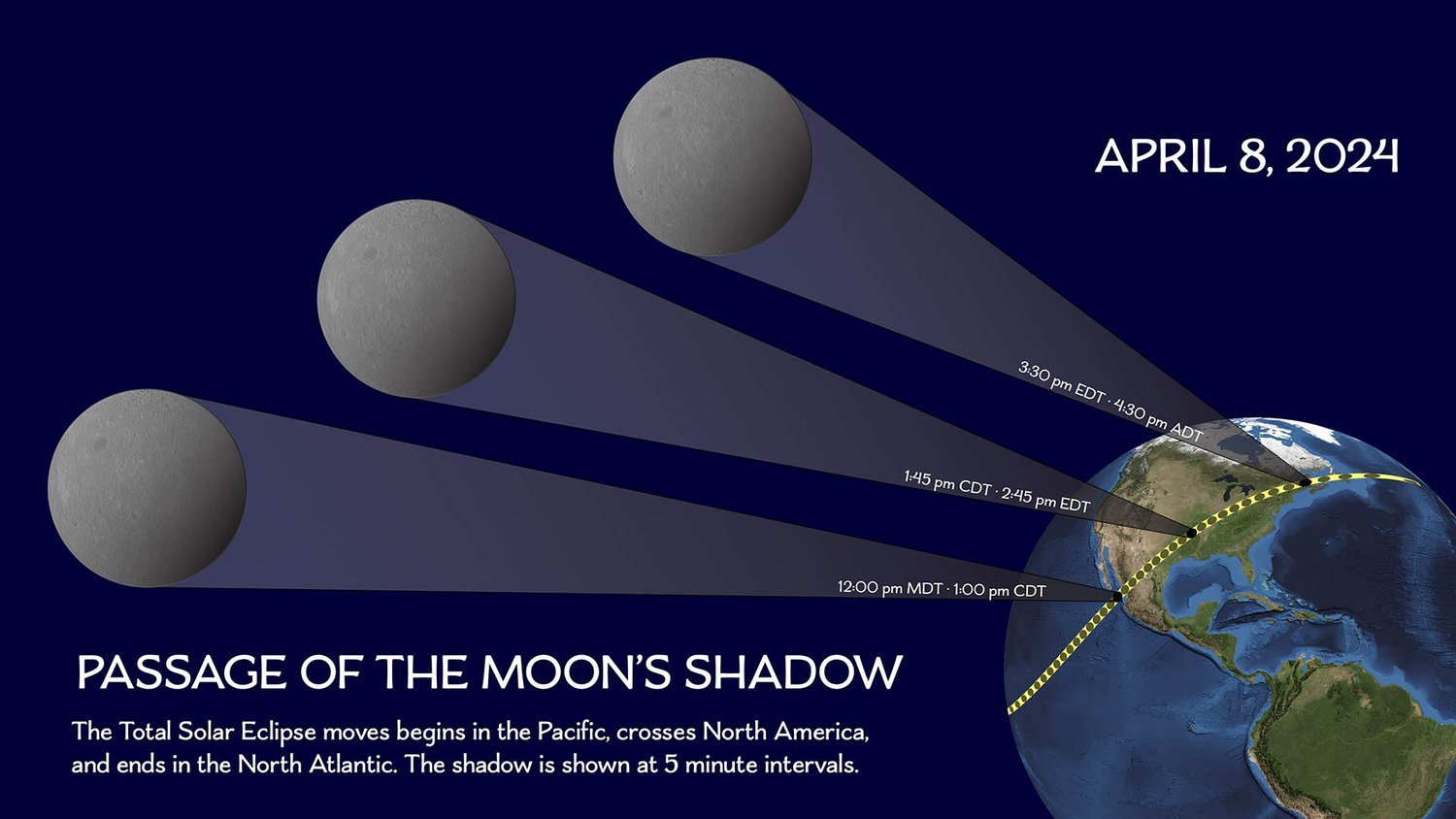
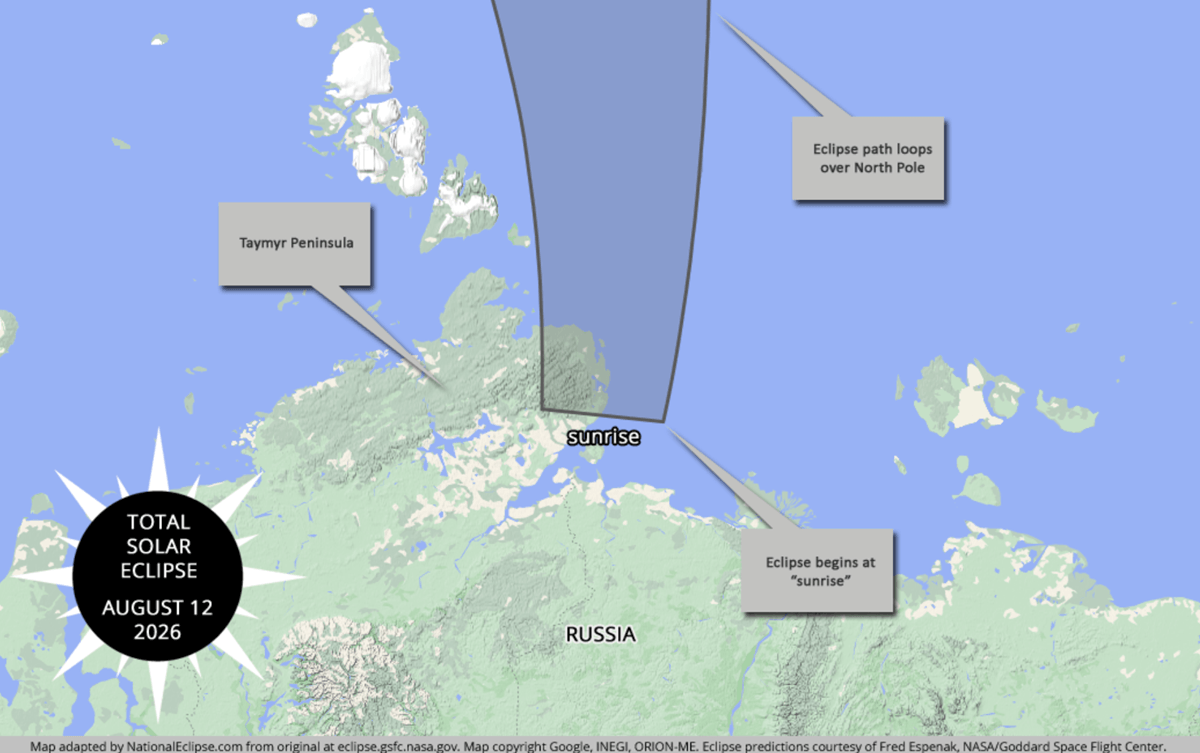
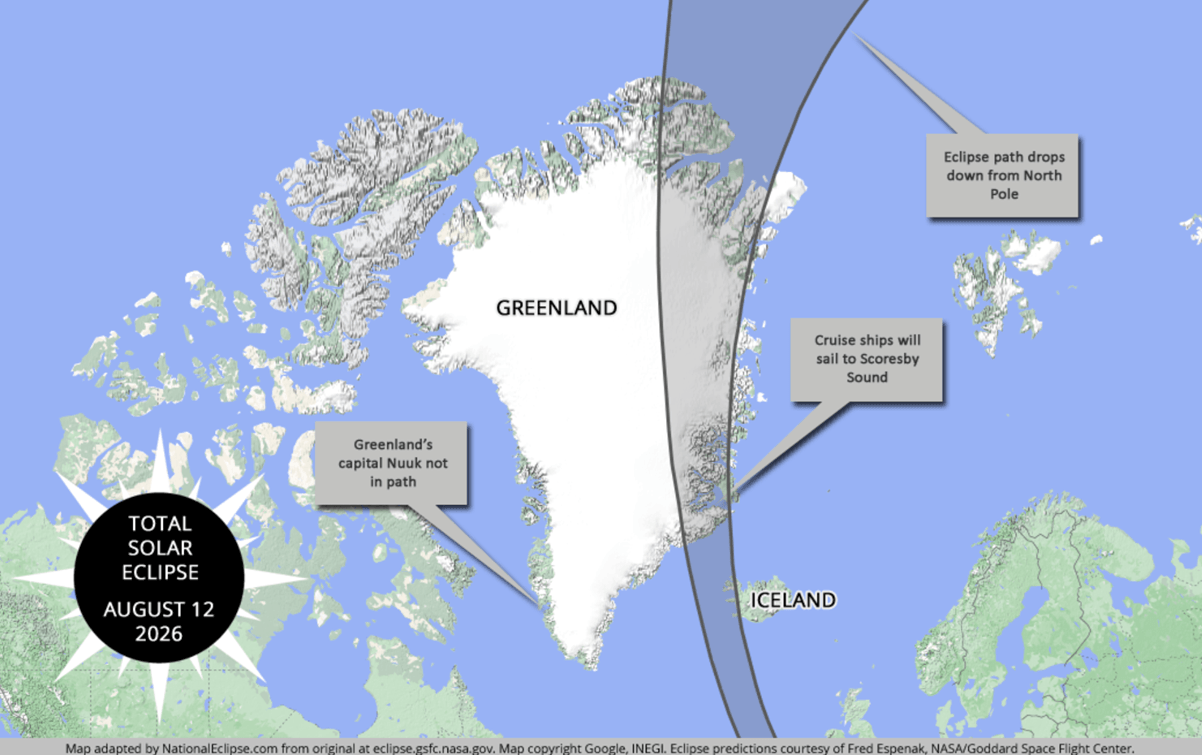
The 2026 event is particularly noteworthy due to its geographical trajectory and timing. The shadow will begin its journey at sunrise in northern Siberia, tracking south-southwest across the Arctic Ocean. It will traverse the frozen landscapes of eastern Greenland and the rugged western coast of Iceland before accelerating across the Atlantic toward the Iberian Peninsula. In Spain, the eclipse will reach its climax during the late afternoon hours, providing a dramatic sunset spectacle for major urban centers.
Chronology of the Shadow
The path of totality is a fast-moving, high-stakes corridor of darkness. Understanding the timing is crucial for those planning to witness the event:
- The Arctic and Greenland: The shadow makes its initial contact with land in the remote regions of Greenland. Residents and researchers in the northeastern and southeastern sectors will experience totality starting around 16:14 local time, with durations ranging from 2 minutes and 8 seconds to 2 minutes and 17 seconds.
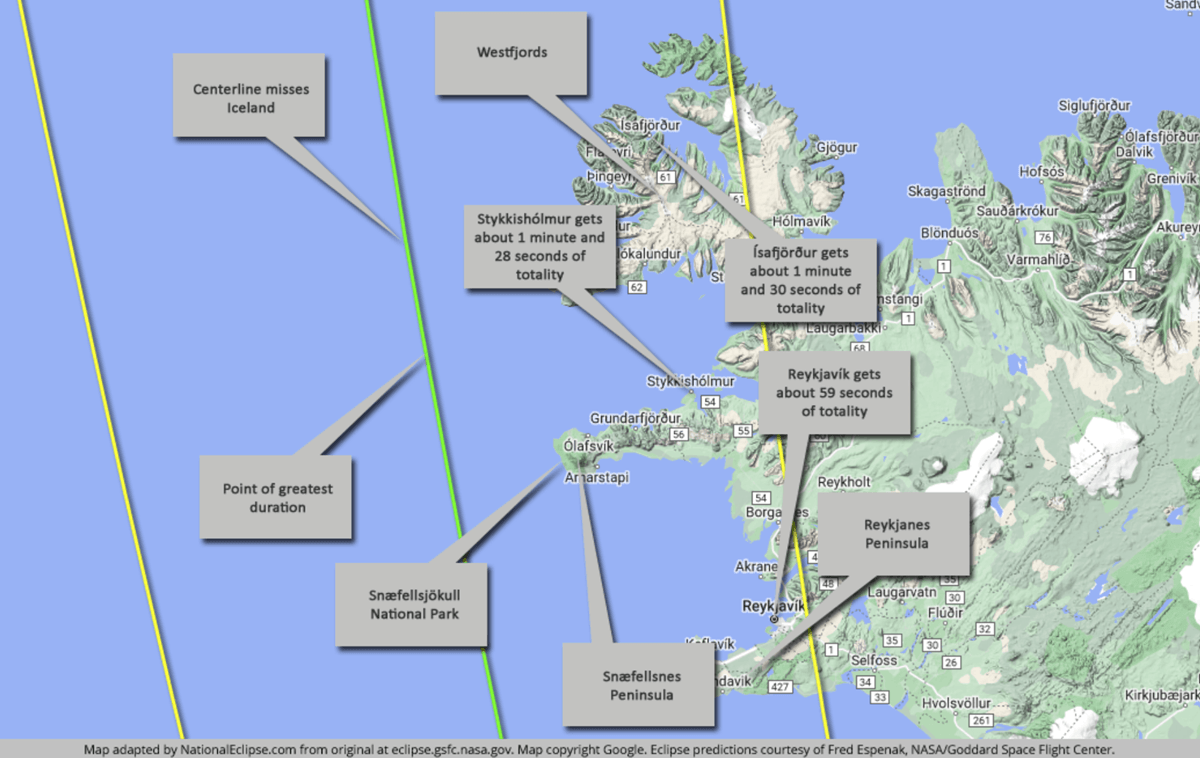
- Icelandic Skies: The eclipse will sweep over the Westfjords and move southward toward the capital, Reykjavík. Partial phases will commence at approximately 16:43 local time. Totality will arrive in the Westfjords at 17:44 and reach Reykjavík by 17:48. While the capital will experience a shorter window of totality—roughly 59 seconds—the atmosphere in the city is expected to be electric.
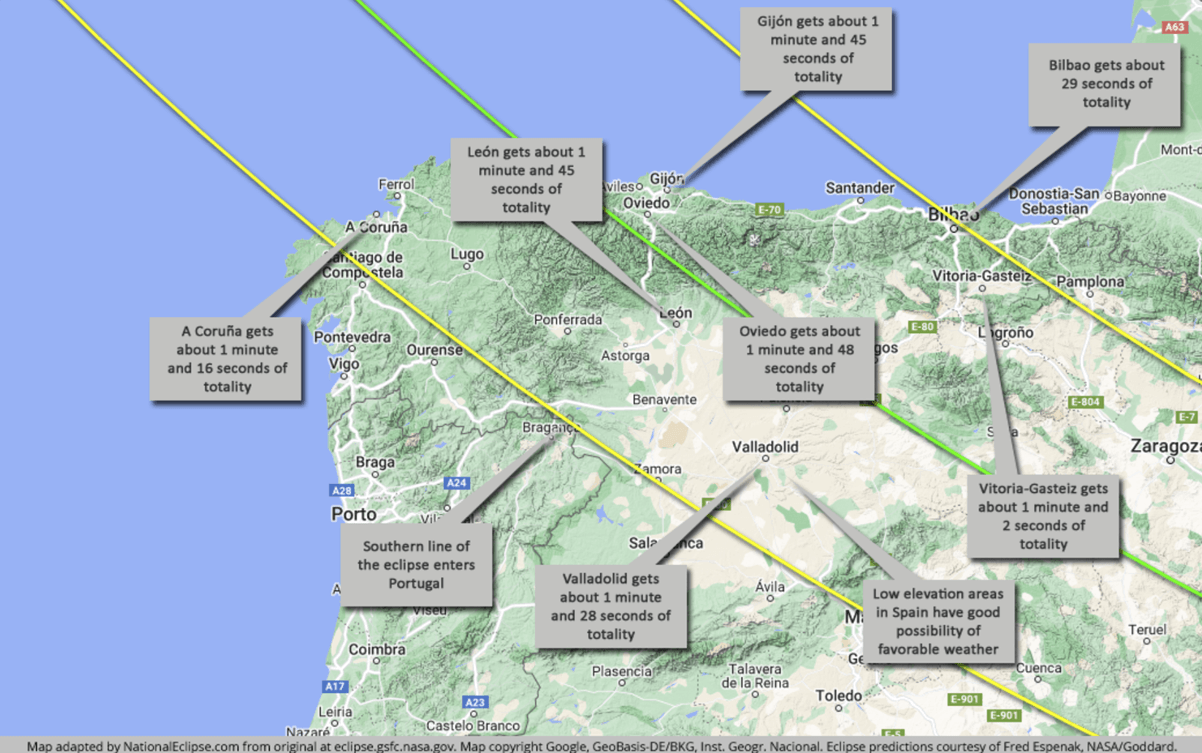
- The Spanish Grand Finale: As the shadow leaves the Atlantic, it will strike northern and eastern Spain. First contact in the region occurs at 19:30 CEST. The Moon will fully obscure the Sun at 20:26, creating a profound twilight effect that will last for 1 minute and 45 seconds in parts of the country, gradually shortening as the path moves toward Palma de Mallorca.
Supporting Data: Why 2026 is Exceptional
Beyond the rarity of its path, the 2026 eclipse offers a unique intersection of phenomena. Astronomers have noted that the eclipse coincides with the peak of the annual Perseid meteor shower. While witnessing meteors during the brief window of totality is a challenging task, it adds an extra layer of allure for amateur and professional astronomers alike.
The Physics of the Umbra
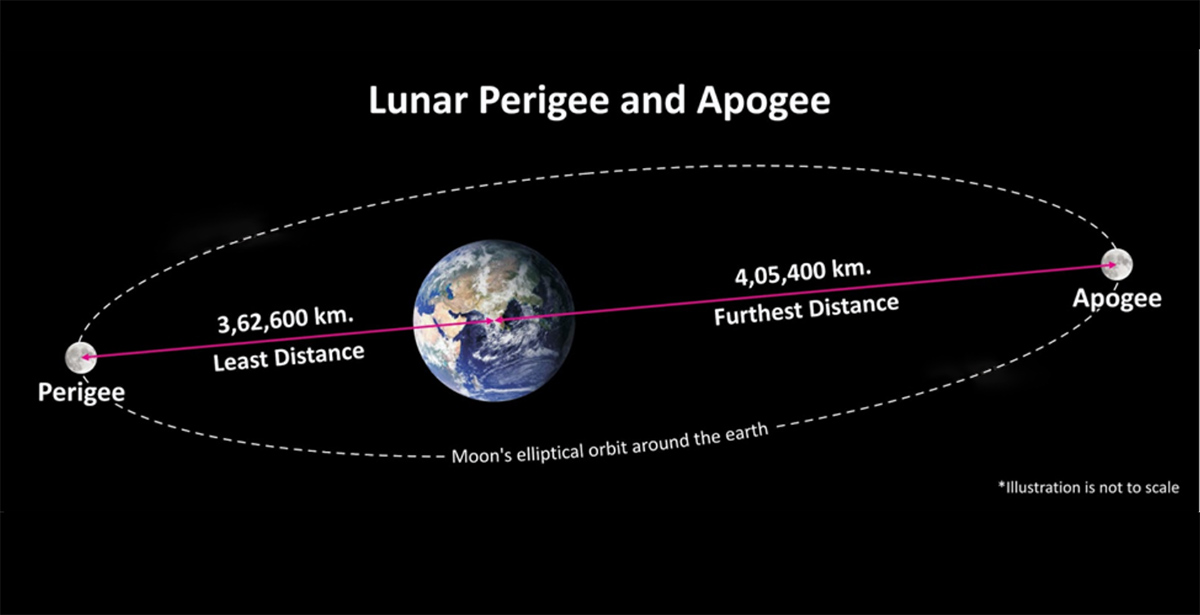
The "totality" is defined by the Moon’s umbra—the darkest part of its shadow. Measuring approximately 165 miles (267 km) across, this shadow travels at supersonic speeds. Outside this band, observers will experience a partial eclipse, where the Sun appears as a crescent. The quality of the view depends heavily on the Moon’s distance from Earth; as the Moon moves in an elliptical orbit, its proximity dictates the magnitude of the spectacle. When at perigee, the Moon appears larger, contributing to the "Supermoon" effect, though this specific eclipse focuses on the precision of the alignment required to block the Sun’s photosphere entirely.
Weather and Atmospheric Considerations
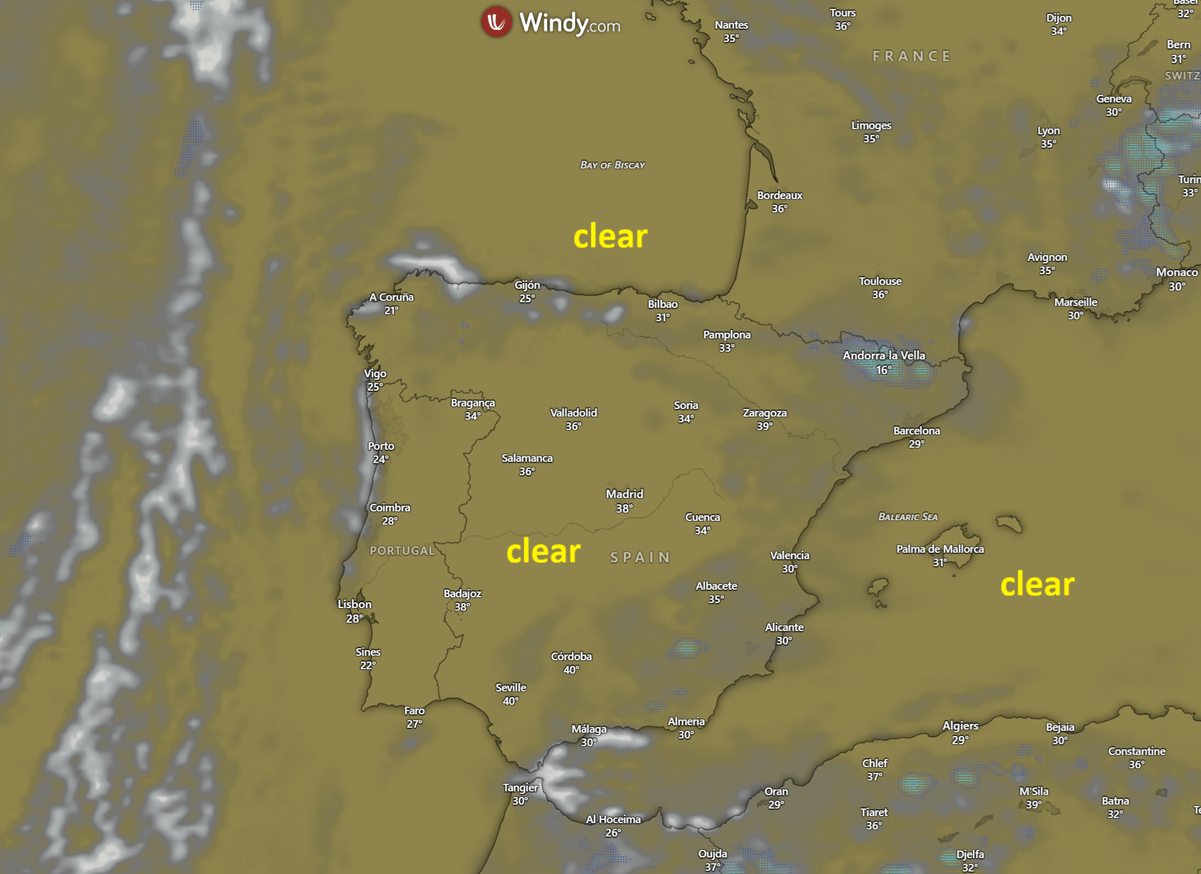
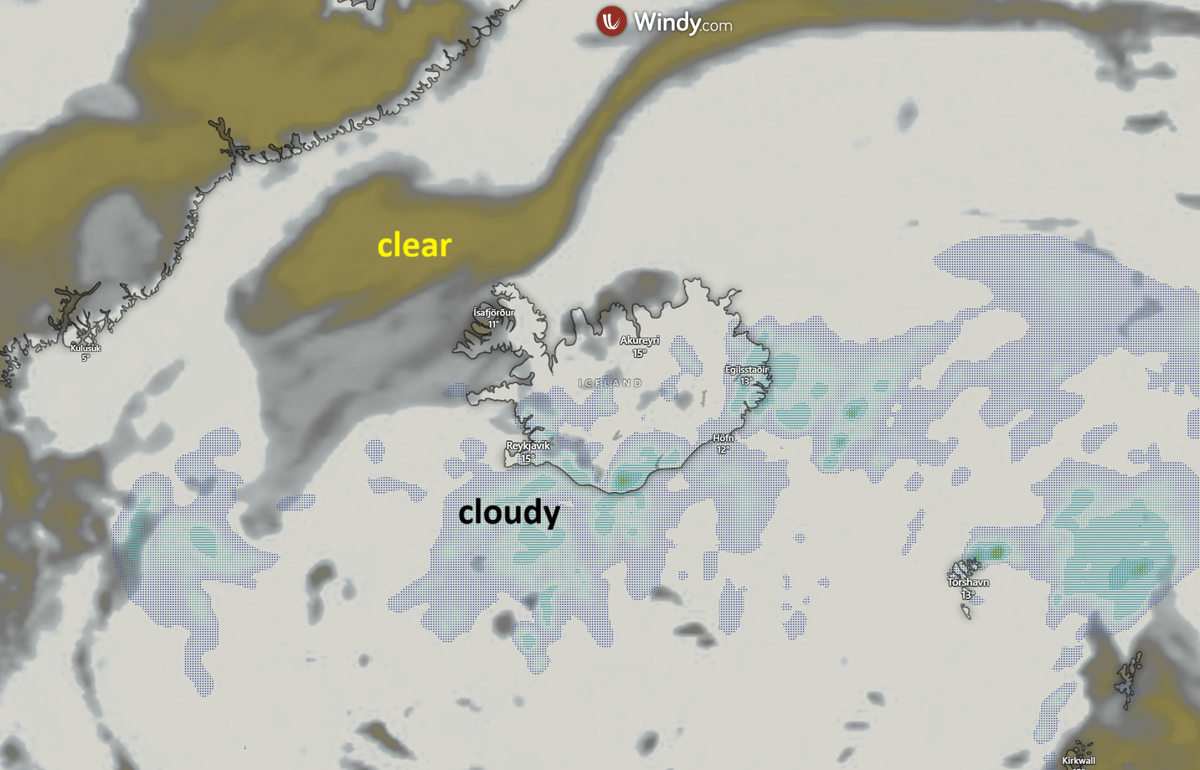
Visibility is the primary concern for any eclipse chaser. Current meteorological modeling suggests a "tale of two climates" for the 2026 event:
- Spain: The outlook is highly favorable. Summertime in the Iberian Peninsula is characterized by hot, dry air and minimal cloud cover, significantly increasing the probability of clear-sky observations for millions of people in major cities like Zaragoza and A Coruña.
- Iceland: The forecast is more volatile. Atlantic depressions frequently bring cloud cover to the region. However, meteorologists suggest that local topography and downslope winds in the Westfjords may create "breaks" in the clouds, offering a window of opportunity for those stationed in the right micro-climates.
Implications for Public Safety and Infrastructure
With millions of spectators expected to converge on the path of totality, local authorities in Spain and Iceland are bracing for logistical challenges. Massive crowds in city parks and along highway corridors present risks of congestion and infrastructure strain.
Eye Safety Protocols
The most critical implication of a solar eclipse is the danger of permanent eye damage. Experts emphasize that at no point during the partial phases of the eclipse is it safe to look at the Sun without ISO-certified solar viewing glasses.
- Never use standard sunglasses: These are insufficient to filter harmful infrared and ultraviolet radiation.
- Optical equipment: Telescopes, binoculars, and cameras must be fitted with specialized, high-density solar filters.
- Totality: The only moment it is safe to remove eye protection is during the brief window of "totality," when the Moon completely blocks the Sun’s disk. As soon as the Sun begins to re-emerge, protection must be reapplied immediately.
Photography: Capturing the Moment
For those looking to document the event, preparation is key.
- Gear: A tripod is mandatory. As the sky darkens, shutter speeds will slow down, making handheld photography impossible for sharp results.
- Technique: Use a remote shutter release to prevent camera shake. Experiment with bracketing—taking multiple shots at varying exposures—to capture both the dark silhouette of the Moon and the faint, glowing corona of the Sun.
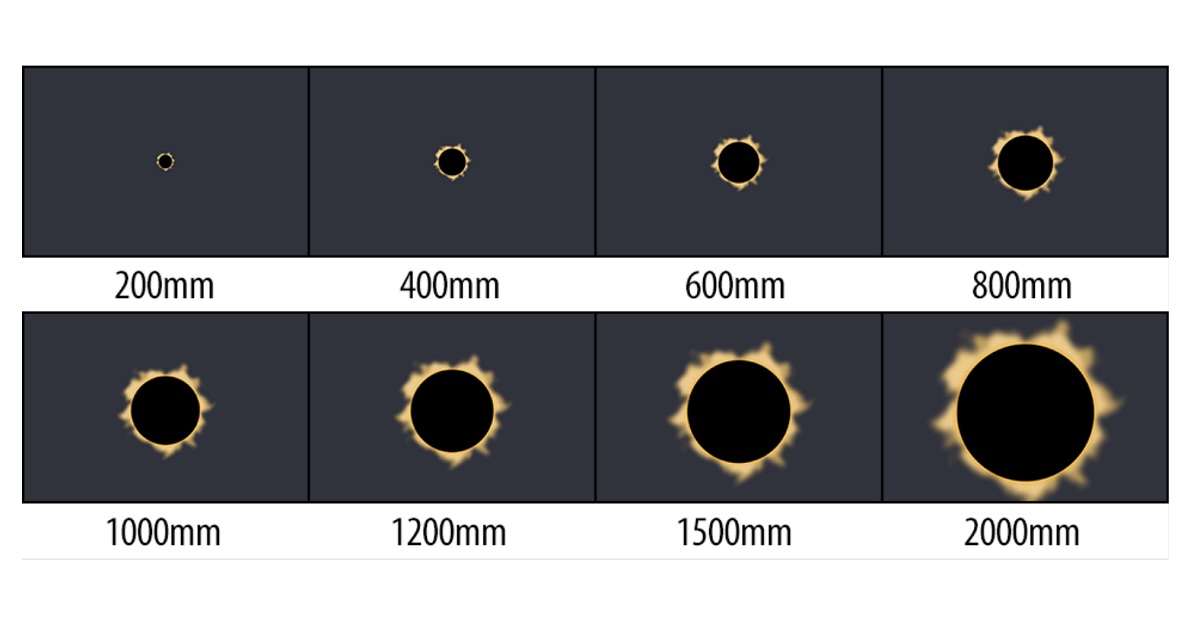
- Lenses: A wide-angle lens (14–24mm) is ideal for capturing the landscape and the reaction of the environment, while a telephoto zoom (200–600mm) is necessary for high-detail shots of the Sun itself.
Looking Toward the Future
The 2026 eclipse is part of a broader cycle of solar events that keep the scientific community in constant motion. For those who miss this opportunity or are thwarted by clouds, the next major event is already on the horizon: the August 2, 2027, total solar eclipse. This event will pass over northern Africa, including Egypt and Libya, and is expected to be one of the longest-lasting eclipses of the century, with over 6 minutes of totality in some locations.
As we look toward August 12, 2026, the event serves as a reminder of our place in the cosmos. It is a rare moment where the ordinary rhythm of life is suspended, and humanity turns its collective gaze upward, reminded of the clockwork precision of our solar system. Whether you are in the historic streets of a Spanish city or the wild, rugged terrain of the Icelandic coast, the 2026 Total Solar Eclipse promises to be a defining memory for a new generation of sky-watchers.