As July draws to a close and the calendar turns toward August, the European continent finds itself in the grip of a meteorological anomaly of unprecedented scale. A monstrous, long-lasting fourth heatwave of the 2026 summer season is currently surging northward from the scorching expanses of North Africa, driven by a textbook atmospheric Omega block. This system has locked a relentless "Heat Dome" over Western and Central Europe, as well as the Mediterranean basin, signaling what climate experts warn could be a record-shattering week of extreme thermal intensity.
The Anatomy of the 2026 Heat Dome
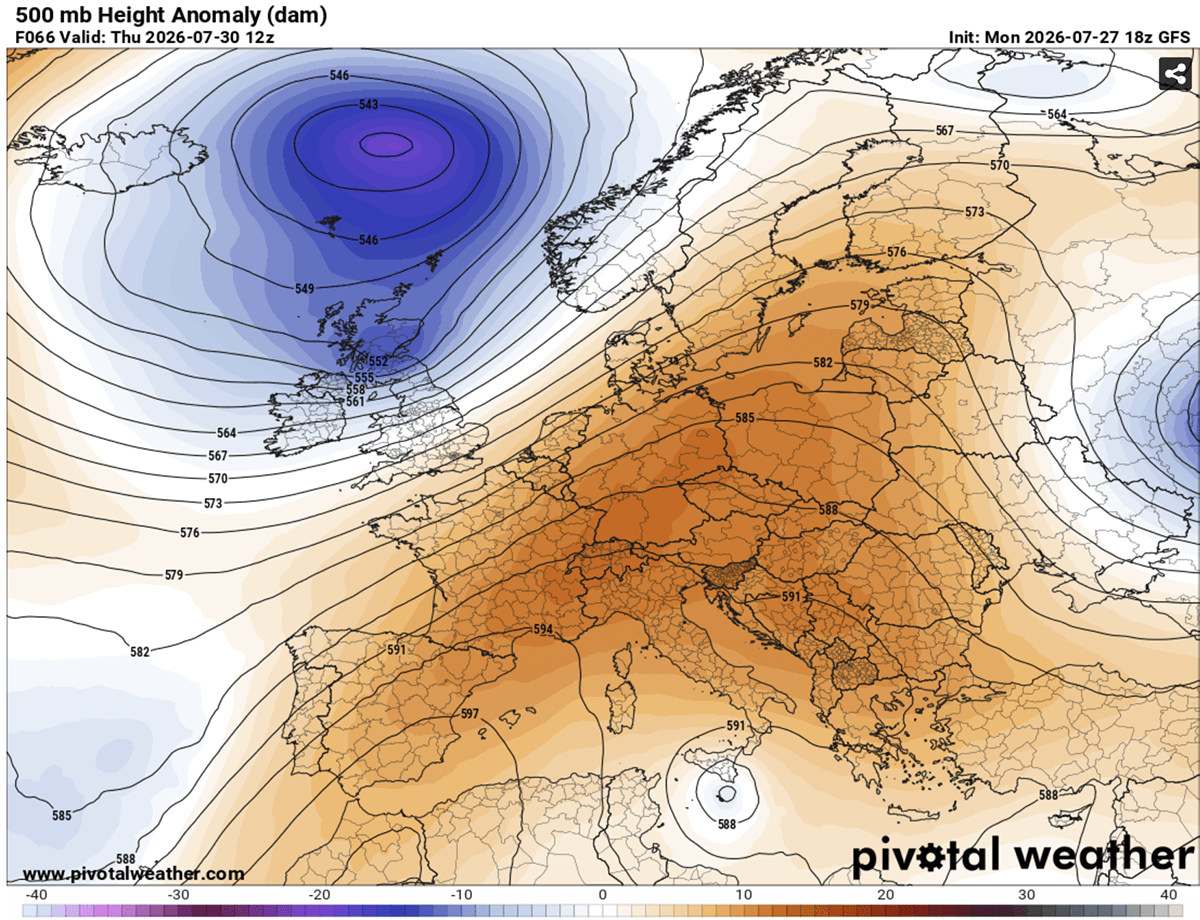
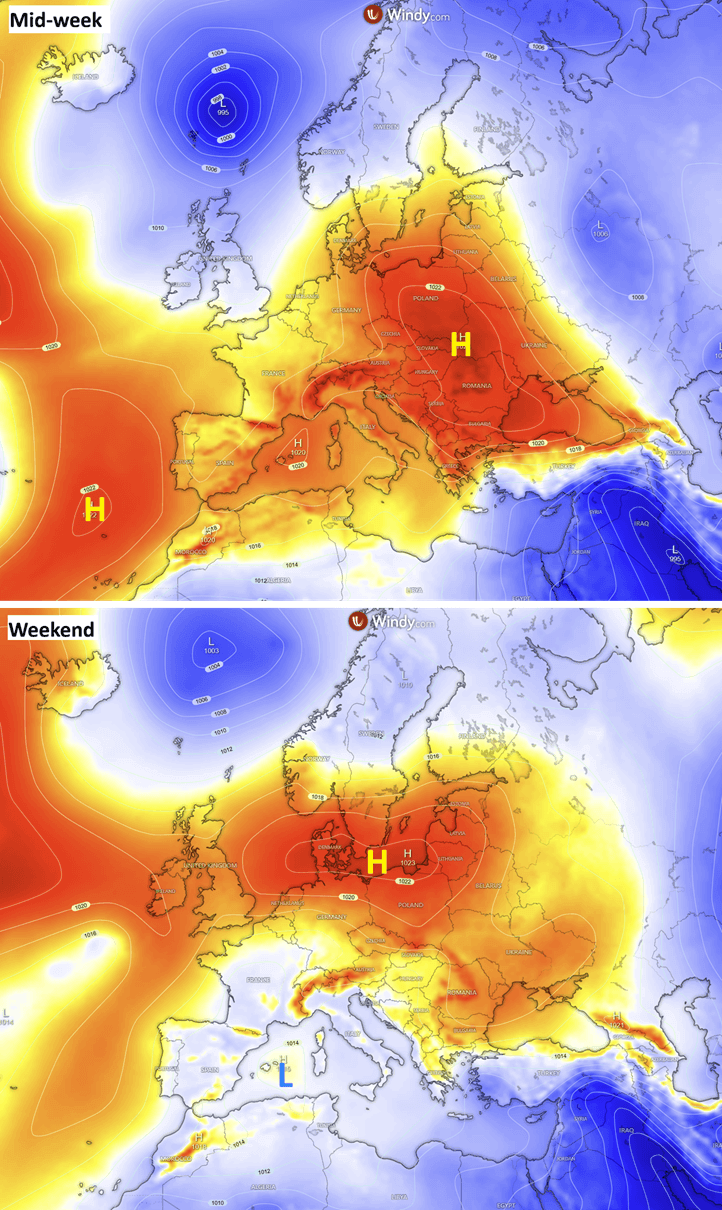
The current meteorological phenomenon is defined by a persistent, high-pressure ridge—often described as an "Omega block" due to its shape on weather maps—which acts as a lid on a pot. This "Heat Dome" traps warm air at all levels of the atmosphere, compressing it and forcing it to sink toward the ground. As this air descends, it heats up adiabatically, resulting in surface temperatures that defy seasonal norms.

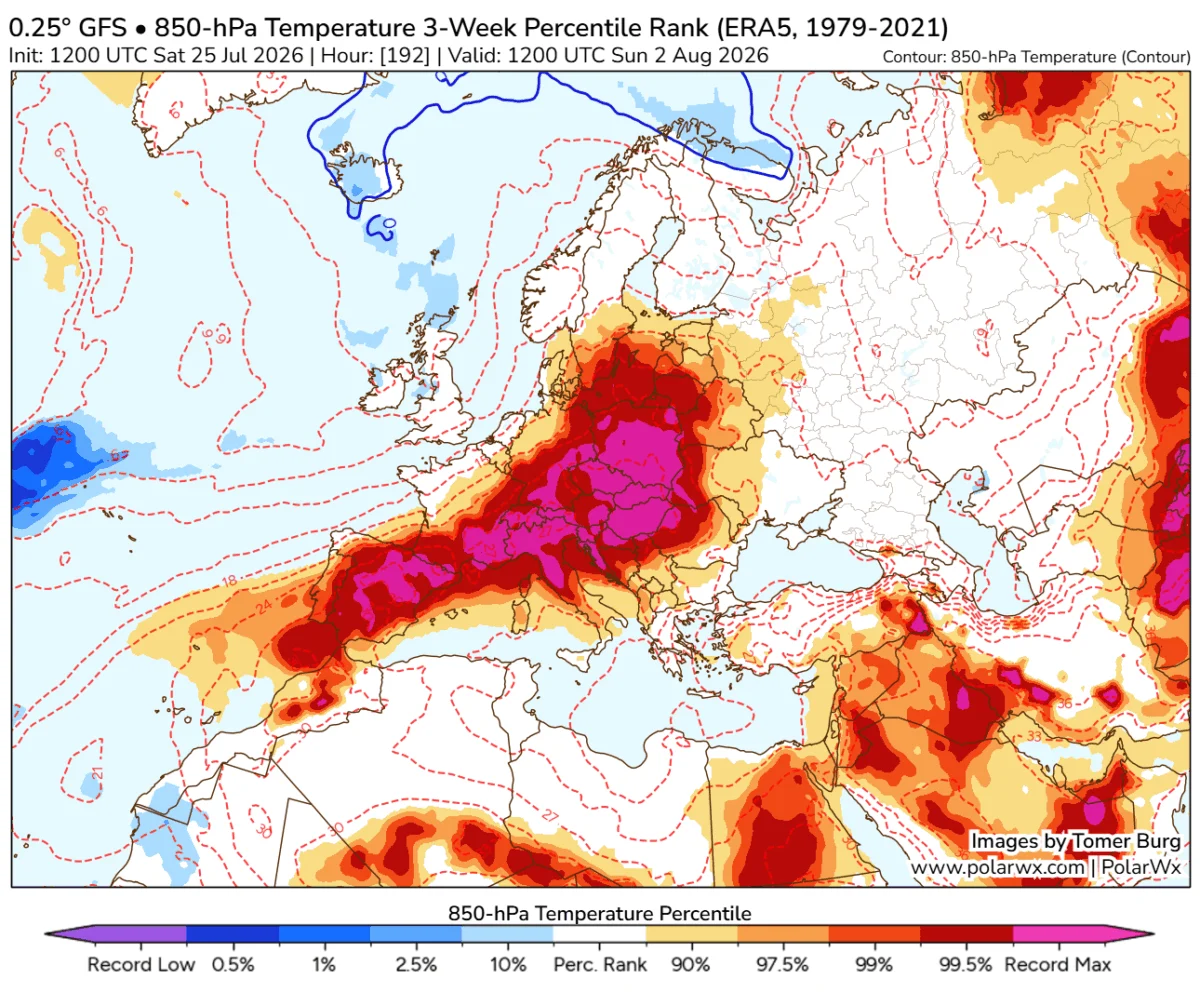
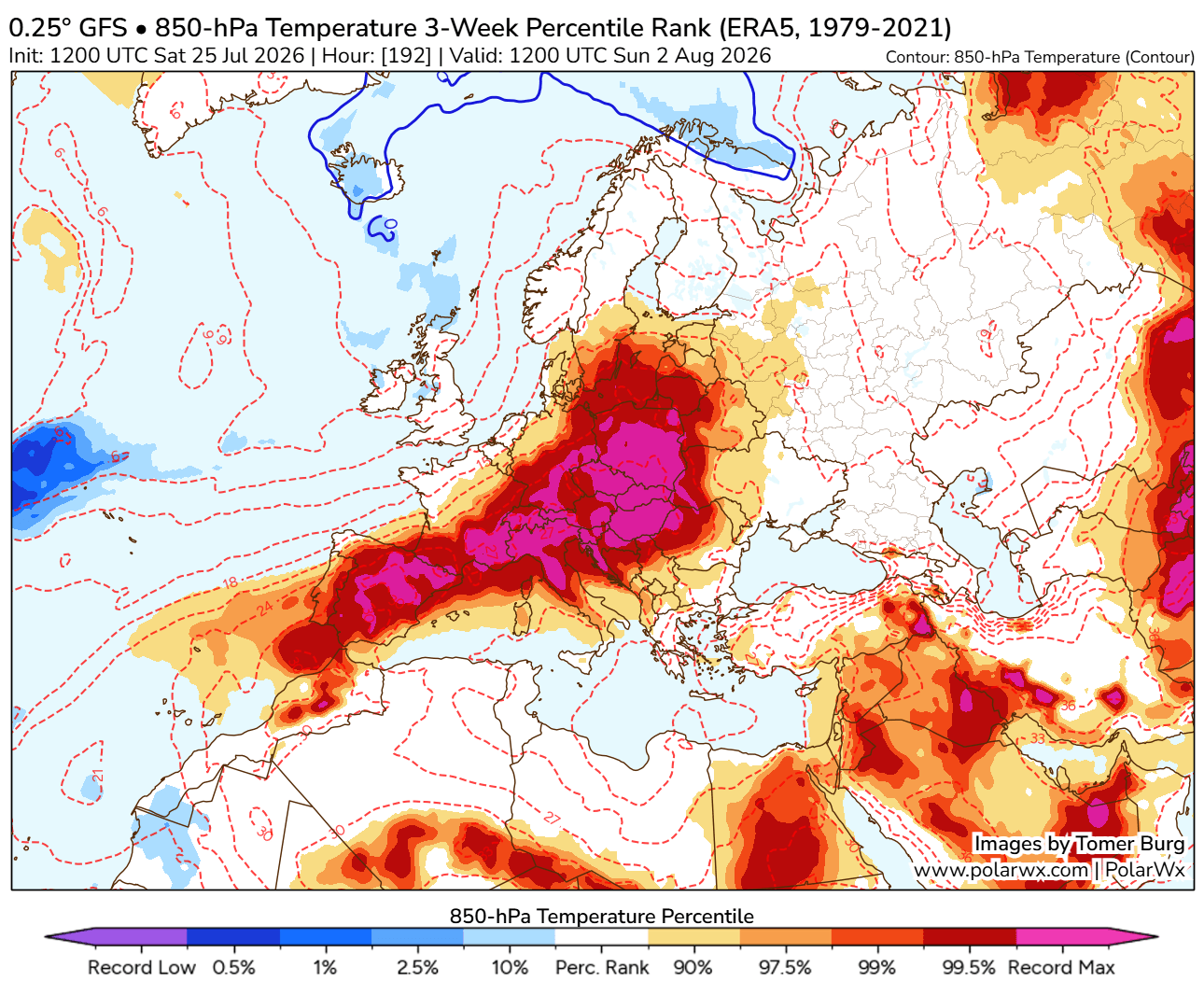
Current high-resolution global ensemble weather models indicate that mid- to upper-air thermal anomalies are tracking well into the 99th percentile. Meteorological data suggests that 850 mbar temperatures—a key metric for measuring air mass heat—could reach levels between 25°C and 28°C, a threshold typically reserved for the most extreme and historic heatwaves on record.
A Chronology of the Approaching Inferno
The progression of this heatwave is structured in a series of intensifying phases, moving from the Iberian Peninsula eastward across the heart of the continent.
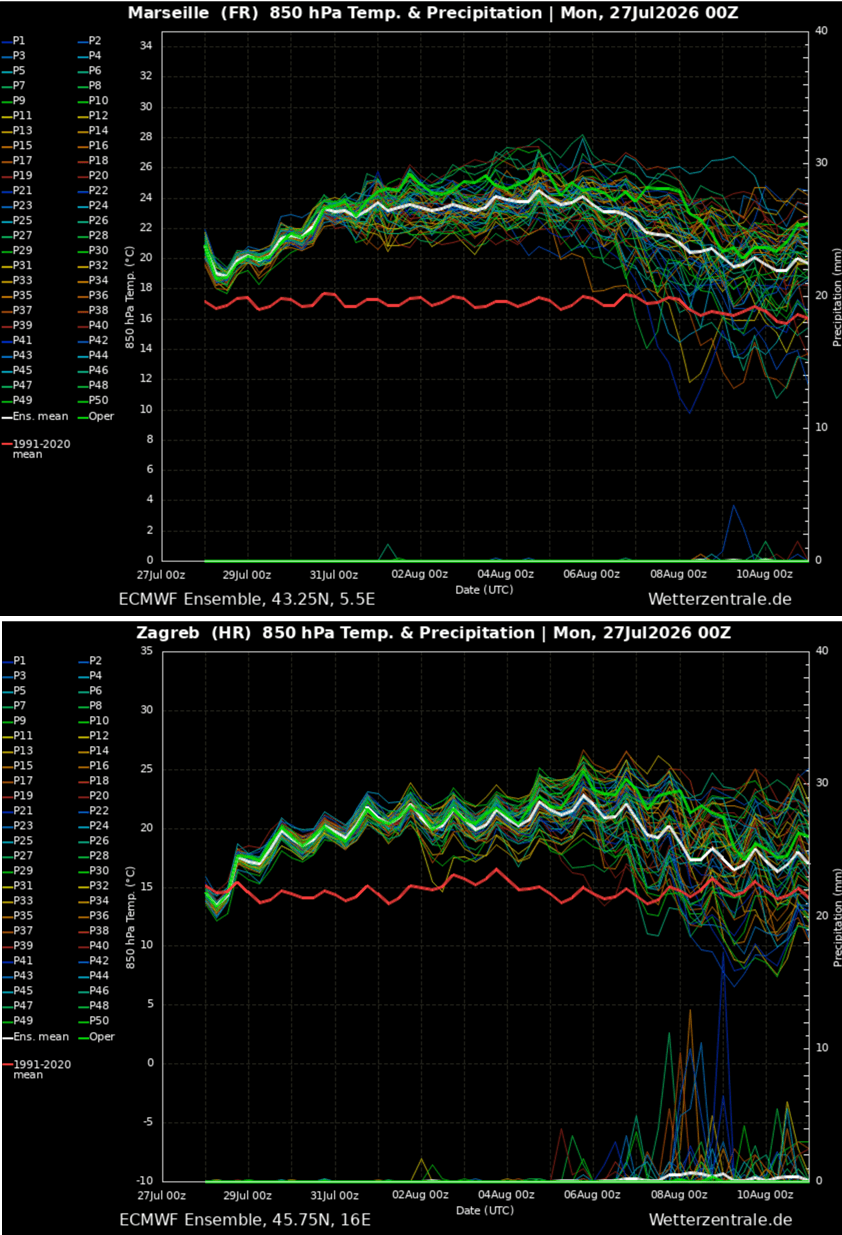
Phase 1: The Iberian Onset (Late July)
Spain and Portugal have been the first to feel the brunt of this Sahara-sourced air mass. By late this week, the region will experience the peak of the heat, with temperatures expected to climb between 42°C and 46°C in the most vulnerable lowlands. The combination of extreme heat and humidity levels plunging below 20 percent has turned the landscape into a tinderbox, heightening the risk of explosive wildfires that threaten to overwhelm local emergency services.
Phase 2: The Continental Surge (Mid-Week)
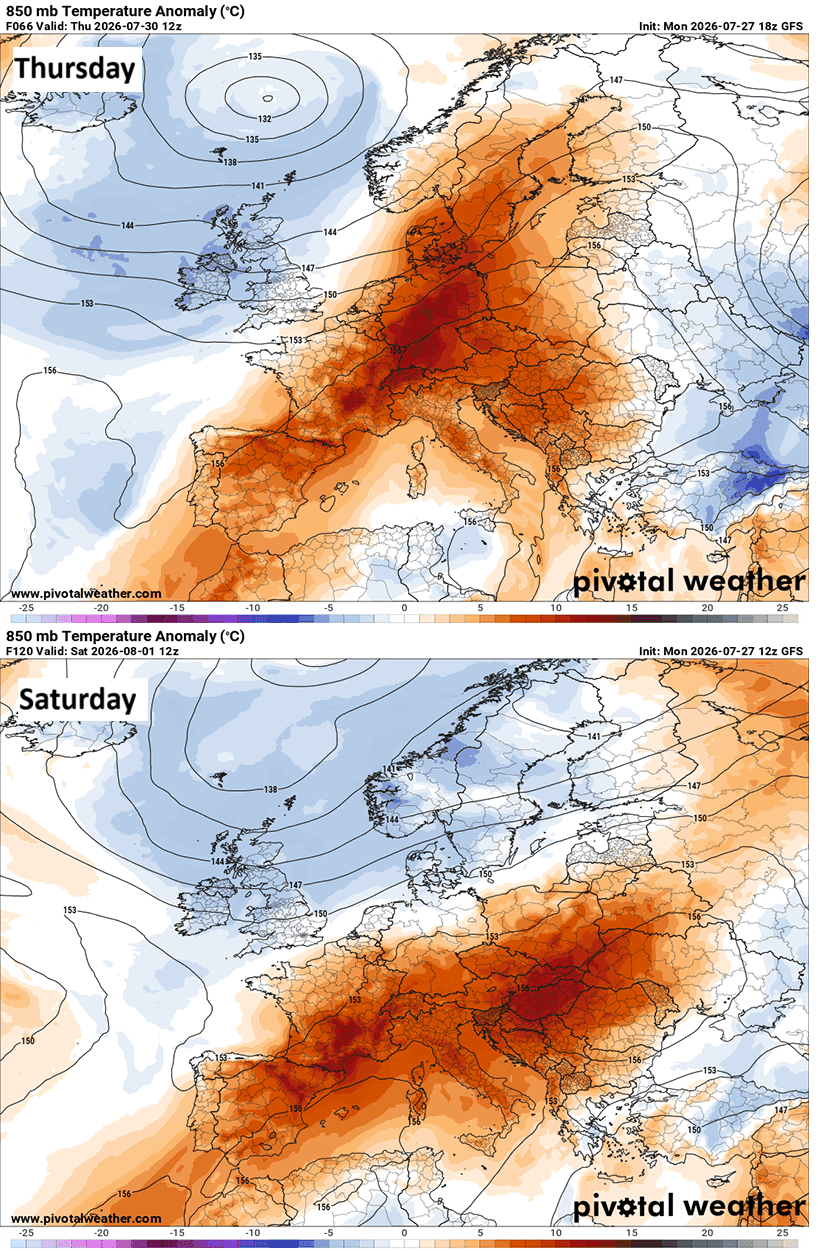
As the ridge migrates, France, the Benelux region, and Germany are facing their most critical period. Mid-week forecasts suggest that western and central France will see temperatures soar between 40°C and 43°C. For Germany and the Benelux, Thursday is projected to be the apex of the heat, with urban centers bracing for readings that could flirt with the 41°C mark.
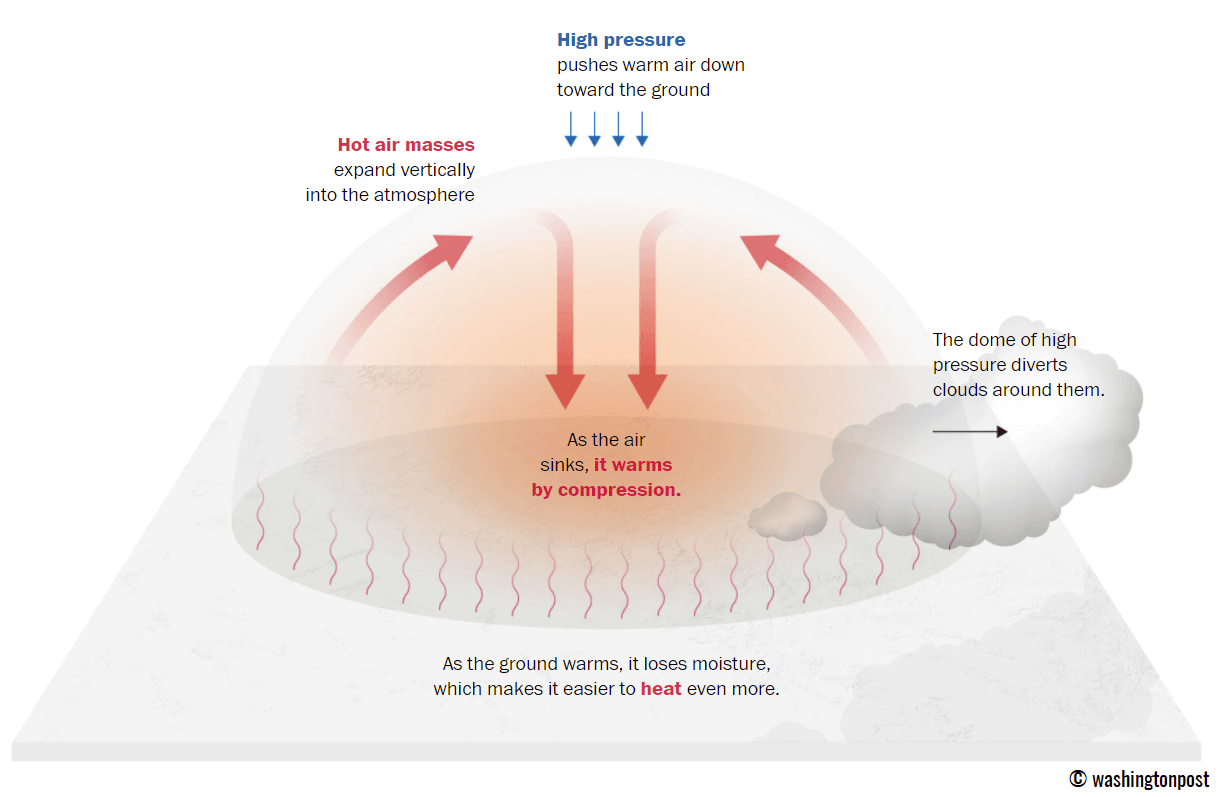
Phase 3: The Balkan and Mediterranean Peak (Weekend)
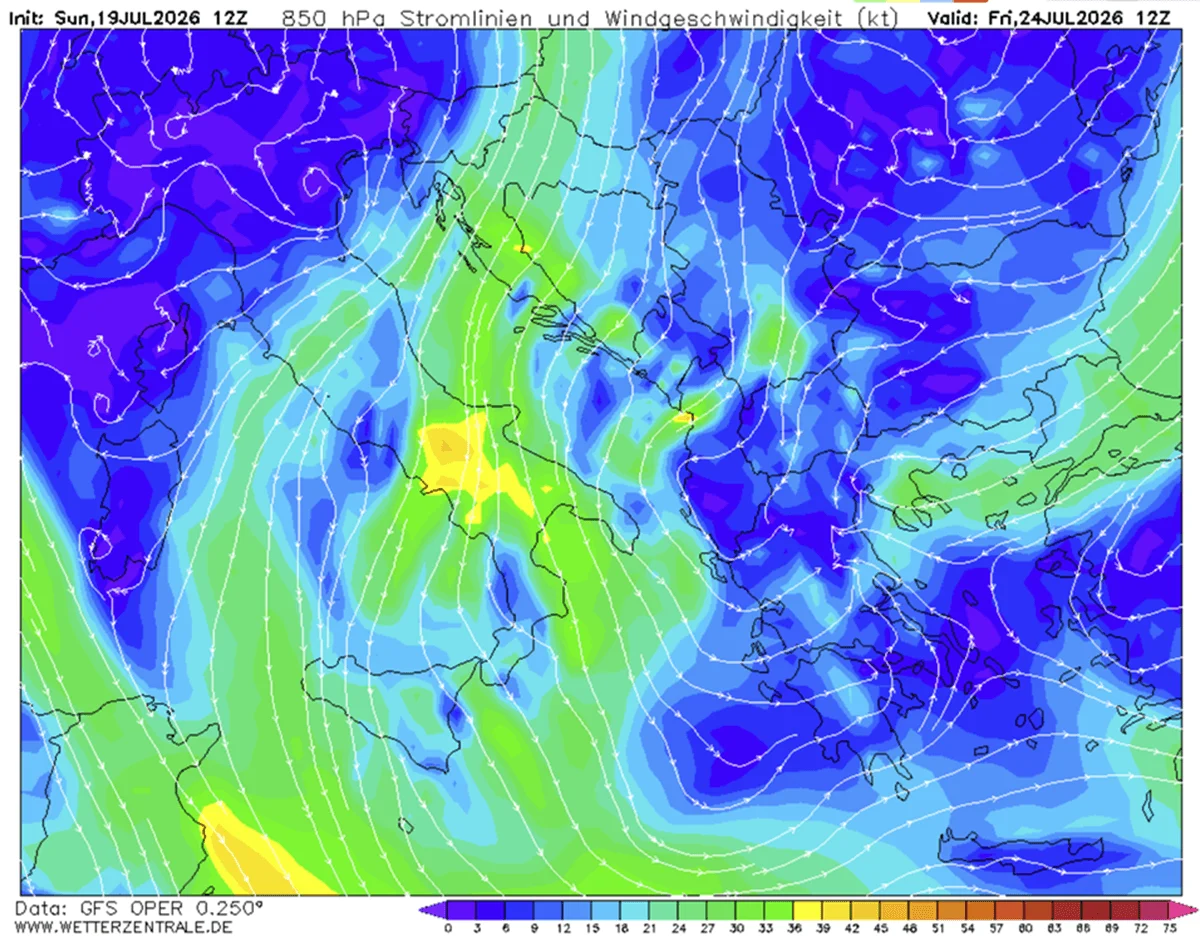
As the Heat Dome shifts its center of gravity toward the southeast, the focus of the crisis moves to Italy, the Pannonian plains, and the Balkans. During the upcoming weekend, parts of northern Italy, Slovenia, Croatia, Bosnia & Herzegovina, Serbia, and Hungary are expected to endure sustained temperatures of 40°C to 43°C. By Sunday, the heat will have expanded its reach into Ukraine, Moldova, and parts of Western Russia, ensuring that the final days of July and the dawn of August remain synonymous with record-breaking physiological stress.
Supporting Meteorological Data
The intensity of this event is underscored by the 500 mbar geopotential heights, which are currently reaching near-record levels. This tropospheric setup creates a feedback loop: the sinking air within the dome promotes surface high-pressure, which in turn dries out the soil, reducing the potential for evaporative cooling and further spiking the temperatures.
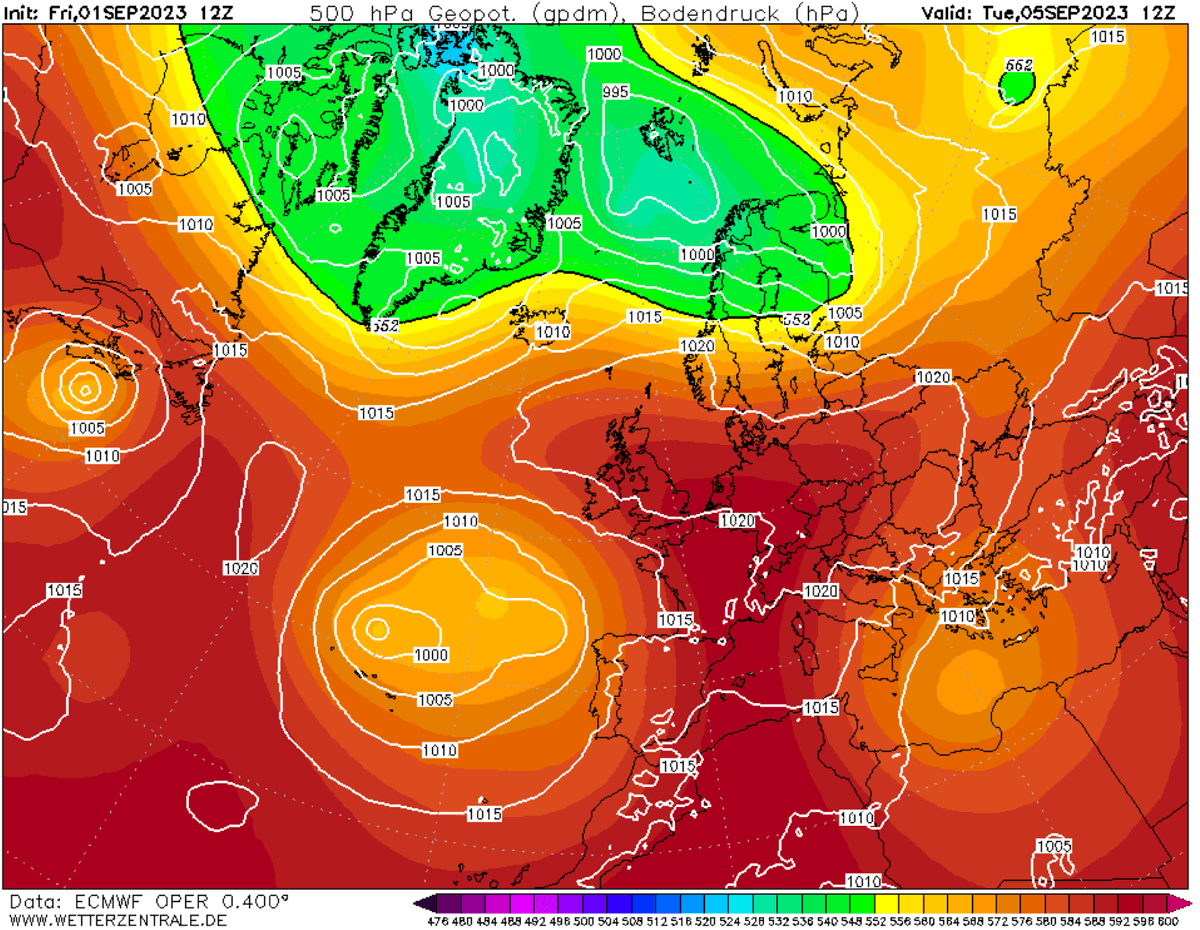
Furthermore, the lack of "nighttime relief" is a significant concern for health authorities. Many regions are bracing for "tropical nights," where temperatures refuse to dip below 25°C. This prevents the human body from recovering from the daily thermal onslaught, compounding the physiological stress on both the elderly and the workforce.
Implications for Public Health and Infrastructure
The human cost of such extreme heat is often obscured by the dry statistics of mercury readings. Health experts emphasize that heat is a "silent killer," and early reports from France and Spain suggest that the current dome has already begun to claim lives.
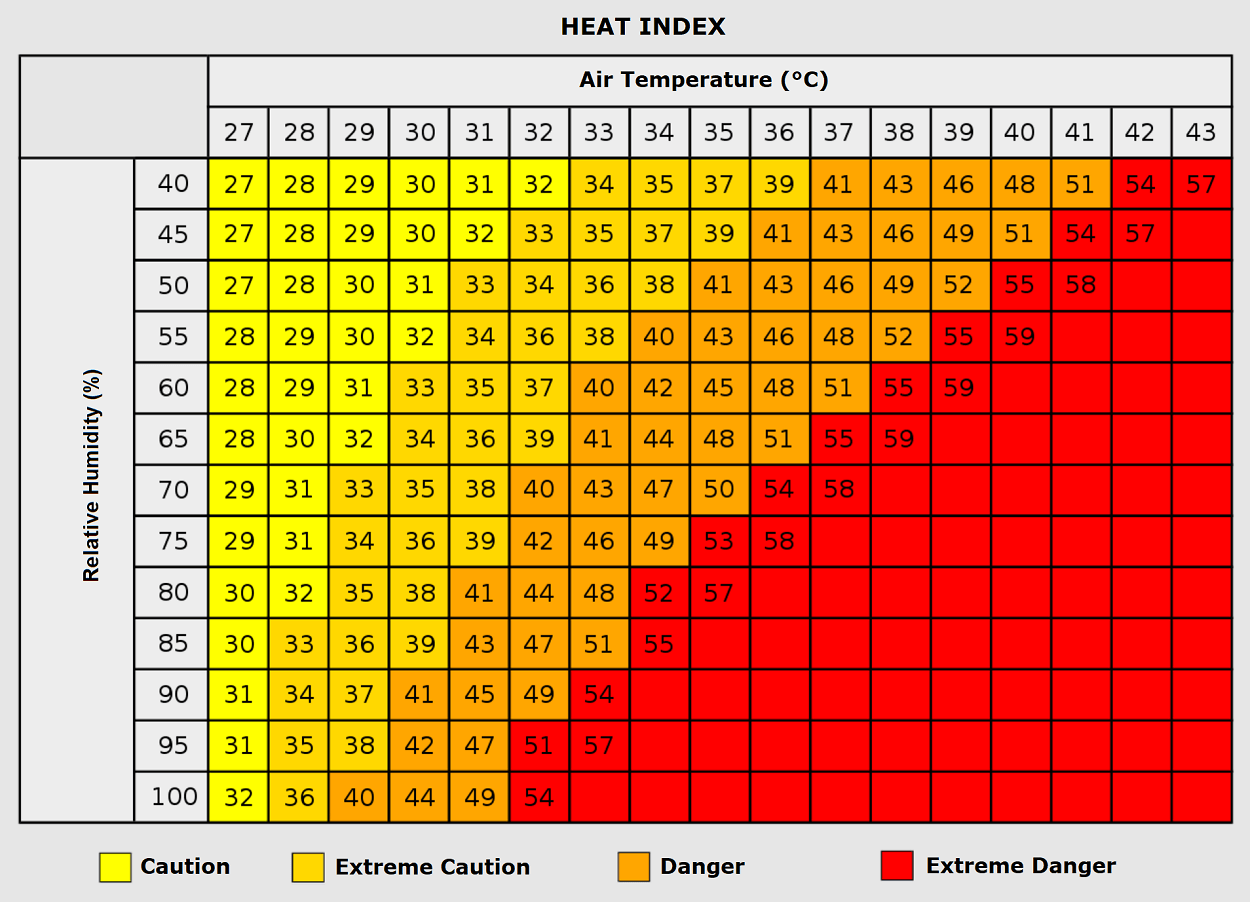
Vulnerable Populations
The elderly, young children, and those with pre-existing cardiovascular or respiratory conditions are at the highest risk of heat exhaustion and heat stroke. Because centralized residential air conditioning remains a rarity across much of Europe, the indoor environment offers little respite from the heat.
The Economic and Occupational Impact
Construction workers, farmers, and delivery personnel face severe risks of heat-related illness. Furthermore, the infrastructure of the continent—from the thermal expansion of rail lines to the strain on the energy grid—is being pushed to its absolute limit. In urban areas, the "urban heat island" effect, where concrete and asphalt absorb and re-radiate heat, will exacerbate the danger for millions of residents living in densely populated districts.
Ecological Disaster: The Wildfire Threat
One of the most dangerous secondary effects of this heatwave is the rapid degradation of moisture in the environment. With relative humidity hovering in the single digits in some regions, forests that have already been dried by previous waves of heat are now highly susceptible to ignition.
The combination of the Heat Dome and strong, dry winds creates an environment ripe for "mega-fires." Emergency services in southern France, Spain, and the Balkan region are on high alert, as the potential for uncontrollable wildfires increases daily. The lack of soil moisture not only threatens the wildfire outlook but also spells disaster for agriculture, with crop yields in Central Europe facing a significant decline due to the ongoing drought conditions exacerbated by this latest surge.
Official Responses and Public Safety Measures
Governments across Europe have begun to issue red-level heat alerts. In Italy and the Balkans, health ministries are advising citizens to avoid outdoor activities during the peak hours of 11:00 AM to 6:00 PM. Municipalities are opening cooling centers, while social services are conducting wellness checks on the most vulnerable residents.
Despite these preparations, meteorologists warn that the duration of this heatwave—projected to last for nearly two weeks—will test the limits of even the most robust emergency response systems. The persistence of the Omega block means that relief will be slow to arrive, and only the northern reaches of Scandinavia and the British Isles can expect a return to near-normal temperatures through the aid of maritime air masses.
Conclusion: A New Normal?
The events of late July and early August 2026 are part of an increasingly volatile climate pattern. While the specific mechanism behind this event is a classic, high-pressure Omega block, the frequency and intensity of these "Heat Domes" over the last several years have raised significant questions about long-term atmospheric shifts.
As this, the fourth major heatwave of the season, continues to unfold, residents are urged to remain vigilant. With the potential for the Heat Dome to persist or even expand further into mid-August, the situation remains fluid. Authorities and climate experts continue to monitor the models, urging the public to prioritize hydration, shade, and safety as Europe faces what is undoubtedly one of the most punishing meteorological events of the decade.
For the latest updates on the evolving 2026 summer forecast, monitor local meteorological reports and emergency directives closely. Stay safe, stay cool, and prepare for extended periods of extreme heat.