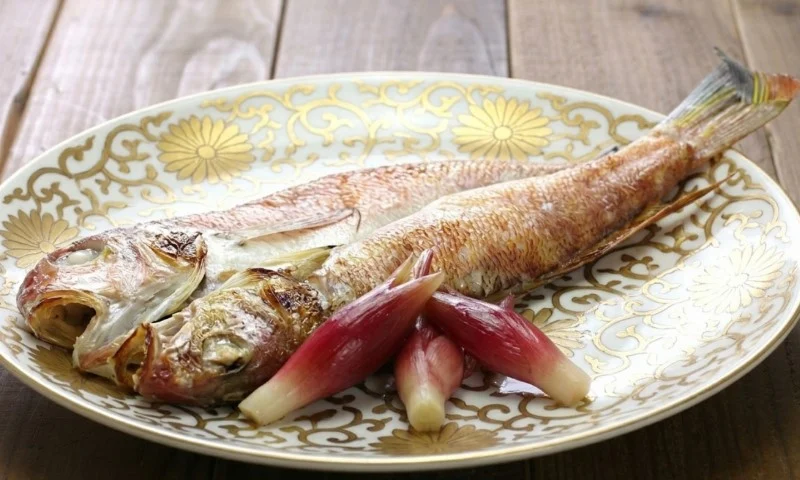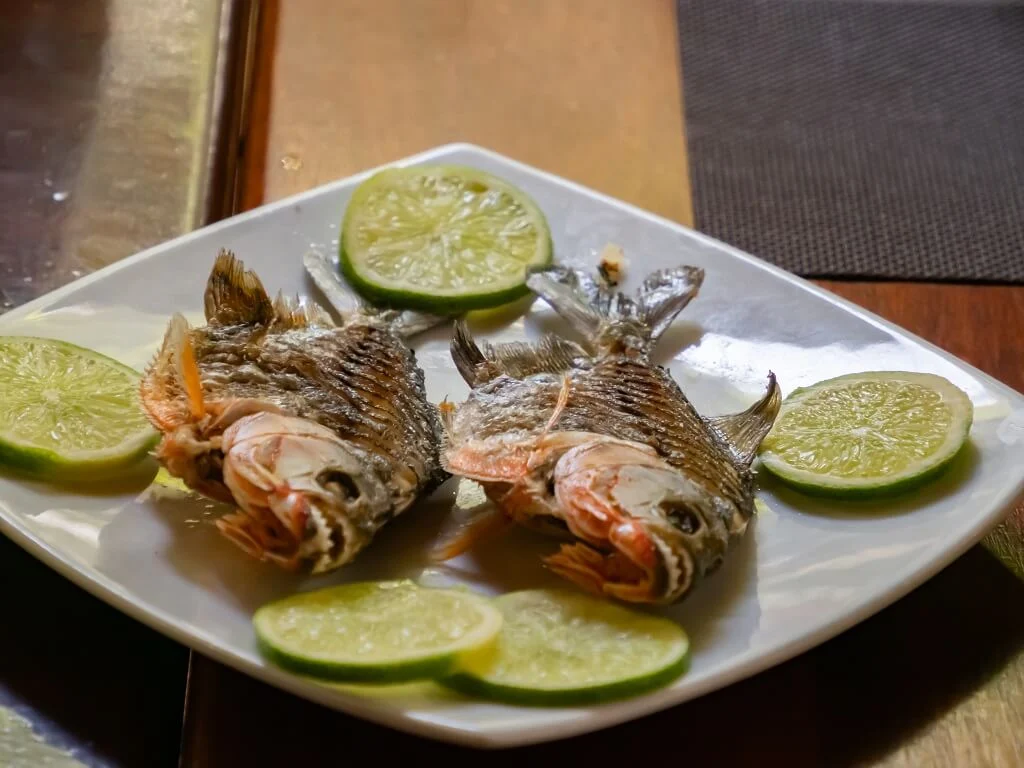
For generations, the piranha has been the villain of the South American river system, depicted in cinema as a ravenous, flesh-stripping nightmare. However, for the people living along the Amazon and Orinoco basins, the piranha is not a horror-movie antagonist—it is a staple protein. Beyond the sharp teeth and the Hollywood-inflated reputation lies a legitimate food source that is firm, white, and surprisingly palatable.
This guide explores the culinary reality of the piranha, separating the facts from the fiction while providing essential guidance for the adventurous traveler.
Main Facts: The Culinary Reality of Piranha
The fundamental question—can you eat piranha?—is answered with a definitive "yes." In South America, piranha is a standard freshwater catch. It is regularly prepared as a grilled main course, a crispy fried snack, or the centerpiece of a nutrient-dense soup.
From a biological standpoint, the piranha is a freshwater fish with firm, white, flaky meat. Its flavor profile is comparable to other white-fleshed river fish, such as tilapia or bass, though it often carries a more distinct "freshwater" intensity. This intensity is directly linked to the water quality of its habitat; fish harvested from clear, flowing tributaries often have a cleaner, milder taste than those taken from stagnant, silt-heavy oxbow lakes.
The primary hurdle for the uninitiated diner is not the taste, but the anatomy. Piranhas are notoriously bony. Unlike farm-raised fillets, wild-caught piranha requires a degree of patience and technical skill to consume, which is why many traditional Amazonian recipes favor whole-fish preparation or slow-simmered soups that allow the flesh to be easily separated from the skeletal structure.
Chronology of a Reputation: From River Fish to Monster
To understand why so many people are surprised that piranhas are edible, one must look at the creature’s cultural timeline.
- Pre-20th Century: Indigenous populations in the Amazon basin have utilized the piranha as a primary food source for centuries. The fish’s sharp, interlocking teeth were historically fashioned into tools and weaponry, while the meat provided essential protein.
- Early 1900s: Explorers and naturalists began introducing the piranha to Western audiences with tales of "man-eating" shoals. These accounts, often embellished, were picked up by early 20th-century media, cementing the "predator" archetype.
- Mid-to-Late 20th Century: The horror film genre solidified the piranha’s status as a monster. Movies like the 1978 Piranha series turned the fish into a cultural icon of danger, overshadowing its role as a local food resource.
- Modern Era: With the rise of global tourism and "adventure dining," culinary explorers are beginning to reclaim the piranha. Travel bloggers and culinary experts are now documenting the reality: while the fish can bite, it is just as susceptible to a frying pan as any other species.
Supporting Data: Understanding the Anatomy and Nutrition
When analyzing the viability of the piranha as food, several technical factors come into play.
The Taste and Texture Matrix
| Feature | Description |
|---|---|
| Flavor Profile | Mild to moderately fishy, influenced heavily by water quality. |
| Flesh Quality | Firm and white; high in protein. |
| Bone Density | High; requires careful consumption or specific preparation. |
| Best Serving Style | Whole (fried/grilled) or deconstructed in soups. |
The Safety Protocol
The safety of eating piranha is governed by the same universal rules of ichthyology and food safety as any other freshwater fish. The species itself is not poisonous; however, environmental factors are paramount.
According to guidelines from the U.S. Food and Drug Administration (FDA) and the Environmental Protection Agency (EPA), fish caught in the wild should be evaluated for:
- Bioaccumulation: High-trophic-level fish in certain polluted waterways can concentrate mercury.
- Parasite Loads: Thorough cooking is non-negotiable. FoodSafety.gov mandates an internal temperature of 145°F (63°C) to neutralize potential pathogens.
- Handling: Post-catch spoilage is rapid in tropical climates. Proper evisceration and immediate cooling are required to maintain quality.
Official Responses and Regulatory Implications
For those looking to try piranha outside of its native range, the legal landscape is complex. Because piranhas are considered an invasive threat to local ecosystems, many countries—including the United States and parts of Europe—have strict regulations regarding their importation, sale, and even private ownership.
Import and Ownership Constraints
- Invasive Species Risk: Many jurisdictions ban the importation of live piranhas to prevent their accidental release into native waterways, where they could outcompete local species.
- Market Availability: Because of these regulations, you will almost never find fresh piranha at a standard Western grocery store. It is essentially an "experiential" food, intended to be enjoyed in its native environment.
- Environmental Responsibility: Authorities urge travelers not to attempt to bring preserved or frozen piranha specimens across borders, as this can violate agricultural import laws and biodiversity protections.
The Practicalities: Handling and Culinary Techniques
If you find yourself on a guided fishing trip in the Amazon, you will likely encounter the piranha in its element. Handling the fish is where the "monster" reputation has a grain of truth.
Safe Handling Guidelines
The danger of a piranha is not a sudden, unprovoked attack on a swimmer, but rather the defensive bite of a caught fish.
- Use Tools: Never use your fingers to remove a hook. Use long-nosed pliers or a specialized hook-removal tool.
- Stabilization: Keep the fish firmly pressed against a cutting board or the bottom of the boat. Do not attempt to hold it by the gills or mid-section with bare hands.
- Respect the Teeth: Even a small piranha can inflict a laceration that requires stitches. Treat the mouth area with extreme caution.
Culinary Preparation
To make the most of the meat, focus on these three methods:
- The "Whole Fry": By scoring the skin and frying the fish whole, you create a crispy texture that masks the annoyance of the bones. Eating with your hands is common, allowing you to peel the meat away from the ribs.
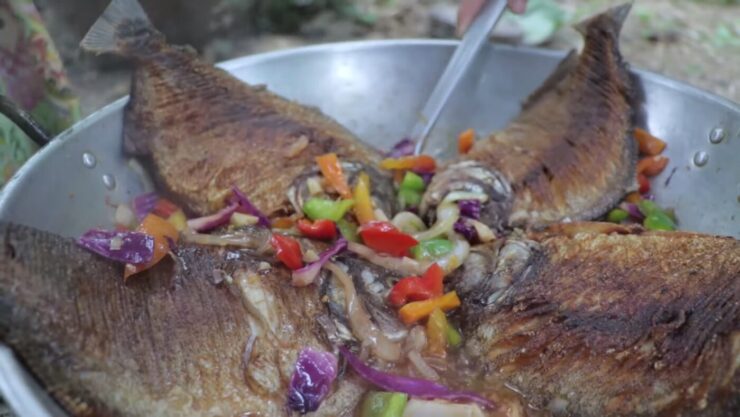
- The Amazonian Stew: This is the most efficient way to handle bony fish. By simmering the fish with local aromatics—tomatoes, peppers, lime, and cilantro—the meat naturally detaches from the bone, creating a flavorful, nutrient-dense broth.
- Grilled over Open Flame: A simple rub of salt and lime juice is all that is required. The key is to avoid overcooking; because the meat is lean, it can dry out quickly.
The Verdict: Myth vs. Reality
The piranha is perhaps the most misunderstood animal in the culinary world. It is neither the unstoppable killer of the silver screen nor a delicacy that deserves a place on every table. It is, quite simply, a fish.
For the traveler, consuming piranha is a way to engage with the local culture of the Amazon. It is an exercise in respecting the environment, understanding local food systems, and letting go of the sensationalized narratives that define much of our perception of the natural world.
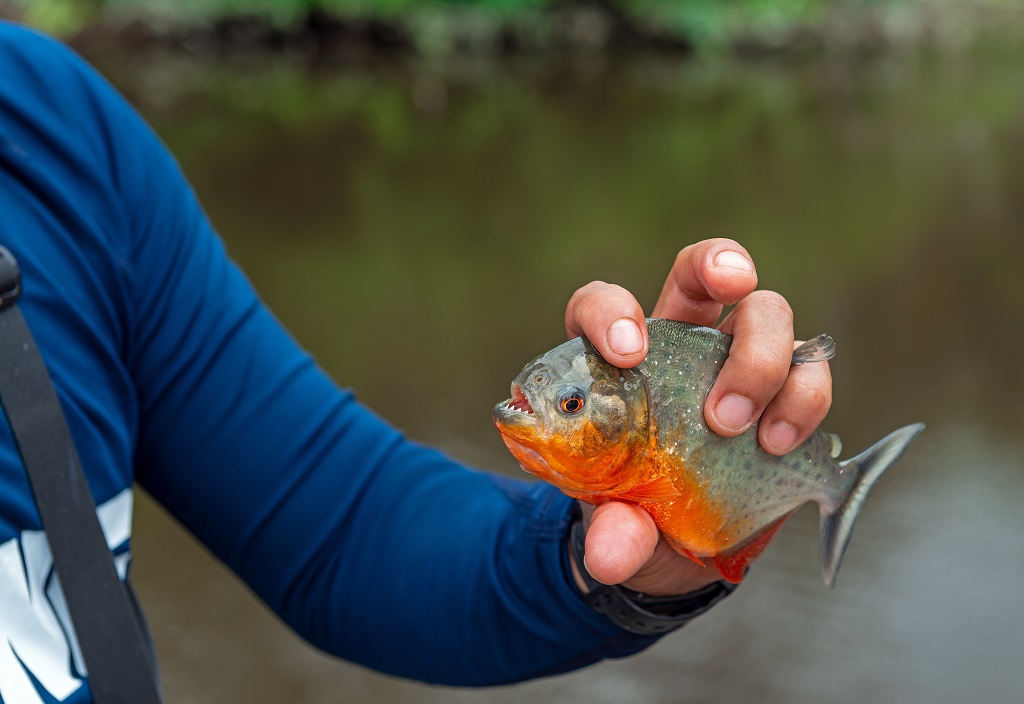
When you sit down at a riverside lodge in Brazil or Peru and are presented with a plate of crispy, fried piranha, remember that you are participating in a tradition as old as the river itself. Respect the bones, mind the teeth during the catch, and appreciate the flavor of a species that has finally been stripped of its monstrous reputation and returned to its rightful place: on the menu.
FAQ: Addressing Common Misconceptions
Q: Is it safe to swim in water where piranhas are present?
A: Generally, yes. Attacks on humans are exceedingly rare. Most injuries occur during fishing or when the water level is extremely low, causing the fish to become stressed and desperate for food. Avoid swimming with open wounds or near areas where fish are being cleaned.
Q: Can I raise piranhas for food in my home country?
A: It is highly discouraged and often illegal. Most residential environments cannot provide the proper conditions for the fish, and the risk of the fish entering the local water supply poses a severe ecological risk.
Q: Why are there so many bones?
A: Like many other members of the Characidae family, piranhas have an intricate system of intermuscular bones. This is a common trait in many freshwater species and is the primary reason the fish is rarely sold as a boneless fillet.
Q: Does it taste like chicken?
A: No. It has the distinct, clean, and sometimes earthy profile of a freshwater fish. It is best compared to trout or bream.