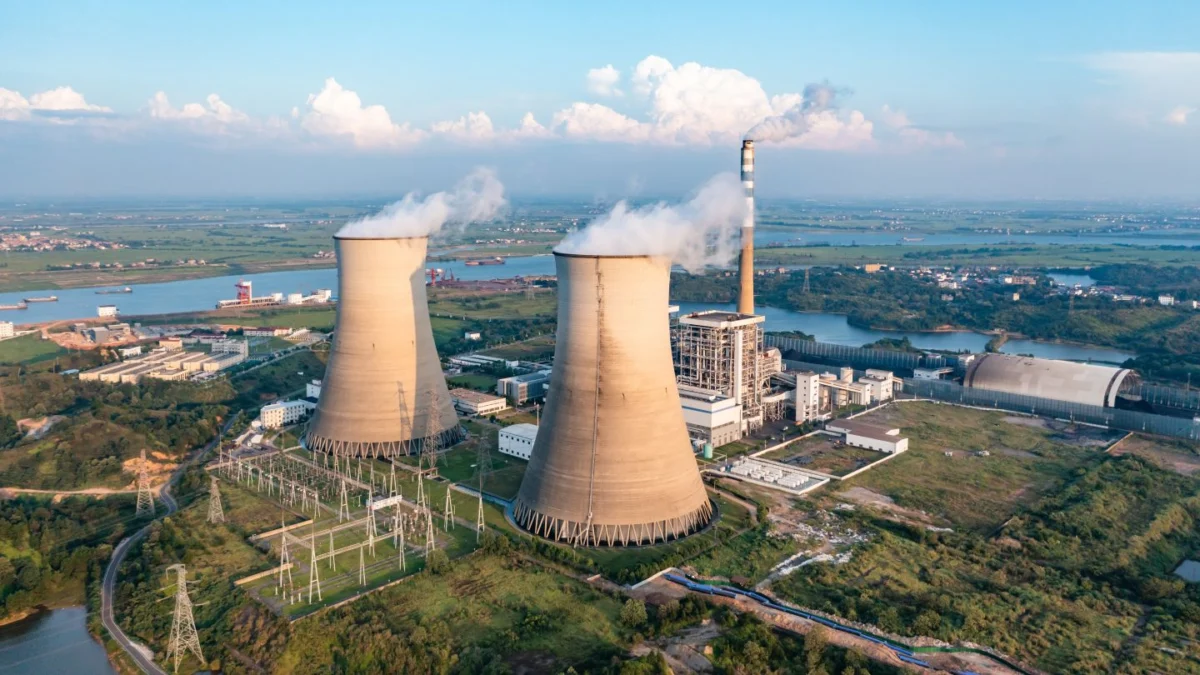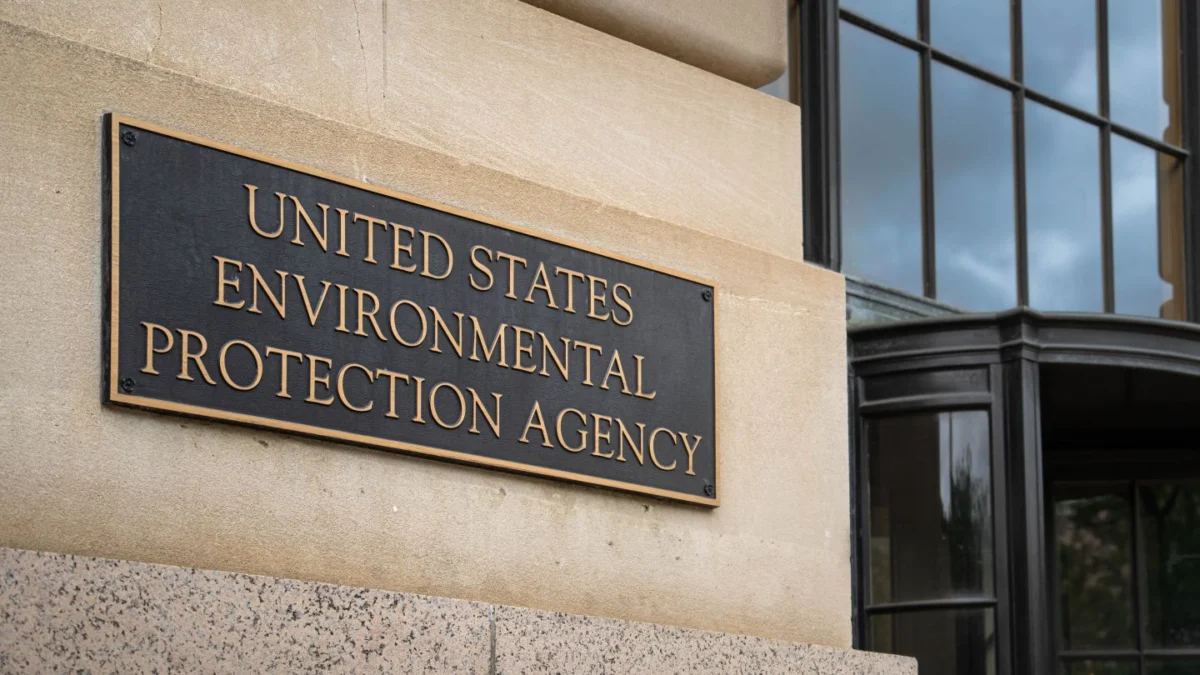
HOUSTON, Texas – In a move that signals a seismic shift in American environmental policy, the US Environmental Protection Agency (EPA) has officially repealed the majority of federal carbon emission standards governing coal and gas-fired power plants. The announcement, delivered by EPA Administrator Lee Zeldin at the G20 Energy Abundance Ministerial in Houston, marks the culmination of a broader effort by the current administration to dismantle the regulatory framework established during the Biden presidency.
By targeting the 2024 Carbon Pollution Standards, the administration claims it is correcting a course it describes as an “overreach” that threatened grid reliability and economic competitiveness. Federal officials project that this massive deregulation will yield approximately $310 billion in savings for the energy sector, while simultaneously paving the way for a resurgence in domestic coal production.
Main Facts: A Regulatory Reversal
The EPA’s latest action is not merely a tweak to existing guidelines but a fundamental reinterpretation of the agency’s mandate under the Clean Air Act (CAA). The core of the policy change is the elimination of requirements that forced power plants to implement carbon capture and sequestration (CCS) technologies—technologies that the current EPA leadership argues are not yet “adequately demonstrated” for large-scale, commercial application.
Under the previous administration, the 2024 standards were intended to drive the power sector toward a net-zero future by 2035. However, the new EPA leadership contends that those mandates effectively forced the premature retirement of reliable baseload power plants. Beyond the repeal of current standards, the agency has now formally proposed the rescission of all remaining greenhouse gas (GHG) regulations for the power sector. If finalized, this secondary proposal is expected to cut an additional $370 million in direct compliance costs for utility operators.
Chronology: From “War on Coal” to “Energy Dominance”
To understand the gravity of the Houston announcement, one must trace the decade-long tug-of-war over US energy policy:
- 2009–2016: The Obama administration initiates the “Endangerment Finding,” asserting that GHG emissions threaten public health, leading to the creation of the Clean Power Plan.
- 2017–2020: The Trump administration attempts to roll back these regulations, arguing that the EPA lacks the authority to reshape the nation’s energy grid.
- 2021–2024: The Biden administration reinstates aggressive climate goals, culminating in the 2024 Carbon Pollution Standards, which mandated strict emissions limits on coal and gas plants.
- 2024–2025: Following a series of Supreme Court challenges and a change in executive leadership, the EPA begins systematic dismantling of the Biden-era regulatory architecture.
- September 2026: At the G20 Energy Abundance Ministerial, Administrator Lee Zeldin announces the repeal of existing standards and the initiation of a process to strip away remaining GHG oversight, effectively signaling the end of the federal climate mandate for the power sector.
Supporting Data and Economic Projections
The economic argument for the repeal centers on the cost of compliance versus the stability of the grid. According to the EPA’s internal analysis, the 2024 standards imposed a significant financial burden on utility companies, costs which are ultimately passed down to the American ratepayer.
The $310 billion in projected savings represents a combination of avoided capital expenditure on unproven carbon-scrubbing technologies and the extended operational life of existing fossil-fuel assets. Furthermore, the agency has signaled that coal production is expected to increase “substantially” in the coming years as market forces—rather than federal mandates—determine the energy mix.
The administration’s data also suggests that by removing the regulatory ceiling on carbon emissions, the US can provide more affordable electricity to energy-intensive industries, such as AI data centers and manufacturing hubs, which have recently faced power shortages.
Official Responses: A Divided Political Landscape
The announcement in Houston was attended by key architects of the new energy policy, including Secretary of the Interior Doug Burgum and Jarrod Agen, executive director of the National Energy Dominance Council.
The Administration’s Stance
Administrator Lee Zeldin framed the decision as a moral and economic imperative. “For over 15 years, the Obama and Biden administrations implemented a war on coal to destroy reliable and affordable energy,” Zeldin stated. “The Trump Administration has come in to protect American energy and to make sure you can afford to keep the lights on. Americans will see a decrease in electricity prices, but this is just the beginning.”
Zeldin emphasized that the EPA’s new posture is designed to “fully unleash” American energy potential, suggesting that the era of climate-focused regulation is being replaced by an era of energy abundance.
Legal and Constitutional Basis
Central to the EPA’s justification is the Supreme Court’s landmark ruling in West Virginia v. EPA. The agency now asserts that Section 111 of the Clean Air Act was never intended to grant the EPA the power to force a “system-wide” transition away from fossil fuels. By repealing the 2009 Endangerment Finding, the agency is attempting to codify the legal position that the EPA does not possess the statutory authority to regulate emissions specifically for the purpose of addressing global climate change.
Implications: A Future Without Federal Climate Oversight
The ramifications of this policy shift are vast, touching upon grid security, international diplomacy, and environmental health.
1. Grid Reliability vs. Decarbonization
Proponents of the repeal argue that the US electrical grid has been pushed to the brink by the forced retirement of coal plants. By allowing these plants to remain in operation, the administration believes it is securing the nation’s “baseload” power. However, environmental advocacy groups warn that this shift ignores the long-term risks of climate-induced extreme weather, which they argue necessitates a faster transition to renewables and battery storage.
2. The Future of the Clean Air Act
By challenging the Endangerment Finding, the EPA is inviting a potential new wave of litigation that could reach the Supreme Court once again. If the judiciary supports this narrow interpretation of the CAA, it could permanently limit the ability of future administrations to use the EPA as a vehicle for environmental reform without explicit, new legislation from Congress.
3. Impact on the Global Energy Market
The choice to make this announcement at the G20 Energy Abundance Ministerial was intentional. It signals to international partners that the US is prioritizing its own energy security over the consensus-driven climate goals championed by the G20 in recent years. This could lead to a decoupling of US energy policy from European and Asian partners who remain committed to the Paris Agreement.
Next Steps: The Public Process
Despite the definitive tone of the announcement, the EPA is following the required regulatory procedures. The agency has scheduled a public hearing to take place 15 days after the formal notice appears in the Federal Register. This will be followed by a 45-day public comment period.
While the outcome of these hearings is widely expected to result in the finalization of the repeal, the process remains a critical venue for industry stakeholders, environmental NGOs, and state attorneys general to voice their support or opposition.
As the US enters this new phase of "Energy Dominance," the debate over whether the environment or the economy should take precedence remains the defining tension of the era. With coal production poised for a resurgence and federal climate mandates being systematically dismantled, the American energy landscape is undergoing its most significant transformation since the Industrial Revolution. Whether this move leads to the promised era of low-cost prosperity or a new environmental crisis is a question that will be answered by the markets and the climate alike in the coming decade.