Introduction: A New Milestone in Tamil Nadu’s Power Grid
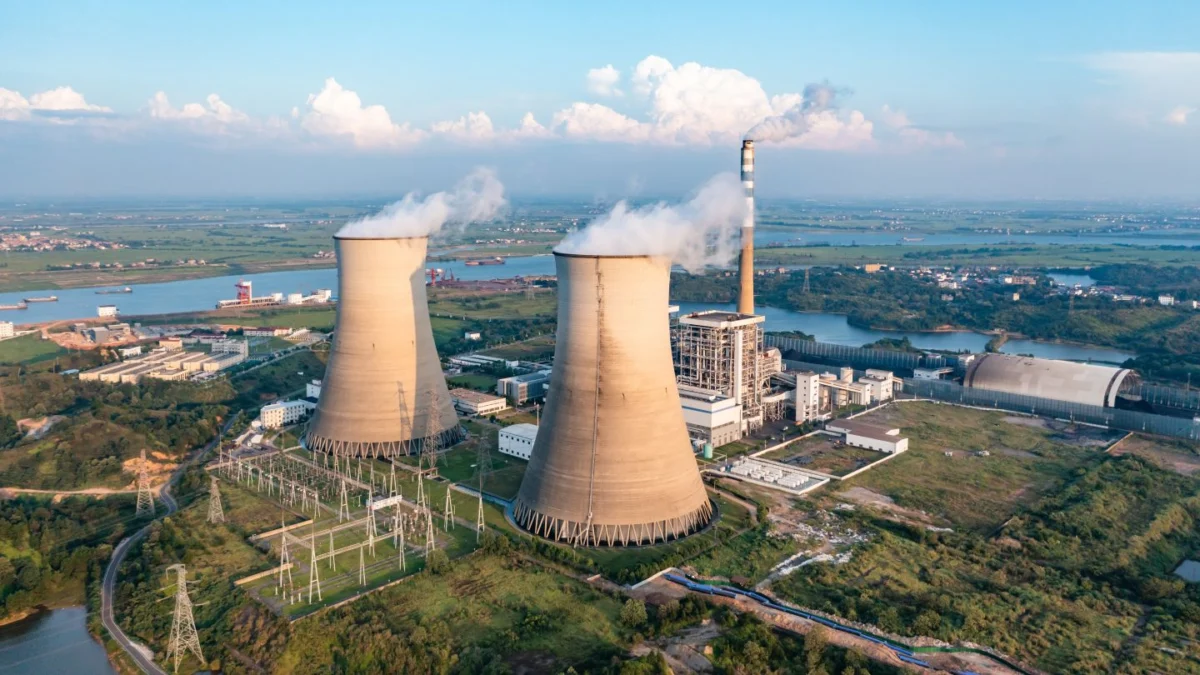
The landscape of Tamil Nadu’s energy infrastructure underwent a significant transformation this week as the Tamil Nadu Power Generation Corporation (TNPGCL) officially announced the commencement of commercial operations at Unit One of the Udangudi Supercritical Thermal Power Plant. Located in the coastal district of Thoothukudi, this 660MW coal-fired unit represents a vital addition to the state’s baseload power capacity, marking a pivotal moment in the state’s multi-year effort to stabilize its energy grid and support growing industrial demand.
The declaration of commercial operations (COD) followed the successful completion of a rigorous 72-hour full-load reliability test, a mandatory benchmark set by the Electricity Regulatory Commission (ERC) and the national grid code. With this unit now fully integrated, the state’s coal-fired thermal capacity has seen a notable increase from 5.12GW to 5.78GW, providing a much-needed buffer for a state that has been rapidly transitioning toward a diversified energy portfolio.
The Path to Commissioning: A Chronological Overview
The journey toward the Udangudi plant’s operational status has been characterized by ambition, technical complexity, and significant external challenges.
The Inception (2017)
The Udangudi project was conceived as a cornerstone of Tamil Nadu’s long-term power strategy, intended to utilize advanced supercritical technology to improve thermal efficiency and reduce emissions compared to older subcritical plants. Construction activities officially commenced in 2017, signaling a major capital investment of approximately $1.38 billion (Rs 130.77 billion).
Pandemic-Era Disruptions
Like many large-scale infrastructure projects globally, the Udangudi site faced substantial setbacks due to the COVID-19 pandemic. Supply chain bottlenecks, labor shortages, and logistical hurdles between 2020 and 2022 slowed the construction pace. These delays necessitated multiple revisions to the project timeline, requiring the TNPGCL to engage in intensive coordination with contractors and engineering partners to keep the project viable.
The Inauguration and Trial Phases (2025–2026)
Following the easing of pandemic-related restrictions, work accelerated. By March 2025, the facility reached a sufficient level of completion to warrant a formal inauguration by then-Chief Minister M.K. Stalin. Throughout the remainder of 2025 and the early months of 2026, the plant underwent a series of synchronized trials. These trials were designed to test the boiler, turbine, and generator (BTG) systems under varying load conditions, ensuring that the facility could meet the strict safety and performance criteria required for grid integration.
The Final Stretch (September 2026)
The climax of these efforts occurred in the first week of September 2026. The plant operators initiated the mandatory 72-hour continuous, full-load test. During this high-stress period, the unit performed above expectations, peaking at 709MW—surpassing its nominal 660MW rating. Upon the successful conclusion of this test at 4:16 PM on Saturday, the COD was officially declared, marking the unit’s entry into the national power market.
Supporting Data: Infrastructure and Technical Specifications
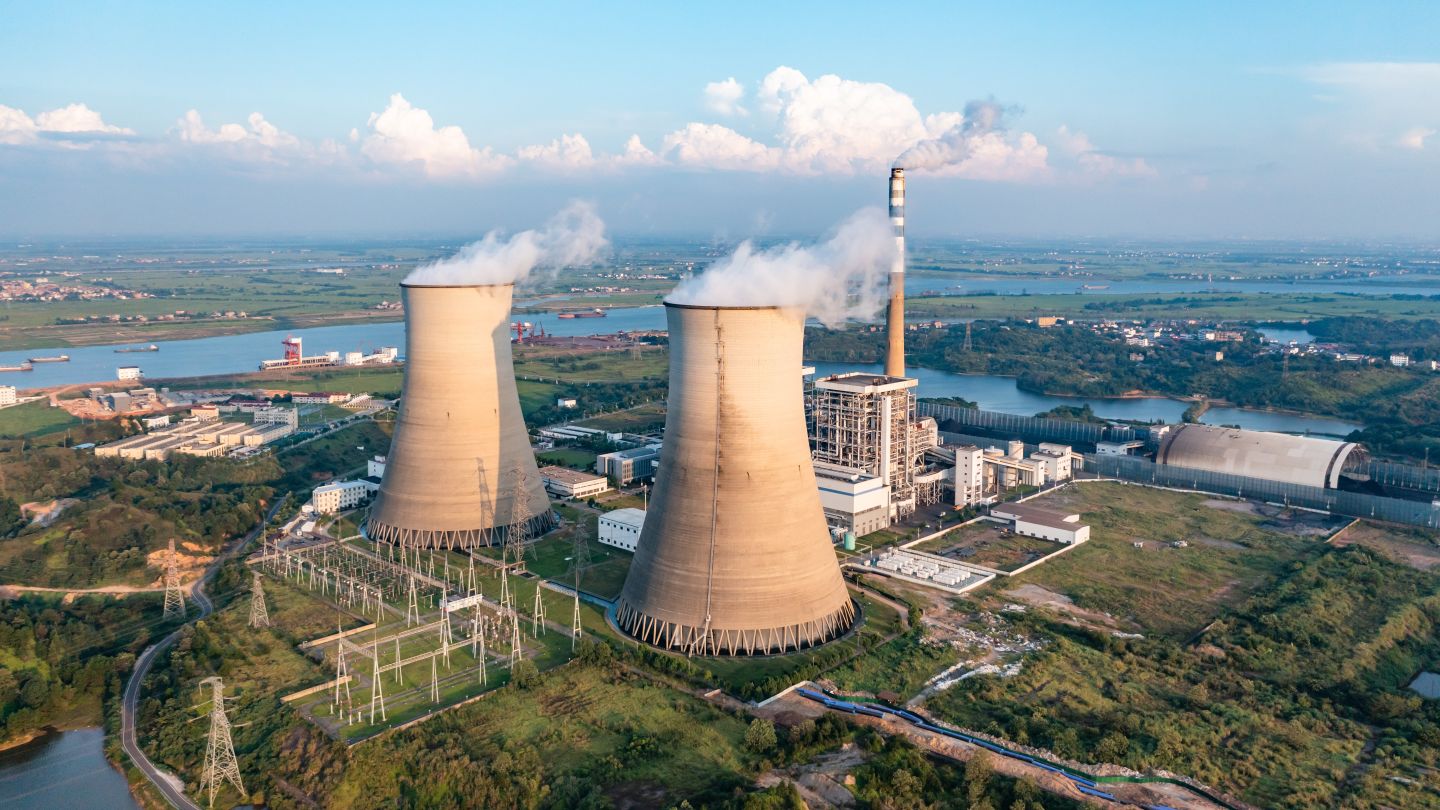
The Udangudi Supercritical Thermal Power Plant is more than just a power generator; it is an integrated industrial complex designed for operational longevity and efficiency.
Technical Superiority
The use of supercritical technology allows the plant to operate at higher steam pressures and temperatures than traditional coal plants. This translates to lower coal consumption per unit of electricity generated, which in turn reduces the carbon intensity per megawatt-hour. This is a critical factor for a state committed to balancing industrial growth with environmental regulations.
Logistics and Fuel Supply
One of the most impressive engineering features of the Udangudi project is its dedicated fuel supply chain. To ensure a steady flow of coal, the facility utilizes a dedicated offshore coal jetty located 8km off the Kallamozhi coast. This maritime infrastructure allows for the efficient offloading of bulk coal carriers, minimizing the reliance on inland road or rail transport and ensuring that the plant remains unaffected by terrestrial logistical disruptions.
Capacity Context
Udangudi now holds the position of the state’s seventh coal-fired power station. It joins a robust fleet that includes:
- Tuticorin Thermal Power Station: 1.05GW
- Mettur Thermal Power Station I & II: 1.44GW (combined)
- North Chennai Thermal Power Station I, II, & III: 2.66GW (combined)
The addition of this 660MW unit brings the state’s total installed capacity—which stood at approximately 42.77GW as of March 2025—closer to the projected 47.04GW goal for the 2026–2027 fiscal year.
Official Responses and Strategic Significance
The success of the Udangudi project has been met with positive reception from government officials, who view it as a critical safeguard against power shortages.
TNPGCL Managing Director Govinda Rao emphasized the stringent nature of the commissioning process. In a statement following the COD, Rao noted, "As per the Grid code and ERC regulations, the power plant must run with a full load for 72 hours without any interruption to be considered a reliable source and to be counted in the national grid."
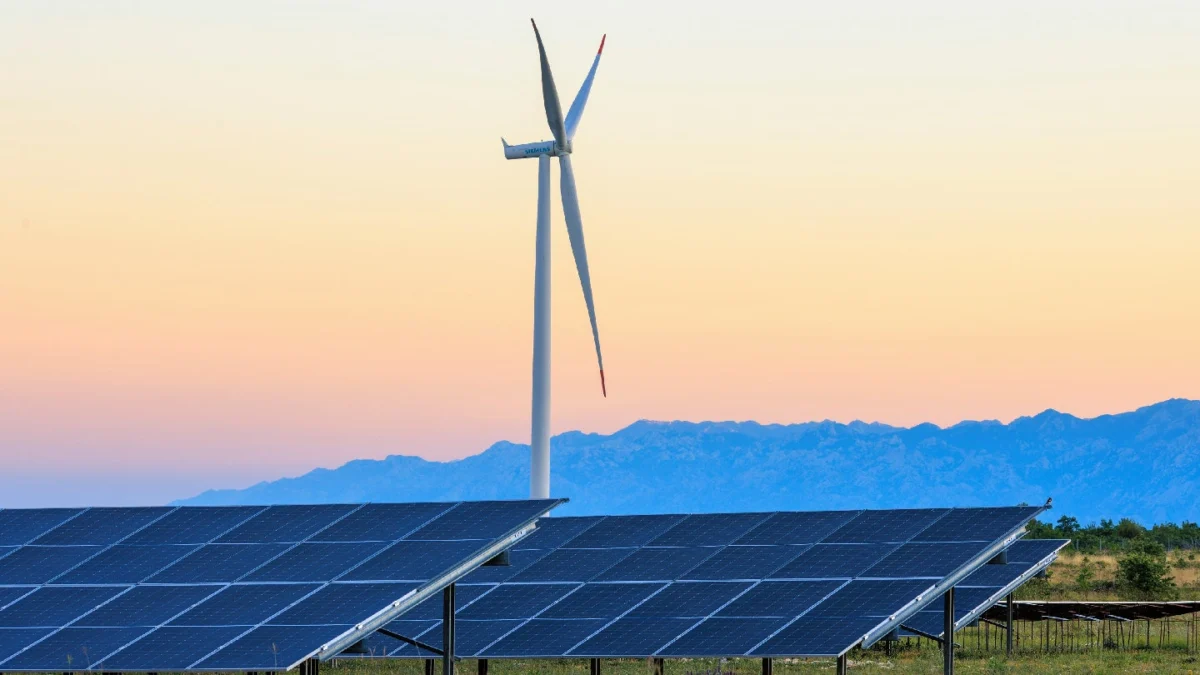
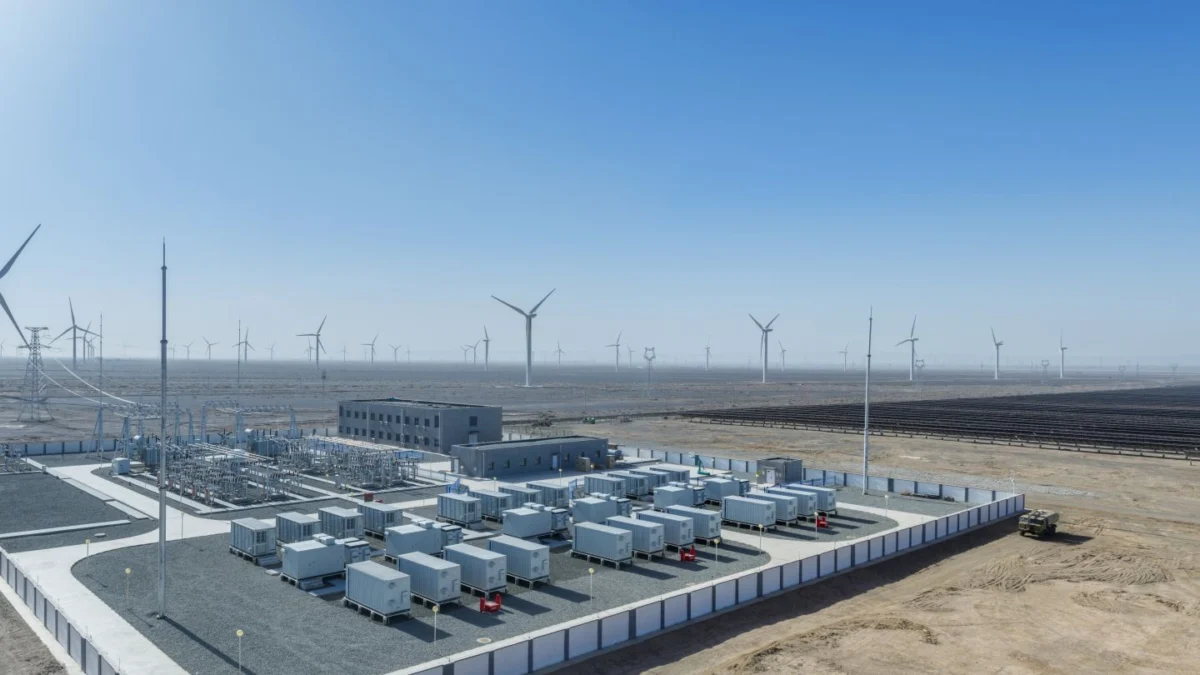
This emphasis on "reliability" underscores the state’s focus on grid stability. In a power market where demand is increasingly volatile, the ability of a large thermal plant to provide consistent, 24/7 baseload power is considered an essential hedge against the intermittency of renewable energy sources, such as wind and solar, which are abundant in Tamil Nadu.
Future Implications: The Path Forward
The completion of Unit One is merely the first phase of a broader operational roadmap. TNPGCL has already shifted its focus toward the final commissioning of Unit Two, which is currently in the advanced stages of construction.
Looking Toward December 2026
The utility has set a target for the commissioning of the second 660MW unit by December 2026. Once Unit Two is operational, the total capacity of the Udangudi project will reach 1.32GW. This will provide a massive injection of power that is expected to significantly reduce the state’s reliance on power purchases from the open market and help stabilize electricity prices for industrial and residential consumers alike.
Balancing Energy Mix
While the focus remains on coal-fired thermal power for the short term, the state’s broader strategy continues to emphasize the "Energy Mix" approach. The integration of Udangudi serves to provide the "spinning reserve" necessary to integrate higher levels of renewable energy. By managing the baseload with efficient, modern supercritical units, Tamil Nadu intends to maintain its status as one of India’s leading states for industrial manufacturing, ensuring that power supply remains a competitive advantage rather than a bottleneck for development.
Environmental and Economic Impact
Critics often point to the environmental footprint of coal plants; however, the state government maintains that the advanced technology utilized at Udangudi is significantly cleaner than the aging fleet of plants it is intended to supplement or eventually replace. Furthermore, the economic impact on the Thoothukudi region is substantial, with the project creating thousands of jobs throughout its construction phase and providing long-term employment opportunities in operations and maintenance.
Conclusion
The successful commercial operation of Unit One at the Udangudi Supercritical Thermal Power Plant stands as a testament to the resilience of Tamil Nadu’s power sector. Despite the significant headwinds caused by the global pandemic, the completion of this project highlights the state’s capacity for executing large-scale, complex infrastructure. As the state looks toward the end of 2026 and the finalization of the second unit, the citizens and industries of Tamil Nadu can expect a more robust, reliable, and capable power grid to support the state’s next chapter of economic growth.