Introduction: The Sound of the Forest Falling
In the summer of 1996, while trekking through a remote burn zone north of Yellowstone National Park, a sudden thunderstorm transformed a tranquil afternoon into a theater of visceral fear. As wind gusts whipped through the skeletal, scorched lodgepole pines, a deafening crack—distinct and percussive—pierced the air. Within a heartbeat, a massive, fire-weakened trunk slammed into the earth, pinning the space between two hikers. It was a narrow escape that fundamentally altered the way those hikers viewed the forest canopy.
For those who venture into the wilderness, trees are often viewed as static, benign elements of the landscape—mere backdrop to the adventure. However, for the experienced outdoorsman, the forest is a dynamic, shifting environment. The 1988 Yellowstone wildfires, which scorched nearly 1.4 million acres, left behind a legacy of "matchstick forests." Decades later, these stands remain standing, serving as a grim reminder that nature’s recovery is measured in centuries, while the danger of falling timber is measured in seconds.
Chronology of an Overlooked Hazard
While falling trees—often referred to by arborists and land managers as "hazard trees"—are not the leading cause of backcountry fatalities, they represent a persistent and unpredictable threat. Unlike the well-documented risks of lightning strikes, hypothermia, or river crossings, tree failure remains a "silent" danger.
The danger has manifested in several high-profile, tragic incidents over the last decade:
- August 2019: A thru-hiker on the Pacific Crest Trail was struck and killed while navigating a trail corridor, highlighting the risk even during active movement.
- August 2019: A backpacker camping along the Colorado Trail lost her life when a tree collapsed onto her tent in the middle of the night.
- May 2021: A tragedy in the White Mountain National Forest underscored the specific risks of hammock camping; a hiker was killed when the tree supporting their hammock failed.
- August 2022: A visitor at an Olympic National Park remote campsite was killed by a falling tree, a reminder that even established wilderness sites are not immune to the volatility of old-growth and decaying timber.
These incidents demonstrate that the risk is not confined to remote, unmaintained wilderness routes. It is present in developed campgrounds, river corridors, and popular day-hiking trails.
The Science of Tree Failure: Why Trees Fall
To mitigate risk, one must first understand the mechanics of tree failure. Trees are biological structures that exist in a state of constant, slow-motion decay. When we ask, "Are trees dangerous?" we are asking the wrong question. The more pertinent inquiry is: "Am I about to spend the next several hours in the strike zone of a compromised structure?"
Factors Contributing to Tree Failure
- Root Rot and Soil Instability: Many trees fail not because the trunk snaps, but because the root system can no longer anchor the tree in the soil. Fungal infections (root rot) are often invisible to the casual observer, occurring beneath the duff layer.
- Structural Defects: Cankers, deep vertical cracks, and "widow-makers"—large, dead, or broken branches caught in the canopy—are primary indicators of a hazardous tree.
- Environmental Stressors: High winds are the most obvious trigger, but they are often the "final straw" for a tree already weakened by drought, insect infestation (such as the mountain pine beetle), or previous fire damage.
- Hydrological Saturation: After heavy rains or rapid snowmelt, the ground can become saturated, significantly reducing the soil’s shear strength and its ability to hold the weight of large timber against wind loads.
Supporting Data and Risk Perception
The statistical frequency of tree-related fatalities is low compared to other outdoor risks, which leads to a dangerous psychological phenomenon: familiarity-induced complacency.
Because most hikers spend thousands of nights under trees without incident, the human brain discounts the danger. We operate under the "gambler’s fallacy," believing that because we have "gotten away with it" hundreds of times, the risk is negligible. However, in safety engineering, tree failure is classified as a "low-frequency, high-consequence" event. It is a hazard that does not care about your experience level, your high-end gear, or your careful planning. It is a stochastic event—random, yet predictable in its patterns.
Official Responses and Land Management Protocols
The National Park Service (NPS) and the U.S. Forest Service (USFS) are tasked with the unenviable job of managing millions of acres of forest. In developed campgrounds, these agencies employ arborists to perform "hazard tree mitigation"—pruning or felling trees deemed a high risk to human infrastructure.
However, in the backcountry, the policy is intentionally hands-off. "Natural process management" means that dead trees are left to fall on their own, as they provide critical habitat for birds, insects, and fungi. Consequently, the burden of safety shifts entirely to the hiker.
Official guidelines from agencies emphasize:
- Avoidance: Do not camp in areas with high concentrations of standing dead trees (snags).
- Observation: Look up. Check the canopy for dead branches, hanging limbs, or trees that are leaning significantly.
- Weather Awareness: If wind speeds increase, move to a lower-risk area (a clearing or a younger, denser stand of timber) even if it means breaking camp in the dark.
Implications for Backcountry Safety
The implication for the modern hiker is clear: Situational awareness is your primary safety tool.
Developing a "Hazard-Aware" Mindset
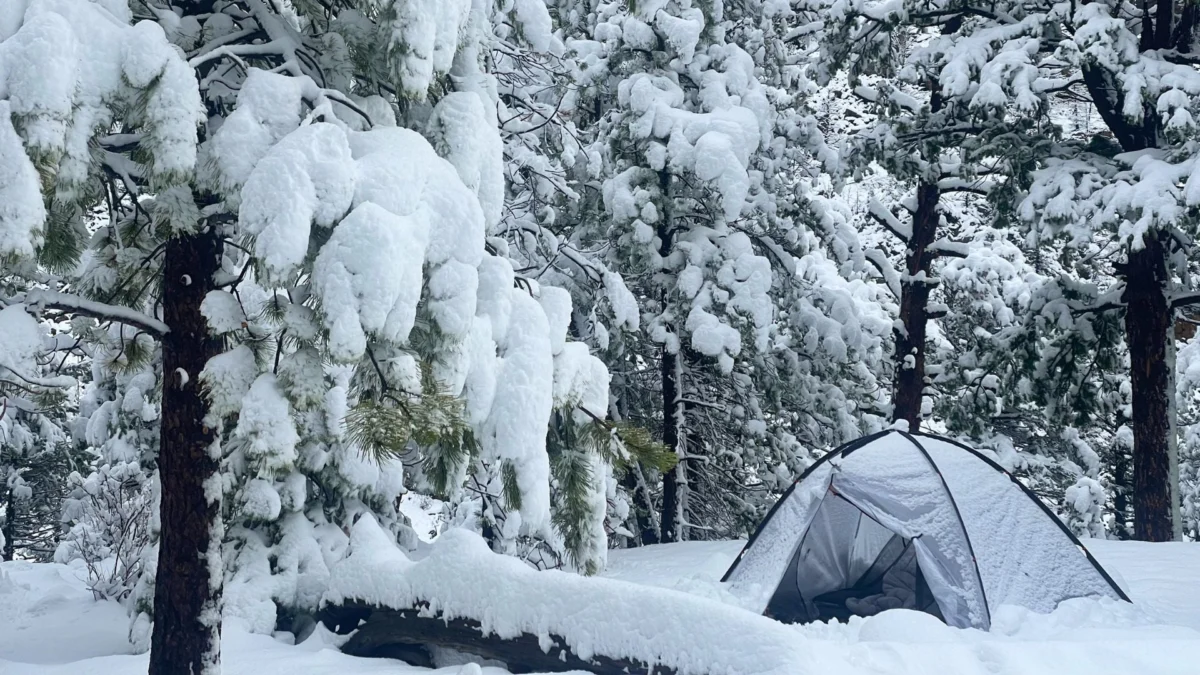
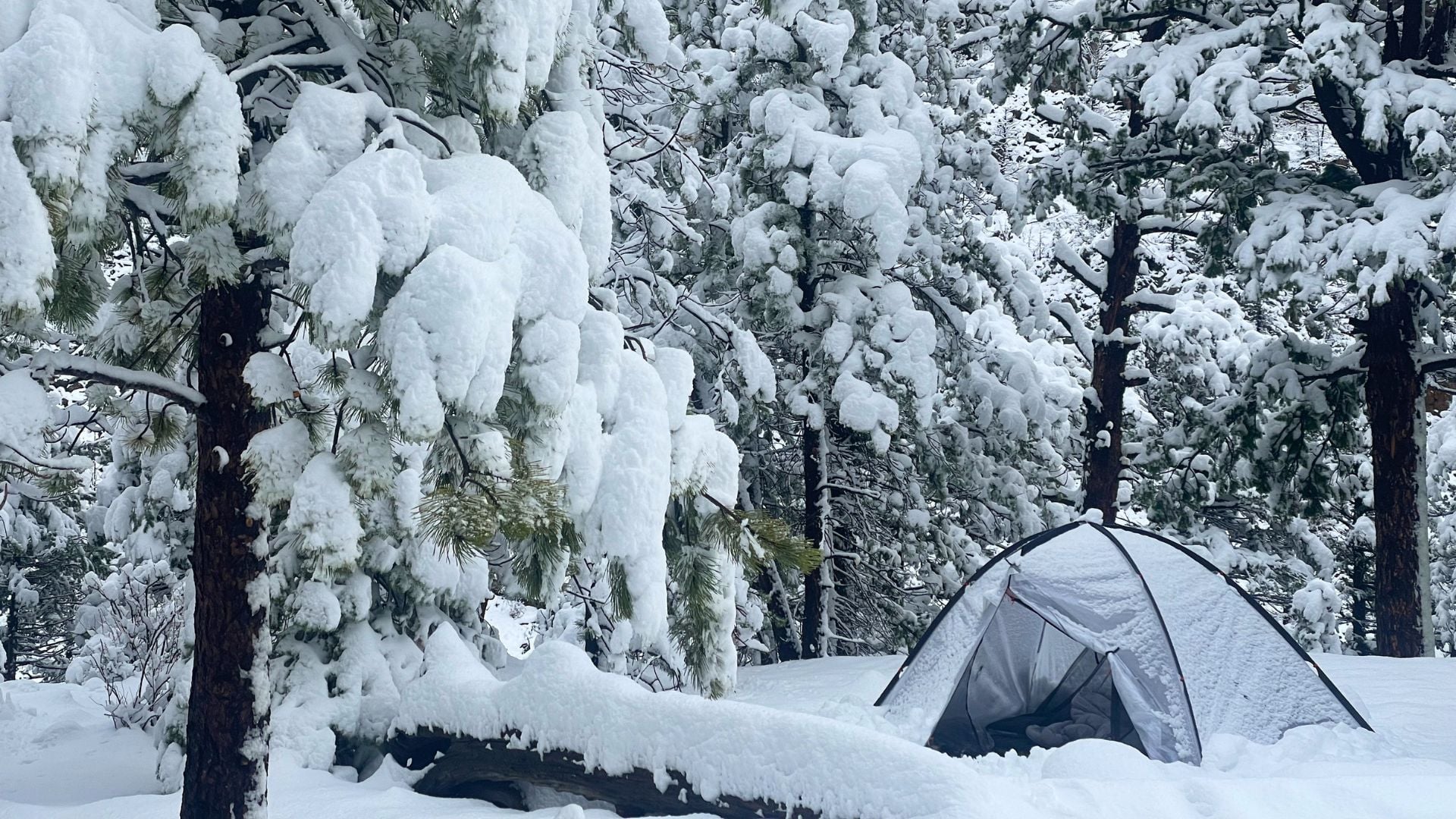
- Site Selection: When selecting a tent site, conduct a "360-degree sweep." Avoid sleeping under trees with visible signs of decay. If you see a tree with no needles or leaves while its neighbors are green, treat it as a potential hazard.
- Listen to the Forest: If the wind is creating a "creaking" or "groaning" sound, that is the literal sound of fibers reaching their breaking point. This is an immediate warning to evacuate the area.
- The "Hammock" Caution: Hammock users are uniquely vulnerable. By tethering your shelter to a tree, you are applying leverage to the trunk. Always inspect the tree’s health at the root base and check the top for "widow-makers" before strapping in.
- Contextual Awareness: Recognize that burn areas, areas with recent insect kill, and riparian zones (where trees are often shallow-rooted due to high water tables) carry a higher risk profile than healthy, deep-rooted forest stands.
Conclusion: Living with the Risk
The forest is not a hostile environment, but it is a complex, living system that operates on a timescale and by rules entirely indifferent to human safety. We choose to enter the wilderness for the beauty and the challenge, and that experience inevitably involves accepting some level of risk.
By shifting our perspective from viewing trees as passive scenery to recognizing them as dynamic structural elements, we can significantly reduce our exposure to harm. The next time you pitch your tent, take a moment to look up. A few seconds of observation can be the difference between a restful night under the stars and a tragedy that could have been avoided.
Safety in the backcountry is not about eliminating all risk—it is about managing the risks that we can control. When it comes to the forest canopy, the most important tool you carry isn’t in your pack; it’s your ability to recognize, respect, and avoid the silent sentinel of the falling tree.