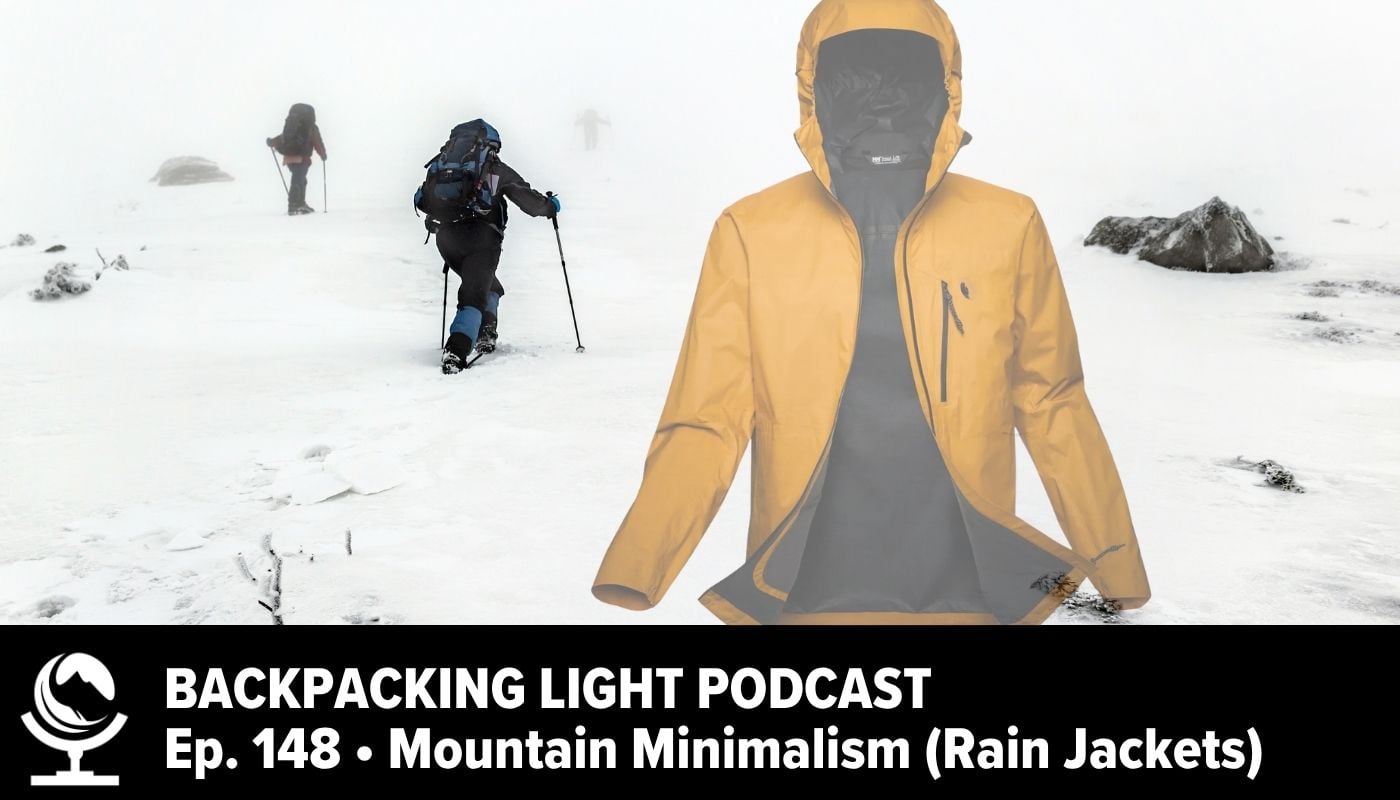
In the pursuit of ultralight efficiency, the modern hiker often faces a classic dilemma: how to balance the weight of their kit against the volatile reality of high-altitude weather. As the industry pushes toward increasingly specialized gear, the latest episode of the Backpacking Light Podcast (Episode 148) dissects the critical intersection of “Mountain Minimalism” and the humble rain jacket. While a featherweight shell might be a triumph of engineering for a sheltered trail, it can become a liability when the mercury drops and the exposure increases.
The Evolution of the Ultralight Shell
For years, the backpacking community has been obsessed with the "gram-counting" philosophy. If it doesn’t serve an immediate purpose, it doesn’t make the pack. This mindset has birthed a generation of rain shells that weigh as little as a smartphone. However, the Backpacking Light editorial team argues that we are entering a new phase of refinement.
The "mountain minimalist" isn’t just about choosing the lightest item; it is about choosing the right item for a specific environment. The distinction between a "trail shell" and an "alpine shell" is becoming increasingly blurred in marketing, yet the functional gap remains vast. Modern materials like HELLY TECH PROFESSIONAL, GORE-TEX PRO ePE, and Xpore nanoporous membranes have allowed manufacturers to achieve lower weights without sacrificing the structural integrity required for jagged terrain.
A Framework for Decision-Making
The core of the discussion centers on a comprehensive decision-making framework designed to help hikers determine if their current rain gear is sufficient for their upcoming objectives. According to the analysis presented in the podcast, hikers should evaluate their gear through the lens of six critical variables:
- Exposure Duration: How long will you be potentially exposed to inclement weather? A shell that breathes well for a four-hour hike may lack the hydrostatic head and durability required for a 48-hour storm.
- Retreat Options: How quickly can you reach shelter? If your route involves significant commitment in exposed terrain, your rain jacket is no longer a luxury—it is a critical piece of life-support equipment.
- Terrain Complexity: Are you navigating established trails, or are you scrambling through scree and dense brush? Abrasion resistance becomes paramount in off-trail or high-alpine environments.
- Wind Velocity: Wind-driven rain is the ultimate test of a shell’s construction. The seams, hood adjustments, and face fabric density dictate whether you stay dry or succumb to evaporative cooling.
- Thermal Margin: A rain shell acts as a vapor barrier and a windblocker. When you are moving at your limit, the ability to dump heat while keeping water out is the difference between comfort and hypothermia.
- Abrasion Resistance: The weight-to-durability ratio is the final arbiter. A 200-gram jacket is useless if it shreds on the first rock wall it encounters.
Leading Hardware: The Current Alpine Standard
As of mid-2026, the market has responded to the demand for high-performance, lightweight alpine shells. Three standout products illustrate the industry’s shift toward high-performance minimalism:
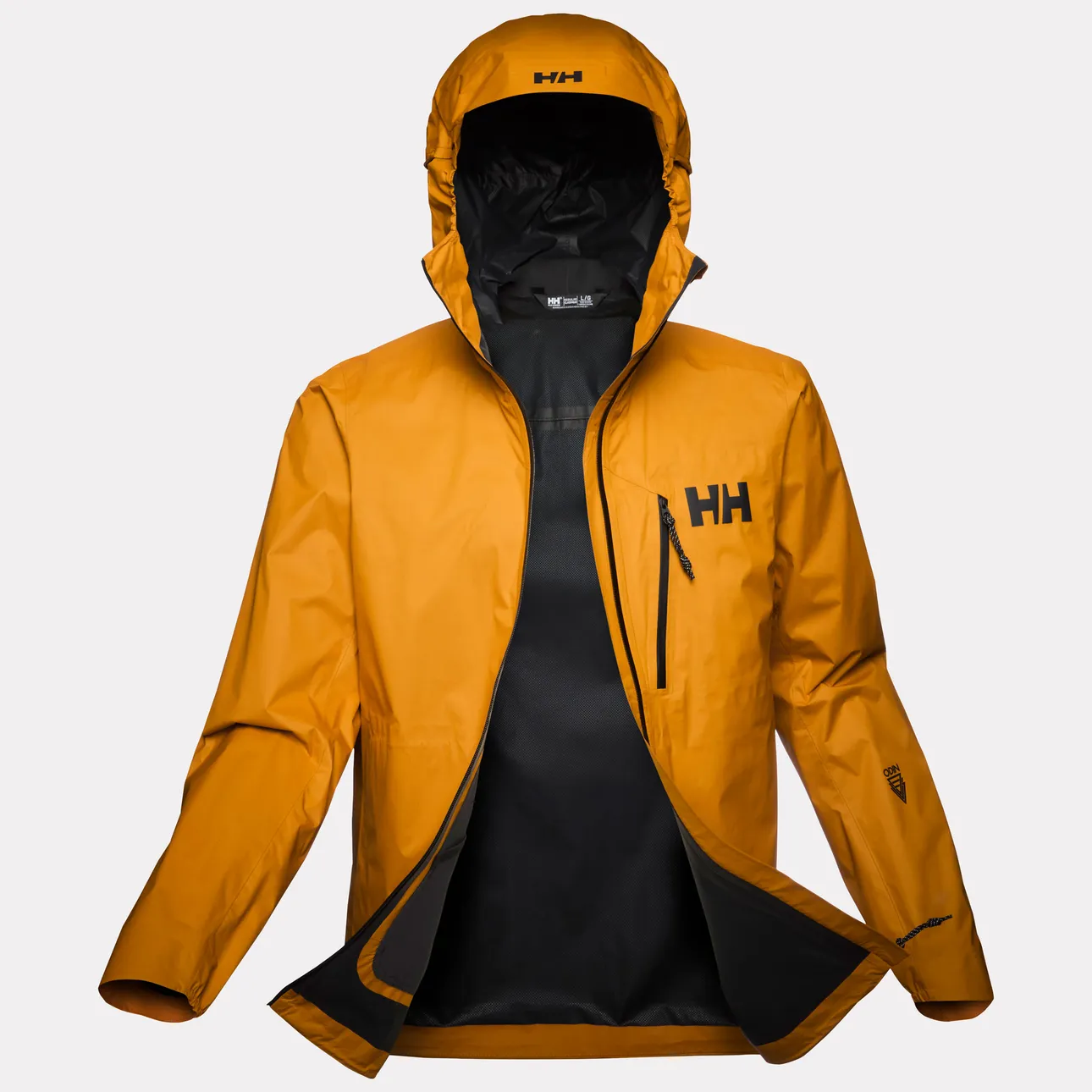
The Helly Hansen Odin Minimalist Rain Jacket
At 250 grams, this 3.5-layer shell utilizes the brand’s proprietary LIFA INFINITY technology. It is designed for those who refuse to compromise on weather protection. With 2-way stretch fabric and a helmet-compatible hood, it bridges the gap between technical climbing gear and the refined, packable needs of the long-distance trekker.
The Arc’teryx Alpha SL Jacket
A masterclass in weight reduction, the Alpha SL clocks in at 232 grams. By utilizing GORE-TEX PRO ePE and a 20D Hadron face fabric, Arc’teryx has created a shell that feels almost gossamer but performs like a suit of armor. The move toward PFAS-free membranes reflects a broader industry shift toward sustainable chemistry without sacrificing the "bombproof" nature the brand is known for.
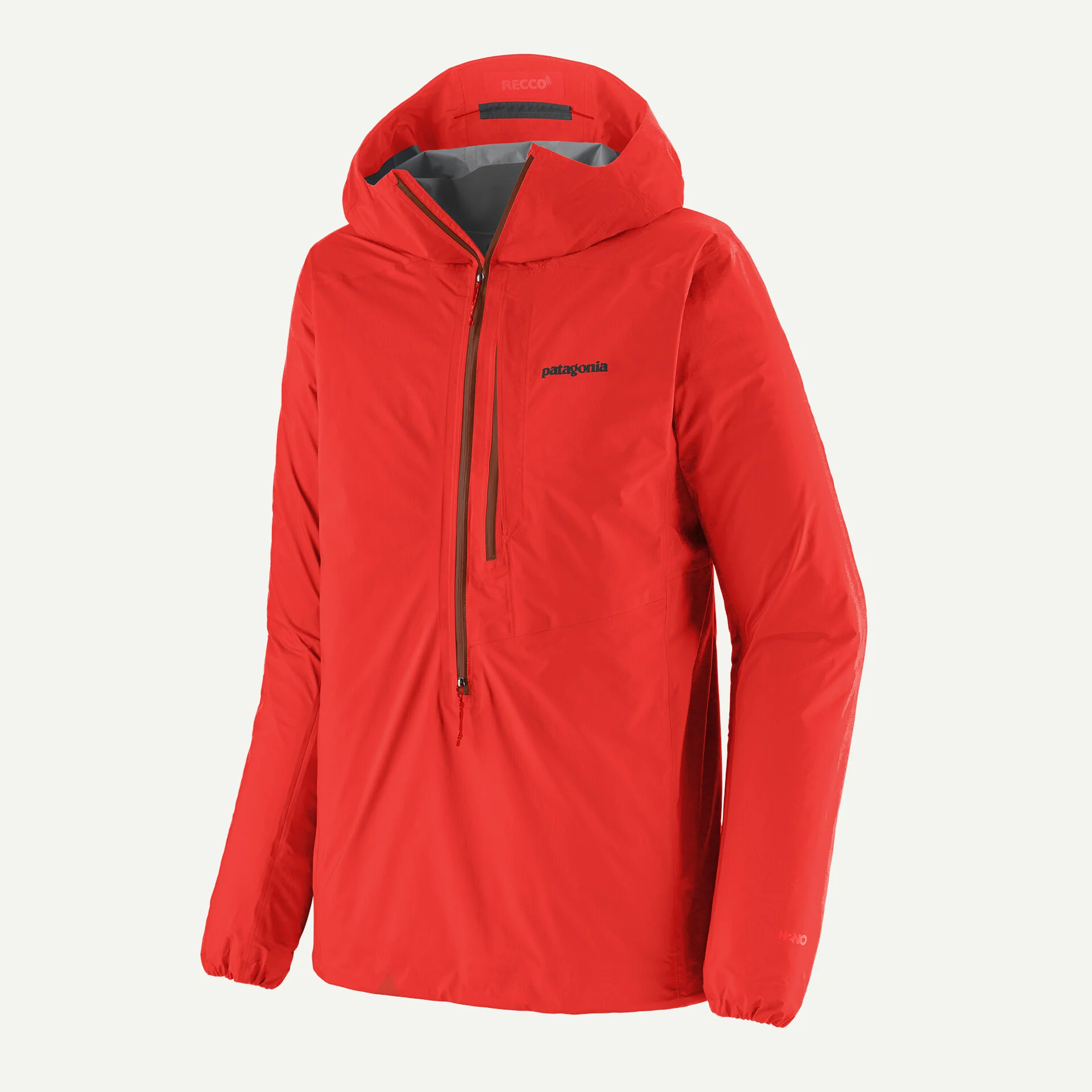
The Patagonia M10 Anorak
Weighing in at 300 grams, the M10 Anorak takes a different approach. By using an Xpore nanoporous membrane and a 20-denier recycled nylon ripstop, it offers a more robust, slim-fit silhouette. The inclusion of a two-way waterproof front zipper and a jersey backer provides a tactile comfort that many lightweight shells lack, making it a favorite for those who spend long days in fluctuating conditions.
The Implications of "Mountain Minimalism"
The shift toward more technical, lightweight gear has profound implications for the hiking community. Traditionally, "ultralight" was synonymous with "fragile." Today, that is no longer the case.
However, there is a psychological danger in this advancement: the "Expertise Trap." As gear becomes more capable, hikers may feel empowered to tackle terrain or weather patterns that exceed their current skill sets. The Backpacking Light team emphasizes that while gear is better than ever, it cannot replace the experience required to read a weather front, identify a deteriorating situation, or know when to turn back.
Furthermore, the industry’s move toward PFAS-free, high-performance membranes marks a turning point in the environmental footprint of outdoor apparel. As consumers prioritize durability, the "buy-it-for-life" ethos of the early mountain explorers is being blended with the performance demands of the modern era.
Looking Ahead: The Future of the Shell
As we look toward the remainder of the 2026 season, the trends are clear. We are moving away from the era of "disposable ultralight" gear and toward "precision equipment." The goal is no longer to carry the absolute lightest item in the shop, but to carry the item that provides the most utility per ounce.

For the reader, the lesson is clear: invest in your knowledge of weather systems as much as you invest in your gear. Whether you are navigating a damp Appalachian morning or a high-altitude traverse in the North Cascades, the right rain shell is the barrier between a successful summit and a perilous retreat.
Conclusion
The Backpacking Light podcast serves as a necessary reminder that the mountains remain indifferent to our gear choices. True "Mountain Minimalism" is not merely about the removal of weight; it is the thoughtful, intentional selection of tools that provide security in the face of the unknown. By applying the framework of exposure, terrain, and margin, hikers can build a kit that is both light enough to carry and strong enough to rely upon when the sky turns dark.
For those looking to deepen their understanding of these systems, the Backpacking Light community offers an extensive archive of professional journalism, gear testing, and peer-reviewed expertise. Whether you are a weekend warrior or an aspiring thru-hiker, the mastery of your gear is the first step toward mastery of the landscape.
For more information on these products and to join the conversation on the latest in ultralight methodology, consider becoming a member of the Backpacking Light community today.