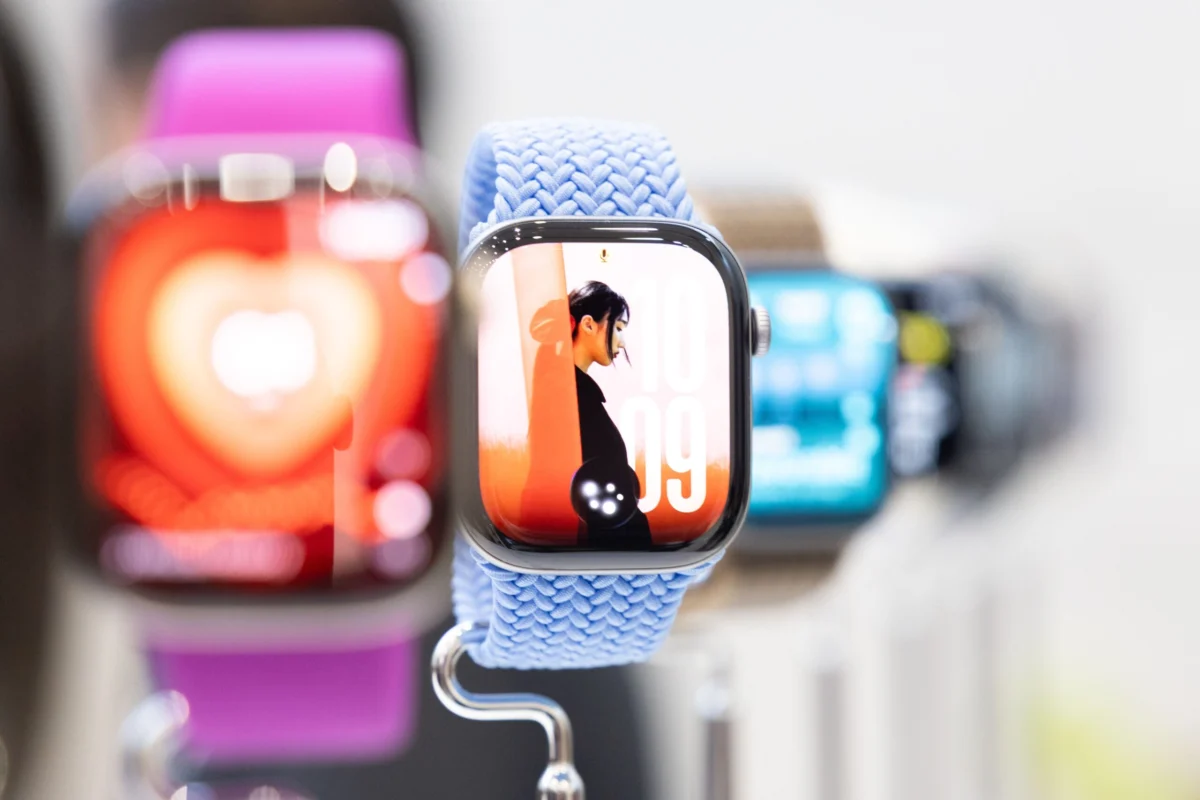
In the ever-evolving landscape of wearable technology, the Apple Watch has transitioned from a mere smartphone companion to a sophisticated health-monitoring powerhouse. With the unveiling of the Series 12, Apple is pushing the boundaries of biometric precision and user-interface innovation. By integrating more frequent data sampling, advanced AI-driven audio processing, and a new "Readiness" metric, the company is attempting to transform the device from a passive tracker into an active, intelligent partner in personal wellness.
Main Facts: The Hardware Leap
The core of the Series 12 experience is defined by the new S11 silicon. While incremental performance upgrades are standard in the annual hardware cycle, the S11 is notable for its enhanced Neural Engine, which handles the heavy lifting required for on-device machine learning. This chip is not just about raw speed; it is about efficiency. It powers a redesigned pedometer system that offers significantly higher accuracy for indoor exercise—a notoriously difficult environment for accelerometer-based tracking.
However, the hardware headline is undoubtedly the overhauled Health Sensing System. Where the Series 11 utilized two electrodes for ECG readings, the Series 12 features a 32-electrode array, drastically improving skin contact and signal integrity. Furthermore, the optical heart-rate sensor has been reimagined. The photodiodes are now arranged in a precise ring configuration, flanked by larger, more powerful green LEDs. This physical redesign allows for a fundamental shift in how Apple collects health data: continuous monitoring.
Chronology: From Isolated Snapshots to Continuous Insight
To understand the magnitude of the Series 12 upgrade, one must look at the evolution of Apple’s health-tracking cadence.
- The Series 11 Era: For years, Apple Watch users were accustomed to "snapshot" data. Heart rate monitoring occurred roughly every five minutes while the user was stationary, and Heart Rate Variability (HRV) measurements were sparse, often occurring only once every two hours. While this provided a general overview, it left significant gaps in the user’s physiological profile during periods of activity or stress.
- The Series 12 Paradigm Shift: The new sensor array allows the device to measure heart rate every five seconds, even during active movement. HRV tracking has been accelerated to five-minute intervals, offering a much more granular view of how the body fluctuates under stress.
- The Future Roadmap: Later this year, Apple plans to expand this ecosystem further with a redesigned Health app. This update will introduce a "Longevity" tab, featuring a "Health Age" metric that benchmarks an individual’s biometric data against demographic averages—a move that signals Apple’s long-term goal of positioning the watch as a preventive medicine tool rather than a reactive fitness tracker.
Supporting Data: The Science of Readiness
Perhaps the most requested feature in the history of the Apple Watch has finally arrived: a unified recovery score. The new Readiness app functions as a centralized hub for physiological intelligence. By synthesizing sleep architecture, recent activity load, and HRV trends, the watch provides a singular score representing the user’s preparedness for the day ahead.
The system requires a seven-day "burn-in" period of sleep data to establish a personalized baseline. While proprietary algorithms often face skepticism from the scientific community due to their "black box" nature, the integration of multiple data streams provides a more holistic picture than isolated metrics ever could. It serves as a nudge for the over-trained and a validation for the well-rested, effectively moving beyond simple step counts to address the complex reality of human recovery.
One-Handed Navigation and the User Experience
Apple continues to refine the watch’s accessibility through sophisticated gesture controls. The Series 12 builds upon the existing double-tap and wrist-flick gestures by introducing a new single-tap index-to-thumb command.
This is not merely a gimmick; it addresses the reality of modern multitasking. Whether a user is holding a coffee, gripping a handrail on public transit, or simply trying to remain discreet in a meeting, these gestures provide seamless control over the interface. A wrist flick can dismiss a notification or silence an alarm, while the new single-tap allows for swift selection of widgets within the Smart Stack. This focus on "hands-free" interaction underscores Apple’s commitment to making the watch a truly wearable—rather than handheld—device.
Implications: The Ethics of Audio Intelligence
While the hardware improvements are largely welcomed, Apple’s foray into "Audio Intelligence" introduces a complex set of implications. The upcoming suite, which includes Shazam integration and Sound Recognition, is relatively benign. However, the introduction of Siri Recap and Live Rewind pushes the Apple Watch into a new, potentially controversial territory.
By utilizing the microphone to capture and summarize conversations, the watch is shifting from a health monitor to a proactive administrative assistant. The utility is undeniable; in testing, Siri Recap effectively turned a chaotic PTA meeting into a structured set of actionable notes. Yet, the presence of an always-listening device, even one that processes data via Apple’s secure "Private Cloud Compute," raises significant questions regarding privacy, consent, and the social etiquette of recorded environments.
As these features roll out later this year, the tech community will be watching closely to see how Apple balances the convenience of AI-driven notetaking with the privacy expectations of the public.
Official Responses and Strategic Positioning
In briefings, Apple representatives emphasize that the goal of the Series 12 is "contextual awareness." By moving from snapshots to continuous monitoring, the watch aims to bridge the gap between clinical-grade diagnostics and consumer convenience. The company’s focus on "Health Age" and "Longevity" metrics suggests a strategic pivot toward aging demographics and those interested in proactive health management.
Moreover, the emphasis on the Neural Engine highlights Apple’s ongoing war against the cloud. By keeping sensitive health and audio data processed on-device, Apple is attempting to mitigate the privacy concerns inherent in AI-driven features. The company’s stance is clear: the most powerful AI is the one that knows everything about you, but never shares it with the world.
Conclusion: The Path Forward
The Apple Watch Series 12 represents a maturation of the wearable category. It is no longer just about counting steps or closing activity rings; it is about providing a continuous, intelligent narrative of the user’s biological state.
The increased sensor frequency provides a deeper level of detail than previously possible, while the Readiness app offers a simplified, actionable interpretation of that complexity. However, as the device becomes more "attentive" through audio processing and constant biometric monitoring, the friction between convenience and privacy will likely intensify.
For the average consumer, the Series 12 is a compelling upgrade that justifies its place on the wrist. For the health-conscious, it is a significant step toward a future where the line between a smartwatch and a medical device is increasingly blurred. As we wait for the upcoming software updates to unlock the full potential of its audio intelligence, one thing remains certain: the Apple Watch has solidified its role as the most intimate piece of technology we own. Whether we are ready for it to know us this well remains the defining question of the next generation of wearables.