In a move widely welcomed by the Finnish sports community, the government’s recent budget session has unveiled a series of strategic decisions aimed at revitalizing the nation’s sports infrastructure, fostering a culture of active living, and positioning Finland as a premier destination for international sporting events. The Finnish Olympic Committee has expressed strong support for the policy shifts, noting that these measures are essential for both grassroots participation and elite performance.
However, beneath the celebratory tone, the sector remains vigilant. As the government navigates a complex economic landscape, the intersection of increased direct investment and broader municipal funding cuts has created a nuanced outlook for the future of Finnish sports.
Main Facts: A Strategic Shift in Sports Policy
The centerpiece of the government’s recent announcement is the restoration of the state grant level for sports facility construction to 30 million euros for the upcoming year. This injection of 15 million euros in additional funding is designed to combat the escalating "repair debt"—the backlog of maintenance and renovation needs that has plagued public sports facilities across the country.
Beyond physical infrastructure, the budget includes significant policy adjustments:
- Expansion of Wellness Incentives: The government has committed to increasing the maximum value of sports and cultural vouchers from 2026, aiming to make it easier for employers to subsidize the health and well-being of their workforce.
- Systematized Event Hosting: The government has formally adopted a goal to move away from ad-hoc bidding for international sports events toward a coordinated, long-term national strategy.
- Security and Safety: A new initiative will explore the development of spectator safety protocols, ensuring that large-scale events remain both secure and accessible.
Chronology: The Path to the Current Budget
The current policy outcomes are the result of several years of lobbying and discourse between the Finnish Olympic Committee, sports federations, and the Ministry of Education and Culture.
2023: Identifying the Crisis
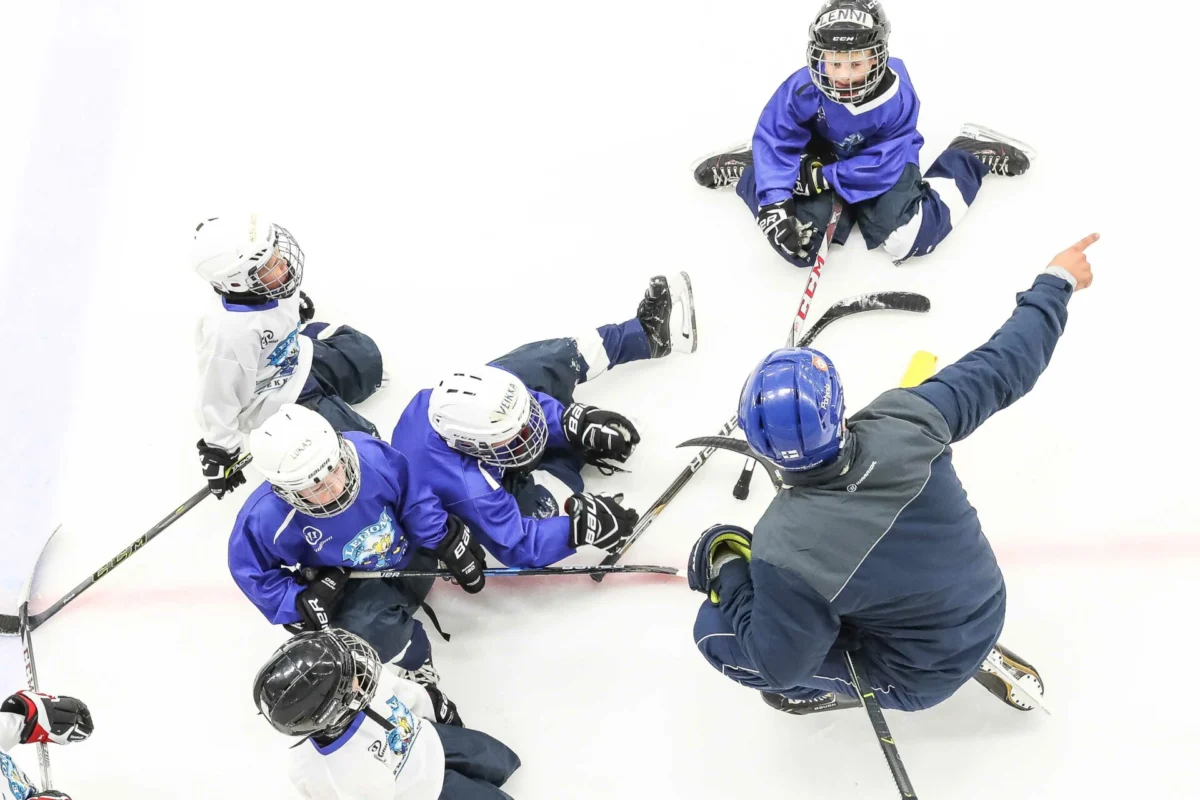
The conversation began in earnest when regional reports indicated that the maintenance backlog for municipal sports halls, swimming pools, and ice rinks had reached critical levels. Stakeholders argued that without state intervention, many facilities would be forced to close, directly impacting the physical activity levels of youth and elderly citizens.
Early 2024: The Strategic Pivot
Throughout the first half of 2024, the Olympic Committee began pushing for a more robust "Event Strategy." The argument was that Finland’s potential for hosting global championships was being hindered by fragmented efforts. During this time, discussions with the government intensified, focusing on how sports can act as an engine for the national economy and tourism.
September 2026: The Budget Session
In the latest government budget session, these persistent calls were finally codified into policy. The decision to restore the 30-million-euro funding floor for facilities marks a significant win for the sector, effectively reversing years of stagnant investment.
Supporting Data: The Anatomy of the Repair Debt
To understand the necessity of the 15-million-euro boost, one must look at the current state of Finnish infrastructure. According to data provided by the Finnish Olympic Committee and local municipal audits, the "repair debt" for sports facilities is estimated to be in the hundreds of millions of euros.
The Role of Municipalities
Municipalities own and operate the vast majority of sports facilities in Finland. For decades, these entities have been the backbone of the "Finnish Model" of physical activity. However, due to inflation and rising energy costs, the maintenance of these structures has become a heavy burden.
- Utilization Rates: Facilities that receive proactive maintenance show a 25% higher usage rate among non-club affiliated citizens.
- Economic Multipliers: Studies suggest that for every euro invested in high-quality sports infrastructure, there is a downstream saving of approximately three to four euros in long-term public health expenditures related to sedentary lifestyle diseases.
Official Responses: Voices from the Sector
Petri Keskitalo, Vice President of the Finnish Olympic Committee, has been the primary voice representing the sector’s interests. In his response to the budget, he highlighted the duality of the government’s approach.
"Sports facilities are the foundation of Finnish movement and physical culture," Keskitalo stated. "The recognition of the growing repair debt is a vital step forward. This decision isn’t just about brick and mortar; it’s about ensuring that the next generation of athletes has a place to train and that our aging population has a safe environment to maintain their mobility."
On the subject of international events, Keskitalo emphasized the economic potential: "Finland has the capacity to host world-class events. By shifting to a long-term, coordinated strategy, we are not just attracting tourists; we are creating a permanent brand for Finland as an active, capable, and welcoming nation. This will generate significant tax revenue and provide a massive boost to our domestic service sector."
Regarding spectator safety, Keskitalo was clear: "Safety is the prerequisite for growth. We are looking forward to working closely with the government, event organizers, and law enforcement to ensure that our stadiums remain the safest in the world."
Implications: The Looming Challenge of Municipal Cuts
While the direct funding for sports is a clear victory, the Olympic Committee has issued a measured warning regarding the government’s broader fiscal strategy. The budget includes a 110-million-euro reduction in state subsidies to municipalities.
The "Double-Edged Sword"
The concern is that while the central government is providing a 15-million-euro boost for specific construction projects, the local governments—who bear the daily responsibility for operating these facilities—will face a tighter budget environment overall.
- Operational Risk: If a municipality has to choose between funding essential services like education or social care and maintaining a local swimming pool, the facility often loses out.
- Regional Inequality: There is a fear that smaller, resource-poor municipalities may be unable to provide the matching funds often required to access state grants, potentially leading to a concentration of high-quality sports infrastructure in larger urban centers.
A Call for Strategic Implementation
The Olympic Committee is calling for a "holistic oversight" of the municipal cuts. They argue that if the government wants to promote public health through sports, they must ensure that the local bodies tasked with implementing these policies are not stripped of the resources necessary to keep the doors of these facilities open.
Looking Ahead: The Future of Finnish Sports
As Finland moves into the 2027 fiscal year, the success of these new policies will depend on implementation. The move to a long-term event strategy is expected to be finalized by late 2026, with a new national board dedicated to event bidding likely to be established.
Furthermore, the adjustment to the sports and cultural voucher system is expected to increase the total pool of employer-funded physical activity by an estimated 15-20% over the next three years. This shift reflects a modern understanding of public health, where the workplace is seen as a key intervention point for preventative medicine.
In conclusion, the government’s budget reflects a significant evolution in how sports are perceived at the cabinet level. No longer seen merely as a leisure activity, sports are being integrated into the national agenda as a tool for economic growth, public health, and international prestige. However, the true test will be whether the structural investment can withstand the pressures of municipal financial strain. For now, the Finnish sports community has reason to be optimistic, but they remain watchful, ready to ensure that the "big picture" benefits of these policies reach every athlete, from the local park to the Olympic stage.
Summary of Key Policy Changes
| Area | Old Policy | New Policy |
|---|---|---|
| Sports Infrastructure | Variable/Stagnant | 30M Euro floor (15M increase) |
| Event Strategy | Ad-hoc/Individual | Coordinated/Long-term |
| Workplace Wellness | Capped incentives | Increased max voucher value |
| Safety | Decentralized | Collaborative/National oversight |
This article will be updated as the Ministry of Education and Culture releases the technical details of the grant distribution in the coming weeks.